The moment you drive a brand-new car off the lot, its value begins to evaporate like morning dew under a relentless sun. This phenomenon, known as depreciation, is the silent thief that claims a staggering 20-30% of a vehicle’s worth within the first year alone. For car buyers, understanding which models resist this financial erosion is akin to uncovering a hidden treasure map—one that leads to long-term savings and smarter investments. Kia, a brand that has steadily shed its budget-car stigma to emerge as a paragon of value retention, offers a lineup where some models defy depreciation with remarkable tenacity. Whether you’re a first-time buyer, a seasoned investor, or a family planner, knowing which Kia models hold their value best can be the difference between a fleeting purchase and a lifelong asset.
The Science Behind Depreciation: Why Some Cars Fare Better Than Others
Depreciation isn’t a random act of financial chaos; it’s a meticulously calculated process influenced by a constellation of factors. At its core, depreciation is the gap between a car’s purchase price and its resale value after a set period, typically three to five years. The models that outperform their peers often share key traits: robust brand loyalty, a reputation for reliability, and a design that ages like fine wine rather than like last season’s fast fashion. Kia has strategically positioned itself in this sweet spot, leveraging cutting-edge engineering, warranties that instill confidence, and a design philosophy that balances bold aesthetics with timeless appeal. Unlike brands that chase fleeting trends, Kia’s approach ensures that its vehicles don’t just survive the test of time—they thrive in it.
Compact SUVs: The Unyielding Titans of Resale Value
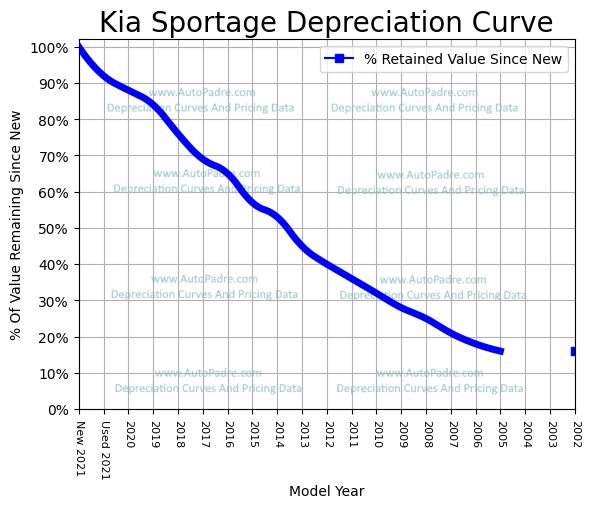
In the fiercely competitive compact SUV segment, Kia’s Sportage stands as a colossus of depreciation resistance. Its sleek, futuristic design—think sharp creases and a tiger-nose grille—doesn’t just turn heads; it ages with a grace that eludes many of its rivals. Under the hood, a lineup of turbocharged engines delivers a performance that belies its price tag, ensuring that enthusiasts and practical buyers alike see it as more than just a utilitarian hauler. The Sportage’s interior, draped in premium materials and bristling with tech like a 12.3-inch touchscreen and wireless Apple CarPlay, cements its status as a vehicle that refuses to feel dated. Resale data reveals that a three-year-old Sportage can retain up to 60% of its original value, a figure that dwarfs the segment average. For those seeking a blend of adventure-ready capability and financial prudence, the Sportage is a beacon of hope in a market where most vehicles depreciate faster than a snowman in July.
Midsize Sedans: The Quiet Overachievers
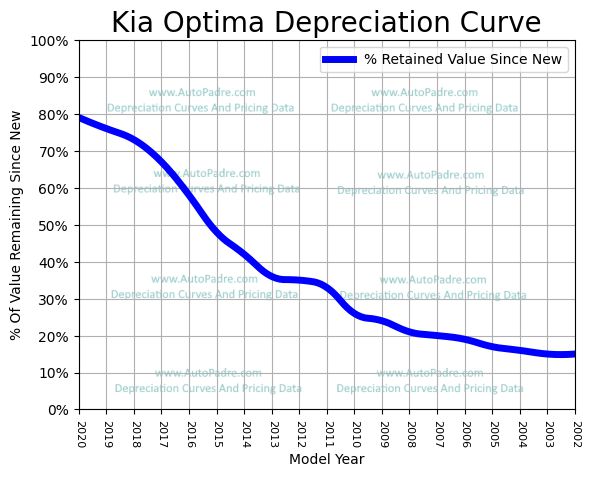
While SUVs often steal the spotlight, midsize sedans like the Kia Optima (now rebadged as the K5 in some markets) quietly carve out a niche as depreciation-resistant powerhouses. The Optima’s story is one of understated elegance and relentless efficiency. Its turbocharged four-cylinder engines sip fuel with the frugality of a monk while delivering the kind of acceleration that punishes slower traffic. The sedan’s cabin, a sanctuary of acoustic insulation and ergonomic brilliance, ensures that even the most discerning passengers feel cocooned in luxury. What truly sets the Optima apart, however, is its ability to transcend the stigma of the sedan segment. In a world where crossovers dominate, the Optima’s value retention—hovering around 55% after three years—proves that practicality and panache aren’t mutually exclusive. For buyers who prioritize a smooth ride, low running costs, and a vehicle that doesn’t scream “I’m a depreciating asset,” the Optima is a masterclass in silent triumph.
Electric and Hybrid Models: The Future-Proof Investments
The automotive landscape is undergoing a seismic shift, with electric vehicles (EVs) and hybrids leading the charge toward a greener tomorrow. Kia’s foray into this arena, with models like the Niro EV and the hybrid Optima, isn’t just a nod to sustainability—it’s a strategic move to future-proof resale value. Electric vehicles, in particular, have a unique relationship with depreciation. Their value retention hinges on factors like battery longevity, charging infrastructure, and government incentives. Kia’s Niro EV, with its 239-mile range and rapid-charging capabilities, has carved out a reputation as a practical EV that doesn’t demand a premium at resale. Hybrids, too, benefit from the same halo effect. The Kia Optima Hybrid, for instance, combines the fuel efficiency of a hybrid with the driving dynamics of a traditional sedan, ensuring that it remains desirable long after its initial purchase. Early data suggests that these electrified models retain up to 65% of their value after three years, outperforming many of their gasoline-only counterparts. For buyers looking to hedge against rising fuel costs and tightening emissions regulations, Kia’s electric and hybrid lineup offers a compelling proposition.
The Wildcards: Kia’s Surprising Value Retainers
Beyond the obvious contenders, Kia’s lineup is sprinkled with underrated gems that defy depreciation with aplomb. Take the Kia Telluride, a three-row SUV that arrived like a storm in the luxury crossover segment. Its cavernous interior, sumptuous materials, and V6 powerplant positioned it as a direct competitor to brands that charge twice as much. The Telluride’s resale value has been nothing short of spectacular, with some models retaining over 70% of their original value after three years—a feat that eludes even stalwarts like the Toyota Highlander. Then there’s the Kia Stinger, a sleek, performance-oriented hatchback that blends the soul of a muscle car with the practicality of a daily driver. Its limited production run and cult following have turned it into a collector’s item, with values actually appreciating in some cases. These wildcards prove that Kia’s value retention isn’t just a fluke; it’s a testament to the brand’s ability to identify and capitalize on gaps in the market.
Tactics to Maximize Your Kia’s Resale Value
Owning a Kia that holds its value is only half the battle; ensuring it retains that value requires a blend of strategy and diligence. Start with the basics: meticulous maintenance. A car with a complete service history, stamped by authorized Kia dealerships, is far more attractive to buyers than one with a haphazard record of oil changes and brake jobs. Keep it clean—both inside and out. A well-maintained exterior free of dings and a spotless interior free of stains can add hundreds, if not thousands, to your resale price. Avoid aftermarket modifications, which often detract from a vehicle’s appeal. Instead, opt for factory-installed options like premium audio systems or advanced driver-assistance packages, which are more likely to be valued by future buyers. Finally, timing is everything. Selling your Kia when it’s between three to five years old often yields the highest return, as this is the sweet spot where depreciation curves begin to flatten. By adhering to these principles, you transform your Kia from a mere mode of transport into a financial asset that grows more valuable with each passing mile.
The journey of a Kia from showroom to driveway is more than just a transaction—it’s a narrative of resilience, innovation, and foresight. In a world where most vehicles are destined to become financial footnotes, Kia’s lineup stands as a testament to the power of intelligent design and strategic engineering. Whether you’re drawn to the Sportage’s rugged allure, the Optima’s refined elegance, or the Telluride’s commanding presence, you’re not just buying a car; you’re investing in a legacy. As the automotive landscape continues to evolve, one truth remains immutable: the best cars aren’t just those that take you places, but those that take you further—financially, emotionally, and spiritually. Choose wisely, maintain diligently, and let your Kia’s depreciation curve be a story of triumph, not tragedy.