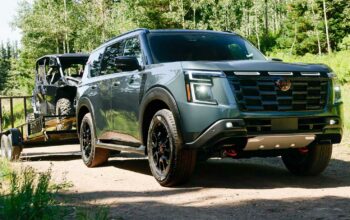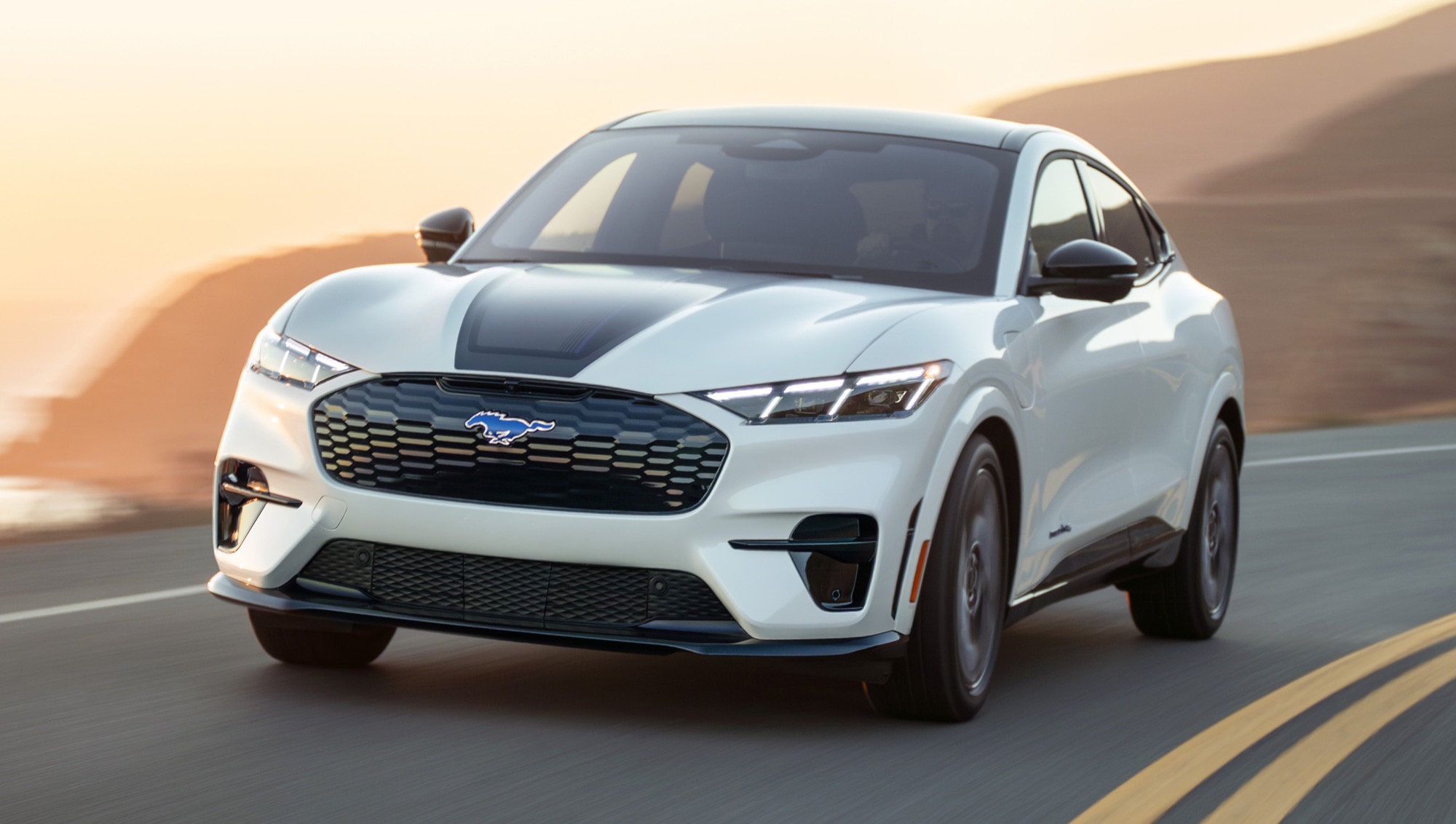
Picture this: a crisp evening, the kind that makes streetlights glow like molten amber. You’re standing in a quiet parking lot, keys warm in your palm, staring at two silhouettes that look ready to sprint—yet each carries a very different personality. On one side, the 2026 Chevrolet Blazer EV with its confident, sculpted stance. On the other, the Mustang Mach-E, an EV that wears its heritage like a badge—sporty, spirited, and slightly mischievous.
But here’s the playful question: What happens when you pit a comfort-first utility bruiser against an agility-leaning pony-inspired crossover—and then add one extra twist? Imagine a challenge night: you and a friend swap drivers for a weekend, then you compare notes on ride feel, real-world range behavior, charging sanity, tech delight, and whether either vehicle truly earns the right to be called “the getaway machine.”
Let’s step into that showdown and map it out—carefully, dramatically, and with just enough curiosity to keep the sparks flying.
Design Philosophy: Bold Convenience vs. Pony-Edge Attitude
Design is more than cosmetics; it’s a promise made with every curve. The Blazer EV leans toward a modern, mainstream confidence. Its surfaces feel sculpted for daily life—clean lines, an upright silhouette, and a stance that suggests “go farther, carry more, worry less.” It’s the sort of design that looks equally at home in a suburban driveway or at the edge of a trailhead.
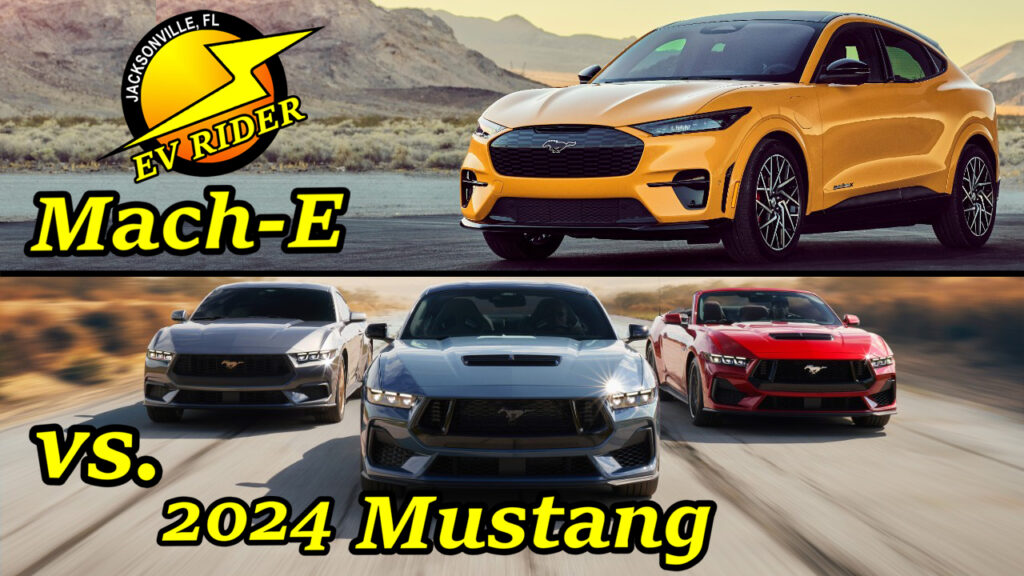
The Mustang Mach-E, meanwhile, carries a different vibe—less “practical first, ask questions later,” more “arrive, then grin.” Even when the Mach-E is parked, it looks like it’s mid-gesture. The proportions often feel more performance-minded, and the overall design language brings a sporty urgency that can make you want to take the longer route just to justify the smile.
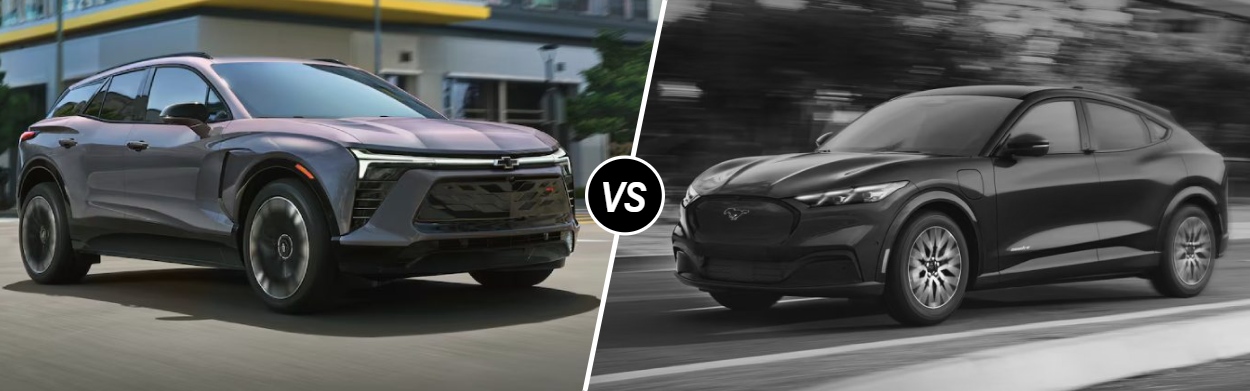
And now the fun challenge: if you had to choose based on first impressions alone—no specs, no test drive—which one would you pick in under ten seconds? That reaction often predicts how you’ll feel once the road starts talking back.
Powertrain Character: How They Feel When the Light Turns Green
At the heart of the showdown is character. EVs can be mechanically quiet, yet emotionally loud—because torque doesn’t knock; it simply arrives. The Blazer EV tends to feel composed and purposeful, with acceleration that reads as smooth authority. It’s the kind of response that suits commuting and family duty without making the cabin feel tense or overexcited.
The Mach-E often plays the role of the more animated co-pilot. Its personality can feel more eager, more responsive, more ready to turn “normal driving” into “I didn’t plan that detour.” For many drivers, that difference isn’t about raw numbers—it’s about how quickly the vehicle translates your intent into motion and how confidently it holds that energy.
For the weekend challenge, try this: take both vehicles on the same on-ramp. Note not just how fast they accelerate, but how predictable that acceleration feels. Predictability is underrated. It turns thrills into control.
Ride Quality and Handling: Comfort’s Edge vs. Athletic Poise
Comfort is the quiet metric that decides whether an EV becomes a daily companion. The Blazer EV aims for a balanced ride—absorbing surface imperfections while maintaining stability. It often feels tuned for real roads: patched asphalt, imperfect lane markings, and the occasional surprise pothole that appears like a plot twist.
The Mach-E typically leans into sportier dynamics. Even when driven gently, it can communicate a firmer, more engaged feel. That can be fantastic on twisty routes, but it also means the ride might emphasize driver connection more than lounge-like tranquility.
Challenge move: do a “broken-road ballet.” Drive over the same set of rough patches with each vehicle. Then compare cabin quietness and steering calmness. If one SUV makes the road feel less intrusive, it may earn the long-trip crown.
Interior Atmosphere: Tech, Space, and the Daily Livability Test
The interior is where most EV owners either fall in love—or start making excuses. The Blazer EV generally emphasizes a practical, comfortable layout. Controls tend to feel intuitive, and the cabin often reads as designed for the rhythms of normal life: grocery runs, school drop-offs, weekend gear, and spontaneous errands that weren’t on the calendar five minutes ago.
The Mach-E brings a tech-forward vibe that can feel more driver-centric. Its interface style and overall cabin energy often aim to keep you engaged—less “commuter cockpit,” more “digital dashboard theater.” Depending on trim and configuration, the Mach-E can feel like it’s constantly offering small moments of delight.
But space is more than legroom. It’s about usable volume, cargo shape, seat practicality, and whether you can store a week’s worth of stuff without rearranging like a furniture magician. During the weekend challenge, pack both SUVs with identical items—then check how quickly you can load and unload.
Range Reality and Efficiency: Who’s More Consistent When the Weather Changes?
Range is the question everyone asks, and it’s also the question that can’t be answered with one number. Real-world driving depends on speed, temperature, terrain, traffic patterns, and even tire choice. The Blazer EV typically aims for efficient everyday consumption, especially when driven smoothly. When temperatures are mild and your routes are predictable, it can feel pleasantly reassuring.
The Mach-E often balances efficiency with spirited capability. If you drive with a light foot, it can feel impressively competent. If you drive like you’re trying to win an invisible race, consumption climbs—but some drivers prefer that honesty: you’ll feel the connection between your choices and the outcome.
For a credible challenge, pick a route with hills and one with a steady highway pace. Compare estimated remaining range at the start and the end—then discuss how the guesswork felt. Consistency can be more valuable than peak performance.
Charging Experience: The Sanity Test for Road Trips
Charging isn’t just about speed—it’s about friction. The Blazer EV is designed for mainstream charging life, making it easier to plan trips without turning every stop into a technical scavenger hunt. Its charging experience should feel predictable and user-friendly, especially when you’re relying on common charging networks.
The Mach-E often earns respect for its charging ecosystem and the way many drivers report a seamless routine once they’re familiar with the process. In practice, the real differentiator tends to be how quickly you can find chargers, whether the experience feels intuitive, and how comfortably you can integrate charging stops into your travel rhythm.
Challenge question: if your weekend includes a spontaneous detour—would you feel confident charging without panic? That’s the metric that matters most when you’re not looking at spreadsheets.
Safety, Driver Assistance, and Confidence: A Calm Mind Behind the Wheel
EV driving can feel surprisingly relaxing, but only if the safety systems behave predictably. The Blazer EV is built to support daily confidence—helping drivers stay centered, aware, and less fatigued during repetitive highway stretches. A good driver-assistance setup should reduce workload, not create new distractions.
The Mach-E also focuses on safety technology and assist features that aim to keep journeys smooth. The goal is similar: clarity, consistency, and minimal “phantom interventions” that make you second-guess what the car will do next.
For the challenge, try a night highway segment. Pay attention to lane-keeping calmness, braking smoothness in traffic, and whether alerts feel helpful rather than nagging. Confidence is a feeling, not a checkbox.
Which One Wins the Weekend Challenge?
So, who wins: the Blazer EV or the Mach-E? The answer depends on your priorities—your lifestyle, your route patterns, and your idea of fun. The Blazer EV often shines as a balanced, everyday-forward SUV that can still deliver enjoyable torque without turning the ride into a constant adrenaline loop.
The Mach-E, in contrast, often appeals to drivers who want their EV to feel more spirited and identity-rich. It can make ordinary drives feel a little more theatrical, like the road is part of the performance.
Here’s the playful twist to conclude: instead of asking which SUV is “better,” ask which one makes you drive more often. The car that nudges you toward more adventures—more detours, more trips, more late-night errands for the pure joy of it—usually earns the crown.
Final Thoughts: Your EV Story Starts Here
The 2026 Chevrolet Blazer EV and the Mustang Mach-E both belong on the same shortlist for modern electric SUVs, but they tell different stories. One leans into versatile comfort and practical confidence. The other amplifies sporty character and tech energy.
Now it’s your turn. Choose the vehicle that matches your daily rhythm—and then accept the challenge: swap drivers, run the same route, and write down what you felt. In the end, the best EV isn’t the one with the most bravado. It’s the one that makes you believe the next drive will be worth it.