The Ford Mustang Mach-E has electrified the automotive world, blending the iconic Mustang legacy with cutting-edge electric performance. But when the rubber meets the road—specifically, the open highway—how does this electric crossover truly perform? Real-world highway range is where electric vehicles often face their sternest test, and the Mustang Mach-E is no exception. Unlike the controlled environments of EPA test cycles, highways demand sustained high speeds, variable traffic, and the relentless pull of aerodynamic drag. This is where the Mach-E’s efficiency, battery endurance, and thermal management systems are pushed to their limits. For drivers considering the switch to electric, understanding the Mach-E’s real-world highway range isn’t just informative—it’s essential. Whether you’re planning a cross-country road trip or simply commuting on the interstate, knowing what to expect can make the difference between seamless travel and unexpected detours to a charging station.
The Mustang Mach-E’s highway range isn’t a static figure; it’s a dynamic story shaped by driving habits, ambient conditions, and vehicle configuration. From the Long Range AWD model’s 300-mile claim to the GT’s sportier but thirstier personality, each variant tells a different tale of energy consumption and endurance. But numbers on a spec sheet only tell part of the story. Real-world testing reveals nuances—how regenerative braking behaves at 70 mph, how cabin climate settings sap battery life, and how subtle changes in elevation or wind resistance can alter range by dozens of miles. This article dives deep into the Mach-E’s highway performance, exploring the factors that influence range, comparing real-world data to official estimates, and offering practical insights for drivers who demand both thrill and efficiency on the open road.
The Anatomy of Highway Range: What Drains the Mach-E’s Battery?
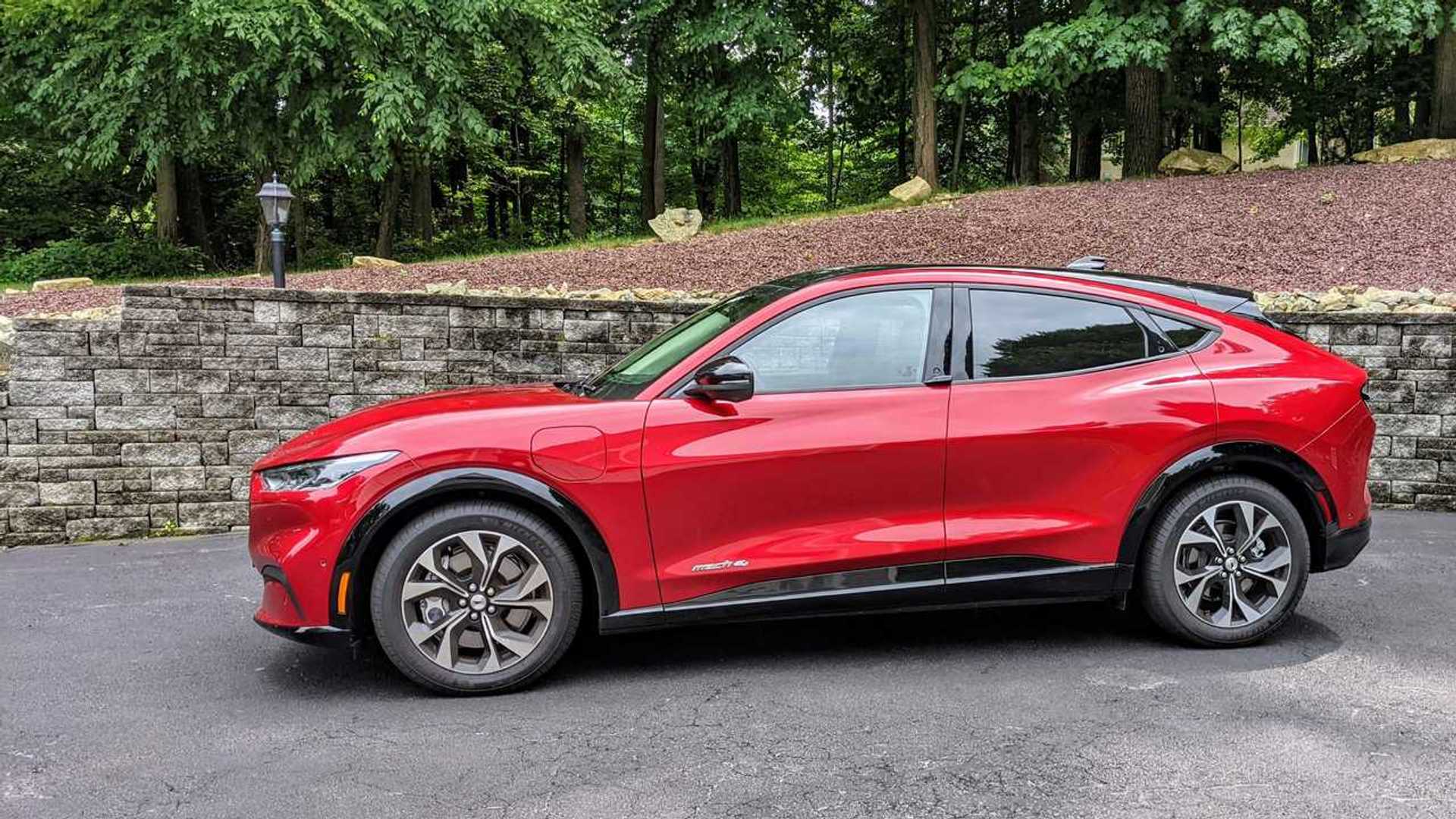
The Mustang Mach-E’s highway range is a delicate balance between power delivery and energy conservation. Unlike city driving, where stop-and-go traffic allows for frequent regenerative braking, highway cruising demands a steady flow of energy to maintain speed. At velocities of 65–80 mph, aerodynamic drag becomes the Mach-E’s most voracious energy consumer, increasing exponentially with speed. The crossover’s sleek, coupe-like roofline and flush door handles help mitigate this drag, but the laws of physics remain unforgiving. Wind resistance isn’t just a matter of speed; it’s also influenced by crosswinds, road camber, and even the presence of a roof rack or cargo box.
Another critical factor is the vehicle’s thermal management system. The Mach-E’s battery pack, nestled low and wide for optimal weight distribution, relies on liquid cooling to maintain optimal operating temperatures. On hot days, the air conditioning system works overtime to keep the cabin comfortable, sapping power from the battery. Conversely, cold weather reduces battery efficiency, slowing chemical reactions within the cells and increasing resistance. The Mach-E’s pre-conditioning feature, which allows drivers to heat or cool the battery and cabin while still plugged in, can mitigate some of these losses—but only if used strategically. Even the act of charging at high speeds generates heat, which the system must dissipate to prevent degradation.
The Mach-E’s drivetrain configuration plays a pivotal role in highway range. The Long Range AWD model, with its dual-motor setup, offers all-weather capability and spirited acceleration but consumes more energy than the rear-wheel-drive variant. The GT, with its 480 horsepower and aggressive tuning, is even more demanding, prioritizing performance over efficiency. Even within the same model, tire choice can make a difference: low-rolling-resistance tires improve range but may compromise wet-weather grip, while performance-oriented rubber sacrifices efficiency for cornering prowess. Understanding these trade-offs is key to maximizing the Mach-E’s highway range without sacrificing the driving experience that makes it so compelling.

Real-World Testing: How Far Can the Mach-E Truly Go?
Official EPA range estimates provide a useful benchmark, but real-world testing often tells a more nuanced story. In controlled highway tests, the Long Range AWD Mach-E typically delivers between 250 and 280 miles at a steady 70 mph, depending on ambient conditions and driving style. This represents a 20–30% reduction from the EPA’s 300-mile estimate, a gap that widens in colder weather or when auxiliary systems like heated seats or high-powered stereo are in use. The rear-wheel-drive Long Range model fares slightly better, often achieving 270–300 miles under similar conditions, thanks to its lighter drivetrain and reduced energy consumption.
For the Mach-E GT, the story is more dramatic. EPA estimates peg its range at 250 miles, but real-world testing at highway speeds frequently yields results in the 180–220 mile range. The GT’s larger battery pack and higher power output create more heat, which the thermal management system must counteract, further draining the battery. Aggressive driving—such as frequent overtakes or maintaining speeds above 80 mph—can push the GT’s range below 170 miles, making charging stops a necessity on longer trips. Even the standard-range Mach-E, with its 247-mile EPA estimate, struggles to exceed 200 miles in highway conditions, highlighting the challenges of balancing performance and efficiency.
Seasonal variations introduce another layer of complexity. In summer, the Mach-E’s range can drop by 10–15% due to air conditioning demands, while winter conditions may reduce range by up to 30% because of battery chemistry slowdowns and increased cabin heating requirements. Drivers in regions with extreme temperatures must plan accordingly, factoring in additional charging stops or adjusting their routes to avoid prolonged exposure to harsh conditions. The Mach-E’s regenerative braking system, which recovers energy during deceleration, is less effective at highway speeds, further limiting its ability to offset energy losses.
One of the most surprising findings from real-world testing is the Mach-E’s sensitivity to payload. Carrying additional weight—whether from passengers, cargo, or aftermarket modifications—can reduce range by 5–10 miles per 100 pounds. This is particularly relevant for families or road trippers who pack heavily for long journeys. Even the act of towing, which the Mach-E is capable of with the optional tow package, can slash range by 30–40%, rendering it impractical for anything but short trips. Understanding these limitations helps drivers make informed decisions about when and how to use their Mach-E on the highway.
Maximizing Range: Tips and Tricks for Highway Drivers
Driving the Mustang Mach-E efficiently on the highway isn’t just about pressing the accelerator—it’s about mastering a series of small, strategic choices that collectively add up to significant energy savings. The first and most impactful adjustment is speed. Reducing your cruising speed from 80 mph to 65 mph can improve range by 15–20%, thanks to the exponential relationship between speed and aerodynamic drag. While this may not be practical for every driver, even a modest reduction to 70 mph can yield noticeable gains. Using the Mach-E’s adaptive cruise control, which maintains a consistent speed and minimizes unnecessary acceleration, can also help smooth out energy consumption.
Another critical factor is pre-conditioning. The Mach-E’s battery and cabin can be pre-heated or pre-cooled while still plugged in, reducing the energy drain once you’re on the road. This is especially valuable in extreme temperatures, where the difference between a pre-conditioned and unprepared battery can be 10–15 miles of range. Drivers should also take advantage of the Mach-E’s scheduled departure feature, which allows the vehicle to begin preconditioning at a set time, ensuring the battery and cabin are at optimal temperatures when you’re ready to drive.
Regenerative braking, while less effective at highway speeds, still plays a role in energy recovery. The Mach-E offers multiple levels of regenerative braking, from minimal (one-pedal driving) to aggressive (simulating engine braking). On the highway, selecting a lower level of regeneration can reduce unnecessary drag, while still allowing the system to recover energy during light deceleration or when coasting downhill. Drivers should also avoid unnecessary use of the brake pedal, as this bypasses the regenerative system entirely. Instead, rely on the Mach-E’s smooth deceleration to maintain momentum and preserve battery life.
Tire maintenance is another often-overlooked aspect of range optimization. Underinflated tires increase rolling resistance, which directly impacts energy consumption. The Mach-E’s recommended tire pressure should be checked regularly, especially before long trips. Additionally, using the Eco mode, which adjusts throttle response and climate control settings for maximum efficiency, can yield 5–10 miles of additional range in highway conditions. While this mode may feel sluggish to enthusiasts, it’s a valuable tool for drivers prioritizing range over performance.
Finally, route planning can make a substantial difference. Using apps like PlugShare or Ford’s built-in navigation system to identify charging stations along your route can prevent range anxiety and allow for more efficient charging stops. On long trips, it’s often better to charge at a slower, Level 2 station for 30–45 minutes to top off the battery, rather than rushing to a fast-charging station where the high power draw can degrade the battery over time. Drivers should also account for elevation changes, as climbing hills or mountains can temporarily reduce range by 10–20%, depending on the gradient.

Beyond the Numbers: The Mach-E’s Highway Experience
While range figures are important, they don’t capture the full essence of driving the Mustang Mach-E on the highway. The Mach-E’s instant torque delivery transforms overtaking maneuvers into effortless surges of power, making highway driving feel responsive and engaging. The vehicle’s low center of gravity, courtesy of the battery pack’s placement, enhances stability and cornering confidence, even at high speeds. The quiet cabin, insulated from wind and road noise, creates a serene environment where conversations flow naturally and music sounds crisp.
The Mach-E’s infotainment system, with its responsive touchscreen and voice-activated controls, keeps drivers connected without distracting from the road. Features like Ford’s BlueCruise hands-free driving, available on select trims, allow for relaxed highway cruising on compatible roads, further reducing driver fatigue. The vehicle’s adaptive dampers, when equipped, smooth out imperfections in the road, making long stretches of highway feel more like a luxury sedan than an electric crossover.
Yet, the Mach-E’s highway experience isn’t without its quirks. The regenerative braking system, while effective in city driving, can feel abrupt at highway speeds, especially when transitioning from acceleration to deceleration. Some drivers may find the steering feel overly light at high speeds, a byproduct of the Mach-E’s electric power steering system. The vehicle’s regenerative braking also lacks the tactile feedback of a traditional brake pedal, which can take some getting used to. These minor inconveniences, however, are outweighed by the Mach-E’s overall refinement and the sheer pleasure of driving an electric vehicle with Mustang DNA.
The Mach-E’s highway presence is also a conversation starter. Its bold design, with the iconic Mustang grille and sleek fastback roofline, turns heads at every rest stop and charging station. The vehicle’s low stance and wide track give it a planted, athletic appearance, while the illuminated front grille adds a touch of futuristic flair. For many drivers, the Mach-E isn’t just a means of transportation—it’s a statement of intent, a declaration that electric vehicles can be both practical and exhilarating.
Charging Infrastructure: The Highway’s Lifeline
The Mustang Mach-E’s real-world highway range is only as good as the charging infrastructure that supports it. While the U.S. has made significant strides in expanding its network of fast-charging stations, gaps still remain, particularly in rural areas and along less-traveled routes. The Mach-E’s maximum DC fast-charging rate of 150 kW means that even on the fastest chargers, a 10–80% charge can take 35–45 minutes—a far cry from the five-minute fill-up of a gasoline car. This reality demands a shift in mindset for electric vehicle drivers, who must plan their trips around charging stops rather than treating them as afterthoughts.
Ford’s BlueOval charging network, in partnership with Electrify America, provides a robust solution for Mach-E owners, offering over 12,000 fast-charging stations across the U.S. The network’s reliability and widespread coverage make it a dependable choice for long-distance travel. However, not all chargers are created equal. Some stations may be out of service, while others may not deliver the full 150 kW due to power-sharing or electrical limitations. Drivers should use apps like FordPass or PlugShare to verify charger availability and speeds before embarking on a trip.
The cost of fast charging is another consideration. While Electrify America’s pricing varies by state, the average cost per kWh is typically higher than home electricity rates, making fast charging an expensive proposition for frequent travelers. Some Mach-E owners opt for membership programs or credit cards that offer discounted charging rates, while others rely on free charging stations at hotels or shopping centers to minimize costs. Planning a route that includes a mix of fast and Level 2 charging can help balance time and expense, ensuring that the journey remains enjoyable rather than stressful.
Looking ahead, the expansion of Tesla’s Supercharger network to non-Tesla vehicles, including the Mustang Mach-E, promises to alleviate some of these challenges. With over 50,000 Superchargers globally, Tesla’s network offers unparalleled reliability and speed, though its integration with Ford’s vehicles remains in its early stages. As charging infrastructure continues to evolve, the Mach-E’s highway range limitations will become less of a concern, allowing drivers to embrace electric travel with confidence.

The Ford Mustang Mach-E’s real-world highway range is a story of compromise, innovation, and adaptation. It’s a vehicle that demands respect for its limitations while rewarding drivers with a driving experience that’s as thrilling as it is efficient. From the relentless pull of aerodynamic drag to the subtle dance of thermal management, every aspect of the Mach-E’s highway performance is a testament to the challenges and opportunities of electric travel. For those who embrace its nuances, the Mach-E offers a glimpse into the future of automotive travel—a future where sustainability and excitement coexist on every mile of the open road.
Whether you’re a daily commuter, a weekend adventurer, or a long-distance road tripper, the Mustang Mach-E proves that electric vehicles can deliver on both promise and performance. It’s not just about how far you can go—it’s about how much you can enjoy the journey. With the right knowledge, preparation, and mindset, the Mach-E transforms the highway from a test of endurance into a celebration of electric mobility. The road ahead is electric, and the Mustang Mach-E is leading the charge.