Ford vehicles are renowned for their durability and performance, but like any machine, they demand regular upkeep to stay in peak condition. Whether you’re a seasoned Ford owner or considering purchasing one, understanding maintenance costs is crucial for long-term financial planning. Maintenance expenses vary widely depending on the model, age, driving habits, and whether you opt for dealership services or independent mechanics. Below, we break down the key factors influencing Ford maintenance costs, what to expect for different models, and how to mitigate expenses without compromising quality.
The Hidden Variables That Shape Your Maintenance Budget
Maintenance costs aren’t one-size-fits-all. Several variables can inflate or deflate your annual expenses, often in ways that aren’t immediately obvious. The model year plays a pivotal role—newer Fords benefit from advanced engineering and longer warranty periods, while older models may require more frequent, costly repairs. Driving conditions also matter; stop-and-go city traffic accelerates wear on brakes and transmissions, while highway cruising is gentler on components. Even something as simple as your location can skew costs—urban areas with high labor rates will charge more for oil changes than rural service centers. Climate is another silent contributor; extreme heat or cold can degrade fluids faster, necessitating more frequent replacements. Ignoring these nuances is like navigating a storm without a compass—you’ll pay the price eventually.
Oil Changes: The Foundation of Longevity (and Your Wallet)
Oil changes are the most frequent maintenance task, yet their costs can vary dramatically. A conventional oil change for a Ford F-150 might set you back $50–$80 at a dealership, while independent shops could charge $35–$60. Synthetic oil, though pricier ($70–$120), extends drain intervals and protects your engine better, especially in high-performance models like the Mustang GT. Hybrid owners, like those with a Ford Escape Hybrid, often enjoy slightly lower oil change costs due to reduced engine strain. The key is consistency—skipping oil changes to save money is a false economy that leads to catastrophic engine failure. Think of it as a subscription service: pay a little now, or a fortune later.

Brake System: When Squeaks Turn Into Screams
Brakes are the unsung heroes of vehicle safety, but they’re also a maintenance hotspot. Front brake pads on a Ford Explorer typically last 30,000–70,000 miles, costing $150–$300 per axle to replace. Rear pads may last longer, but rotors often need resurfacing or replacement, adding $200–$500 to the bill. Performance models like the Ford Focus ST demand high-performance pads and rotors, pushing costs to $600–$1,200. The culprit? Aggressive driving habits. If you’re the type to ride your brakes downhill or ignore that telltale squeal, you’re essentially burning money. Proactive drivers can extend pad life by coasting to stops and avoiding abrupt braking, turning a potential $1,000 expense into a manageable $300 one.
Transmission Fluid: The Silent Cost Saver
Transmission fluid is the lifeblood of your Ford’s drivetrain, yet it’s often overlooked until shifting becomes sluggish or jerky. A transmission fluid flush for a Ford Fusion costs $150–$250 at a dealership, while independent shops may charge $100–$200. Synthetic fluid, recommended for heavy-duty models like the F-250 Super Duty, can run $250–$400 but prevents costly transmission rebuilds. The irony? Many drivers skip this service to save $100, only to face a $3,000+ transmission replacement down the line. If your Ford has a manual transmission, fluid changes are less frequent but equally critical—neglect them, and you’ll grind your way to an early grave.
Suspension and Steering: The Unseen Wear and Tear
Potholes, speed bumps, and rough roads conspire to degrade your Ford’s suspension system. Struts and shocks on a Ford Escape typically need replacement every 50,000–100,000 miles, costing $400–$1,200 per axle. Ball joints and tie rods add another $200–$600, while wheel bearings can surprise you with a $500–$1,000 repair if they seize. The signs are subtle at first—a clunk over bumps, vague steering feel—but ignoring them leads to uneven tire wear and compromised handling. Off-road enthusiasts with Fords like the Bronco should budget extra for heavy-duty suspension components, which can double the replacement costs. Regular alignments, costing $80–$150, are the unsung heroes here, ensuring your tires last longer and your ride stays smooth.
Electrical Gremlins: The Modern Maintenance Nightmare
Today’s Fords are packed with electronics, and that sophistication comes with a price. A dead battery in a Ford Mustang costs $150–$300 to replace, but hybrid models like the Escape Hybrid may require a specialized AGM battery ($250–$400). Sensor failures—common in turbocharged engines like the EcoBoost—can trigger check engine lights, with diagnostics running $100–$200 and repairs adding $300–$1,500. Even something as simple as a faulty window motor ($150–$300) can derail your day. The culprit? Moisture, vibration, and cheap aftermarket parts. Stick to OEM components and reputable mechanics to avoid these electrical headaches.
Preventative Maintenance: The Ultimate Cost-Cutter
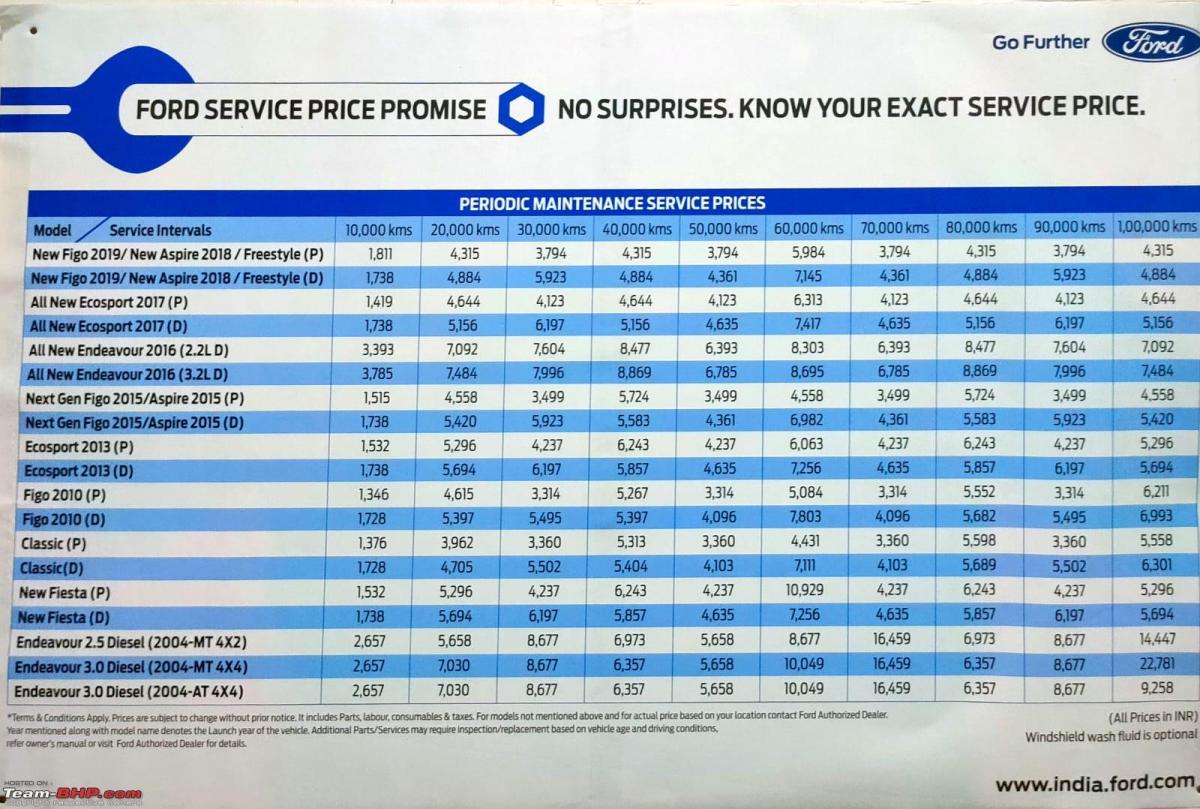
The adage “an ounce of prevention is worth a pound of cure” has never been truer for Ford maintenance. Following the factory-recommended service intervals—found in your owner’s manual—can save you thousands. For example, a $200 coolant flush every 100,000 miles prevents a $1,200 radiator replacement. Similarly, replacing a $30 air filter every 15,000 miles keeps your engine running efficiently, avoiding fuel economy drops that cost hundreds annually. Many drivers overlook these small tasks, only to face major repairs. Set reminders, track your mileage, and don’t procrastinate—your wallet will thank you.
DIY vs. Dealer: Where to Cut Costs Without Cutting Corners
For the mechanically inclined, DIY maintenance is a game-changer. Changing your own oil, air filters, or spark plugs can save $50–$150 per service. However, modern Fords often require specialized tools or software for tasks like resetting service lights or diagnosing issues, making dealer visits unavoidable for some repairs. Independent mechanics offer a middle ground—competent service at lower rates—but always vet them thoroughly. Ask for certifications, read reviews, and insist on OEM parts to avoid shoddy workmanship. The golden rule? If a repair seems too good to be true, it probably is.
The Bottom Line: Ford Maintenance as an Investment
Maintaining a Ford isn’t just about keeping it running—it’s about preserving its value and performance for years to come. Whether you’re driving a compact Fiesta or a heavy-duty F-350, the principles remain the same: prioritize preventative care, choose quality parts and service providers, and address issues early. The upfront costs may seem daunting, but they pale in comparison to the alternative—a neglected Ford that becomes a financial black hole. Treat your vehicle with the respect it deserves, and it will reward you with reliability, efficiency, and years of trouble-free motoring.
Remember, maintenance isn’t an expense—it’s an investment in your Ford’s future. Drive smart, service wisely, and your wallet will stay as healthy as your ride.