The winter season often brings with it an intriguing paradox for electric vehicle enthusiasts. Among all the specimens of modern innovation, the Ford F-150 Lightning stands out, captivating attention with its blend of brute strength and advanced electrification. It’s this very intersection—between rugged durability and cutting-edge technology—that fuels a fascination unlike any other. Yet, the cold months cast a long shadow over electric range performance, prompting a critical question: how does this electric powerhouse fare during the harsh realities of winter driving? The real-world winter range test of the Ford F-150 Lightning unravels this mystery with compelling insights and profound implications.
Winter driving: The unrelenting challenge for electric vehicles
Low temperatures are notoriously unkind to electric vehicle batteries. An oft-discussed phenomenon among EV drivers is the appreciable dip in driving range when the mercury plunges below freezing. This drop isn’t an inconvenience; it represents a fundamental limitation tied to battery chemistry. Cold temperatures retard the movement of lithium ions within the battery cells, resulting in diminished power output and slower charging speeds. Moreover, winter demands additional energy expenditures: cabin heating, defrosting systems, and even tire grip on snow-laden roads cumulatively drain precious battery reserves. These factors converge to create a perfect storm of range depletion, spotlighting the inherent challenges any winter EV journey involves.
The Ford F-150 Lightning’s design: Engineering for the extremes
The F-150 Lightning boasts a robust architecture, designed not only as a workhorse but also as an intelligent electric vehicle optimized for a variety of conditions. Beyond its sheer brawn, it incorporates thermal management systems specifically attuned to cold weather. Active battery heating mechanisms ensure the cells remain within an optimal temperature band, substantially mitigating winter’s sting. The truck’s intelligent HVAC system prioritizes efficient thermal distribution to maintain cabin comfort without excessive energy consumption. This meticulous attention to the interplay between powertrain efficiency and climate control elevates the Lightning from a simple electric pickup to a triumph of engineering finesse.
Real-world winter range: Expectations versus reality
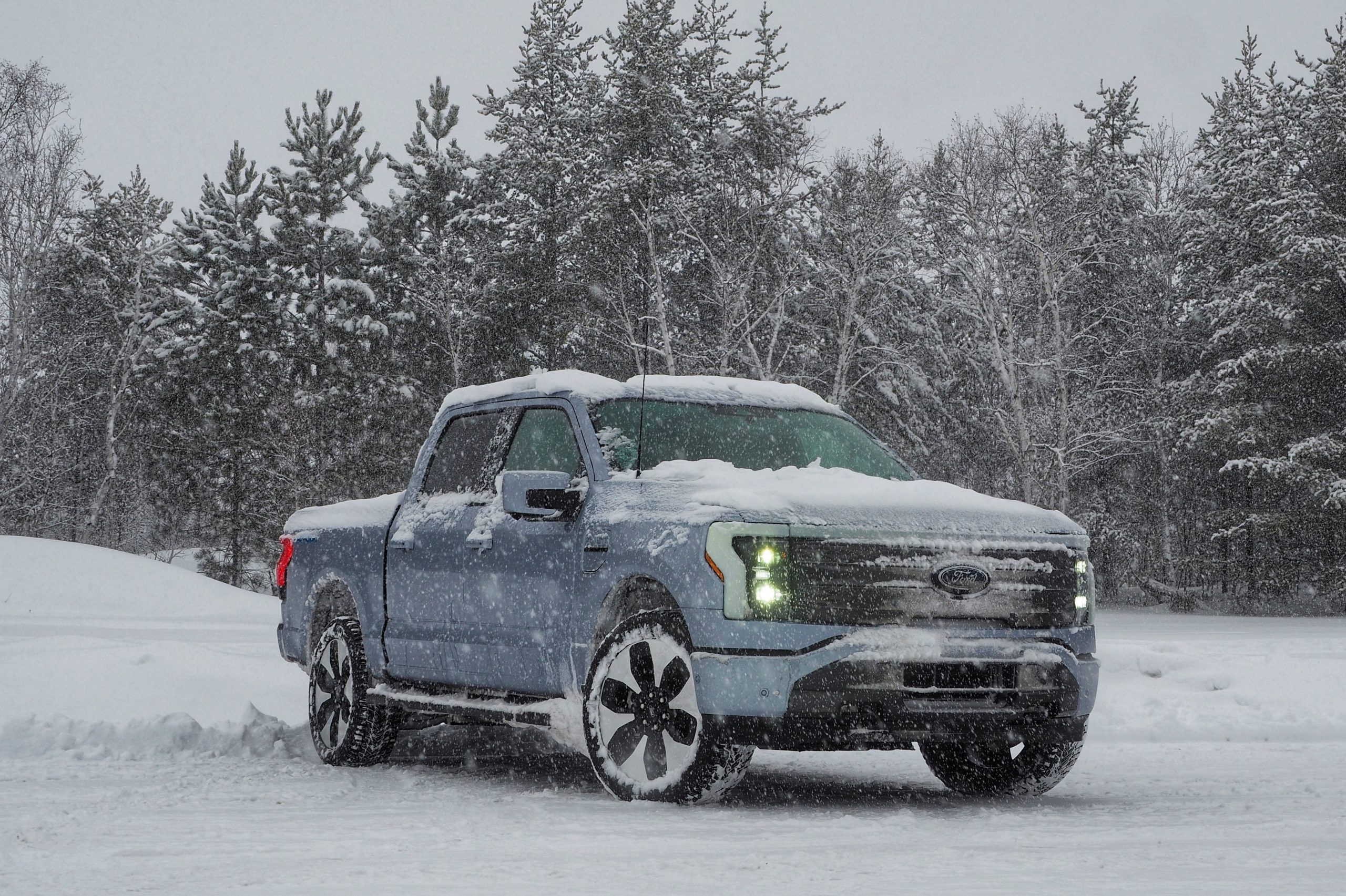
When subjected to rigorous winter trials, the Ford F-150 Lightning reflects both the challenges of the season and the strength of its design ingenuity. Average range reductions in freezing conditions hover around 20-30%, a figure consistent with other EVs yet distinguished by the F-150’s formidable battery capacity. While some critics might view this decline as a drawback, a deeper exploration reveals a story of resilience. The SUV-class battery packs, combined with adaptive driving strategies, enable respectable mileage despite adverse conditions.
Drivers find that preconditioning the cabin and battery before departure significantly aids in preserving range. This includes heating the vehicle while still connected to a power source, allowing the truck to start its journey in a thermally optimized state. Additionally, moderating acceleration and maintaining steady speeds on winter roads maximize energy efficiency. Such nuanced techniques highlight the symbiotic relationship between human adaptability and mechanical capability—underscoring why enthusiasts remain captivated by the Lightning’s winter prowess.
Maximizing the F-150 Lightning’s winter efficiency
Beyond inherent vehicle features, there are practical methods to extend winter range that savvy drivers embrace. Tire selection is paramount; winter-specific tires improve traction and reduce slip-induced inefficiencies that sap battery energy. Aerodynamics may seem secondary in a pickup’s design, but minimizing external add-ons like rooftop carriers or tonneau covers reduces drag factor, subtly aiding energy conservation.
Harnessing regenerative braking effectively during downhill stretches or stop-and-go traffic can recuperate energy otherwise wasted in friction braking, a technique especially valuable on icy or slippery surfaces. Moreover, integration with Ford’s software updates often yields incremental efficiency improvements and diagnostic insights, reinforcing a sense of continuous optimization in cold conditions.
Tackling the psychology of range anxiety in winter
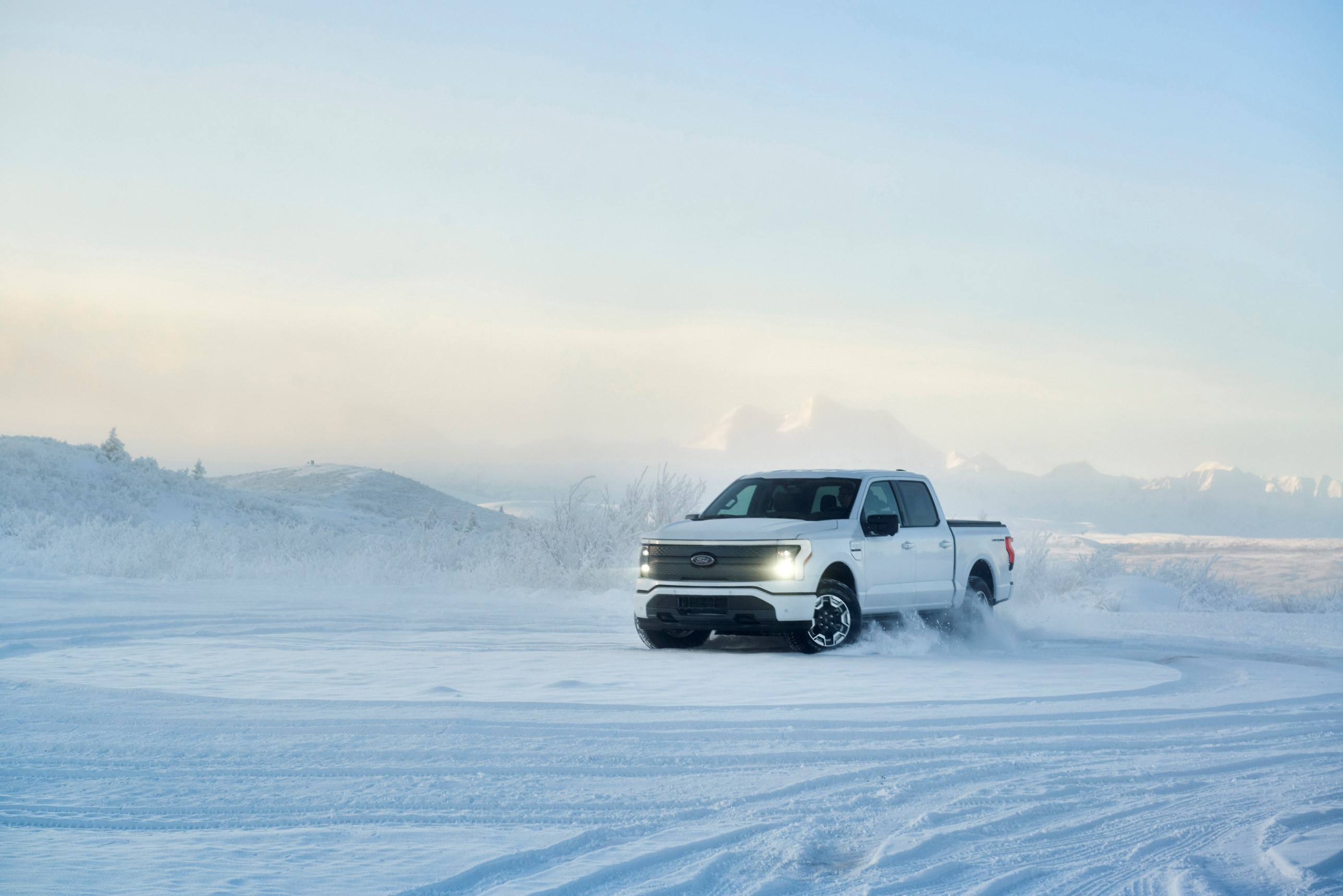
The notion of range anxiety—fear that the electric battery will run dry before reaching a destination—intensifies in winter. Yet, the Ford F-150 Lightning challenges this psychological barrier with its substantial battery capacity and accessible charging infrastructure. Many owners report a newfound confidence as they navigate icy highways and snowy back roads, buoyed by the vehicle’s reliable performance and smart range management.
This confidence is not mere bravado but is rooted in tangible design decisions that enable the Lightning to deliver predictability. Real-time range estimators, adaptive energy management, and comprehensive route planning tools reduce uncertainty. As drivers come to trust these systems, the once-daunting winter landscape transforms from a limitation to an invitation—an opportunity to explore without compromise.
The broader implications: What the Lightning’s winter performance signals
The Ford F-150 Lightning’s ability to maintain practical usability in cold conditions signifies more than just technical achievement—it heralds a pivotal moment for electric mobility at large. This truck’s winter range capabilities highlight how electrification can be harmonized with traditional automotive purposes, including labor-intensive, utilitarian roles historically reliant on fossil fuels.
By conquering winter’s harsh demands, the Lightning exemplifies progress toward mainstream adoption of electric trucks. It emboldens a vision where environmental consciousness and uncompromised utility coexist. The Lightning’s success provides empirical evidence dispelling myths about EV limitations and galvanizes consumer trust in electric vehicles’ dependability across all seasons.
Conclusion: The allure of the Ford F-150 Lightning in winter
Winter tests not only reveal the Ford F-150 Lightning’s technical mettle but also deepen the fascination it inspires. The cold weather serves as a crucible, distilling the truck’s promise into palpable performance. Each cold start, each mile conquered in snow and sleet, reaffirms the narrative of innovation overcoming nature’s obstacles.
In the end, the Lightning is more than an electric pickup; it is a symbol of resilience and a beacon pointing toward a future where electric vehicles thrive amid all environmental vicissitudes. For adventurers and pragmatists alike, witnessing its winter capabilities is an invitation to embrace newfound possibilities—full of enthusiasm, discovery, and a bold optimism for what electrified driving can achieve.