The Dodge Charger Coupe has long been a symbol of raw power, unapologetic aggression, and American automotive heritage. But what happens when you take that iconic silhouette and electrify it? The answer arrives in the form of the Dodge Charger Daytona EV—a machine that doesn’t just redefine muscle but reimagines it entirely. This isn’t just another electric vehicle; it’s a rebellion against convention, a fusion of nostalgia and innovation that dares to ask: *What if the future of performance wore a familiar face?* The Daytona EV doesn’t just promise speed; it whispers of a deeper transformation, one where the roar of a V8 is replaced by the silent, searing torque of an electric powertrain, yet the soul remains undeniably Dodge.
The Legacy Reimagined: From Gas Guzzler to Torque Monster
The Charger Coupe has always been more than a car—it’s a statement. For decades, it thundered down drag strips and cruised Main Street with a presence that demanded attention. Its long hood, sweeping roofline, and muscular stance were the visual embodiment of horsepower. But as the world shifts toward electrification, the question loomed: Could the Charger retain its identity when stripped of its internal combustion engine?
The Daytona EV answers with a resounding yes. Beneath its familiar skin lies a technological marvel. The electric powertrain doesn’t just replace the engine; it reinvents it. Instant torque, delivered with precision, means acceleration that leaves traditional muscle cars in its wake. The absence of a transmission isn’t a compromise—it’s a liberation. There are no gears to shift, no lag to endure. Just relentless, linear thrust that pins you to the seat with the same ferocity as a Hemi at full throttle.
Yet, the magic isn’t just in the numbers. It’s in the way the Daytona EV preserves the Charger’s essence. The growl of the exhaust is gone, but in its place is a synthesized symphony of electric whine and artificial engine notes—Dodge’s way of ensuring the Charger’s voice isn’t silenced. It’s a clever sleight of hand, a digital homage to the past that keeps the spirit alive while embracing the future.
Design: A Love Letter to the Past, a Blueprint for Tomorrow
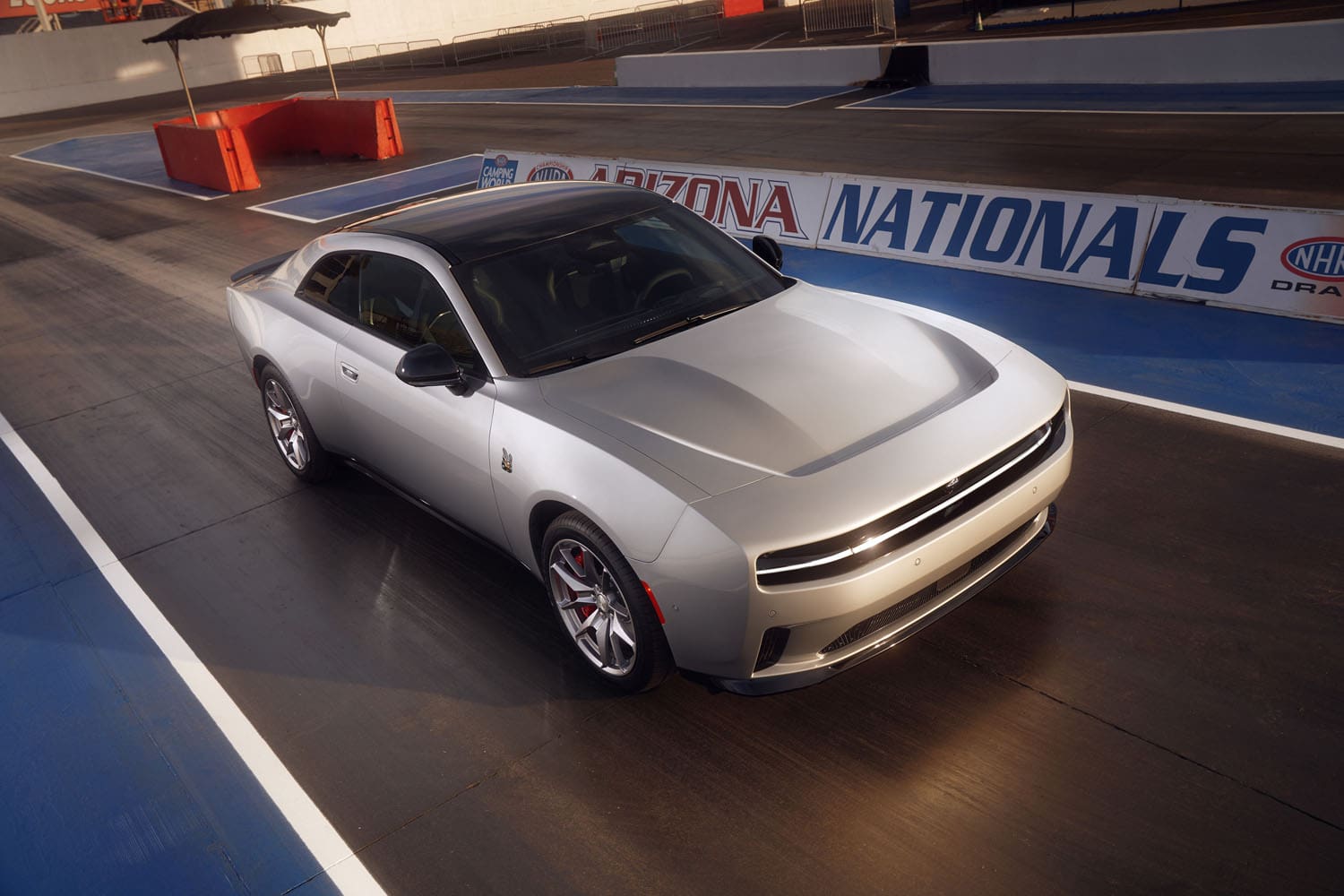
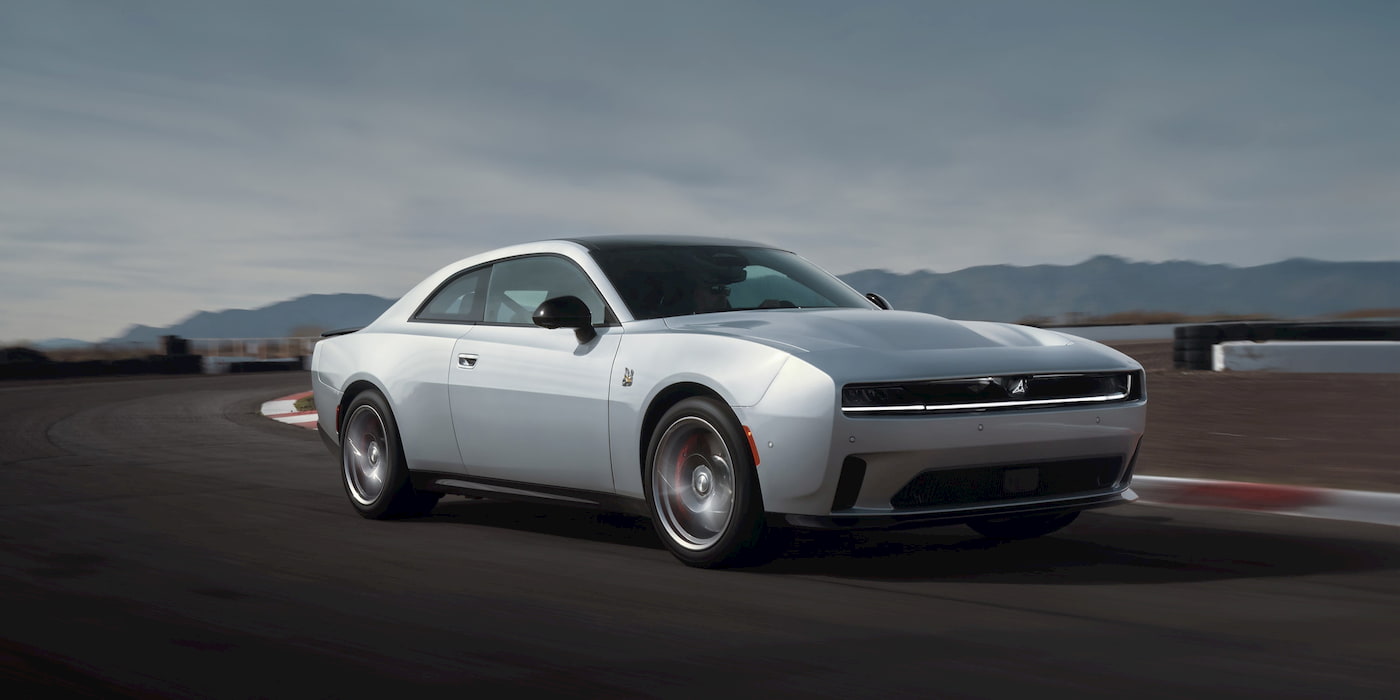
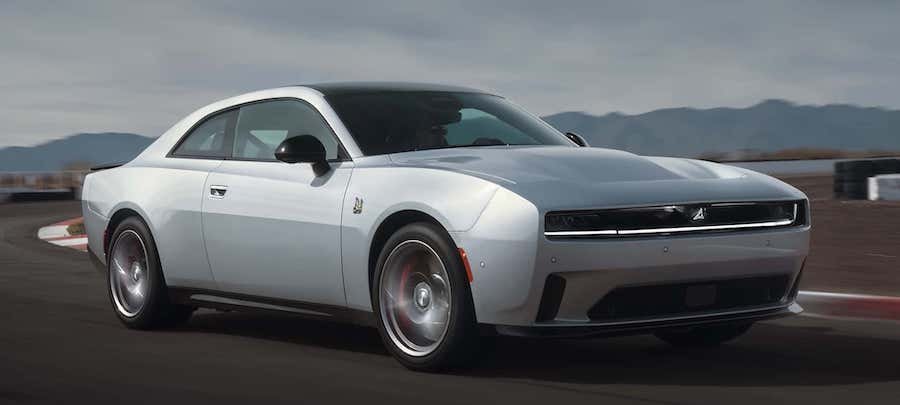
The Daytona EV’s design is a masterclass in contradiction. It’s unmistakably a Charger, yet it’s undeniably new. The long hood, the fastback roofline, the aggressive stance—all are there, but refined. The grille, once a gaping maw for air and ego, is now a sleek, closed-off panel, a nod to aerodynamics and efficiency. The headlights are sharp, angular, almost predatory, while the taillights stretch into a continuous LED strip, a signature of modern performance cars.
But the real intrigue lies in the details. The Daytona EV’s body lines are sculpted not just for aesthetics but for function. The aerodynamic optimizations aren’t just about range—they’re about stability at triple-digit speeds, about the way the car cuts through the air with surgical precision. The wheels, often an afterthought, are here a statement. They’re lightweight, forged, and designed to channel airflow, reducing drag while enhancing grip.
Then there’s the color palette. Dodge has always embraced bold hues, and the Daytona EV is no exception. From the classic “Stellapenta” (a deep metallic blue) to the electrifying “Frostbite Blue,” the car isn’t just a performer—it’s a canvas. The paint isn’t just a finish; it’s a declaration. It says, “I am here. I am electric. And I am still a Charger.”
The Heart of the Beast: Powertrain and Performance
Under the hood—or what used to be the hood—lies the Daytona EV’s beating heart: a dual-motor all-wheel-drive system paired with an 800-volt architecture. This isn’t just an electric car; it’s an electric supercar in disguise. The dual motors churn out a combined 620 horsepower and 650 lb-ft of torque, catapulting the Charger from 0 to 60 mph in under 3.5 seconds. That’s quicker than most supercars of the 1960s, and it does it without a single drop of gasoline.
The 800-volt system is the secret sauce. It enables ultra-fast charging, capable of adding 30 miles of range in just two minutes at a 350 kW charger. It’s the kind of tech that makes long road trips not just feasible but enjoyable. No more hours wasted at the pump. Just plug in, top up, and go—faster than ever before.
But performance isn’t just about straight-line speed. The Daytona EV’s handling is a revelation. The low center of gravity, thanks to the battery placement, means it corners with a precision that would make a Porsche engineer weep. The torque vectoring ensures that power is distributed not just to the wheels with the most grip, but to the wheels that need it most. It’s a dance of electrons and engineering, a ballet of balance and brute force.
And then there’s the driving experience. The silence is eerie at first, but it’s quickly replaced by a sense of anticipation. The acceleration is so smooth, so seamless, that it feels like the car is pulling you forward rather than pushing you. It’s a reminder that sometimes, the most powerful machines don’t make a sound.
The Psychology of the Electric Muscle Car: Why It Works
There’s a common observation that electric vehicles lack the soul of their internal combustion counterparts. Purists argue that the visceral thrill of a V8’s exhaust note, the tactile feedback of a gear shift, the raw, unfiltered power of a naturally aspirated engine—these are irreplaceable. But the Daytona EV challenges that notion. It doesn’t just replace the soul; it redefines it.
The fascination with the Daytona EV isn’t just about speed or technology. It’s about the idea of progress without sacrifice. It’s about the notion that you can have your cake and eat it too—that you can drive a car that’s cleaner, quieter, and more efficient, yet still embodies the spirit of the machines that came before it. The Daytona EV is proof that the future doesn’t have to be a compromise. It can be an evolution.
There’s also something deeply psychological about the shift to electric muscle. For generations, the Charger was a symbol of rebellion, of freedom, of the open road. The Daytona EV carries that torch forward, but with a new kind of rebellion—one that defies the status quo, that challenges the idea that performance must come at the cost of the environment. It’s a middle finger to the naysayers, a wink to the enthusiasts who thought electric cars could never be fun.
And let’s not forget the cultural shift. The Daytona EV isn’t just a car; it’s a statement. It’s a middle finger to the idea that electric vehicles are slow, boring, or soulless. It’s a reminder that innovation doesn’t have to mean sacrificing what you love. It’s a love letter to the past, written with the tools of the future.
The Road Ahead: What’s Next for the Charger and EV Muscle
The Daytona EV is more than a one-off experiment. It’s a glimpse into the future of Dodge, of muscle cars, and of performance as a whole. The automotive world is changing, and the Charger is leading the charge—literally. With the Daytona EV, Dodge isn’t just entering the electric era; it’s redefining what it means to be a muscle car in that era.
But the journey is just beginning. The Daytona EV is a statement, but it’s also a promise. A promise that the next generation of Chargers will be faster, smarter, and more capable than ever before. A promise that electric muscle cars aren’t just a niche—they’re the future. And a promise that Dodge isn’t just keeping up with the times; it’s setting the pace.
The road ahead is electrifying. Literally. And the Charger Daytona EV is the first mile marker on that journey—a mile marker that says, “Hold on tight. It’s going to be a wild ride.”
The Dodge Charger Coupe has always been a paradox—a machine that embodied both the raw, untamed power of American engineering and the cultural shifts of its time. The Daytona EV takes that paradox and amplifies it, turning the Charger into a symbol of what’s possible when tradition meets innovation. It’s a car that doesn’t just look to the future; it drags the future into the present, kicking and screaming. And in doing so, it reminds us that the most iconic machines aren’t just defined by what they are, but by what they represent—a relentless pursuit of greatness, no matter the path. The Charger’s legacy isn’t just preserved in the Daytona EV; it’s reimagined, reinvented, and ready for the next chapter. The road ahead is electric. And it’s glorious.