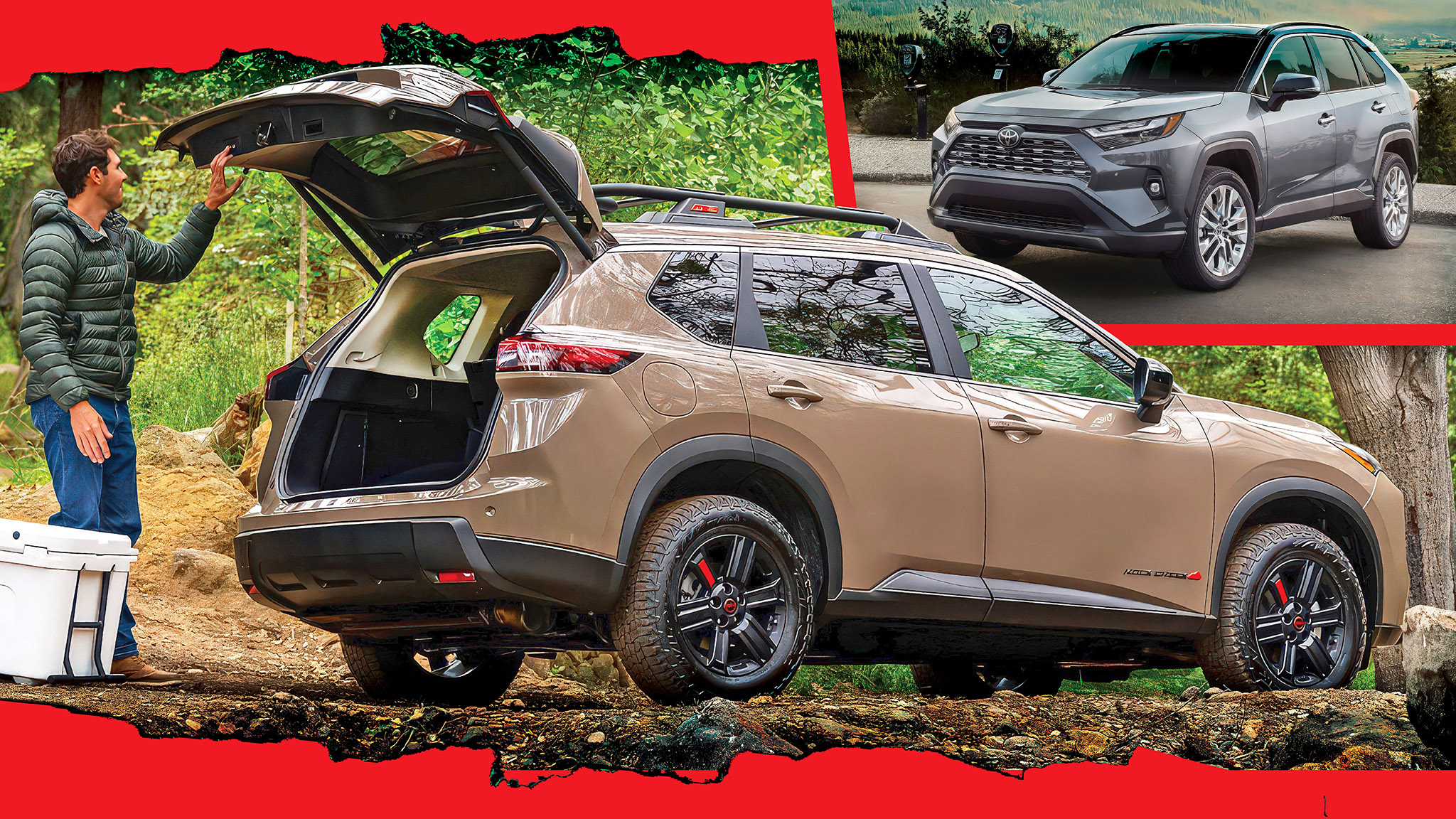
There’s a peculiar moment that happens before every road trip: the second you lift the trunk lid and realize you’ve brought exactly enough—except, of course, you didn’t. A jacket that wasn’t on the list. A box of snacks that somehow becomes a small supply chain. The cooler that always arrives, even when you swear it won’t. That’s why “cargo space” isn’t just a specification. It’s a promise—quiet, practical, and quietly capable of changing how you plan your life.
Compact SUVs sell convenience with a grin, but the most compelling ones do something more subtle: they convert space into possibility. The best cargo space doesn’t merely hold luggage; it rearranges expectations. It suggests that your weekend won’t be a negotiation with straps, and your groceries won’t become a Tetris audition. So let’s shift perspective. Instead of asking, “How many cubic feet?” let’s ask what your week actually carries—and which compact SUVs treat that cargo like it matters.
Why a “luggage test” is a different kind of truth
Numbers can be elegant, but luggage tests are visceral. A measurement tells you the geometry of a container. A luggage test reveals the usability of that geometry. Because real packing isn’t static—it’s an active choreography. Bags compress. Handles snag. Corners create dead zones. Floors slope in ways that can bully a suitcase into awkward angles.
In a luggage test, the vehicle becomes a stage. The cargo area isn’t evaluated in theory; it’s evaluated while it’s being challenged. You’re not just loading. You’re experimenting with the way your belongings want to sit. That’s where the “best cargo space” contenders start to separate themselves from the crowd.
The illusion of space: when cubic feet don’t feel generous
Some compact SUVs advertise generous cargo capacity, yet the space can feel oddly restrictive. The villain is often shape. A wide opening with a narrow base invites disappointment. A flat floor that isn’t truly flat forces bags to lean. Thick cargo barriers steal volume without announcing themselves.
There’s also the matter of thresholds. If the lip of the cargo opening is tall, loading becomes a minor expedition. And if the rear opening is narrow, maneuvering becomes slower, clumsier, and—unfortunately—more stressful. You don’t just want space. You want space that behaves.
In other words: the most useful cargo capacity is the kind that feels intuitive, not merely ample.
What “best cargo” really means for everyday packing
Cargo space isn’t only about vacations. The daily version is smaller but more frequent: gym gear, work files, weekend produce, a child’s bag that appears unannounced. The question becomes: can the SUV absorb variety?
The best cargo space flexes. It allows soft duffels to be stacked without turning into a collapsed heap. It gives suitcases enough room to remain upright when you want them that way. It also accommodates irregular items—like a stroller folded at the last second, or a toolkit that demands a place to exist without being squeezed.
When cargo space is truly optimized, it turns the act of packing into a calmer ritual. Even the short trips start to feel less like logistics and more like motion.
How cargo width, depth, and height create “real volume”
Real usability is built from three dimensions that don’t always match the official figures. Cargo width determines how comfortably you can place two bags side by side without forcing them into contortions. Cargo depth affects whether items can lie flat or whether they’re pushed forward toward the seatbacks, narrowing access to the rear opening.
Height matters too. A higher cargo floor can reduce vertical headroom for tall bags, while low floors may make loading easier but reduce the ability to keep items neatly stacked. The best compact SUVs balance these factors so your cargo is not only stored, but arranged.
It’s the difference between stuffing and staging.
Loading mechanics: the hinge moment you feel every time
There’s a sensory quality to a great cargo area. The rear opening height sets the tone for lifting. The opening width determines how smoothly bags slide in. The presence—or absence—of protruding wheel arches changes whether a suitcase can sit naturally or becomes trapped between curves.
Some SUVs provide a cargo opening that invites quick loading. Others create a narrow doorway that makes every bag feel heavier. This is where luggage tests shine: they reveal friction points you’d never notice in a brochure. A vehicle can be “capable” and still feel inconvenient. The best cargo space is the kind that reduces friction to nearly zero.
Wheel wells and the architecture of awkwardness
Wheel wells are often treated like a footnote. In real packing, they’re more like stubborn roommates. They reduce flat space and can interfere with how you place large luggage. When wheel wells are pronounced, the cargo floor becomes a patchwork of usable and unusable zones.
However, the best designs treat wheel wells as an organizing opportunity rather than a limitation. They shape the cargo area into predictable lanes for bags. That predictability matters. You’re less likely to shuffle items repeatedly because the space seems to guide your packing choices.
Curiously, the SUV that “wins” the practical luggage test isn’t always the one with the biggest published number. It’s usually the one that makes the shape feel forgiving.
Seatbacks, folding, and the art of expanding space
Most compact SUVs offer rear seats that fold, but the quality of that transformation varies widely. The best cargo space solutions don’t just create more volume; they create a smoother transition. A seatback that folds flat without gaps helps prevent bags from tipping or snagging.
Think of it as the difference between a well-made drawer and a drawer that sticks. When the cargo area forms a unified plane, packing becomes easier and larger items become less of a puzzle. If you travel with a mix of luggage and gear, that matters.
Even short errands can benefit. A folded seatback can accommodate bulky items—like a set of tools, a long box, or that unexpectedly oversized online purchase—without turning the cabin into a temporary storage unit.
Real-world convenience: tie-downs, hooks, and stability
Cargo space is only half the equation; stability is the other half. Tie-down points and cargo hooks can transform chaos into order. They give bags something to hold onto, especially when braking, cornering, or hitting an uneven road.
A practical cargo area also includes the right texture and friction. If bags slide too easily, you end up with shifting contents and a subtle sense of loss—like everything is slowly migrating toward a break point.
In luggage tests, these details reveal themselves. The best SUV cargo areas don’t just “fit.” They stay put.
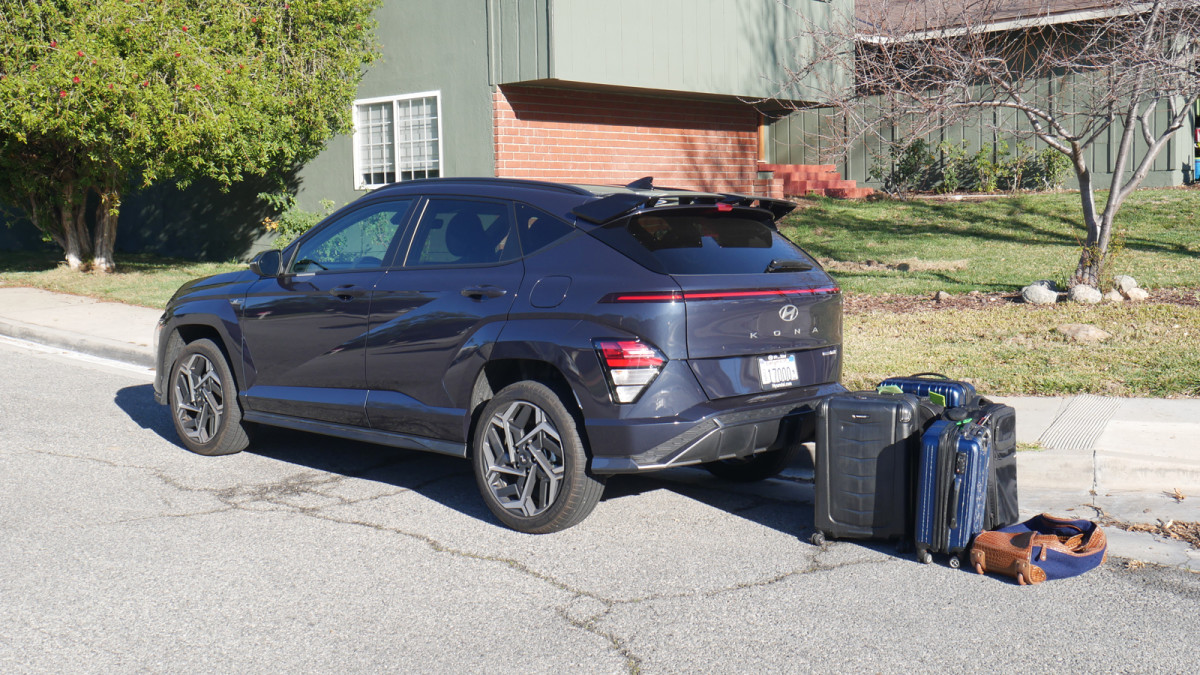
Case study: the Hyundai Kona luggage test mindset
Some compact SUVs are compact in the way that feels clever rather than cramped. The luggage test approach highlights whether that cleverness translates into actual usability. When you load a vehicle with real suitcases, you’re not just checking size—you’re checking behavior: whether bags settle cleanly, whether handles snag on the opening, and whether the cargo floor provides a stable landing.
A well-executed luggage test can show how quickly packing becomes painless—or how quickly you start rethinking your method. When an SUV manages to accommodate luggage without forcing awkward compromises, it earns a kind of confidence. You begin to believe the trip will unfold smoothly.
How to choose: what to look for before buying
When shopping for compact SUVs with the best cargo space, don’t stop at headline numbers. Instead, look for signals of usability. Check whether the cargo floor height suits your lifting routine. Evaluate the opening width and the ease of sliding luggage in. Examine the shape around the wheel wells. Consider whether seat folding creates a flatter, more continuous cargo surface.
Also think about your packing style. Do you travel with upright suitcases or soft bags? Are you a “stack it once” person or a “rearrange until it looks perfect” person? The SUV that fits your personality is often the same one that fits your luggage.
Curiosity can be a shopping superpower here. If a vehicle seems slightly awkward in person, it probably becomes more awkward when you’re carrying two bags and your hands are full.
Bottom line: cargo space is a feeling before it’s a figure
The most impressive compact SUVs don’t just maximize volume—they maximize ease. They convert a trunk into a reliable vault for your belongings, one that makes loading and stability feel effortless. That’s what a luggage test reveals: not just what the SUV can carry, but how it carries your expectations.
So, before you decide based on specs alone, imagine the moment you lift the lid. Imagine the suitcase gliding into place. Imagine the day after—when you return and everything still fits back into the same workable order. The best cargo space doesn’t demand adaptation. It invites you to pack like you already know it will work.
In the end, the right compact SUV turns logistics into momentum. And once you feel that shift, it becomes hard to go back.