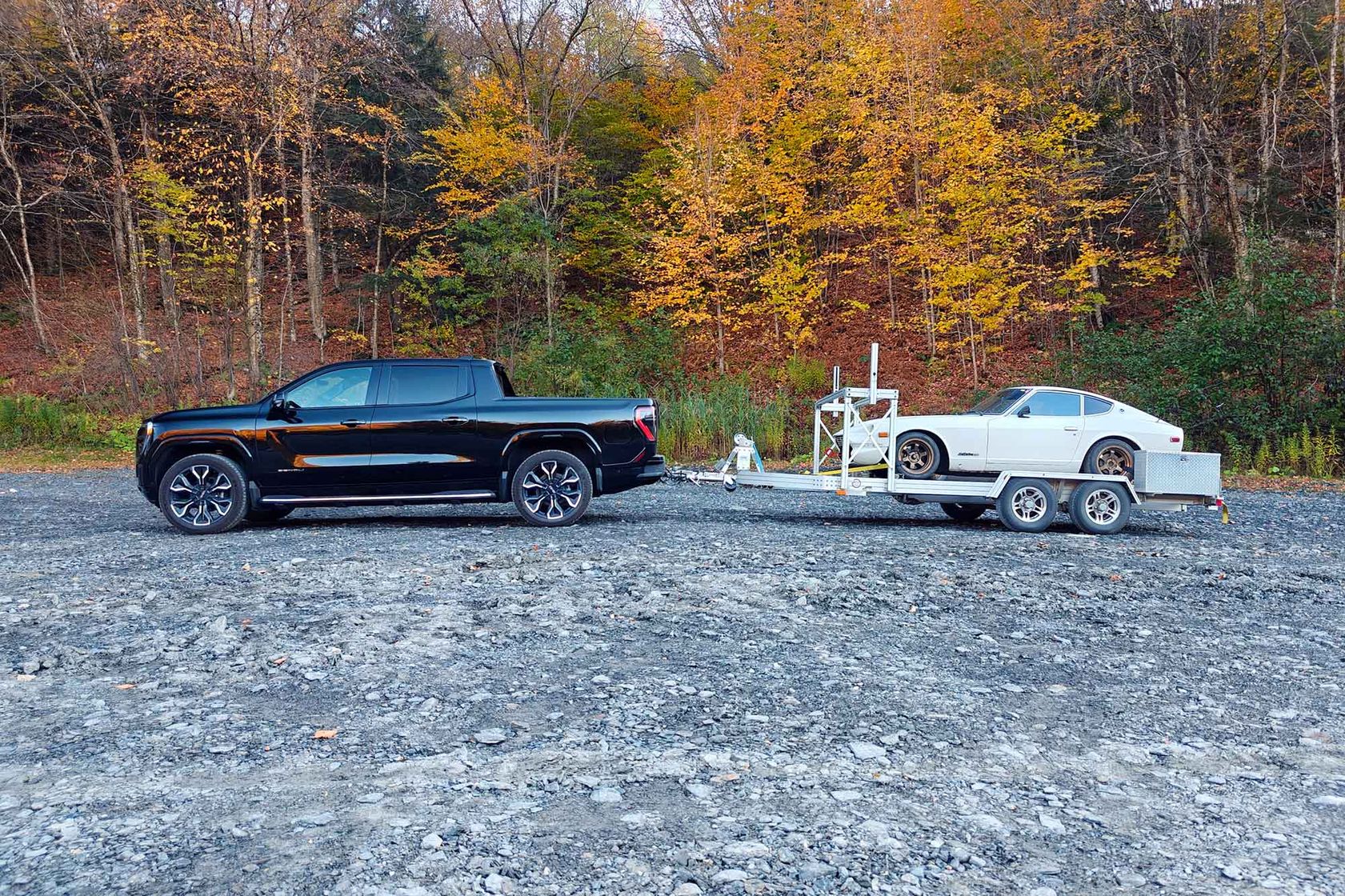
Can an electric truck truly handle the herculean task of towing heavy loads while maintaining an impressive range? As we cruise closer to 2026, the electric truck landscape is evolving rapidly, challenging longstanding myths about electric vehicles and their capabilities. The era where EVs were merely city cruisers is fading; what stands before us now is a lineup of electric workhorses capable of towing massive trailers without leaving you stranded miles from your destination.
The New Frontier: Range-Extender EV Trucks Revolutionizing Towing
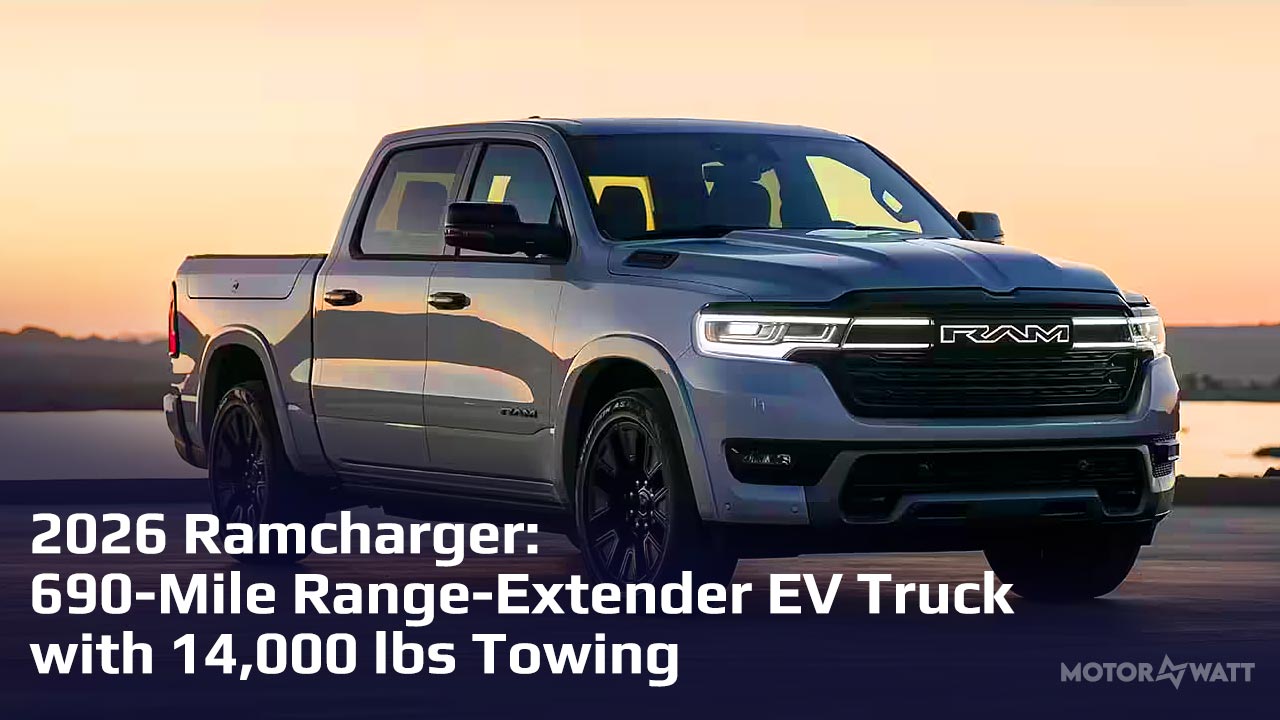
One of the most fascinating breakthroughs in 2026 electric trucks is the advent of range-extender technology. Take, for instance, the upcoming 2026 Ramcharger. This beast doesn’t just promise; it delivers an astonishing 690-mile range — a figure that sends a ripple of excitement through the towing community. How does it manage such endurance? By integrating a range-extender system that seamlessly supplements the battery pack with a compact combustion engine running as a generator. This hybrid approach ingeniously mitigates range anxiety, especially when hauling heavy loads that traditionally drain batteries swiftly.
Imagine you’re on a rugged terrain or a long highway haul. Unlike traditional EVs, the Ramcharger’s supple powertrain ensures that your journey remains uninterrupted, even as you tow trailers weighing up to an impressive 14,000 lbs. This combination of extraordinary range and massive towing capacity isn’t just impressive on paper — it’s a game-changer that redefines what’s possible with electric trucks.
Battery Capacity Meets Torque: The Battle to Balance Power and Range
When it comes to towing, torque reigns supreme. Electric motors excel here, delivering instant torque for a seamless towing experience. However, the challenge has always been balancing power output with efficient battery consumption during heavy hauling. Truck manufacturers have tackled this by designing larger battery packs combined with intelligent thermal management systems.
For example, electric trucks destined for 2026 boast battery capacities upwards of 200 kWh, a quantum leap compared to earlier models. This allows trucks to sustain prolonged periods of high power draw. Such advancements are critical because towing puts continuous stress on the battery, draining it faster than normal driving conditions. To counteract this, modern electric trucks employ regenerative braking systems and enhanced aerodynamics to preserve energy on long hauls.
The Tesla Semi: A Benchmark in Heavy-Duty Electric Hauling
Speaking of pioneering electric trucks, the Tesla Semi demands attention. It embodies what many consider the upward trend in electric heavy-duty hauling. This truck doesn’t just haul; it rewrites the book on efficiency with a range tailored to the demands of freight transport. Its battery technology and electric motors come together to balance torque and endurance, ensuring a consistent, reliable pull over long distances.
The Tesla Semi aims to cover hundreds of miles with full payloads, incorporating futuristic features like advanced autopilot for safer, less fatiguing drives. Its design is optimized to slink through the air, reducing drag and further stretching battery life—a crucial factor when every mile counts.
Charging Infrastructure: The Silent Backbone of Towing Reliability
A robust electric truck is only as good as the infrastructure supporting it. One might wonder: how viable is towing with an EV if fast charging stations are sparse, or charging takes hours? The good news is that 2026 marks a significant expansion in EV fast-charging networks, particularly along major highways and freight corridors.
Rapid DC fast chargers now commonly provide high-capacity outputs enabling electric trucks to regain up to 80% charge in under 30 minutes. This turnaround time aligns well with driver rest breaks and loading stops, smoothing out what once was a glaring bottleneck for commercial EVs. Moreover, some trucks come equipped with bidirectional charging capabilities, allowing them to support auxiliary loads or even feed power back into the grid during downtime.
Real-World Hauling: How Electric Trucks Perform Under Pressure
Numbers are important, but real-world performance tells the true story. Early adopters of electric trucks report smooth, silent tow experiences that contrast sharply with the rumbling noise and vibration typical of diesel monsters. The immediate throttle response of electric motors provides superior control when maneuvering heavy trailers, enhancing both safety and driver confidence.
However, towing efficiency varies depending on factors such as terrain, payload weight, and driving style. For example, hill climbs demand more energy and reduce range, emphasizing the importance of intelligent power management systems embedded in these new trucks. These systems dynamically adjust motor output, battery consumption, and regenerative braking to optimize range without sacrificing towing strength.
Looking Ahead: What 2026 Holds for Electric Towing Titans
As battery technologies continue to evolve—embracing solid-state chemistries and faster charging materials—the future of electric towing vehicles sparkles with promise. The blend of raw power, expanded range, and expanding charging infrastructure spells a forthcoming era where diesel’s dominance wanes significantly. Electric trucks in 2026 are not merely green alternatives; they are the epitome of efficiency and brute strength combined.
What once seemed implausible—combining ultra-long-range with hefty towing capability—is now the frontier being crossed. Whether you’re a commercial fleet operator or a weekend warrior towing a hefty trailer, these upcoming EVs are tailored to meet real, demanding needs.
In summation, the best 2026 electric trucks for towing fuse innovative battery technology, powerful torque delivery, and smart infrastructure connectivity. They empower drivers to haul heavier loads farther than ever before, challenging us to rethink towing altogether. The question now is not if, but how quickly will the electric revolution haul you into the future of towing.