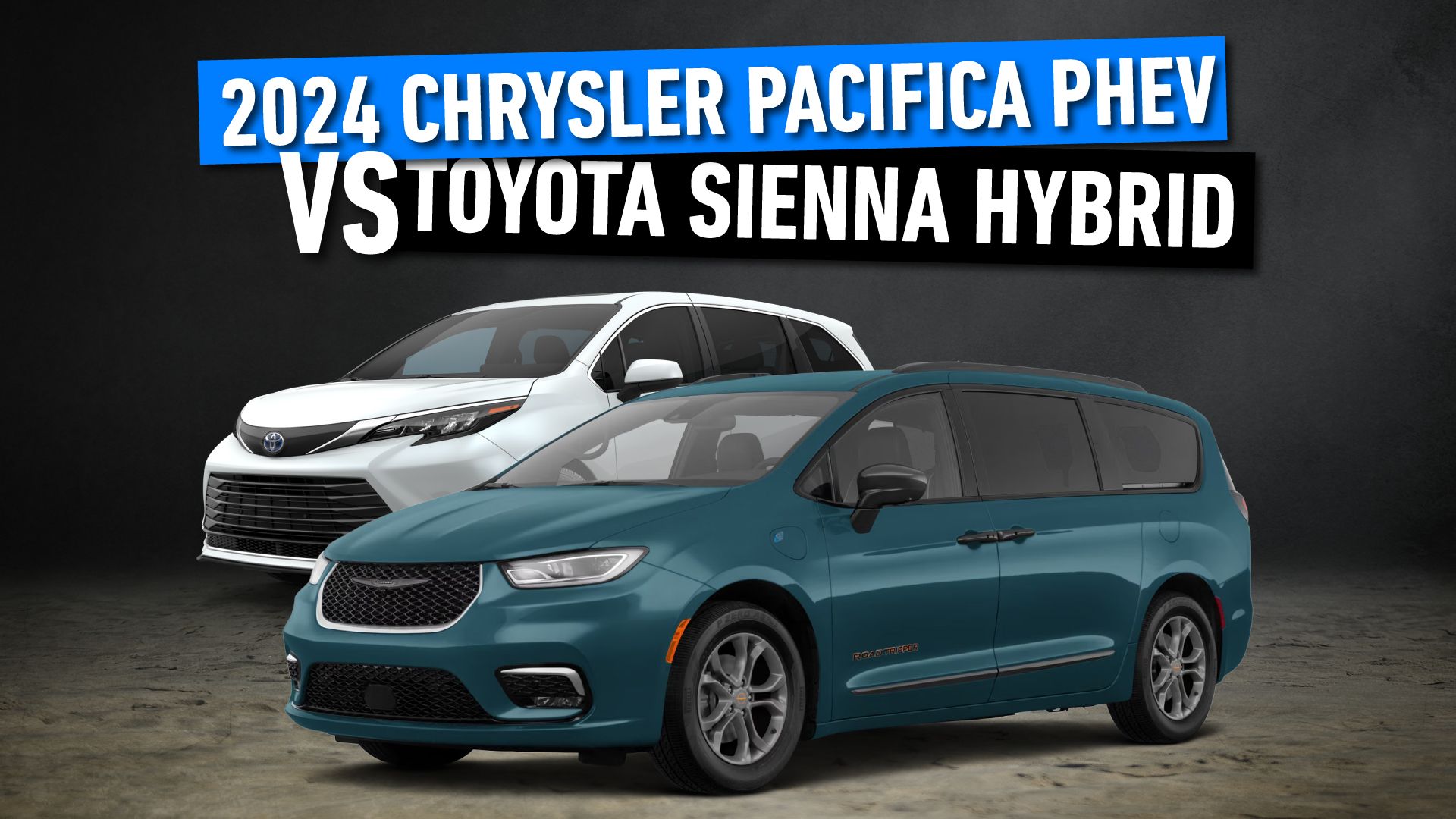
Picture this: You’re standing in a minivan dealership, keys jingling in your pocket, kids’ car seats already installed in the back, and a faint scent of crayons lingering in the air. The salesperson slides two keys across the counter—one for the Chrysler Pacifica PHEV, the other for the Toyota Sienna Hybrid. Both promise fuel efficiency, family-friendly space, and a greener conscience. But which one truly deserves your driveway? Let’s dive into a spirited duel of electrified haulers and see which hybrid minivan reigns supreme.
The Great Green Minivan Showdown: Why This Battle Matters
The modern family wagon isn’t just about cup holders anymore—it’s about carbon footprints, charging convenience, and whether your minivan can moonlight as a road trip EV. With gas prices flirting with triple digits and eco-conscious parents demanding more from their daily drivers, the plug-in hybrid minivan has emerged as the unsung hero of suburban mobility. But here’s the twist: not all hybrids are created equal. The Pacifica PHEV and Sienna Hybrid represent two distinct philosophies—one leans into American muscle and tech-forward convenience, the other into Toyota’s legendary reliability and hybrid mastery. Which path will you take?
Powertrain Prowess: How These Minivans Sip Fuel Like Fine Wine
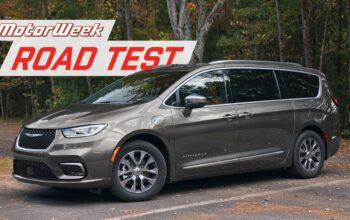
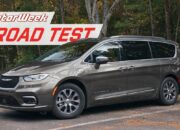
The heart of this duel beats in their powertrains. The Chrysler Pacifica PHEV wields a 3.6L V6 paired with a 16kWh battery, delivering a combined 32 miles of all-electric range before the gas engine kicks in. That’s enough for most school runs, grocery hauls, and soccer practice circuits without burning a drop of fuel. Once the battery depletes, the 260-horsepower V6 ensures you’re never left stranded, sipping gas at a modest 30 MPG combined.
Enter the Toyota Sienna Hybrid, a masterclass in hybrid synergy. With no plug-in option, it relies entirely on its 2.5L 4-cylinder engine mated to three electric motors, churning out a system total of 245 horsepower. While it lacks the Pacifica’s electric-only sprint, its Intelligent AWD and seamless hybrid transitions make it a whisper-quiet companion on the highway. Expect around 36 MPG combined—impressive, but not quite as efficient in daily electric use.
So, who wins the fuel efficiency face-off? If your daily commute is short and sweet, the Pacifica PHEV’s electric range gives it a clear edge. But if you’re logging highway miles and prioritize long-term reliability, the Sienna’s hybrid system shines.

Charging vs. Refueling: The Convenience Conundrum
Here’s where the Pacifica PHEV flexes its modern muscles. With a full charge taking about 2 hours on a Level 2 charger, you can wake up to a “full tank” every morning. No more detours to gas stations—just plug in at home and let the electrons do the work. The Sienna Hybrid, meanwhile, treats you to the simplicity of traditional refueling. No charging cables, no range anxiety—just pull up to any pump and go. For families with unpredictable schedules or limited garage space, this could be a dealbreaker.
But let’s not ignore the elephant in the room: charging infrastructure. If you’re one of the 60% of Americans without a garage, the Pacifica’s plug-in advantage dwindles. The Sienna’s no-fuss approach suddenly feels like a lifeline. So, ask yourself: Are you ready to become a charging station connoisseur, or do you prefer the reliability of a gas cap?
Space, Seating, and Stowage: The Family Hauler Throwdown
Both minivans are cavernous, but they cater to different family philosophies. The Pacifica PHEV offers up to 3,284 liters of cargo space with seats folded—enough to swallow a small apartment’s worth of toys, strollers, and forgotten soccer cleats. The Sienna Hybrid counters with 3,330 liters, plus its signature super-long sliding doors that make third-row access a breeze for even the clumsiest of adults.
Seating comfort is another battlefield. The Pacifica’s second-row “Stow ‘n Go” seats vanish into the floor, transforming the cabin into a cargo fortress or a limo-like lounge. The Sienna’s second-row ottoman seats slide and recline, offering a more premium feel but less cargo flexibility. If you’re a road-trip family that values space over luxury, the Pacifica’s got the upper hand. But if you prioritize comfort and ease of entry, the Sienna’s buttery-smooth ride might just sway you.
Tech and Toys: Which Minivan is the Ultimate Digital Playground?
The Pacifica PHEV’s Uconnect 5 system is a tech titan, boasting a 10.1-inch touchscreen, wireless Apple CarPlay/Android Auto, and enough USB ports to charge a small village. Add in the available family organizer app that lets you track fuel levels, charging status, and even set up geofenced reminders to plug in, and you’ve got a minivan that’s basically a smartphone on wheels.
The Sienna Hybrid counters with Toyota’s Safety Sense 2.5+ suite, featuring blind-spot monitoring with rear cross-traffic alert and a 9-inch touchscreen with wireless connectivity. While it lacks the Pacifica’s flashy app integrations, its suite of advanced driver aids makes it a fortress of safety. For parents who prioritize accident avoidance over digital distractions, the Sienna’s tech stack is a silent guardian.
The Cost Conundrum: Sticker Shock vs. Long-Term Savings
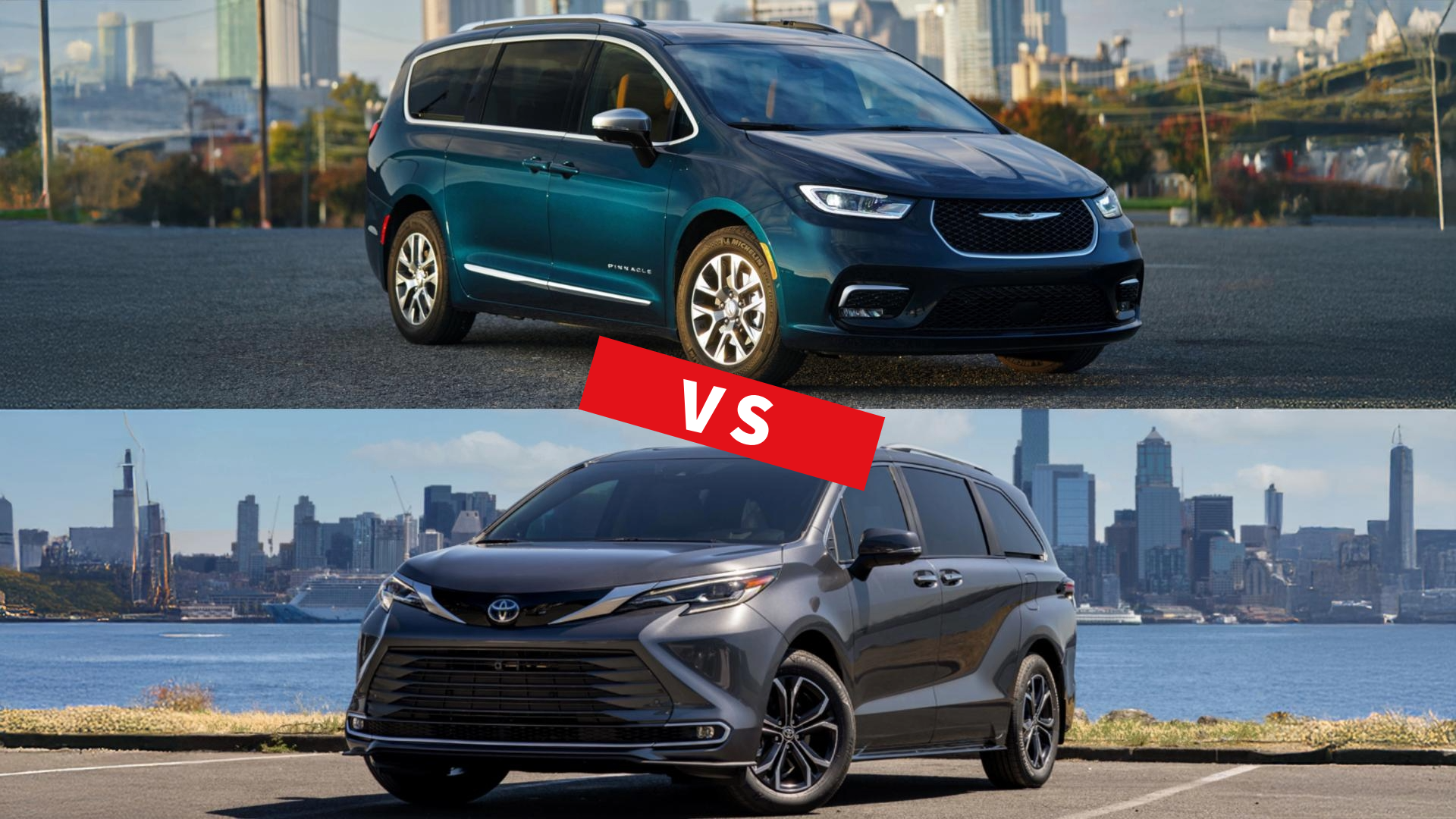
Let’s talk numbers. The Pacifica PHEV starts around $52,000, while the Sienna Hybrid begins at $38,000. The price gap is significant, but so are the savings. Over five years, the Pacifica’s electric range could save you hundreds—if not thousands—in fuel costs, assuming you charge regularly. The Sienna’s hybrid efficiency is commendable, but its lack of plug-in capability means you’ll still be visiting the pump more often.
Factor in incentives, too. The Pacifica PHEV qualifies for a federal tax credit of up to $7,500, while the Sienna Hybrid does not. State-level rebates can also tip the scales. So, while the Pacifica demands more upfront, its long-term value proposition is undeniable—for the right driver.
Final Verdict: Which Minivan Earns a Spot in Your Garage?
If you’re a plug-in purist who lives within spitting distance of a charging station and dreams of a morning ritual where your minivan is always “full,” the Chrysler Pacifica PHEV is your chariot. It’s the minivan for the tech-savvy, the eco-conscious, and the parent who refuses to compromise on space or innovation.
But if you’re a reliability realist who values simplicity, safety, and Toyota’s bulletproof reputation, the Sienna Hybrid is the undisputed champion. It won’t win any drag races, but it’ll get you to soccer practice and back—quietly, efficiently, and with minimal fuss.
So, which path will you choose? The Pacifica’s electric siren song or the Sienna’s hybrid hymn of dependability? One thing’s for sure: the era of the boring minivan is over. The future of family hauling is here—and it’s greener, smarter, and more stylish than ever.