The Chevrolet Tahoe has always carried a particular kind of confidence—one that feels less like marketing and more like American habit. It’s the vehicle you picture when the calendar fills with tailgates, road trips, and the steady choreography of everyday life—school runs in the morning, dinner reservations by evening, and then the open highway unfolding like a promise. The Tahoe Review—American Icon Updated—doesn’t simply ask whether it’s still relevant. It asks how it has evolved, where it has refined its manners, and what it now offers to drivers who want comfort without compromise, capability without theatrics, and presence without apology.
In this review, readers will find a tour of the Tahoe’s character—from exterior design and interior atmosphere to powertrain options, technology ergonomics, safety architecture, and the realities of towing and ownership. It’s a comprehensive look, but it stays grounded in the experiences that matter: visibility, ride quality, usefulness of space, and the way the vehicle feels when the road turns unpredictable.
Design and Road Presence: Familiar, Yet Sharpened
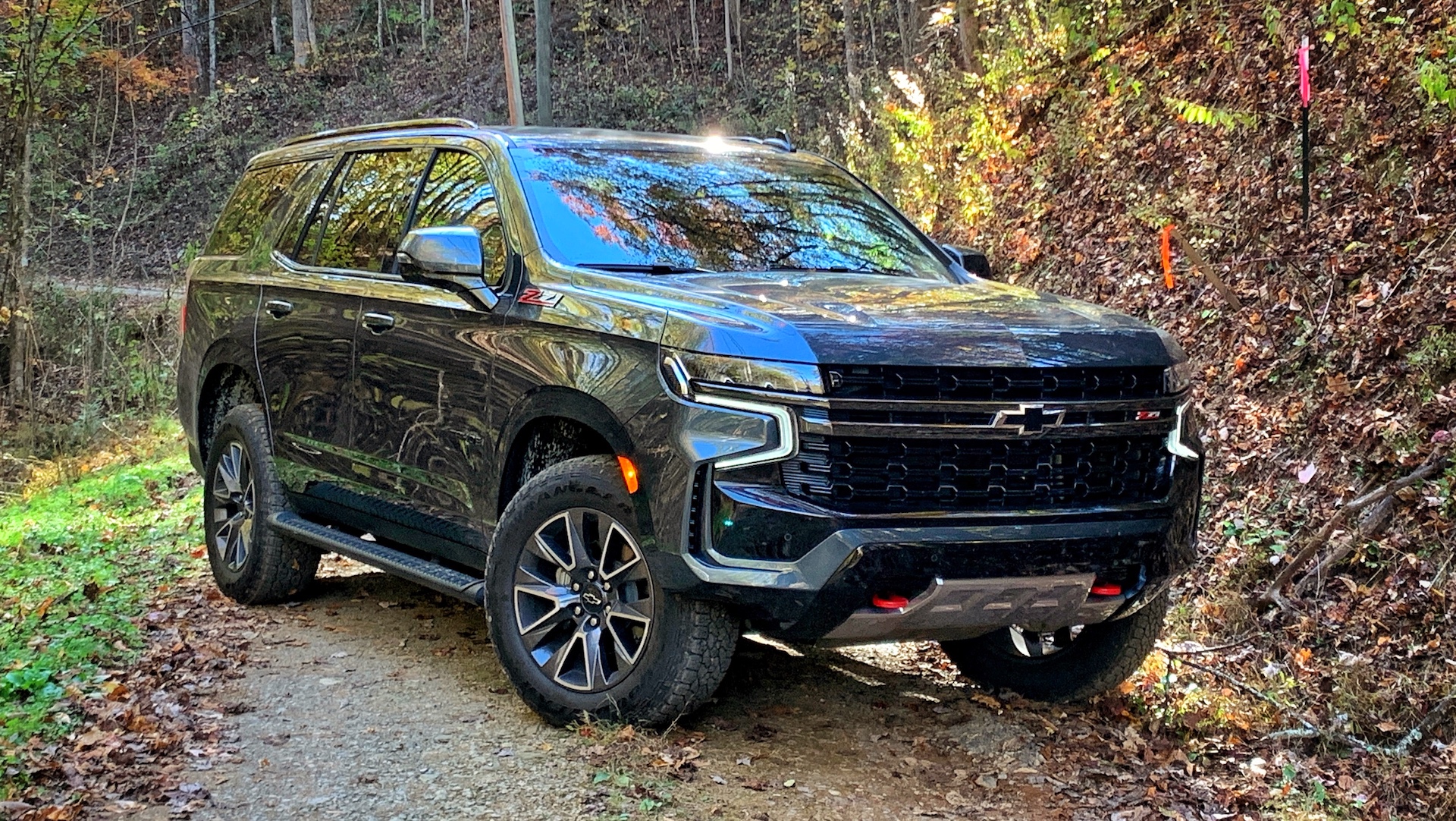
The first impression arrives quickly. The Tahoe retains its full-size stature, but its details feel more purposeful—cleaner lines, more confident front-end styling, and a stance that suggests readiness rather than mere size. The grille and lighting arrangement work together like a visual handshake, communicating authority without being aggressive for the sake of aggression.
Step closer and the design reveals its layered craftsmanship. Metallic surfaces catch ambient light with a kind of low-volume drama. Body contours guide airflow, while the overall proportions remain unmistakably Tahoe. This matters because large SUVs can sometimes look bulky in a static way. Here, the bulk feels arranged—like furniture that’s heavy, but thoughtfully placed.

Cabin Comfort and Interior Atmosphere: Space That Feels Designed
Inside, the Tahoe’s philosophy becomes clearer. It’s not simply about having room—it’s about making the room usable. Materials and textures aim for an upscale balance: durable enough for real life, refined enough for long drives. The seating arrangement supports both everyday practicality and group travel, with thoughtful sightlines that reduce the mental friction of maneuvering large dimensions.
The second and third rows are where the Tahoe earns its reputation. Legroom and headroom are tuned to help passengers avoid the classic “busy-seating” fatigue—shoulders slumped, knees angled uncomfortably, necks craned toward a distant window. In a modern full-size SUV, comfort is often marketed. In the Tahoe, it’s engineered.
Storage deserves attention too. There’s a sense that every compartment has been given a job: to hold, to organize, to make boarding smoother, to keep essentials within reach. That translates into less scrambling and more living.
Infotainment and Technology: Smarter Navigation Through the Noise
Technology in the Tahoe isn’t just a dashboard headline. It functions like a co-pilot for daily life. The infotainment interface is designed to be legible at a glance, responsive when you tap, and intuitive enough that frequent drivers don’t need a learning curve every time they start the vehicle.
Connectivity expectations are high in 2026, and the Tahoe responds with features intended to reduce friction—whether that’s navigating unfamiliar routes, streaming music without wrestling with menus, or pairing devices quickly. Voice controls and touchscreen logic work together to keep attention on the road.
Beyond entertainment, the Tahoe’s display ecosystem supports driver awareness. Menus expose vehicle status in a way that’s practical, not theatrical. It’s information with purpose—tire pressure, trip data, assist features—presented clearly so you can make confident decisions without second-guessing.
Powertrain and Performance: Torque-Forward Confidence
A Tahoe review wouldn’t be complete without addressing how it moves. The hallmark of this SUV has always been its ability to feel steady and capable under load. That means confident acceleration when merging, controlled responses when passing, and a sense of composure when the terrain rises or the weather turns.
Powertrain refinement in updated models focuses on making performance feel seamless rather than punchy. In normal driving, it’s about smoothness. On hills or when towing, it’s about the availability of torque and the stability of engine behavior.
Transmission calibration matters as much as horsepower. The Tahoe aims to shift with minimal distraction—staying responsive without hunting through gears. The goal is to create a driving rhythm that feels calm even when the situation isn’t.
Ride Quality and Handling: Big SUV, Less Compromise
Large SUVs can sometimes ride like they’re carrying their own weight on every turn. The Tahoe seeks a different experience. Its suspension tuning works toward reducing harshness, smoothing out broken pavement, and preventing the cabin from becoming a collection of rattles and reverberations.
Handling is also treated as more than just “stays on the road.” The steering and chassis tuning aim for predictable behavior—enough feedback to build confidence, enough composure to avoid suddenness. In parking lots, tight maneuvers feel less like an athletic event and more like a routine task.
Even when driven briskly on winding stretches, the Tahoe doesn’t lose its sense of civility. It’s capable, yes. But it’s also designed to keep the mood intact.
Towing and Utility: Built for the Real Schedule
Utility is where the Tahoe stops being a family vehicle in theory and becomes a family vehicle in practice. Towing capability, trailer management features, and hitch-ready practicality help turn weekends from “maybe” into “let’s go.”
When towing, stability becomes the priority—keeping control when weight transfers and when wind introduces subtle unpredictability. The Tahoe’s systems are designed to support that, offering driver aids that reduce workload and enhance confidence.
Utility also includes everyday versatility: cargo access, folding seating arrangements, and the ease of loading bulky items. It’s the difference between a trip that feels effortless and one that turns into a workout.
Safety and Driver Assistance: Vigilant, Not Overbearing
Safety in modern SUVs isn’t just about crash ratings; it’s about preventing moments that never need to happen. The Tahoe is equipped with driver assistance features intended to watch the road’s edges, monitor blind areas, and assist with lane-related tasks.
What makes a system feel “good” is the balance—alerts that are noticeable but not irritating, interventions that are supportive without becoming intrusive. The Tahoe’s approach aims to maintain driver control while adding a protective layer of awareness.
For families, that matters. For daily commuters, it matters too. Fewer near-misses and fewer stressful seconds behind the wheel translate directly into a calmer driving life.
Trim Levels and Who They’re For: Choosing the Right Tahoe
One of the most important parts of a Tahoe review is matching the SUV to the driver. Different trims bring different priorities. Some emphasize luxury materials and comfort-focused features. Others focus on capability, practicality, and the outdoor-ready vibe.
Readers can expect guidance on how to choose based on lifestyle. Are you frequently transporting passengers? Do you tow trailers or haul gear? Do you prefer tech-forward convenience or rugged simplicity? The Tahoe lineup supports multiple personalities, but the “right” choice depends on what you actually do, not what you imagine doing once or twice a year.
Think of trim selection as aligning a tool with its intended craft. When the fit is correct, the SUV feels personalized rather than generic.
Fuel Economy and Ownership Reality: The Cost of Big Confidence
Full-size SUVs invite questions about efficiency, and that’s fair. Fuel economy depends on driving style, terrain, load, and tire choice. The Tahoe’s powertrain strategy aims to maintain reasonable consumption for the size and capability it delivers—though expectations must remain realistic.
Ownership cost is also influenced by maintenance schedules, tire wear patterns, and whether towing is frequent. Regular servicing and mindful driving habits can help preserve performance and protect long-term value.
For many drivers, the Tahoe’s appeal outweighs the trade-offs. It’s not about chasing numbers on a spec sheet. It’s about paying for space, comfort, and capability that shows up every day.
Verdict: An American Icon, Updated for Now
The Chevrolet Tahoe endures because it understands a simple truth: vehicles aren’t just transportation. They’re environments. They shape the tone of the trip—quiet or lively, tense or relaxed, cramped or expansive. In this updated chapter, the Tahoe feels more refined in its presentation, more supportive in its technology, and more coherent in its driving demeanor.
The American icon remains unmistakable, but the updates bring it closer to modern expectations. It’s the kind of SUV that can handle big moments and still feel comfortable on ordinary days. Choose it for the road trips, trust it for the errands, and count on it when the weekend plan grows more ambitious.
In a market crowded with impressive options, the Tahoe stands out by doing something harder than looking good: it stays ready. And that readiness—quiet, confident, consistent—is exactly what the Tahoe has always been.