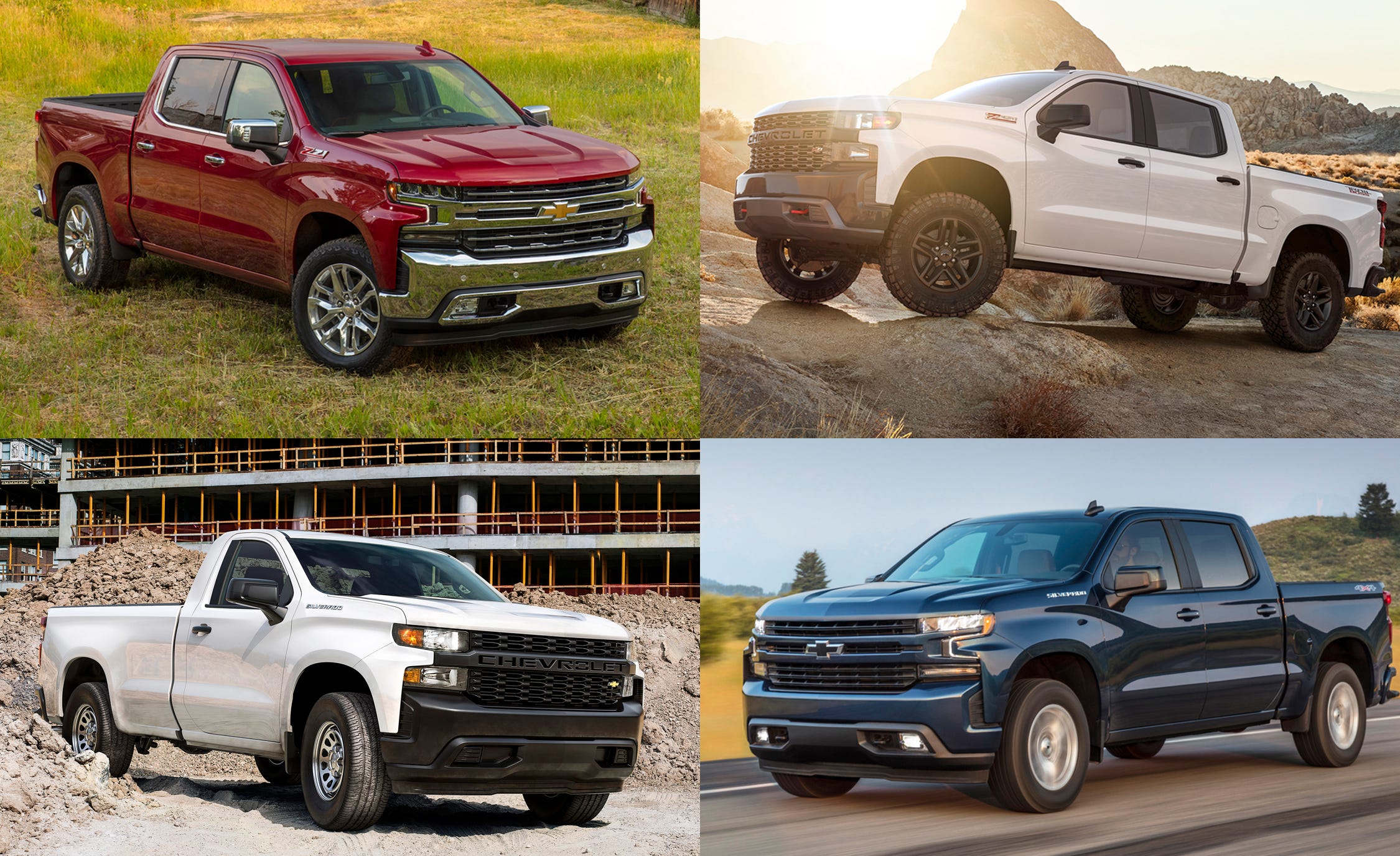
The Chevrolet Silverado has long occupied a special place in the truck world: part workhorse, part lifestyle machine. Yet what truly shapes the experience is not only the engine or the towing package—it’s the trim level. The Silverado lineup can feel like a map with several competing roads, each one leading to a distinct personality. In this guide, the spotlight falls on the trim levels most commonly compared by drivers who want clarity: WT, Custom, LT, LTZ, High Country, and ZR2.
To make sense of the differences, it helps to think in categories rather than checklists. Some trims lean toward practicality and value. Others aim for comfort and refinement. A few are engineered for rougher roads and higher-risk adventures. And across them all, Chevrolet balances familiar fundamentals—durability, usability, and strong capability—with modern convenience and design cues.
As you read, consider what kind of content you want out of your next Silverado purchase. Do you want a straightforward, no-nonsense breakdown of features? Or are you searching for a more narrative explanation of why each trim feels different once you’re behind the wheel? This article covers both types of expectations—spec-like details paired with real-world implications—so you can choose with confidence.
Understanding Trim Levels: More Than Just Badges
Trim levels aren’t merely cosmetic. They determine how the truck feels during daily routines—how quickly you can live with it, how comfortable it remains when the drive lengthens, and how resilient it feels when conditions shift.
A trim is also an “experience layer.” Even when two trucks share the same cab size and bed length, the materials, lighting, seating, infotainment, and driver assistance can create markedly different day-to-day rhythms. Some trims emphasize straightforward controls and hard-wearing surfaces. Others add softer textures, warmer lighting, and a cabin that feels composed rather than utilitarian.
Finally, there’s the question of intended use. A truck built primarily for job sites may prioritize visibility, storage, and durability. A trim positioned for long commutes and frequent road trips tends to elevate comfort and convenience. And trims like ZR2 take the concept further—turning the Silverado into something that behaves more like an off-road instrument than a standard street machine.
WT (Work Truck): The Spartan Utility Classic
The WT trim is where the Silverado’s no-frills heritage stays most visible. It’s designed for customers who measure value in function, not flourishes. If your priorities include cost efficiency, straightforward features, and dependable transportation, WT can feel refreshingly honest.
Expect a cabin that focuses on practicality—materials that hold up under regular use, controls that are easy to operate without an instruction manual, and a general emphasis on getting the job done. The WT often serves as a baseline platform. Drivers may opt for it when they plan to add their own accessories or when the truck’s primary role is consistent, labor-intensive work.
There’s a certain satisfaction in a WT: it’s less about impressing and more about accomplishing. Short sentences like “keep it simple” become an unofficial design philosophy.
Custom: Where Work Meets Everyday Comfort
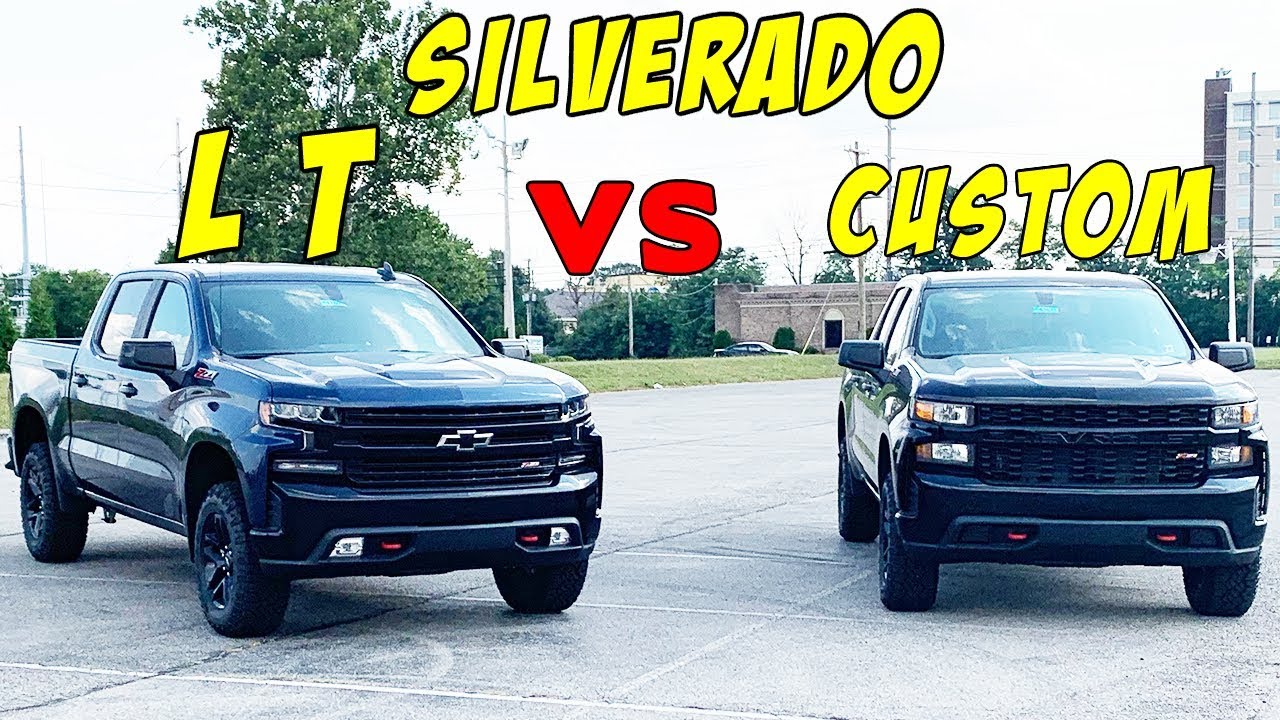
Moving from WT to Custom introduces a subtle shift in tone. The Custom trim aims to keep the truck accessible while adding touches that make everyday driving more pleasant. It’s still grounded in practicality, but the truck becomes easier to enjoy during errands, school drop-offs, and weekend drives.
In content terms, this trim tends to attract readers who want balance. Not every driver wants a fully loaded cabin. Yet most people eventually notice the difference between “barely adequate” and “comfortably livable.” Custom trims often provide that middle ground—more refinement than WT, without the premium cost of higher levels.
From a narrative standpoint, the Custom trim feels like the Silverado version of a well-worn tool bag: capable, organized, and ready when you need it. It doesn’t overpromise. It just shows up consistently.
LT: The Feature Hub for Most Buyers
The LT trim is one of the most recognizable “sweet spots” in the Silverado lineup. It typically brings more advanced infotainment options, upgraded comfort features, and a more polished exterior presence. For many shoppers, LT is where the truck starts to feel genuinely modern inside.
If WT and Custom are about being useful, LT is about being versatile. This is the trim many owners choose when the truck needs to serve multiple roles: commuter one day, job site the next, and road trip at the weekend. It’s also a popular step for those who want additional driver assistance features and a more comfortable ride without committing to the highest tier pricing.
Long sentences fit here, because the LT tends to offer a broad ecosystem of conveniences: lighting improvements, more refined cabin touches, and technology that makes the truck easier to live with. Think of LT as the trim that reduces friction—less hassle, more confidence.
LTZ: Comfort Moves to the Forefront
LTZ is where comfort becomes a priority rather than an afterthought. This trim level often introduces higher-grade interior materials, more premium styling, and a cabin atmosphere that feels deliberate. The difference can be subtle at first glance—then obvious once you’re in the driver’s seat and settling into the ride.
LTZ buyers frequently care about how the truck looks at a distance and how it feels up close. Details matter: seat comfort, trim finishes, and the overall “finished” nature of the interior. It’s also a trim that tends to appeal to readers who want their truck to remain enjoyable even after the workday ends.
In narrative terms, LTZ adds a layer of calm. The truck feels more insulated from daily noise and less like a purely functional instrument. It’s still capable—just more comfortable while doing it.
High Country: The Flagship Mood of Refinement
High Country represents the Silverado’s top-tier comfort-forward identity. This trim level is designed for those who want the truck to feel upscale—without losing its seriousness as a towing and hauling platform.
Expect richer interior styling, an elevated look, and a cabin experience that feels tailored. High Country tends to target buyers who often drive long distances or who frequently carry passengers and want the truck to feel hospitable rather than utilitarian.
Readers who gravitate toward High Country often look for “statement details.” The kind that turn heads at a stoplight, but more importantly, the kind that create satisfaction during everyday use—lighting, seating presence, and a sense of craftsmanship.
ZR2: Off-Road Attitude With Engineering Purpose
The ZR2 is the Silverado trim for drivers who see roads as suggestions. It’s not simply about appearance; it’s about off-road behavior. From terrain readiness to suspension tuning and traction capability, ZR2 aims to help the truck remain composed when conditions become chaotic.
In practical content terms, ZR2 appeals to readers who plan to drive beyond pavement—mud, gravel, uneven trails, and rocky climbs. The truck’s configuration often supports that reality, with features intended to improve control and durability when the environment stops cooperating.
Short, decisive phrases fit the ZR2 character: “more articulation,” “more traction,” “more confidence.” Then the story expands. The truck is engineered to help drivers keep momentum without feeling like they’re sacrificing stability.
How to Choose: Matching Trim to Your Lifestyle
Choosing between WT, Custom, LT, LTZ, High Country, and ZR2 becomes easier when you align trim with lifestyle. Start by answering a few questions. Will the truck spend most days working, or traveling? How often will passengers ride? Do you value advanced technology and driver assistance? Are you likely to drive off-road regularly?
If you want a straightforward, durable platform with minimal distractions, WT can make sense. If you want daily comfort without premium pricing, Custom is a compelling middle step. LT is typically where most buyers find a practical blend of technology and comfort. LTZ elevates materials and cabin sophistication. High Country pushes refinement into flagship territory. And ZR2 turns the Silverado into a trail-oriented machine.
Ultimately, trims aren’t a ladder of “better versus worse.” They’re different recipes. The best choice is the one that matches what you actually do—how you drive, where you go, and what you expect the truck to deliver when the moment arrives.
What Content Readers Often Look For—And What to Expect Here
Different readers want different kinds of information. Some want quick comparisons. Others want a buying narrative that helps them feel the differences emotionally. This article supports both approaches by combining feature-level thinking with an experience-centered perspective.
Expect this kind of guidance for each trim: who it’s for, what it prioritizes, and how it changes the truck’s daily rhythm. That way, the decision doesn’t feel like memorizing a spec sheet—it feels like selecting the right temperament for your life.

Final Thoughts: The Silverado That Fits Your Next Chapter
The Silverado’s trim levels tell a story of priorities. WT emphasizes utility. Custom blends usefulness with everyday ease. LT brings a balanced feature set. LTZ raises comfort and cabin refinement. High Country delivers flagship atmosphere. And ZR2 adds off-road engineering intent.
When you choose your trim, you’re choosing how the truck will speak to you every day—through the feel of the cabin, the responsiveness of the technology, the confidence under load, and the composure across varying terrain. Make the selection with your real routines in mind, and the Silverado won’t just meet expectations. It will quietly become part of the way you live.