Imagine the Chevrolet Impala reborn—less as a nostalgia capsule and more as a persuasive argument for relevance. The original nameplate carries a particular gravity: a family sedan that once felt like the country’s default setting. Now the question isn’t whether the Impala can return. It’s what kind of comeback would actually earn belief. If the Impala were reborn today, it would need to promise a shift in perspective—moving from “big car, big comfort” to “big presence, big ideas.” And it should do so with enough audacity to pique curiosity from the first glance to the last mile.
To hope for the right version of the Impala, we have to identify what made it emotionally sticky. Then we have to translate those qualities into modern language: electrified efficiency, digital composure, and a design stance that doesn’t feel timid. The rebirth should feel deliberate, not merely fashionable. It should keep a soul—just updated with a different cadence of time.
1) The First Promise: Keeping the Soul, Updating the Grammar
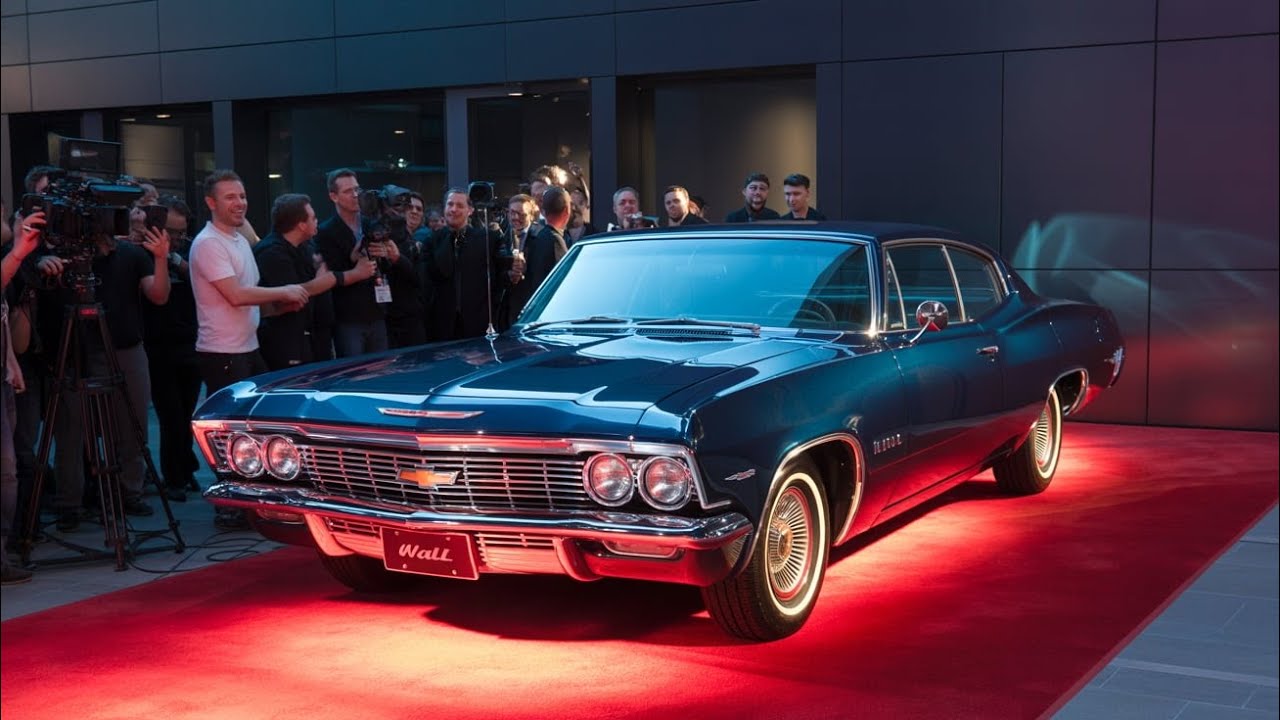
Design is never neutral. A reborn Impala should read like a continuation of the past, not a costume. That means preserving certain visual “tells” while allowing proportion and surface tension to evolve. Think of the kind of stance that suggests long-distance confidence: a broad, planted beltline. A recognizable front fascia silhouette. The sense that the car was drawn with intention, not assembled from templates.
Modern styling can be sleek and still be legible at a glance. The Impala’s revival should avoid the common trap of looking like every other sedan. It should hold onto a signature identity—an unmistakable rhythm in the lighting, the grille treatment, and the way the body panels flow into each other like practiced handwriting.

And yes, CGI fantasies are a doorway—not a deed. But the underlying promise matters: a car that adopts contemporary design language while keeping its soul. That’s the philosophical hinge on which everything else swings.
2) Shift in Perspective: From “Flagship Feeling” to “Everyday Mastery”
Historically, the Impala often played the role of a flagship without demanding special treatment. It was a car that could handle both daily errands and ceremonial drives. A modern reborn Impala should elevate that duality. It should feel authoritative in traffic yet effortless in routine ownership.
That means the cabin experience should be more than an aesthetic exercise. It should be engineered for cognitive ease: intuitive controls, clear instrumentation, and seating that treats posture like a design requirement rather than an afterthought. Long drives should feel less like a test of endurance and more like a quiet ritual.
The shift in perspective is subtle but powerful: comfort shouldn’t just be plush. It should be adaptive—quiet where it needs to be, supportive where it matters, and consistently confident across weather, road texture, and speed.
3) The Styling Contract: Presence With a Curiosity Spark
The best concept-like direction doesn’t merely look good; it invites questions. A reborn Impala should stimulate that exact reaction—people seeing it, then lingering for another look. That curiosity can come from tasteful asymmetry, a clever interpretation of grille geometry, or lighting signatures that resemble a visual handshake: crisp daytime running light shapes, purposeful headlamp clustering, and taillight elements that feel architectural rather than decorative.
Where other sedans attempt to blend in, the Impala should practice being remembered. Its surfaces could carry a hint of “land yacht” confidence—sleek, but heavy enough in the imagination to suggest stability at speed. Yet it should also feel current: clean aerodynamic detailing, purposeful venting, and proportions that don’t look borrowed from a different era.

Curiosity is a marketing tool, but it’s also an emotional one. If the Impala returns with a wink of personality—without losing maturity—its revival becomes less about replacement and more about attraction.
4) Powertrain Promises: Efficiency That Doesn’t Feel Apologetic
A reborn Impala shouldn’t treat electrification like a concession. It should treat it like an advantage. The most persuasive approach would be to offer choices: electrified options for those who want instant torque and quiet traction, and performance-flavored engineering for those who still want to feel the road’s temperament underfoot.
Either way, the key promise is continuity of character. Even an electric or hybrid Impala should deliver the impression of purposeful motion—smooth transitions, confident acceleration, and a driving feel that doesn’t go numb in the name of efficiency.
Modern powertrains can be refined to the point of near-silence, but refinement shouldn’t mean blandness. The Impala should carry an engineered “voice,” whether that’s through tuning, simulated soundscapes, or simply the way it responds when the driver decides to move from cruising to overtaking.
5) The SS Idea: Performance as a Philosophy, Not a Sticker
The notion of an Impala SS reborn is particularly intriguing. But performance trims shouldn’t just add cosmetics and stiffer springs. They should represent a coherent philosophy: balance over brute force, control over chaos, and feedback that connects the driver to the chassis without overwhelming them.
That could mean sharper steering calibration, enhanced braking feel, and suspension geometry designed to flatten the emotional chaos of uneven roads. It could also include wheel and tire choices tuned for both grip and longevity—performance that survives real life, not just track-day fantasies.
If “quirky” concept energy exists in the design language, it should also exist in the engineering personality. A reborn SS should be the car that makes owners smile on ordinary commutes—because the car feels awake, not merely fast.
6) Interior Modernization: Digital Ease, Not Digital Noise
The cabin should feel like a command center with good manners. Modern screens can be impressive, but too many of them can become interpretive labor. The Impala’s interior should provide clarity: a driver-focused interface, clean menus, and physical touchpoints where they genuinely help.
Material choices matter, too. A reborn Impala should offer textures that look good in daylight and feel good with bare hands. Lighting inside the cabin can create atmosphere, but it must be tasteful—subtle ambient illumination that supports focus rather than trying to outshine reality.
Even the small details deserve attention: seat ergonomics that anticipate long sitting, cupholder design that doesn’t feel like an afterthought, and storage layouts that respect how people actually live.
7) Safety and Assistance: Confidence Through Quiet Competence
Safety technology should function like a guardian, not a commentator. The Impala’s promised shift could include more robust driver-assistance systems that reduce fatigue without nagging the driver’s attention away from the road. Lane confidence. Adaptive cruise refinement. Intelligent sensing that behaves predictably in rain, construction zones, and varying traffic densities.
The best implementations feel invisible. That invisibility is the difference between advanced and intrusive. A reborn Impala should cultivate calm—helping the driver feel in control even when the world becomes complicated.
8) The Heritage Loop: How to Honor the Past Without Being Trapped by It
Heritage can’t be a prison. The reborn Impala should treat history like a compass, not a timeline. That means using classic cues—maybe in the grille’s shape, maybe in the body’s proportion, maybe in a subtle badge placement—while allowing contemporary design to do what it does best: enhance efficiency, improve aerodynamics, and bring modern visual coherence.
Honoring the past is also a matter of emotional continuity. Owners should feel recognized when they step inside. The driving posture. The steering wheel reach. The way the dashboard visually frames the road. It doesn’t have to imitate yesterday; it has to evoke it.
9) What Would Make the Rebirth Irresistible
Curiosity becomes commitment when expectations are satisfied in unexpected ways. The reborn Impala should surprise people in a grounded direction: a ride that feels composed without being stiff, a cabin that feels calm rather than overly engineered, and technology that supports rather than distracts.
It should also be culturally aware. The best sedans today must compete with crossovers, not by pretending to be them, but by offering a distinct argument: better handling geometry, more traditional interior packaging, and a driving feel that’s rewarding rather than purely convenient.
If the reborn Impala can deliver that, it won’t just return. It will reposition itself—like a familiar song performed with new instruments, keeping the melody intact while changing the timbre.
Outro: A Comeback That Feels Like a Choice
A reborn Chevrolet Impala should be more than a car designed to fill a segment. It should be a deliberate choice that offers a different emotional texture than the crowd. The promises are clear: keep the soul, modernize the grammar, offer electrified or performance-forward character without apology, and create a cabin that feels quietly intelligent.
If it gets even a few of these things right, the Impala won’t just be remembered as a classic. It will be felt as something newly arrived—familiar in spirit, yet audacious in intention. And that’s the only kind of rebirth worth believing in.