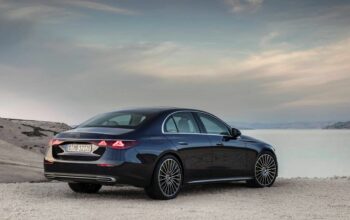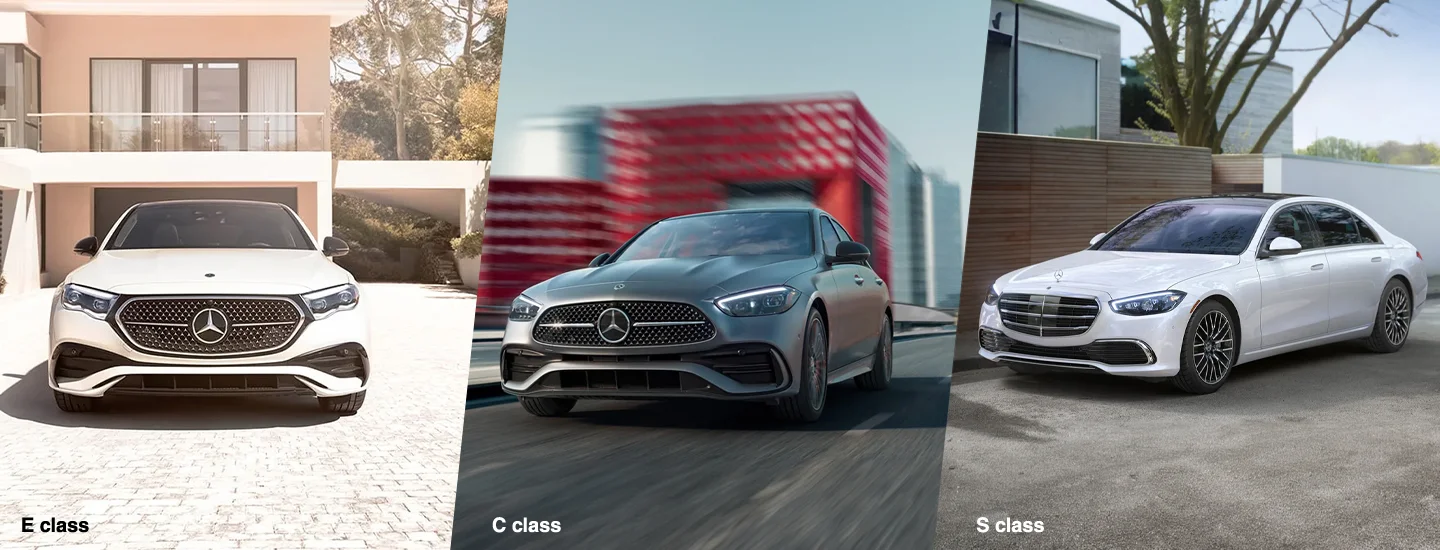
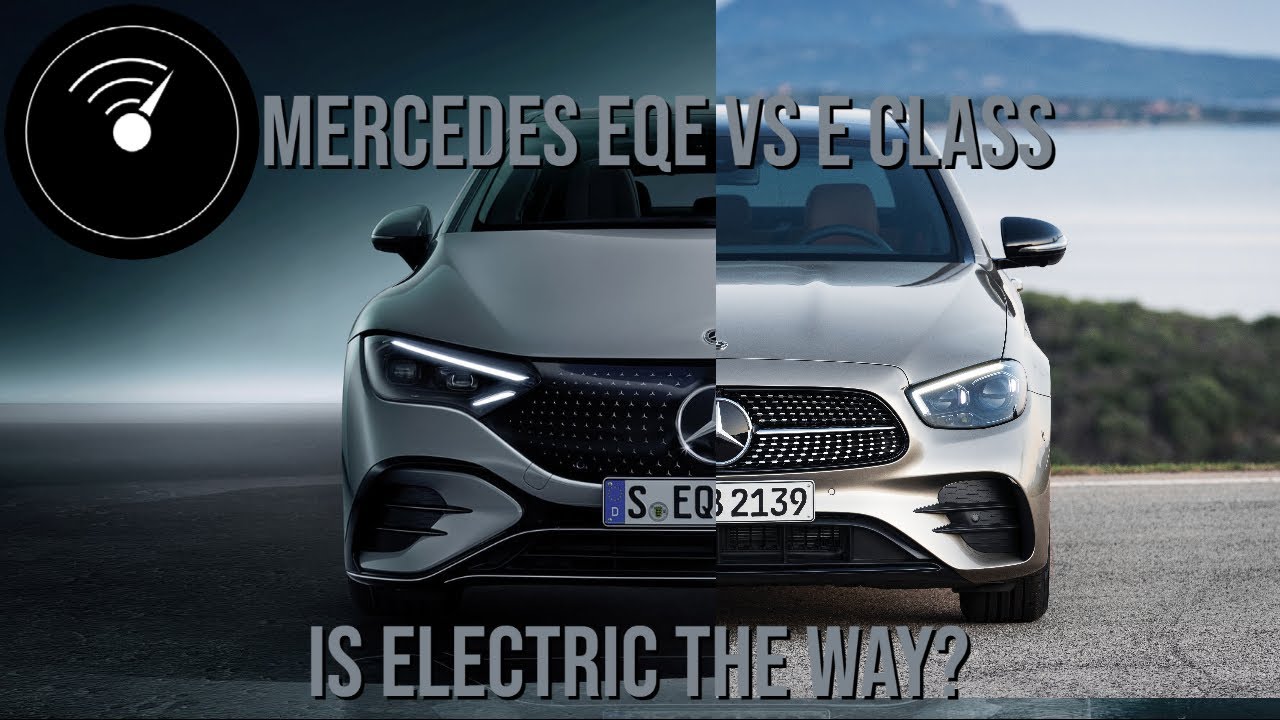
Choosing between a Mercedes-Benz gas sedan and its electric sibling can feel like comparing two different philosophies of mobility. One leans on familiar infrastructure, predictable refueling, and the steady cadence of internal combustion. The other runs on batteries, energy management, and a new kind of cost equation—where kilowatt-hours, charging behavior, and depreciation play starring roles. This is where the question becomes personal: Mercedes-Benz Gas vs Electric – Which Saves You Money? Put the comparison lens on a practical gasoline choice like the C-Class and the modern efficiency-focused statement of the EQE, and the answer starts to emerge through numbers, habits, and tradeoffs.
Money isn’t only the sticker price. It’s the recurring payments that sneak up over time: fuel or electricity, maintenance intervals, tires, brake wear, insurance nuances, and the way each powertrain holds its value. Let’s walk through it with a narrative mindset and a consumer’s realism—so the final verdict feels earned, not guessed.
The Starting Point: Purchase Price and the “Hidden Balance Sheet”
The first cost checkpoint is often the most obvious: the vehicle price at the time you sign. Gas C-Class variants tend to come with a lower entry cost, largely because their powertrain is a known quantity and the supply chain is mature. Electric trims—such as the EQE—may command a higher initial price due to battery technology, electronics, and the broader engineering complexity of an EV platform.
Yet “higher price” doesn’t automatically mean “higher total cost.” Some buyers recover part of the premium through incentives, though eligibility varies by location and policy changes. Even without incentives, electric vehicles can justify their premium through operating savings. Think of it like paying more for a tool that spends less per use.
For readers exploring different content paths, expect cost comparisons to include:
Upfront price ranges by trim and model year
Typical warranty coverage structures
Depreciation considerations that can swing month-to-month budgets
Fuel vs Electricity: Where the Monthly Math Gets Interesting
The heart of the “savings” question lives in energy cost. A C-Class uses gasoline, which is priced per gallon and fluctuates based on market conditions. The EQE uses electricity, priced per kilowatt-hour, which can also fluctuate—but often behaves differently because many regions and utility plans offer time-of-use rates.
In practical terms, your charging habits can turn the EQE’s energy cost into a predictable pattern. Home charging during off-peak hours can be dramatically cheaper than public charging. If you can charge at home and schedule charging wisely, electricity becomes a controllable variable. If you’re forced into frequent fast charging, the savings may shrink.
Here’s what readers typically want to understand, and what the article should illuminate clearly:
Cost per mile: converting fuel economy and electricity consumption into a shared unit
Charging scenario planning: home-only, mixed, or public-fast-only
Distance consistency: daily commute versus road-trip frequency
Even though the EV and gas vehicles may share similar sizes and performance intentions, their energy inputs are fundamentally different. Gas uses chemical energy converted into motion via combustion. Electric uses grid-sourced electricity converted through an inverter and motor efficiency. The result is that, in many real-world cases, electricity tends to cost less per mile—especially when charging is optimized.
Maintenance and Wear Items: The Quiet Savings
Maintenance costs don’t usually shout during the first year. They show up like slow weather—gradual, cumulative, and easy to underestimate. Gas engines carry fluid change cycles, filtration systems, and exhaust-related upkeep. They also rely on more frequent mechanical wear processes, including oil changes and spark or ignition components depending on configuration.
Electric drivetrains often reduce certain service needs. There’s typically no oil change for an engine. Regenerative braking can reduce brake pad wear, because slowing down becomes an energy-recovery event rather than a friction-based one. Still, EVs aren’t maintenance-free. Tires, suspension components, and cooling systems remain relevant. Batteries also involve thermal management, which requires responsible system health.
One of the most compelling reader-facing angles here is predictability. Owners generally find that EV maintenance is more about monitoring and less about recurring fluid-and-filter rituals. That doesn’t guarantee lower costs every time. It suggests a different pattern of spending.

Brake Wear, Tires, and the Reality of Everyday Use
It’s tempting to assume that EVs always save money on braking. Regenerative braking can indeed extend brake pad life, but it doesn’t eliminate brake usage. Hard stops, low traction conditions, and emergency situations still require friction braking. Gas cars use friction braking primarily, but they can also rely on engine braking depending on driving style.
Tires are a more universal expense. EVs often deliver strong torque at low speeds, which can increase tire wear if acceleration habits are aggressive. Conversely, gas cars may encourage different driving patterns. Either way, you should expect recurring tire costs for both options—and the “EV savings” narrative should not gloss over it.
For readers who like tangible expectations, this section can include:
Brake replacement intervals and how regenerative braking changes them
How heavy EV curb weight can affect tire wear
Wheel alignment and suspension wear considerations
Insurance, Registration, and Ownership Fees: The Cost That Doesn’t Feel Like Driving
Insurance premiums can vary widely by region, driving history, and repair costs. EVs may carry higher premiums because replacement parts can be pricier and repair processes can be more specialized. However, some insurers price EVs competitively, particularly when repair networks are well developed.
Registration and taxes may also differ, depending on local policies and vehicle categories. This is one of those areas where the “best savings” can swing from city to city. Readers should treat insurance and registration as part of the ownership ledger, not as an afterthought.
It’s useful for the article to highlight how to compare apples to apples: request quotes for both vehicles and include them in a first-year budget estimate.
Depreciation and Resale Value: The Long Game
Depreciation is where many cost calculations become emotionally frustrating. You can drive a vehicle for years and still find that the resale market punishes your expectations. Gas vehicles may benefit from broad buyer familiarity and decades of resale market liquidity. Electric vehicles may face faster shifts in demand due to evolving battery tech, incentives, charging networks, and consumer perceptions.
That said, the EQE’s premium positioning and brand reputation can offer stability. The C-Class’s value resilience can also be strong, because it’s a mainstream luxury sedan that fits many budgets. Depreciation isn’t purely a function of gas-versus-electric—it’s also trim level, mileage, condition, local market appetite, and how each vehicle’s tech ages.
For readers, this section should set realistic expectations:
Depreciation behavior by model year cohort
How charging history and battery health can influence resale confidence
Mileage and condition as the dominant resale determinants
Charging Infrastructure: Convenience as a Cost Factor
The EQE’s financial upside assumes access. Charging at home is often the most budget-friendly path. That means installing or using an existing Level 2 charger. If home charging isn’t feasible, you’ll depend more on public charging—where prices can be higher and session variability more pronounced.
Convenience also affects cost. If charging becomes inconvenient, drivers may take less efficient routes, overpay at fast chargers, or delay charging until the tank—or battery—reaches stressful levels. Stress has a funny way of translating into dollars.
For a cohesive reading experience, this section should guide readers through decision scenarios:
Home charger available: likely strongest savings trajectory for the EQE
Mixed charging: savings still possible but more sensitive to public rate pricing
Public-only: savings may narrow, especially with frequent fast charging
Performance, Efficiency, and Driver Behavior: Savings Aren’t Always Automatic
Both vehicles can be driven efficiently—or inefficiently. Gas engines reward smooth throttle management and steady speeds, while EVs respond dramatically to energy management decisions such as acceleration frequency, regenerative braking aggressiveness, and climate control usage.
Cold weather can reduce EV range and increase energy consumption. That doesn’t necessarily erase savings, but it changes the calculation. Likewise, gas efficiency drops with aggressive driving and traffic-heavy commutes. The common thread is that driving behavior is an invisible co-author of your cost outcome.
Readers will benefit from content that explains how to measure efficiency in their own routine, using trip averages and energy logs rather than relying purely on advertised figures.
So, Which Saves You Money? A Practical Verdict
If your priority is maximizing operating savings and you can charge at home (or access affordable off-peak electricity), the EQE often wins the long-term cost race. The combination of lower per-mile energy expense, reduced certain maintenance items, and regenerative braking-driven wear reduction creates a financial moat.
If you rarely drive, face expensive public charging, or want the simplest ownership path with minimal infrastructure planning, the C-Class can remain the more economical choice—especially when purchase price, lower insurance variability, and familiar service networks reduce your friction costs.
Ultimately, the “winner” depends on your personal charging environment, your yearly mileage, your climate conditions, and your depreciation tolerance. The EQE tends to be a savings story when infrastructure aligns with your habits. The C-Class tends to be a savings story when simplicity and upfront affordability dominate your decision.
How to Decide in One Weekend: A Budget-First Approach
Before committing, consider building a simple spreadsheet with your realistic inputs: annual miles, local electricity rates (including off-peak), expected charging method, current gasoline price, and estimated maintenance patterns. Add a conservative resale estimate too. This is less about perfect numbers and more about avoiding expensive surprises.
Short and long sentences both belong here because clarity matters: the EV advantage can be strong, but it’s not magic. The gas advantage can be comfortable, but it’s not limitless.
Conclusion: The Cost Story Is Really a Lifestyle Story
Mercedes-Benz gas and electric vehicles are both designed to deliver luxury, refinement, and confidence. The financial difference comes down to how energy is sourced and consumed, how wear items behave, and how ownership evolves over time. The C-Class offers familiarity and often a lower purchase barrier. The EQE offers a modern efficiency profile that can pay off—particularly when charging is convenient and priced sensibly.
If you can charge at home and drive consistently, the EQE can turn everyday miles into measurable savings. If your routine doesn’t support convenient charging, the C-Class may keep your budget calmer. Either way, the smart move is the same: let your real-world usage—not assumptions—write the final bottom line.