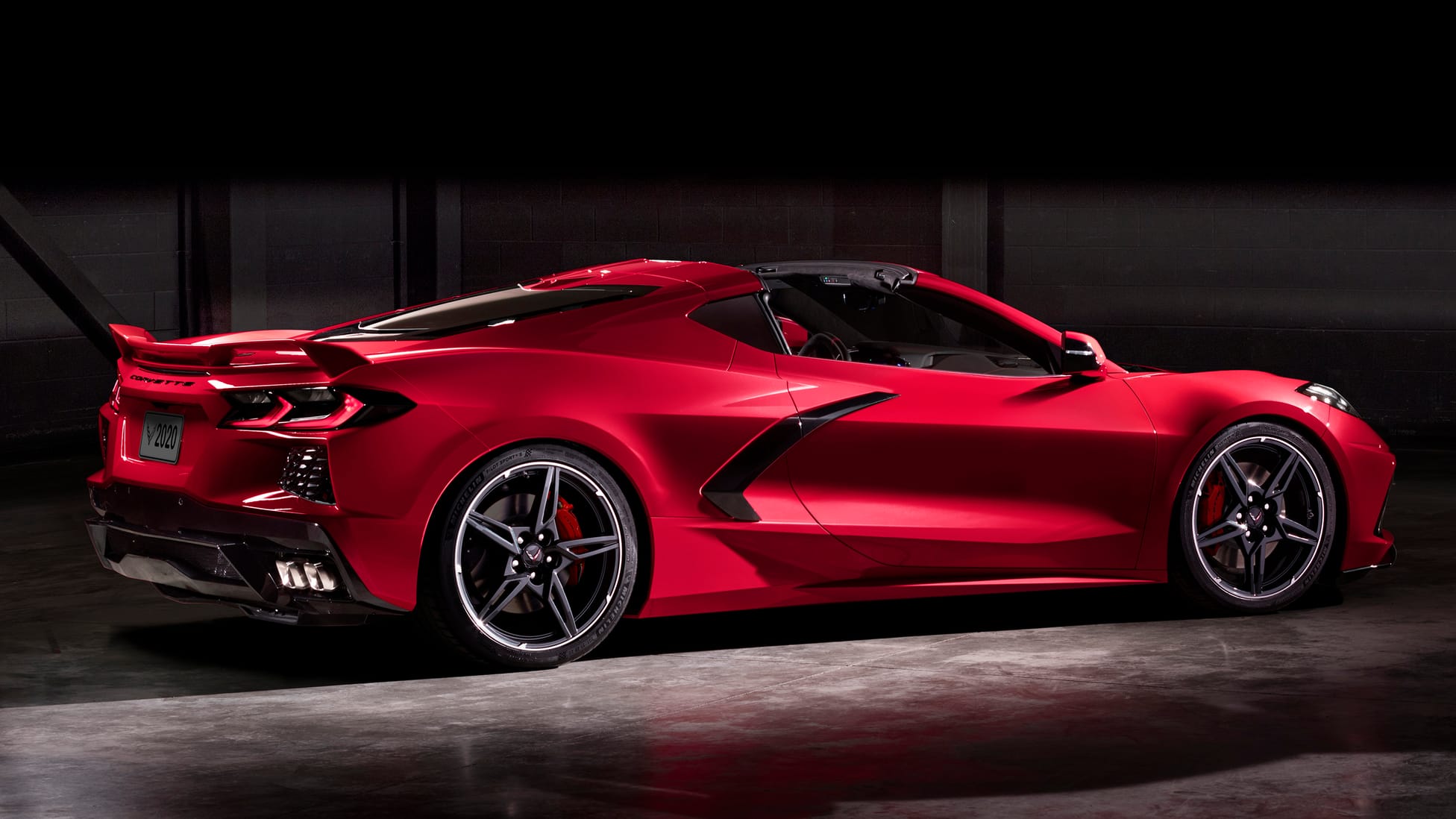
The Chevrolet Corvette Stingray—mid-engine V8—isn’t just a car. It’s a tectonic shift in the automotive cosmos, a bold redefinition of what a sports car can be. For decades, the Corvette was the quintessential American muscle machine, its front-engine V8 growling with unapologetic bravado. Yet, when the mid-engine Stingray debuted, it didn’t just evolve—it revolutionized. It whispered to the soul of driving enthusiasts, promising something far more visceral than power alone: balance. Precision. A connection to the road so intimate it feels like telepathy between driver and machine.
Why does this transformation captivate us so deeply? Because the Stingray didn’t just change where the engine sits—it changed how we feel behind the wheel. And that shift reveals something profound about human nature: we crave not just speed, but harmony. We yearn for machines that respond not as tools, but as extensions of ourselves. The mid-engine Corvette delivers that. It turns every twist of the wrist into poetry, every pulse of the exhaust into a heartbeat. It doesn’t just go fast—it dances.
The Engine That Roars in Silence: The Mid-Engine V8 Revolution
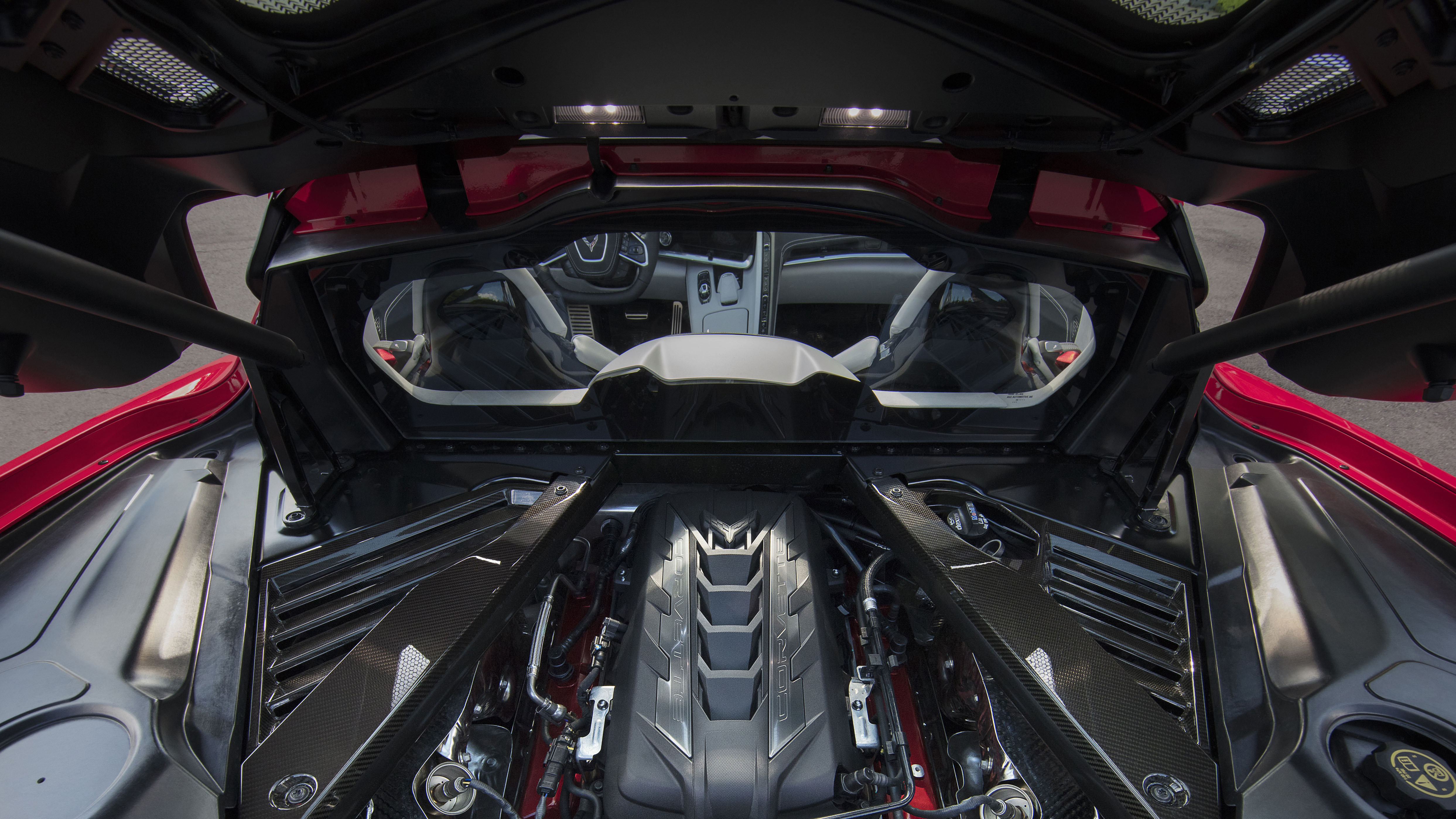
The most radical departure in the Stingray’s architecture isn’t its sleek body or its carbon-fiber undertray—it’s the engine’s placement. Nestled between the axles, the 6.2-liter LT2 V8 doesn’t just sit; it sings in perfect equilibrium. This isn’t just a relocation of mass—it’s a recalibration of physics. With the heaviest component centered, weight distribution hovers near 50/50, a rarity in production cars. The result? A chassis that doesn’t lean or dive under hard cornering. It pivots. It pivots with the grace of a ballet dancer, defying the brute-force stereotype of American V8s.
But why does this matter beyond lap times? Because driving isn’t just about acceleration—it’s about intention. A mid-engine layout turns every input into a dialogue. Turn the wheel, and the car responds instantly, without hesitation. Hit the throttle, and the rear tires dig in with surgical precision. There’s no drama, no oversteer to correct—just pure, unfiltered communication. It’s the difference between shouting at someone across a room and leaning in to whisper a secret. The Stingray listens. It always has. Now, it finally speaks the same language.
The LT2 V8 itself is a marvel of modern engineering. With 490 horsepower and 465 lb-ft of torque, it doesn’t just push the Stingray forward—it propels the driver into another dimension. The flat-plane crankshaft, borrowed from exotic supercars, delivers a high-revving shriek that cuts through the air like a blade. Yet, beneath that ferocity lies refinement: direct fuel injection, active exhaust, and a dual-plane intake manifold that adapts to driving modes. The engine doesn’t just roar—it sings in multiple keys, from a velvety purr in Eco mode to a thunderous aria when the driver demands performance.
From Muscle to Mastery: The Evolution of a Legend
To understand the Stingray’s significance, we must revisit its origins. The Corvette was born in 1953, a fiberglass-bodied dream in a sea of chrome-laden land yachts. It was America’s answer to European sports cars, a V8-powered rebel with a soft top. For decades, it thrived on raw power and unfiltered charisma. But by the 21st century, the world had changed. Supercars from Porsche, Ferrari, and McLaren were redefining performance with mid-engine layouts, while the Corvette remained front-engined, a relic of a bygone era.
Yet, tradition isn’t always a weakness. The front-engine Corvette was beloved for its simplicity, its accessibility, and its unmistakable character. It didn’t need aerodynamics to impress—it relied on brute force and charisma. But as the automotive landscape evolved, so did expectations. Drivers wanted more than just speed; they wanted engagement. They wanted a car that didn’t just transport them, but transported them emotionally.
The mid-engine Stingray answered that call. It didn’t abandon the Corvette’s soul—it amplified it. The V8 remained, its thunderous voice undiluted, but now it sang in perfect harmony with the chassis. The Stingray didn’t just keep up with the Europeans—it surpassed them in ways they couldn’t replicate. It offered the intimacy of a Lotus Elise, the precision of a Porsche 911, and the raw power of a Dodge Viper—all in one American package. It proved that heritage and innovation aren’t mutually exclusive. They’re complementary forces, each elevating the other.
This evolution reflects a deeper truth about human fascination with automobiles. We don’t just want machines that perform—we want machines that inspire. The Stingray’s shift to mid-engine wasn’t just about engineering; it was about emotional resonance. It told drivers: “You’re not just buying a car. You’re buying an experience.” And in a world of digital distractions and virtual realities, that experience is more precious than ever.
The Symphony of Sound: How the V8 Becomes an Orchestra
Few things in automotive engineering evoke as much emotion as the sound of a V8 engine. But the Stingray’s LT2 doesn’t just make noise—it composes a symphony. The flat-plane crankshaft, a rarity in American muscle cars, is the secret to its vocal prowess. Unlike traditional cross-plane cranks, which produce a burbly, uneven exhaust note, the flat-plane design allows for a higher-revving, more melodic growl. It’s the difference between a drumbeat and a violin solo.
But the Stingray’s audio masterpiece doesn’t end with the engine. The active exhaust system, standard on higher trims, transforms the driving experience into a sensory journey. In Tour mode, the exhaust whispers with restraint, a subtle growl that hums in the background like a distant thunderstorm. Switch to Sport or Track mode, and the system unleashes a cacophony of mechanical thunder, a symphony of valve clatter, backpressure, and exhaust resonance that vibrates through the cabin and into the driver’s bones.
This isn’t just about volume—it’s about texture. The Stingray’s exhaust note is layered, dynamic, and responsive. It changes with the throttle, the gear, the RPM. It’s alive. And that aliveness is what makes the Stingray feel less like a machine and more like a living entity. It doesn’t just move—it communicates. It doesn’t just accelerate—it sings.
For enthusiasts, this is more than a feature—it’s a ritual. The act of starting the engine, revving it to life, and listening as it settles into a mechanical purr is a daily reminder of why we fell in love with cars in the first place. It’s a connection to a time when automobiles were more than transportation—they were companions, confidants, and catalysts for adventure.
Design as Destiny: The Stingray’s Aerodynamic Ballet
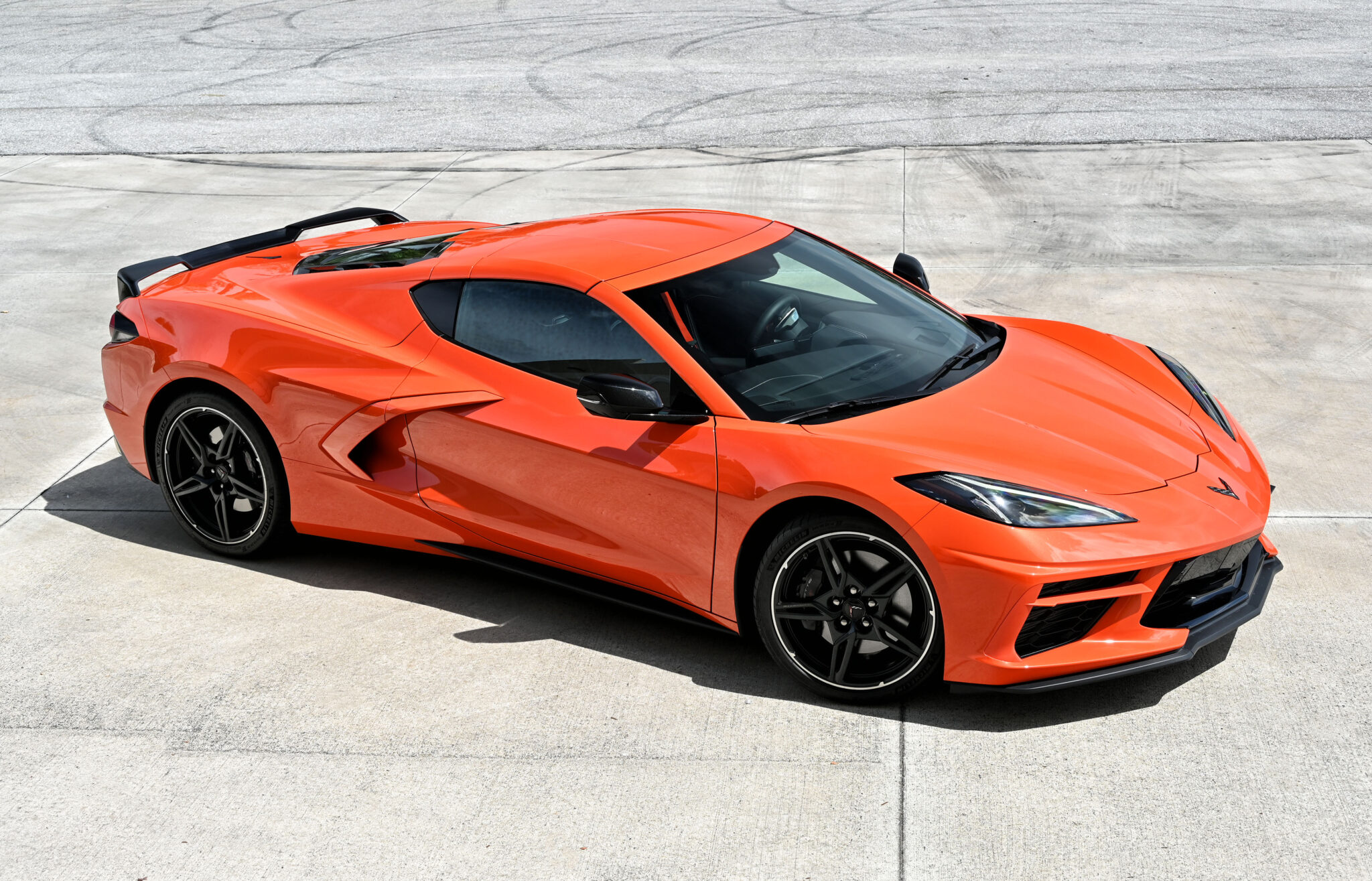
The Corvette Stingray’s design isn’t just beautiful—it’s functional. Every curve, every vent, every crease serves a purpose. The mid-engine layout allowed designers to sculpt a car that wasn’t just fast, but aerodynamically efficient. The long hood, the sweeping roofline, the aggressive rear diffuser—all of it works in concert to slice through the air with minimal resistance and maximum downforce.
But the Stingray’s aerodynamics go beyond numbers. They’re an expression of intent. The front splitter, the side skirts, the rear spoiler—all of it is designed to manipulate airflow in a way that enhances stability and grip. At high speeds, the car doesn’t just resist lift—it clings to the road like a banshee. The result is a driving experience that feels both effortless and exhilarating, a paradox that defines the Stingray’s character.
Yet, the Stingray’s design isn’t just about performance—it’s about personality. The dual-element taillights, the aggressive front fascia, the muscular haunches—all of it speaks to the car’s dual nature. It’s a machine that can dominate a racetrack one moment and cruise a coastal highway the next. It’s a car that refuses to be boxed in by convention. It’s a Corvette, yes—but it’s also something more. It’s a statement.
The Driver’s Seat: Where the Magic Happens
No amount of engineering or design matters if the driver isn’t connected to the experience. The Stingray’s cabin is a masterclass in tactile engagement. The seats, wrapped in leather or suede, cradle the driver in a cocoon of support. The steering wheel, flat-bottomed and wrapped in perforated leather, sits at the perfect angle for precision and comfort. The digital instrument cluster, customizable and crisp, provides all the information needed without overwhelming the senses.
But the real magic lies in the details. The tactile feedback from the shifter, the resistance of the clutch (in manual models), the hum of the engine vibrating through the pedals—all of it combines to create an immersive experience. The Stingray doesn’t just drive like a sports car—it feels like one. Every input is met with immediate, tangible response. There’s no lag, no disconnect. Just the driver, the car, and the road.
This level of engagement is rare in modern cars. Most vehicles prioritize comfort and convenience, sacrificing the raw connection that defines true driving pleasure. The Stingray doesn’t make that compromise. It embraces the chaos, the unpredictability, the sheer joy of being behind the wheel. It reminds us that driving isn’t just a utility—it’s an art form.
The Chevrolet Corvette Stingray—mid-engine V8—is more than a car. It’s a testament to the power of evolution, a fusion of American grit and European precision. It’s a machine that doesn’t just perform—it inspires. It doesn’t just move—it motivates. And in a world where so much is automated, where so much is lost in translation, the Stingray stands as a defiant reminder of what it means to truly drive.
It whispers to us in the language of balance. It sings to us in the language of sound. It dances with us in the language of motion. And in doing so, it doesn’t just capture our attention—it captures our hearts. The Stingray isn’t just a car. It’s a feeling. And once you’ve experienced it, nothing else will ever feel quite the same.