There’s a particular kind of craving that only a flagship luxury SUV can satisfy: the need for expansive comfort, hush-quiet refinement, and the confidence to move through any scenario—city avenues at dusk, mountain switchbacks on a weekend escape, or a long road trip where time feels negotiable. The BMW X7 and the Mercedes-Benz GLS both chase that craving with conviction. Yet they approach it like two different artists. One leans toward architectural sportiness and driver involvement; the other leans toward stately elegance and lounge-like serenity.
Choose either model and you’re choosing more than transportation. You’re choosing a statement of taste. But tastes differ. So the real question becomes: which SUV’s personality harmonizes with the life you actually live? Let’s walk through the defining traits—design, interior atmosphere, technology, performance character, comfort, practicality, and ownership considerations—so you can compare these two titans with clarity.
Flagship Presence: Design Language and First Impressions
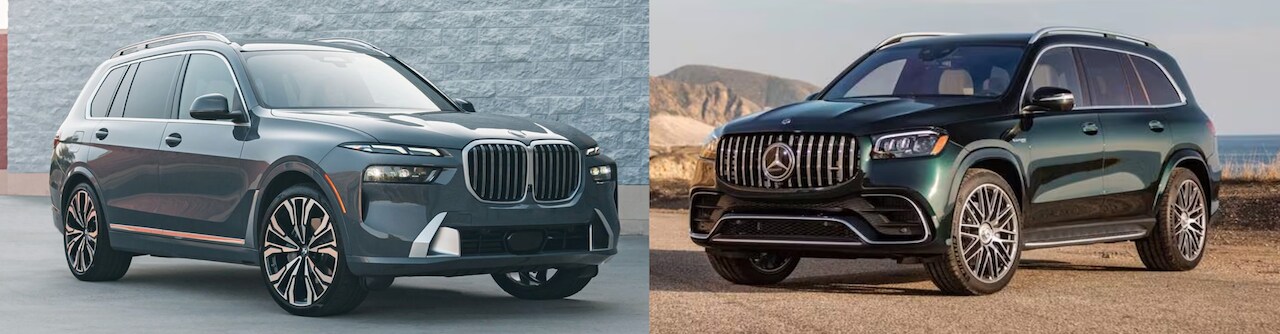
First impressions happen fast, even in slow-moving traffic. The BMW X7 typically presents itself with a purposeful, slightly aggressive stance. Its design cues often feel sculpted—tight surface tension, confident grille geometry, and a sense that the SUV is built to move. Details like the lighting signature and wheel proportions tend to amplify a composed, athletic silhouette.
The Mercedes-Benz GLS, by contrast, often reads like a moving penthouse. Its front-end styling leans into grandeur, with a bold interpretation of modern luxury: a grille that feels ceremonial, crisp lines that suggest craftsmanship, and a body shape that prioritizes composure over aggression. Even when parked, the GLS can seem ceremoniously “settled,” as if it’s designed to exhale.
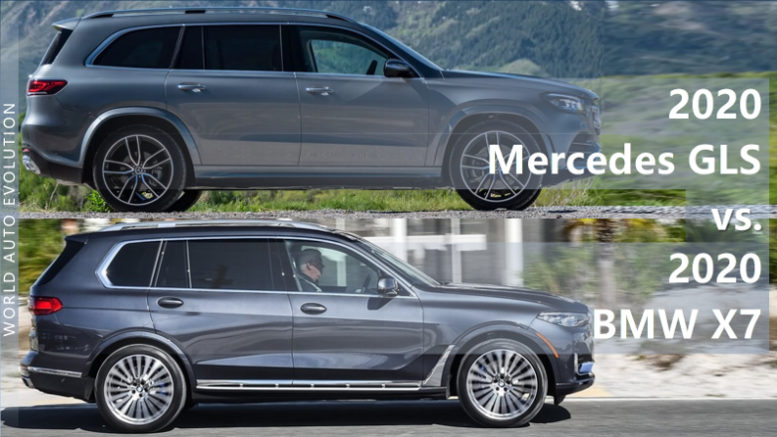
Neither is visually timid. Both are unmistakably flagship. The nuance is in the temperament the styling implies: BMW often signals momentum. Mercedes often signals authority.
Interior Atmosphere: Driver-Centric vs Lounge-Centric Luxury
Step inside and the difference becomes more visceral. The BMW X7’s cabin usually emphasizes a driver-oriented layout. Controls tend to feel intuitive, and the overall design often communicates “precision.” Materials and finishes are chosen to look refined and to feel tactile. Even without being ostentatious, the cabin can feel like a cockpit—an elegant place where attention naturally gathers around the driver’s line of sight.
The GLS, meanwhile, is designed for social comfort. The interior frequently prioritizes spaciousness and an unhurried rhythm. Surfaces and ambient lighting can create a theater-like calm. Depending on configuration, rear passengers may experience the SUV less as seats and more as a private lounge. The GLS often aims to make the vehicle feel like a destination, not simply a vehicle.
Short trips can feel different. In the X7, the sensation is usually “let’s drive.” In the GLS, it can feel like “let’s arrive comfortably.”
Seating and Space: Comfort Across Long Distances
Both SUVs target full-size practicality, but they’re tuned differently. The BMW X7 is frequently praised for how it balances first-row comfort with genuine second-row usability. Even when you add passengers, the X7 generally tries to keep an uncluttered sense of space. Rear-seat comfort can be excellent, particularly for travelers who want legroom without sacrificing a sense of refinement.
The Mercedes-Benz GLS tends to lean harder into second-row and third-row comfort potential. Its cabin layout often encourages an airy, expansive feel—especially in configurations where passengers share the experience rather than simply ride along. If your lifestyle includes frequent groups, family road trips, or chauffeur-driven convenience, the GLS often reads as a natural fit.
In the end, the “best” one depends on who occupies the seats most often. Driver-heavy weeks might favor the X7. Passenger-heavy weekends might favor the GLS.
Technology and Infotainment: Intuitive Touchpoints vs Command Presence
Modern flagship SUVs are no longer about radios and navigation alone. They’re about orchestration—how multiple systems coordinate so you never feel lost in the interface. The BMW X7 typically emphasizes a crisp, structured approach to digital control. The driving screen setup often feels logically segmented, and features are usually designed to minimize friction between the driver’s intent and the vehicle’s responses.
The GLS often projects a more immersive “command center.” Its technology is frequently presented with an emphasis on luxury presentation: large displays, elegant menus, and a sense that the cabin is actively managing the environment. Voice control, connectivity features, and driver assistance systems can feel integrated rather than bolted-on.
Expect both to deliver robust connectivity and modern driver aids. The distinction is how each brand frames the experience: BMW tends to feel analytical and driver-first; Mercedes tends to feel ceremonial and passenger-comfort-first.
Performance Character: Power Delivery, Handling Feel, and Confidence
Flagship doesn’t mean sluggish. The BMW X7 often aims for controlled dynamism. Steering feel and chassis tuning are usually designed to keep the SUV composed during fast lane changes or twisty approaches. Even when you’re not chasing lap times, you can feel the engineering intent: stability that doesn’t hesitate, traction that doesn’t feel chaotic, and power that arrives with a sense of direction.
The GLS typically focuses on effortless propulsion and smoothness. It’s engineered to make acceleration feel refined rather than forceful. On highways, the GLS can deliver a serene rush—less “punchy urgency,” more “continuous glide.” That distinction matters. If you prefer the thrill of a responsive SUV, the X7 may feel more alive. If you prefer a grand touring experience, the GLS often feels more appropriate.
In both vehicles, power is abundant. But the emotional texture of performance differs: BMW often feels precise. Mercedes often feels stately.
Ride Quality and NVH: The Battle Against Road Noise
Noise, vibration, and harshness (NVH) is where luxury becomes real. The BMW X7 usually works to keep the cabin insulated from roughness, using suspension tuning that prioritizes comfort while maintaining composure. Over broken pavement, it can feel settled and deliberate, with steering and body control resisting the urge to “float” away from the driver.
The GLS generally aims for an even more hushed, velvety interpretation of comfort. With its emphasis on cabin tranquility, it often excels in smoothing out small impacts and maintaining a calm acoustic environment. Long trips can become almost meditative, especially when the vehicle is configured with premium comfort features.
Road imperfections still exist, of course. But one SUV can help you forget them faster.
Safety and Driver Assistance: Modern Confidence Systems
Both BMW and Mercedes-Benz equip their flagship SUVs with advanced safety and driver assistance technologies. Expect elements such as adaptive cruise control, lane guidance systems, and collision avoidance features that work in layers. The practical difference is how the systems communicate and how naturally they integrate into daily driving.
In the BMW X7, driver assistance often feels crisp and data-forward—systems that support the driver without overpowering the steering feel. In the GLS, the assistance suite frequently feels more “orchestrated,” with attention to how alerts are delivered and how the vehicle manages transitions.
Not every feature matters to every buyer, but the presence of comprehensive safety tooling is reassuring. Flagship SUVs should reduce cognitive load, not add to it.
Cargo Practicality and Real-World Versatility
Luxury SUVs must also be functional, not merely stylish. The BMW X7 tends to deliver confident cargo usability, with the flexibility to manage larger items while still feeling organized. If your routine includes sports gear, luggage clusters, or occasional furniture runs, the X7’s practicality can feel well balanced with its premium character.
The GLS offers a similarly capable cargo setup, often paired with a cabin that welcomes passengers and their belongings without turning the trip into a logistical puzzle. When the second and third rows are configured for use or stored space, the GLS can remain accommodating—particularly for families or frequent travelers.
Versatility is a quiet selling point. It’s also the kind of detail that becomes obvious only after you’ve lived with the vehicle for months.
Cost of Ownership: What You’re Really Buying
Ownership isn’t only about the purchase price; it’s about the continuing relationship. Flagship luxury vehicles can involve higher service costs, premium tire and brake components, and the occasional expense related to advanced tech packages. Insurance can also vary depending on model, trim, and regional risk factors.
Both models often provide warranties and service programs depending on market and purchase timing. The most useful approach is to consider your driving pattern: your annual mileage, typical road conditions, and whether you’ll use premium features frequently or treat them as occasional luxuries.
It’s also wise to think about resale. Luxury buyers tend to value brand reputation, reliability perceptions, and the desirability of specific trim levels and options.
Choosing the Right Flagship: A Practical Decision Framework
If your days revolve around driving pleasure, structured controls, and a more driver-centric feel, the BMW X7 is often the more instinctive companion. It can feel like a premium command: confident chassis behavior, a cockpit-like atmosphere, and a performance character that stays engaged.
If your lifestyle revolves around hosting, long-distance comfort, and a cabin that feels like a retreat, the Mercedes-Benz GLS typically delivers the kind of tranquility people buy flagship vehicles for. It often shines when passengers take center stage and the vehicle becomes part living space.
Consider your typical seating arrangement, your preferred pace on highways, and the kind of quiet you want—reflective calm or active, controlled serenity. In many households, the “best” choice becomes obvious only after you match the SUV’s personality to the life that happens between keys and calendars.
Final Thoughts: Two Flagships, Two Different Luxuries
The BMW X7 and Mercedes-Benz GLS represent the summit of mainstream luxury SUVs—each with its own philosophy. The X7 tends to prioritize driving coherence and precision comfort, like a well-tuned symphony where the conductor sits in the driver’s seat. The GLS tends to prioritize lounge-level refinement and passenger gravitas, like a grand hall that makes every arrival feel important.
Whichever you choose, you’re not simply upgrading transportation—you’re selecting a lifestyle filter. Test both, feel the ergonomics, listen for the cabin quiet, and pay attention to how the vehicle makes time feel on the road. In that moment, the decision becomes less about specs and more about sensation.