The BMW X3 has spent years orbiting the same gravitational pull: it feels upscale without becoming inaccessible, agile without being fussy, and practical without turning into a bland appliance. For many buyers, it’s the sweet spot inside the compact luxury SUV segment—a place where everyday errands and weekend escapes share the same steering wheel. This review breaks down what makes the X3 such a repeat choice, where its strengths hide in plain sight, and what you should scrutinize before signing on the dotted line.
Expect a tour through the vehicle’s character, its driving manners, its interior craftsmanship, the tech that keeps you connected, and the real-world considerations that matter once the novelty wears off. Along the way, there’s room for nuance: some buyers will cherish the sharper edges; others will prefer a softer cadence. Either way, the X3 earns attention because it doesn’t just try to impress—it tries to be useful while it does.
Design and Presence: Quiet Confidence, Not Loud Theater
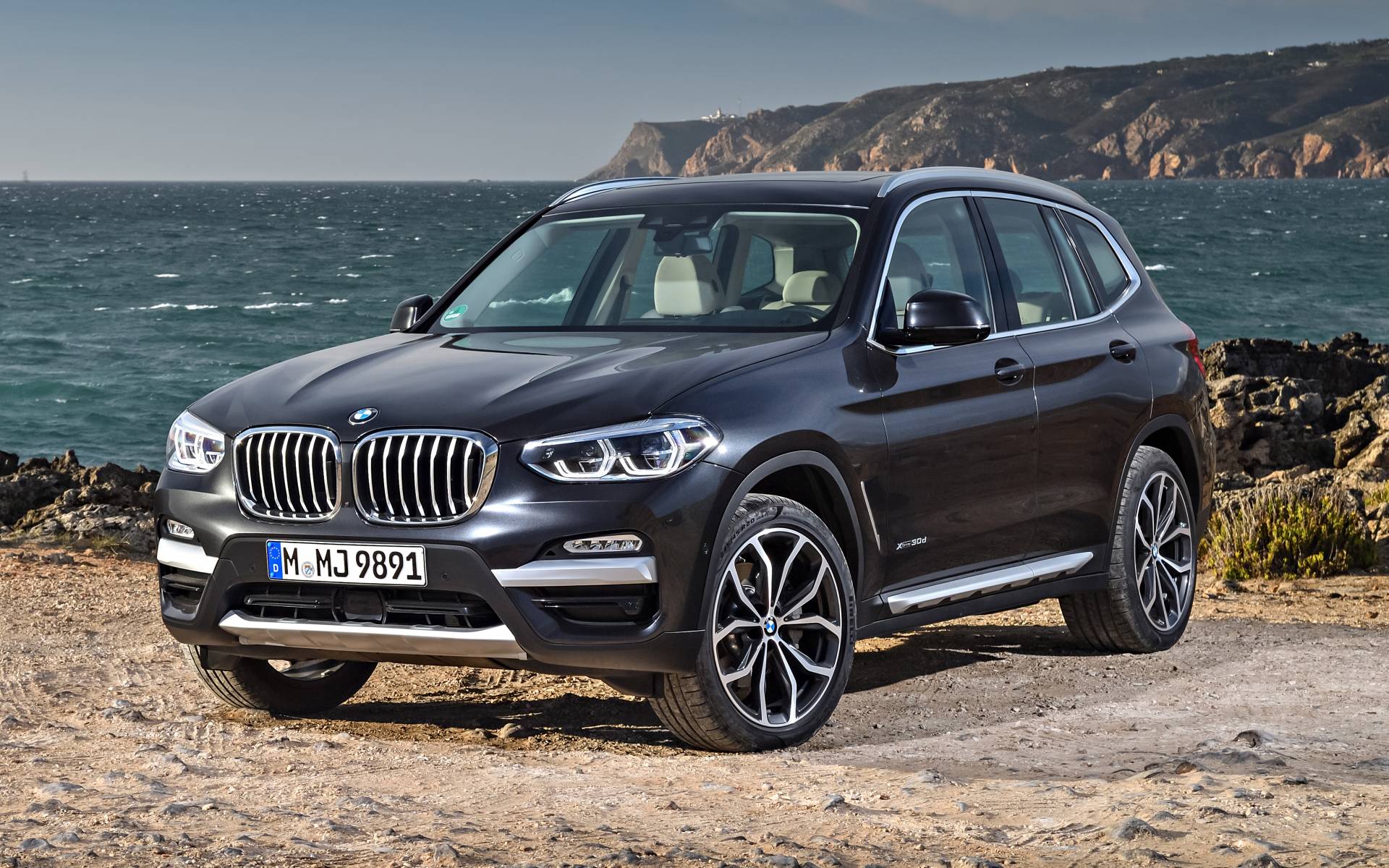
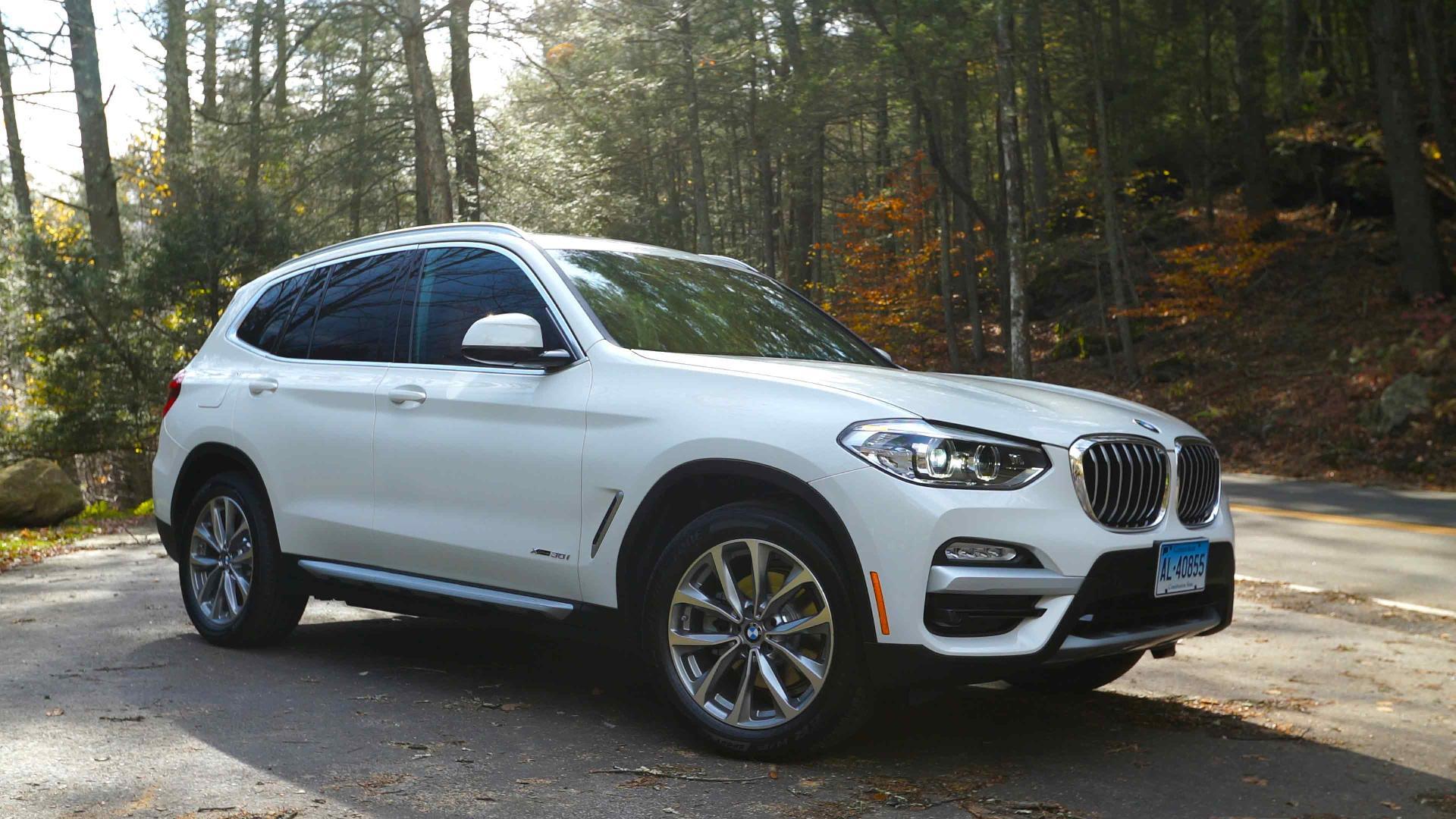
From a distance, the X3 reads as poised and modern. Up close, the details justify the badge. The front fascia tends to look purposeful, with lighting signatures that give the vehicle a focused expression rather than a generic glow. Body lines flow with restraint, and the overall stance suggests stability even before you’ve taken the first corner.
What’s especially appealing is how the design scales down the drama. It still looks premium under varied lighting—dawn, highway sun, or late-night urban reflections. The shape also works in your favor: doors open wide enough for comfortable ingress, and the cabin doesn’t feel like it’s squeezed into a box.
Performance and Handling: The X3 Drives Like It Has a Point
The X3’s driving personality is less about raw theatrics and more about composure. In motion, the vehicle feels balanced—its weight distribution and steering feel tuned to encourage confident inputs. The throttle response, depending on the powertrain you choose, tends to deliver a satisfying sense of cause and effect. Press. Accelerate. Settle. Repeat.
Cornering reveals the strategy: the suspension aims to keep the chassis composed without flattening the character out of it. Road imperfections aren’t ignored, but they’re filtered with a certain maturity. On smooth pavement, the X3 can feel remarkably planted. On rougher surfaces, you’ll still get stability, though the ride becomes more communicative—sometimes a little too much for those who prioritize absolute softness.
Drivers who enjoy a more engaging feel will likely appreciate the steering’s clarity. It doesn’t just tell you where the wheels are pointing; it also conveys traction and friction levels indirectly, through subtle feedback. That’s where a “best-selling” reputation is born—not from one feature, but from a consistent sensation of control.
Engine Options and Real-World Power Delivery
Buyers tend to debate two things: which engine is “enough,” and how the power behaves when you’re actually merging, climbing, or passing. The X3’s lineup varies by model year, but the guiding principle remains the same—choose the powertrain that matches your driving rhythm.
A typical choice in this class is a turbocharged four-cylinder that delivers strong low-end readiness. It’s ideal for city commuting and highway cruising. Pair it with a responsive transmission and the result can feel brisk without feeling frantic. If you prioritize effortless acceleration on longer drives, you’ll want to consider the higher-output variants offered in some trims.
Regardless of the engine, pay attention to how the vehicle manages torque under load. Does it feel strained when the road tilts upward? Does it maintain composure during overtakes? These details often matter more than peak numbers, because daily life is made of short bursts—merges, turn lanes, and the occasional “not now” uphill ramp.
Interior Quality and Comfort: Upholstery, Ergonomics, and Atmosphere
The X3’s interior leans into refinement. Materials generally aim for a premium look and feel, and the fit around panels helps the cabin feel cohesive rather than assembled from mismatched pieces. The seating environment is typically comfortable, with support that balances everyday ease and spirited driving confidence.
Ergonomics matter in a compact luxury SUV, and the X3 tends to deliver. Controls fall to hand with minimal hunting, and visibility is usually strong enough to reduce fatigue. Seats can be adjusted to suit a variety of body shapes, though very tall drivers should still verify headroom and steering wheel reach preferences.
Cabin ambience is another quiet win. Even when the route gets long, the X3 usually maintains an atmosphere that feels calm rather than claustrophobic. Short sentences reflect the immediate impression—clean, considered, functional. Longer ones reflect the longer stay—quiet surfaces, thoughtful placement, and a sense that the vehicle was designed for repetition, not just for photos.
Technology and Infotainment: Navigation, Connectivity, and Usability
Modern drivers expect more than a screen—they expect a system that responds quickly and doesn’t punish you for everyday use. The X3’s infotainment experience generally focuses on clarity: menus that are readable at a glance, controls that reduce distraction, and integration that supports phone connectivity.
Depending on trim, you may find navigation features, driver-assistance displays, audio upgrades, and smartphone compatibility. The question to ask is not whether tech exists—it’s whether it becomes a routine ally. A premium interface should make common tasks quicker than they would be with a pocket device alone.
Pay attention to how the system handles slow network moments and how quickly it resumes after you interact with it. The best systems don’t “show off.” They disappear into the flow of driving. That’s the kind of sophistication that earns trust.
Cargo Space and Practicality: The SUV Reality Check
Luxury is not only about softness—it’s also about space. The X3’s cargo area is designed to support daily life: groceries, duffel bags, and the flexible mess of real schedules. The rear seats generally fold to expand the usable volume, and the loading height tends to feel manageable.
Practicality isn’t merely square footage. It’s also door opening width, floor smoothness, and how easily you can reach items. If you routinely transport gear—strollers, sports equipment, tools—or if your weekends involve loading and unloading, take time to picture your typical scenario.
Long trips benefit from thoughtful storage placement. Short trips benefit too. A cup holder that fits your water bottle. A compartment that doesn’t rattle. These details might seem minor, but they’re the ones that keep the cabin from turning into a cluttered storage yard.
Safety, Driver Assistance, and Confidence on the Road
Compact luxury buyers often want peace of mind without needing to memorize every warning icon. The X3 typically includes a suite of driver-assistance technologies that aim to reduce fatigue and help you avoid common mistakes.
Expect features such as blind-spot monitoring, rear cross-traffic alerts, forward collision warning, and lane-keeping assistance in many configurations. The best of these systems are unobtrusive—alerting you clearly, without nagging you into distraction.
It’s wise to test how the vehicle behaves in real conditions: highway lane changes, stop-and-go traffic, and parking lot maneuvers. A good system doesn’t replace attention; it supports it. Confidence, here, is not about automation. It’s about clarity.
Ownership Costs and Long-Term Considerations
Luxury vehicles are often scrutinized through a different lens: maintenance schedules, tire consumption, fuel efficiency, and insurance premiums. The X3’s cost profile usually aligns with expectations for its class, but your specific experience will depend on your driving patterns.
If you cover long distances, fuel economy becomes a headline number. If you drive mostly in town, tire wear and brake usage may matter more. Temperatures also play a role—cold starts and winter traction can influence both components and comfort.
Consider your local climate and the kind of roads you frequent. The X3 is well-suited for varied environments, but “best” always depends on how you actually commute, not how you wish you did.
Trim Levels and Who the X3 Is For
The X3 fits a specific archetype: drivers who want premium refinement but don’t want to step into larger or more expensive categories. It’s often chosen by professionals, families who need flexibility, and enthusiasts who appreciate crisp steering and a balanced chassis.
Different trims can shift the emphasis. Some configurations prioritize comfort and convenience. Others lean toward performance features, enhanced audio, or more advanced driver-assistance systems. The best path is to match your priorities to the package—don’t pay for features you’ll never use, but don’t underbuy either if you value certain comforts.
When comparing options, ask questions that sound slightly inconvenient, because they yield real clarity: How often will you use the advanced driver-assist features? Do you care about upgraded audio on daily commutes? Will you notice the difference in ride comfort during long drives?
Final Verdict: Why the BMW X3 Continues to Attract Attention
The BMW X3 earns its status not by chasing novelty, but by delivering an appealing blend of competence and character. It offers a premium interior experience, engaging handling, and practical versatility that supports both routine errands and more ambitious plans. Its technology generally aims for usability, and its safety systems help create a driving rhythm that feels steadier than it might in less refined rivals.
In a segment packed with options, the X3 stands out because it feels coherent. Design and driving dynamics speak the same language. Comfort and practicality align instead of competing. If you’re shopping for a compact luxury SUV that doesn’t just look good in a parking lot, the X3 remains a persuasive choice—one that tends to keep earning approval the longer you live with it.