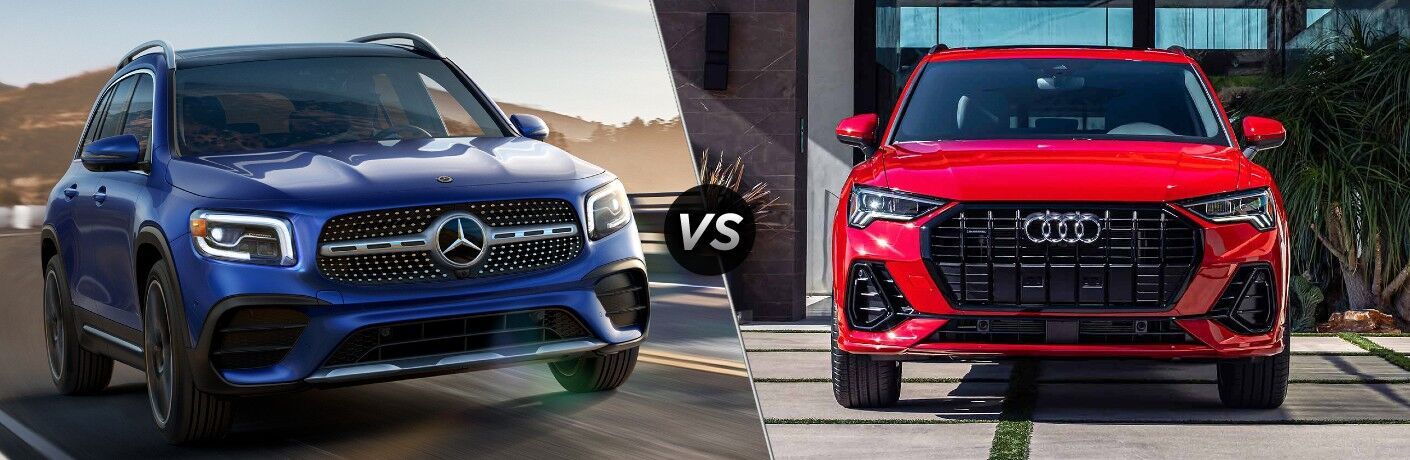
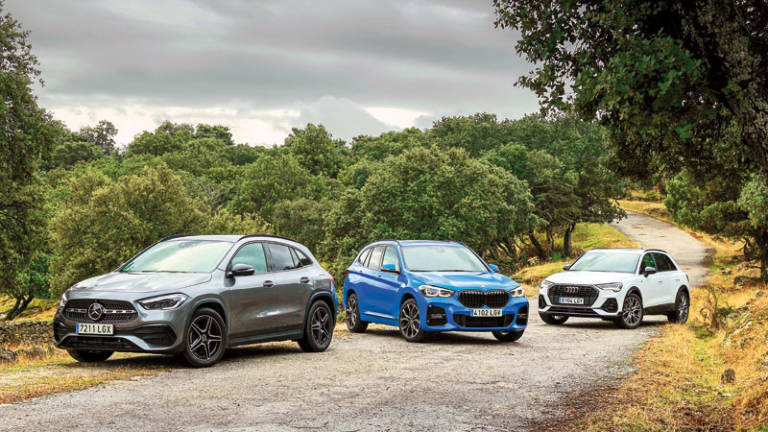
Picture this: you’re standing at the edge of a parking lot that feels like a decision crossroads—three glossy subcompact luxury SUVs glinting under the same sky. The BMW X1, the Mercedes-Benz GLB, and the Audi Q3 all promise premium composure, urban agility, and that unmistakable “I belong here” aura. But here’s the playful question: which one actually fits your everyday life—or is it just looking good in the mirror?
Now for the challenge. Imagine you have one weekend to test all three. You’ll need to merge politely in traffic, tuck gear into the trunk, navigate tight streets, and still keep passengers comfortable. The real winner won’t be the one with the flashiest badge. It’ll be the SUV that turns daily friction into smooth choreography.
Let’s put the BMW X1, Mercedes GLB, and Audi Q3 under the same bright lamp and see what survives.
Three Subcompact Souls: The Character Behind the Badges
On paper, these are all subcompact luxury SUVs. In practice, their personalities diverge quickly. The BMW X1 tends to lean into driver involvement—confident steering feel and an eagerness that makes short drives feel slightly longer in a good way.
The Mercedes-Benz GLB brings a different vibe: it feels composed, practical, and quietly confident. It has an almost “family engineer” mentality—boxy in appearance, but not clumsy. The GLB often reads as the one you choose when you know you’ll use the space.
The Audi Q3, meanwhile, is all about refinement and balance. It often feels like the most harmonized of the trio—cabin ergonomics, visual cleanliness, and a smooth approach to driving that feels composed even when the road gets a bit chaotic.
The trick is to decide which kind of luxury you want: dynamic, pragmatic, or polished.
Exterior Presence: The Look That Completes the Story
Exterior design isn’t only decoration; it affects visibility, packaging, and even how you feel behind the wheel. The BMW X1 typically strikes a sharp, athletic stance. Its proportions can read as taut and ready, like it’s always prepared for the next turn.
The Mercedes GLB leans into its square-jawed form. That boxy silhouette isn’t an accident—it often supports a more upright interior layout. More upright space usually translates into a calmer experience for passengers and a less compromised cargo plan.
The Audi Q3 follows a more streamlined philosophy. It tends to look sleek, modern, and “architected,” with design lines that guide the eye. Some days, you’ll want that aesthetic harmony—especially when you’re commuting and want your car to look as composed as your calendar.
Cabin Ambience: Comfort, Materials, and the Art of Daily Calm
Step inside each SUV and you’ll notice a difference in how luxury is expressed. The BMW X1 often offers a driver-centric cockpit. Controls can feel logically placed, with a tendency toward crisp feedback. It’s the kind of interior that encourages you to keep driving.
The Mercedes GLB tends to emphasize comfort and practicality. The sightlines can feel roomy, and the overall posture of the cabin often supports relaxed conversation. If your car needs to serve as a multi-role space—errands, weekend trips, and occasional passenger overflow—this is where the GLB can start to look like a smart investment.
The Audi Q3 is known for its refined build quality and the calming geometry of the dashboard. Audi interiors often feel “quietly premium,” with surfaces that look and feel intentionally selected.
Here’s a subtle challenge: pretend you’ll sit in the driver’s seat for 45 minutes without changing your routine. Which cabin makes time feel less irritating? That answer matters more than glossy brochure claims.
Technology and Infotainment: Who Makes the Screen Feel Invisible?
Modern luxury SUVs are, in a sense, rolling software platforms. The question is not whether they have screens—it’s whether those screens cooperate with you. The BMW X1 typically offers a driver-oriented digital experience, where navigation, media, and vehicle settings can feel integrated rather than pasted on.
The Mercedes GLB often delivers a polished system with a clear interface. It tends to be intuitive for passengers too, which is a real-world advantage when someone else takes over the music or adjusts climate settings.
The Audi Q3 frequently impresses with responsiveness and a well-organized layout. The infotainment environment can feel smooth and reassuring, especially when you’re switching between apps while moving through traffic.
And here’s the twist: consider how you use technology when you’re stressed. One system might feel elegant, but the winner is the one that reduces mental load.
Space and Practicality: The Weekend-Test Metric
Subcompact luxury SUVs live or die by usability. The Mercedes GLB is often the practical standout. Its upright design philosophy can translate into more comfortable rear seating and a cargo space that feels less like an apology. If you frequently travel with passengers—or haul gear without packing gymnastics—the GLB can be an easy argument.
The BMW X1 is typically efficient in how it uses space. It may not be the roomiest in absolute terms, but it often strikes a balance between compact dimensions and functional storage.
The Audi Q3 usually offers a well-finished and thoughtfully arranged interior. Cargo capacity can be competitive, and the overall ease of loading and organizing matters more than the number on a spec sheet.
Practicality challenge: for each car, imagine loading a stroller, a couple of bags, and a small suitcase. Which one makes the task feel like a simple chore rather than a mini engineering project?
Driving Dynamics: The Heartbeat of Each Choice
Driving feel is where the differences become emotionally vivid. The BMW X1 often delivers sharper steering response and a more engaged driving posture. It’s the SUV that makes you want to take the “slightly longer way” just to enjoy the act of driving.
The Mercedes GLB can be smoother in motion, often prioritizing comfort. It handles everyday roads with a steady temperament—less about flirting with the steering wheel, more about transporting everyone reliably.
The Audi Q3 generally blends composure with refinement. It can feel balanced, especially on mixed surfaces. The result is a driving experience that rarely shocks you—pleasant, consistent, and easy to trust.
Think of it like this: BMW is the spark, Mercedes is the steady rhythm, and Audi is the conductor’s baton.
Safety and Driver Assistance: Confidence Without Drama
In city life and highway cruising, assistance systems are the unseen partners. While specific features vary by trim and market configuration, these luxury models typically provide advanced driver-assistance packages. The real value is how smoothly they operate—whether they feel natural or intrusive.
Try to evaluate them not in theory, but in moment-to-moment behavior. Lane assistance that feels gentle and predictable is a different experience from systems that nag or hesitate.
Fuel Economy and Cost of Ownership: The Long Game
Even if you fall in love on day one, ownership reality arrives promptly. Fuel economy depends heavily on engine choice, driving style, and transmission configuration. Maintenance and insurance costs also tend to follow brand and trim patterns.
But there’s a more important nuance: the best choice is the one whose running costs won’t tempt you into regretting decisions. A car that feels perfect but becomes financially stressful is not truly a win.
Which One Should You Choose? A Clear Decision Path
If you want driver-forward engagement and a cockpit that makes you feel involved, the BMW X1 is likely the most compelling match.
If you prioritize space, practicality, and calm passenger comfort, the Mercedes GLB is the SUV that often turns “maybe later” plans into “let’s do it.”
If you seek refined balance and a quietly premium experience—with an interior that feels harmonized from every angle—the Audi Q3 can feel like the most elegant compromise.
And remember the playful question from the beginning: which one fits your life, not just your imagination?
Final Thoughts: The Best Luxury Is the One That Works
The BMW X1, Mercedes GLB, and Audi Q3 each bring a distinct interpretation of subcompact luxury. One may charm you with dynamism, another with practicality, and the third with refined polish. Yet the true winner is the one that makes daily drives feel effortless, loading errands feel straightforward, and passenger time feel comfortable.
So take the challenge: choose a route you actually drive, bring the kind of items you actually carry, and test how each SUV turns ordinary moments into small victories. That’s when the choice stops being a brochure comparison—and becomes a personal fit.