There’s a particular kind of grin that arrives whenever people mention the Ram 1500 TRX and the Ford F-150 Raptor R. It’s not the superficial excitement of horsepower on a spec sheet. It’s the visceral, almost ceremonial reaction to V8 music, thick steering-wheel heft, and the promise that a truck can feel less like a tool and more like a mechanical manifesto.
And yet, there’s a common observation that often gets repeated in parking lots, on forums, and over hurried coffee: “It’s just another V8 versus another V8.” That line is easy. It’s also incomplete. Because while both trucks do battle in the same arena—high-output performance in a pickup costume—their personalities are composed differently. The fascination runs deeper than acceleration numbers. It’s rooted in engineering philosophy, in how each vehicle interprets chaos, and in why certain drivers crave thunder rather than merely speed.
Let’s step into the V8 madness—properly—by examining how the Ram 1500 TRX and the F-150 Raptor R embody the same temptation while reaching it through distinct paths.
Two Titans, One Thrumming V8 Identity
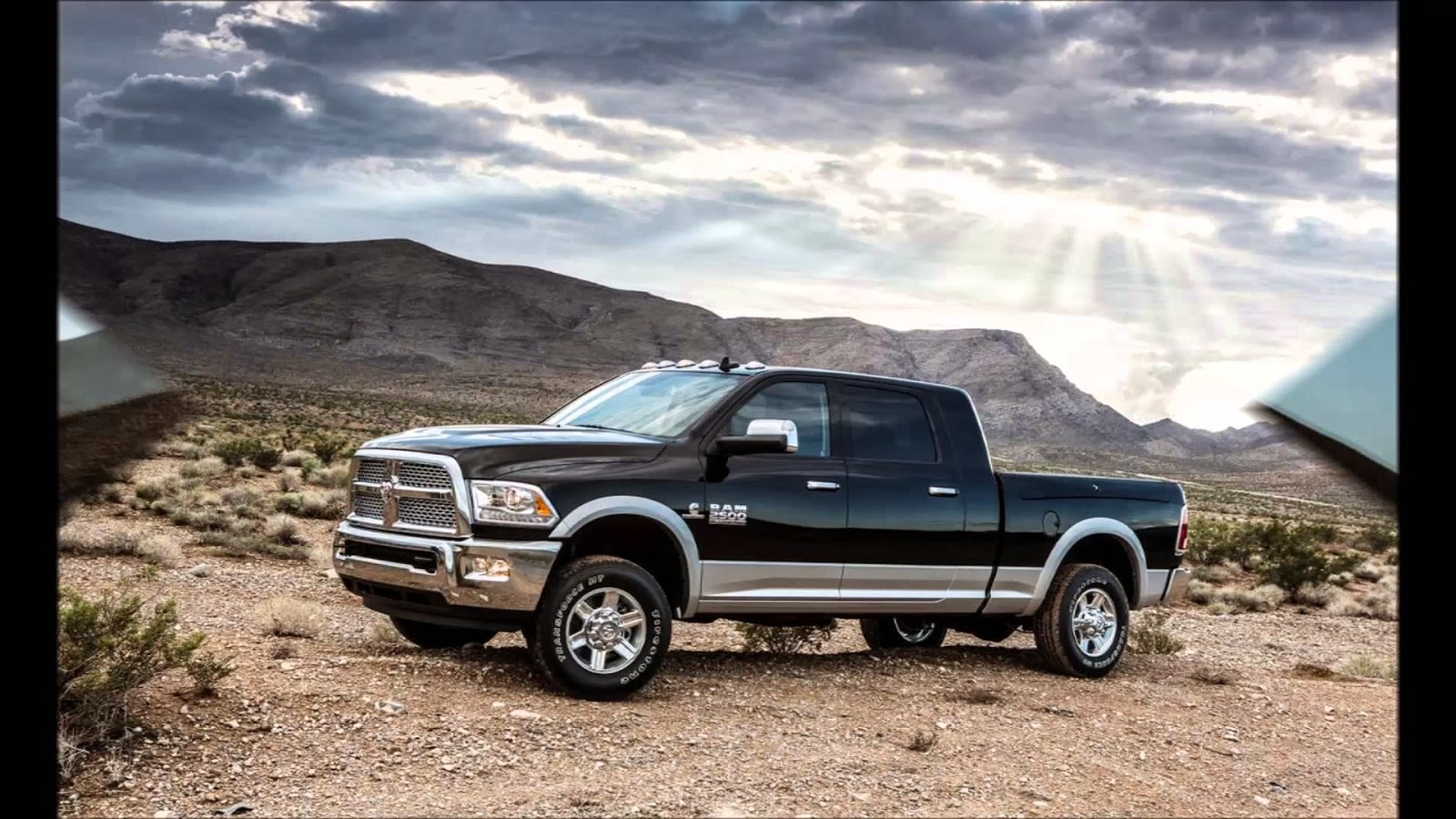
Start with the obvious: both trucks are built to deliver relentless thrust. The debate frequently begins at the engine, but it doesn’t end there. The Ram 1500 TRX channels its energy through a supercharged V8 setup that emphasizes low-end surge and sustained punch. The Ford F-150 Raptor R, meanwhile, is powered by a V8 configuration designed to sound feral and pull hard with a broader sense of immediacy.
Here’s where the common observation breaks down. Yes, they’re both V8-powered. But the sensation behind the power differs. One may feel like a tide that rises fast and refuses to recede; the other feels like a beast that snaps forward with a kind of impatient brilliance.
In other words, you’re not only choosing a truck. You’re choosing a mood: Ram’s supercharged momentum versus Raptor’s performance attitude. That difference is precisely why the fascination refuses to fade.
Acceleration: Numbers Are Neat, Feelings Are Better
People love the straight-line sprint because it’s measurable and comparable. Still, the real question is what the driver remembers after the test run ends. Is it the peak acceleration? Or is it the way power arrives—how the truck behaves in the seconds before maximum velocity?
The Ram 1500 TRX often earns admiration for its ability to hurl you forward with a steady sense of urgency. The throttle response can feel like it’s negotiating with gravity rather than merely overcoming it. Meanwhile, the Raptor R tends to impress with a punchy, dramatic delivery—something that makes even casual roll-ons feel theatrical.
Short bursts reveal character quickly. Longer pulls reveal discipline. Both trucks can deliver drama, but they do it with different pacing. That pacing is an underappreciated ingredient of fascination, because it turns performance into an experience rather than a single event.
Chassis Character: How Each Truck Interprets the Ground
Pickups are supposed to carry weight, not questions. But performance trucks like these turn the ground into a conversation. They ask: How does it grip? How does it absorb? How quickly does it recover?
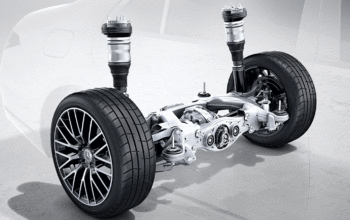
The Ram 1500 TRX leans toward a high-performance street-to-mild-terrain blend, with suspension tuning that balances stability and drama. It feels composed at speed, yet ready to behave when the road changes its tone. The Ford F-150 Raptor R takes a more overtly off-road posture, with suspension and geometry designed to keep the truck planted even when the surface becomes rebellious.
This is where deeper fascination emerges. The TRX can feel like a runway performer disguised as an off-road machine. The Raptor R often feels like a track weapon that happens to have a truck bed. Different metaphors. Same destination: confidence.
Off-Road Capability: Swagger Meets Traction
Off-road ability isn’t just about clearance and tires; it’s about how a vehicle reacts when traction becomes partial, when surfaces distort, and when the driver’s inputs become more hurried than planned.
The Raptor R is widely associated with an approach that treats rough terrain as normal operating conditions. Its stance and suspension strategy aim to tame the chaos, smoothing impact while protecting composure. The TRX, while still formidable off-road, can feel more like a high-powered athlete stepping off the pavement with surprising intent—still capable, but with a slightly different emphasis on how to translate speed into control.
Look closely and you’ll notice the fascination: both trucks inspire the same craving to push further, but they grant it differently. One offers a feeling of dominance through stabilization. The other offers a feeling of dominance through momentum.
Braking and Steering: Stopping Power, Steering Soul
A fast truck that can’t stop confidently is like a great speech that ends abruptly. Both the TRX and Raptor R prioritize braking systems designed to handle frequent aggressive driving. The steering feel is also a defining trait—especially for drivers who care about precision rather than mere responsiveness.
The TRX tends to deliver confident directional control with a weighting that feels deliberate, as if the truck wants to be placed on a line rather than merely followed. The Raptor R often offers steering and suspension feedback that feels busy in a good way—communicating the road’s texture like a live radio signal from the terrain.
These tactile details matter because they affect trust. And trust is the foundation of that lingering “one more run” urge.
Transmission and Drivability: Power That Doesn’t Feel Awkward
It’s easy to chase raw output. It’s harder to keep the truck coherent during real driving. That means smoothness at low speeds, sensible behavior around corners, and control when traction is compromised.
The Ram 1500 TRX is known for delivering power in a way that feels accessible. The truck can be loud and forceful when demanded, yet it doesn’t always demand constant attention. The Raptor R likewise emphasizes drivability, using its performance hardware to remain usable beyond the thrill of a launch.
In both cases, the brilliance is not only in acceleration but also in how the power is managed. Fascination grows when the vehicle feels intelligible, like it’s cooperating with you rather than fighting your intentions.
Technology and Interior Presence: Performance With Personality
A performance truck today is not just a mechanical object; it’s an interface. Drivers want screens, settings, and modes—but they also want ergonomics that make the cockpit feel purposeful.
The TRX interior communicates high intent, with a cockpit designed to feel solid and driver-focused. The Raptor R typically leans into a rugged-performance vibe that pairs off-road readiness with modern tech. Both cabins aim to eliminate the awkwardness of switching between “commute” and “assault mode.”
The deeper charm is psychological: the cabin tells you what kind of day you’re about to have. And once you feel that anticipation, the V8 becomes more than an engine. It becomes punctuation for a lifestyle.
Fuel, Ownership Reality, and the Romance of Commitment
There’s a practical counterpoint to all the excitement: these trucks aren’t gentle on fuel, and performance typically carries a cost. Tires may wear faster than expected. Braking systems may invite maintenance. Any enthusiast knows this, but the fascination survives anyway.
That’s because the ownership experience isn’t purely rational. It’s also emotional. People don’t buy these trucks only to move—they buy them to feel. They want an object that makes ordinary time more interesting. A V8 truck can turn a mundane errand into a short episode worth remembering.
Romance isn’t ignorance. It’s a choice to accept tradeoffs for the sake of a unique sensation. That’s the quiet truth behind the “V8 madness.”
So Which One Wins the Madness?
Choosing between the Ram 1500 TRX and the Ford F-150 Raptor R isn’t about declaring a universal victor. It’s about matching character to desire.
If you crave supercharged, immediate momentum with a performance feel that can still glide into daily life, the TRX fits the appetite. If you want a truck that leans harder into off-road drama while maintaining high-output authority, the Raptor R feels like it was born with dirt in its ambitions.
Either way, the thrill isn’t only speed. It’s the synthesis of engineering and attitude—how each vehicle turns power into control, and control into confidence.
Outro: The Thunder That Refuses to Be Ordinary
In the end, the fascination with Ram 1500 TRX versus Ford F-150 Raptor R isn’t a shallow comparison of V8 counts. It’s a study in how two brands translate appetite into hardware. It’s about the way each truck delivers acceleration, manages the chassis, communicates through the steering, and frames technology inside a cockpit that feels ready for anything.
V8 madness isn’t merely noise. It’s meaning—an insistence that machines can be both capable and captivating. And when the throttle opens and the truck answers with authority, the debate turns irrelevant for a moment. What remains is the grin, the vibration, and the unmistakable sense that the road—and the world—just got more alive.