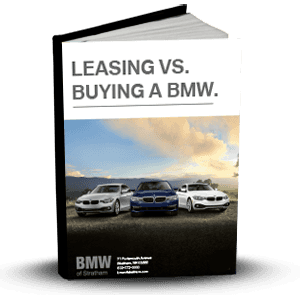
The first time someone sees an M car in motion, it’s rarely just about speed. It’s about presence. The throttle response feels like a sentence spoken in a language you can almost understand. The stance looks sculpted, not engineered. And then, once the fascination takes root, a practical question arrives—quietly at first, then insistently: BMW Lease vs Buy – Which makes sense for M cars?
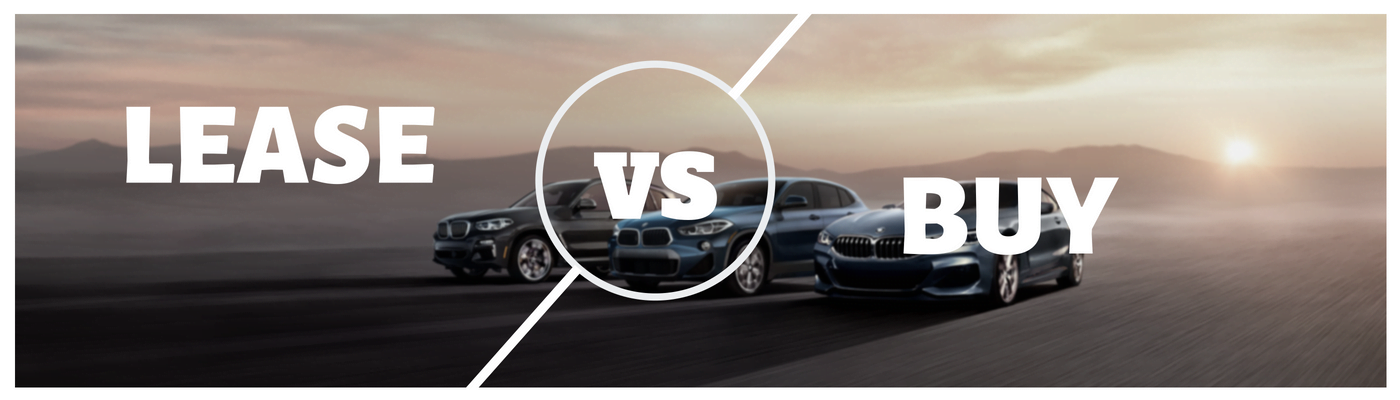
It’s a common observation that “leasing is for people who want a fresh car,” while “buying is for people who want to keep what they love.” That notion is partially true. But with M cars, the story is more interesting. The fascination people feel isn’t only visual; it’s a loop of anticipation, maintenance confidence, and the desire to sync their lifestyle with a machine that seems to exist slightly ahead of its time.
Let’s explore how leasing and buying each align with that loop—financially, emotionally, and mechanically—so the decision feels less like arithmetic and more like a tailored fit.
Why M Cars Feel Different in the First Place
Every BMW M car carries a particular kind of charisma: the sound at low revs, the steering that communicates texture, the way performance hardware is integrated instead of merely attached. It creates a “repeat experience” mentality. Many drivers don’t just want one thrill; they want a reliable cadence of thrills—new tires when needed, warranty coverage during the years they’re most likely to drive, and the option to move on before anything dulls the edge.
This is where the leasing-vs-buying debate takes on a deeper meaning. Leasing can mirror the rhythm of fascination. Buying can mirror the rhythm of devotion. Both can be correct, but each one harmonizes with different temperaments.
Leasing: When Freshness Becomes a Feature
Leasing isn’t simply “paying to use.” It’s a structured experience that emphasizes predictability. You typically pay for the portion of the vehicle you use during the lease term rather than the full cost of the car. For an M car, that can be appealing because the years you enjoy the most are often the years you want to remain protected and flexible.
Shorter ownership horizons can also reduce exposure to market uncertainty. The residual value matters. If the market stays strong, your lease experience tends to feel effortless; if trends shift, your payment structure still tends to remain comparatively stable because the contract is built around projected depreciation.
Still, leasing is not just a convenience decision. It’s an alignment decision. If your driving includes occasional spirited runs, track-adjacent weekends, or simply the kind of commuting that doesn’t feel like commuting, leasing can help keep the ownership period smooth—especially when factory warranties and scheduled service keep friction low.
Buying: When Long-Term Devotion Wins
Buying an M car can feel like choosing craftsmanship over choreography. Instead of planning around lease terms, you plan around your own timeline. The appeal is straightforward: once the loan is repaid, the monthly burden often declines substantially. That’s not a small detail. In many households, the “after” period is where financial relief becomes tangible.
Buying also rewards drivers who keep cars longer, who know their routes, and who are content to let a machine become familiar. There’s a particular intimacy to that. The steering weight becomes your own language. The brake bite is no longer something to be discovered—it’s something you can trust.
And yet, buying has its own hidden truth: you inherit depreciation risk and the responsibility of future maintenance decisions. Performance vehicles may require more frequent attention, and while routine service remains routine, wear items can accumulate with usage. If you drive an M car hard, buying can still be the right call—but it favors drivers who understand that ownership is an ongoing relationship.
The Common Observation—and the Real Difference
People often say, “Leasing is better for keeping payments lower; buying is better for building equity.” That’s the simplified version. The real difference is what each choice optimizes.
Leasing optimizes for mobility and predictability. Buying optimizes for long-range ownership and potential asset recovery. The catch is that M cars attract drivers who don’t just want transportation—they want a specific emotional temperature. Leasing can maintain that temperature without demanding a long commitment to the market’s future. Buying can deepen the connection, but the connection has to survive the realities of time.
In other words: the choice isn’t merely about monthly cost. It’s about what you prefer to control—your timeline or your residual.
Maintenance, Warranty, and the Comfort of Forethought
M cars live in a world where expectations run high. Even when reliability is excellent, the sensation of performance can encourage more frequent use—more road trips, more spirited acceleration, more “just one more” adventure. Leasing tends to pair naturally with the period where the car is most likely to be under warranty coverage, which can soften the psychological load of ownership.
Buying is still compatible with peace of mind, but it requires foresight. Many owners plan for extended coverage, budget for wear components, and treat maintenance as a form of respect rather than an emergency. If you have the habit of staying ahead of service needs, buying can feel remarkably calm over time.
Flexibility vs Consistency: How Your Lifestyle Decides
Your lifestyle is the invisible engine behind the decision.
If your schedule changes—new job, different commute, family growth, shifting interests—leasing can act like a financial shock absorber. You’re less likely to be “stuck” with a specific vehicle configuration. This matters particularly for drivers who want evolving technology, new styling, or the excitement of stepping into a new M model generation.
If your lifestyle is stable and you love the idea of returning to the same car again and again, buying can become a quiet superpower. Consistency turns ownership into routine, and routine turns into control.
Mileage, Risk, and the Spirit of Ownership
M cars encourage movement. That means mileage decisions are not minor footnotes. Leasing often involves mileage allowances and potential overage charges, so you should evaluate your annual driving realistically—not optimistically.
Buying removes those contractual limits, but it increases the importance of your maintenance strategy and your willingness to handle the long tail of ownership costs. The deeper reason people are fascinated with M cars is that they make driving feel like an event. If you’re likely to “event-ize” your drives, both leasing and buying can work—but the structure needs to match your behavior.
Resale and Trade-In: The Invisible Math
Resale is where buying and leasing intersect in unexpected ways. With buying, your future sale price depends on market demand, vehicle condition, and how depreciation plays out. With leasing, your exit is usually more contract-driven, which can reduce uncertainty.
Condition matters in both cases. Tires, brakes, interior wear, and service history can influence outcomes. An M car that’s treated with precision tends to return value—regardless of whether you choose to trade it early or keep it longer.
So, Which Makes Sense for M Cars?
If your priority is freshness, flexibility, and predictable expenses, leasing often makes sense. It complements the fascination—keeping the relationship between driver and machine energized without requiring the long commitment that depreciation and future maintenance might demand.
If your priority is long-term devotion, reduced long-run costs, and the satisfaction of ownership, buying can be the better fit. It rewards drivers who understand that the thrill continues through responsible upkeep and who appreciate the intimacy of a car that becomes truly familiar.
For many enthusiasts, the decision becomes clearer when they ask a simple question: do you want the next chapter to be an option, or a certainty?
Final Thoughts: Choose the Ownership Style That Matches the Dream
M cars are not ordinary vehicles. They’re designed to feel alive, to offer communication, and to turn routine roads into something worth remembering. Leasing and buying both can honor that fascination, but they do it differently.
Leasing tends to protect the excitement with structure. Buying tends to deepen the bond with longevity. Choose based on how you want your story with an M car to unfold—one chapter at a time, or in a single, devoted arc.