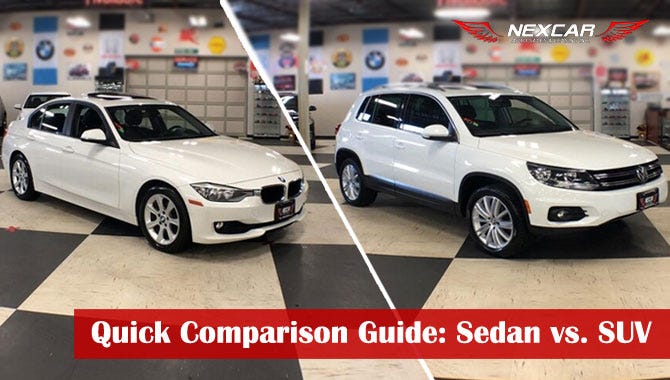
Your next BMW purchase can feel like a maze built from intention, lifestyle, and technology. A sedan whispers refinement. An SUV promises altitude—both literal and emotional. An electric drivetrain introduces silence, immediacy, and a different relationship with range. And the enigmatic “M” badge? That’s where engineering turns into theatre: quick decisions, sharper responses, and a chassis that doesn’t politely ask for permission.
This buying guide is designed to help you recognize what each BMW category is really offering. Not just on paper, but in the way the car moves through a day: the commute, the road trip, the school run, the weekend detour, and the occasional “let’s see what it can do” moment. Along the way, you’ll learn what to look for, what to prioritize, and what tradeoffs tend to show up when expectations and reality disagree.
Sedan vs. SUV: The Character of Motion
Choosing between a BMW sedan and a BMW SUV is less about “bigger” or “smaller” and more about how you want the car to behave when the road gets inconsistent. Sedans tend to be composed and precise, with a lower seating position that sharpens sightlines and makes cornering feel like a conversation. SUVs, on the other hand, elevate your perspective, reduce the friction of getting in and out, and offer a sense of security when weather, traffic, or unpredictable terrain interrupts your plans.
What sedans usually do best: highway composure, steering clarity, and an easy rhythm through tight streets. If your driving life is mostly urban and interstate, the sedan’s balance can feel almost surgical—calm on long stretches and alert in bends.
What SUVs usually do best: versatility and everyday pragmatism. Cargo flexibility becomes a non-issue. Rooflines create headroom for passengers and gear. Visibility often feels broader, especially when parking in cramped areas or navigating dusk traffic.
Still, neither category is “better” in absolute terms. It’s about fit. A sedan may feel like precision tailoring. An SUV may feel like a well-organized utility belt.

Interior Experience: Comfort, Visibility, and Daily Usability
The interior is where ownership becomes either soothing or exhausting. Sedans often deliver a more cocooned, driver-focused feel. The cabin can feel “wrapped,” which is helpful on long commutes and late-night drives. Many drivers appreciate the cockpit-like placement of controls and the reduced sense of bulk around the vehicle.
In SUVs, the cabin typically becomes airy. Doors feel more substantial, and the higher seating position can reduce the strain of repeated entry and exit. That matters more than most shoppers expect—particularly for families, frequent travelers, or anyone with a busy calendar where convenience is a form of sanity.
Also pay attention to visibility. A sedan’s lower hood can make it easier to judge distances in parking situations. An SUV’s higher stance can improve sightlines in traffic and help you spot hazards earlier. The “best” choice depends on where you drive most.
Space and Practicality: Cargo Logic for Real Life
On paper, cargo specs look clean. In real life, cargo behavior is messy: grocery bags tilt, groceries spill, sports equipment needs corners, and sometimes you carry something oddly shaped with the confidence of a person who has never measured it.
Sedans usually provide a trunk-based setup that is straightforward and secure. If your life involves fewer bulky items and more compact loads—laptops, suit bags, luggage, daily groceries—a sedan can be highly efficient.
SUVs often win when variability is the norm. Foldable rear seats transform the vehicle into a moving platform. Even when you don’t haul “big” items, the SUV’s capacity creates room for the unexpected: a last-minute trip, an extra passenger, a stroller, or a weekend toolkit.
Driving Dynamics: Steering Feel, Ride Quality, and Confidence
BMW has historically been synonymous with driving feel, but feel is not one dimension. It’s the sum of steering calibration, suspension compliance, brake bite, and throttle mapping. Sedans frequently feel more immediate—especially when the road is narrow and the turn-in needs to be precise. That can be thrilling, but it can also demand more attention from the driver in dense traffic.
SUVs can be sporty too, though the driving experience often leans toward stability and reassurance. The center of mass may feel different, and the suspension may tune for composure over razor sharpness. Many modern BMW SUVs use sophisticated damping strategies to make this gap feel smaller than it used to.
One useful mindset: ask yourself whether you want the car to feel connected or protective. Connected doesn’t mean stiff, and protective doesn’t mean slow. It’s about the emotional signature the vehicle carries through every mile.
Electric BMWs: A Different Kind of Ownership
Electric BMWs can be a revelation. The first thing you notice is silence. Then you notice the torque—how quickly the car responds to your intention. But the true buying decision isn’t just about acceleration. It’s about infrastructure, habits, and the way range becomes a planning tool rather than an anxiety trigger.
Consider how your day actually looks. If you have reliable home charging or consistent workplace access, electric ownership often becomes remarkably convenient. If charging is uncertain, you may need to structure trips around available stations.
What to evaluate before buying an electric BMW: charging speed (for your available chargers), cable access and setup, and whether the vehicle’s navigation planning fits your travel patterns. Also consider seasonal behavior. Cold weather can influence range, and that’s not a flaw—it’s physics.
Electric driving changes your muscle memory. One-pedal driving, regenerative braking, and smoother torque delivery can make the car feel calmer. The tradeoff is learning a new rhythm: you’re not simply pressing a pedal; you’re modulating energy.
Charging Reality: Home, Work, and Public Networks
A strong charging plan is a quiet superpower. Home charging provides predictability—your battery begins each morning with intent. Workplace charging can extend that ease, especially for repeat commuters. Public charging matters when trips expand beyond routine.
Before committing, map your usual routes. Identify the likely charging points you’d rely on during detours. Then ask: do you have the patience and time to wait when you must? Fast charging is powerful, but utilization can vary by location and season.
Also consider documentation and logistics. Some charging setups require account configuration, app management, or payment methods. These steps are manageable, but the “surprise” factor is real.
SUV vs Electric: Where the Technologies Collide
An electric SUV doesn’t merely combine two categories—it changes expectations. The added mass of battery systems can influence ride feel and efficiency, yet modern BMW engineering often offsets these effects with refined suspension tuning and intelligent power management.
Electric SUVs can be ideal for people who want versatility without compromising performance. The torque helps with confident merging. The cabin quiet supports long drives. And the elevated seating position can make electric ownership feel more like a smooth, effortless routine.
Still, consider your storage habits. Electric models may present packaging changes that affect how certain cargo areas are shaped. Measure what you usually carry. Don’t trust assumptions.
The “M” Factor: When Sport Becomes a Lifestyle
BMW “M” models exist for drivers who want feedback. They deliver sharper steering response, more purposeful power delivery, and a chassis tuned for more than just comfort. An M car often feels like a promise: you can drive normally, but the car is ready to escalate when you decide to.
Buying an M model requires honest self-assessment. Ask how often you’ll use the capabilities you’re paying for. If your driving is mostly slow urban traffic, the full performance envelope might stay underused. That’s not automatically a problem; some buyers want the aura of capability. But it’s wise to be aware.
M cars can also influence maintenance decisions. Tires may wear faster due to performance alignment and driving style. Brakes can experience different thermal cycles. Insurance considerations may differ as well. These aren’t reasons to avoid M vehicles—they’re reasons to plan.
Choosing the Right M for Your Roadmap
Not every M buyer wants the same intensity. Some seek track-ready aggression. Others prefer a balanced approach: a sports sedan that behaves like a daily driver but still delivers sharp reactions on twisty roads. The key is selecting the M variant that matches your typical week.
Start with your roads. If you drive mountain passes or curvy highways, responsiveness becomes meaningful. If you primarily commute, comfort and efficiency might matter more than peak performance metrics.
Also consider how you want the car to sound and feel at low speed. Many drivers underestimate how often they sit in traffic and how the car’s refinement level affects the experience.
Options, Packages, and How to Avoid Buyer’s Remorse
BMW builds personalization into the process, but options can become a trap if the buyer doesn’t prioritize. The best strategy is to list your must-haves before browsing. Think about driver assistance features, seating comfort, infotainment preferences, and wheel sizes.
Wheel size is a surprisingly common regret. Larger wheels can look dramatic, but they may impact ride comfort and tire cost. Similarly, advanced lighting and driver assist packages can be brilliant when you drive at night often, but less essential if your schedule is mostly daylight commuting.
Take time to understand what each package changes. A package is not just a collection of features—it’s an arrangement of priorities that determines how the car fits your life.
Test-Drive Strategy: The 45-Minute Experiment
A test drive should not be a single loop around the dealership. Instead, treat it like a structured experiment. Start with low-speed maneuvers: parking, lane changes, and brief braking. Then shift to highway comfort: stability, noise levels, and whether the car feels relaxed at cruising speeds.
Next, evaluate responsiveness. Notice throttle mapping, brake feel, and steering weight. Then test the cabin environment—ventilation, seating support, and how controls are laid out when you’re distracted by normal life.
For electric models, pay attention to the driving “texture.” Regenerative braking can feel different depending on the setting. Spend time in stop-and-go traffic to understand how the car behaves at low speeds.
Budget Reality: Total Cost Beyond the Price Tag
BMW buying isn’t only about acquisition cost. Think in terms of total ownership. Insurance, fuel or electricity rates, maintenance schedules, tire replacement, and financing terms all shape the real monthly expense.
Electric models often reduce some drivetrain costs, but they may carry higher upfront pricing and require charging-related investments. M models can add performance-oriented wear costs. Sedans and SUVs have their own variations, particularly related to tire size and brake wear patterns.
Budget with honesty. If you can comfortably afford the car’s operating cost, you’ll enjoy it longer.
Content Readers Can Expect: What to Compare, Not Just What to Admire
When shoppers look at BMW categories, they often focus on aesthetics and headline performance. This guide emphasizes different kinds of content you’ll encounter and how to interpret them. You’ll see feature lists that describe technology in tidy bullet points. You’ll also see lifestyle arguments about why one body style suits “real life.” The strongest comparisons do both.
Look for content that includes driving context: how the car handles commuting, how it behaves at night, how the cabin feels over time. Seek comparisons that show tradeoffs rather than just triumphs. A thoughtful review explains what surprised the driver—sharpness, noise, charging behavior, visibility, and everyday ergonomics.
Final Choice: Match the BMW to Your Identity
In the end, the best BMW is the one that matches the way you live, not merely the way you drive when you’re feeling brave. A sedan can embody refined focus. An SUV can represent adaptable confidence. Electric can offer quiet acceleration and a new energy rhythm. An M model can transform everyday travel into a more alert, more expressive experience.
Choose with clarity. Test what matters. Verify what you assume. And when the decision clicks, you’ll feel it—not just in the spec sheet, but in the way the car welcomes your next mile.