What if your commute could feel like a small superpower—quiet, brisk, and still ready to pounce when the road tilts upward? The BMW 330e plug-in hybrid sedan invites exactly that daydream. It sits at a fascinating intersection: the poise of a 3 Series, the efficiency of electrification, and the everyday practicality that makes “one car for everything” less of a slogan and more of a plan.
Yet, before you picture effortless charging utopia, here’s a playful challenge: can you live with a second personality? A plug-in hybrid doesn’t just change how the engine runs—it subtly reshapes your habits. Charging routines. Driving modes. Range expectations. The 330e asks you to pay attention in a way a conventional car rarely does. Let’s see how compelling—and how demanding—that can be.
First Impressions: The 330e Still Looks Like a 3 Series
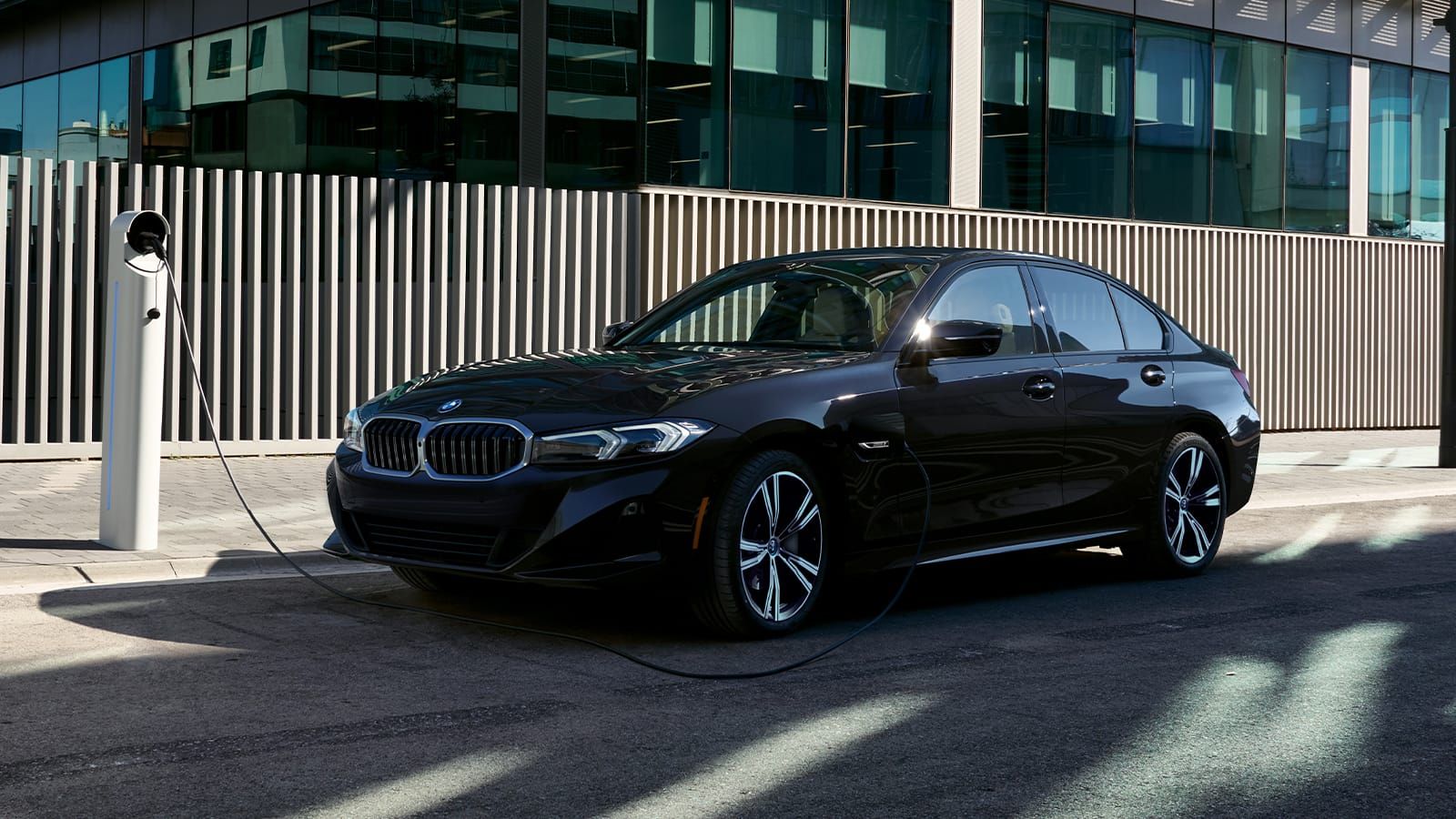
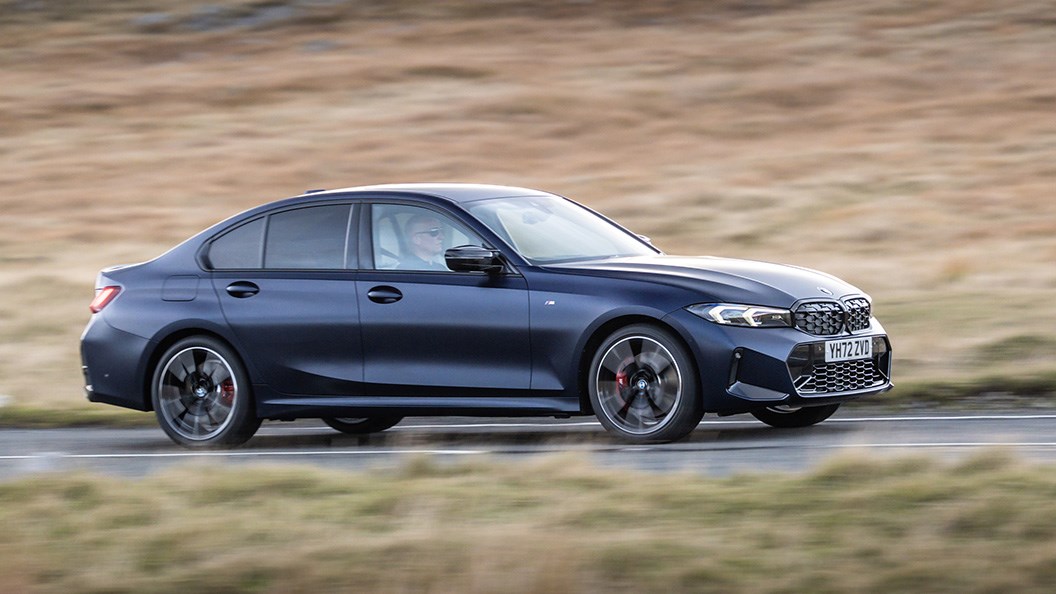
Even when electrification enters the conversation, BMW keeps its visual language coherent. The 330e wears the familiar long-hood, short-deck stance—an arrangement that visually signals momentum. The body lines are crisp, and the lighting signatures feel deliberate rather than merely decorative.
But the most interesting detail isn’t always obvious at a glance. The presence of plug-in hardware subtly changes the story. It’s like the car has an additional “breathing pattern.” Some mornings it’s dressed for silence. Other evenings it’s ready for the familiar orchestration of internal combustion.
Powertrain Personality: Electric First, Then the Engine Joins the Ensemble
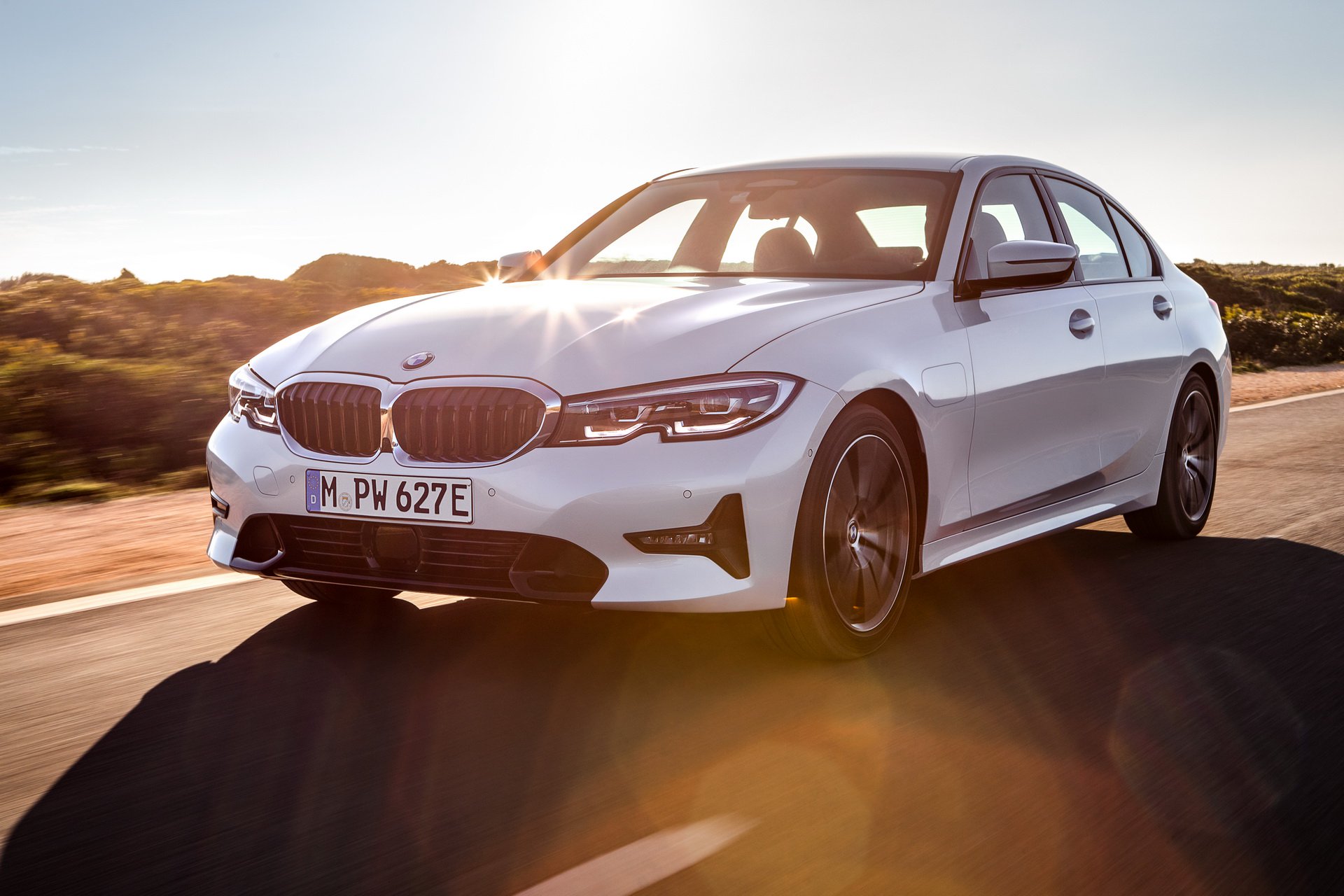
The BMW 330e’s charm is its dual nature. In electric-leaning scenarios, it can glide with unusual smoothness. The initial response feels immediate, almost scalpel-like—torque arriving without the usual delay that many drivers associate with engine-only acceleration.
When the battery depletes or you demand more, the gasoline engine seamlessly integrates. The transition aims to be nearly imperceptible, but the sensation of the car “shifting roles” is still there if you drive with attention. It’s less like switching channels and more like a duet: the engine adds rhythm, the electric system adds punch.
Here’s the potential challenge: do you tend to drive on instinct, or do you like to plan? The 330e rewards both, but it especially rewards drivers who learn the rhythm of their own pedal habits. Light throttle often stretches electric miles farther than you might expect, while frequent bursts can encourage the engine to wake up sooner.
Driving Dynamics: Balanced, Composed, and Surprisingly Engaging
BMW’s chassis philosophy remains the center of gravity. Even as a plug-in hybrid, the 330e aims to preserve that “connected” feel—the sensation that the car is reading the road and translating it to your hands with minimal drama.
Steering weight and road feedback tend to land in a sweet spot: communicative without being tiring. Cornering confidence comes from a familiar blend of stability and agility. The car may carry additional mass typical of electrified systems, but the overall composition tries to keep that from turning into wallowing or sluggishness.
In everyday traffic, the suspension behavior feels tuned for real life: dips, expansion joints, and uneven pavement don’t feel like they’re trying to unsettle you. On faster roads, the 330e maintains composure, and the power delivery helps the car remain calm through acceleration zones.
Interior Atmosphere: Premium Ambience with a Slightly Futuristic Edge
Climb inside and you’ll find an environment engineered for focus. Materials and fitment generally aim for quiet confidence. The cabin feels designed to reduce distraction, and the ergonomics are intended to keep you anchored—one hand on the wheel, eyes forward, mind pleasantly occupied by the drive.
The hybrid nature shows up in subtle ways: driver information can highlight energy flow, and the interface often nudges you toward mindful operation. In other words, the 330e doesn’t only transport you. It educates you, gently.
Technology and Infotainment: Information Without Overload
Modern BMW interfaces aim to balance clarity with capability. Navigation and media control are typically straightforward, and driver assistance features often present themselves with a sense of order rather than chaos.
Because this is a plug-in hybrid, energy-related displays become part of the daily conversation. You can often see when you’re drawing from the battery, when the engine is contributing, and how driving style affects efficiency. It’s like having a co-pilot who occasionally whispers, “That’s clever,” or “Try again.”
The question becomes: do you enjoy that kind of metered feedback? If you love data, the experience is satisfying. If you prefer to ignore everything beyond the road, the 330e can still work—but you may need to tune your comfort with the additional information.
Range and Charging Reality: The Battery Is a Tool, Not a Fairy Tale
Let’s address the practical centerpiece: plug-in range and charging capability. On shorter trips—especially those with predictable start-stop patterns—the 330e can use electricity as a primary mover. That’s where the car feels most magical: silent rollouts, smooth low-speed behavior, and an efficiency profile that makes sense for daily life.
Charging at home is the ideal scenario. Having the car ready each morning transforms the experience from “I hope I can” to “I know I can.” Charging away from home introduces variability—public chargers, timing constraints, and sometimes the logistics of real schedules.
Potential challenge number two: will you set a routine? Even a small routine—same time, same charger schedule, a quick check of the battery status—can dramatically change your sense of ownership. A plug-in hybrid is still a car, but it also becomes a small household system.
Fuel Economy and Efficiency: Where the 330e Earns Its Keep
Efficiency is the 330e’s strongest argument. When you can drive in electric mode for meaningful stretches, fuel consumption can drop dramatically compared to a traditional gasoline sedan. Even on mixed trips, the ability to store energy and re-deploy it during acceleration can produce a noticeable improvement.
However, the 330e also teaches a lesson about expectations. If you consistently skip charging and rely mostly on the engine, it behaves more like a conventional performance-oriented sedan with electrification as an auxiliary feature. In that scenario, the “best case” efficiency won’t materialize.
So the driver’s role matters. The car doesn’t merely perform—it collaborates.
Comfort and Usability: Daily-Drive Competence
Comfort is where the 3 Series formula continues to shine. Noise insulation is generally refined, and the seating position tends to suit long drives. The cabin layout often supports effortless daily living: controls are reachable, visibility is adequate, and the overall posture feels balanced.
Rear-seat comfort is typically in line with what you’d expect from the class—good for everyday use, with enough space for passengers to settle in without constant fidgeting. Trunk practicality matters too, especially when life requires groceries, bags, or the occasional errand that expands beyond the original plan.
Ownership Experience: The Plug-In Lifestyle Compatibility Test
Owning a plug-in hybrid is partly about engineering and partly about lifestyle fit. The 330e’s greatest benefits show up when you can charge consistently and when your routes align with electric-friendly usage patterns.
If your commute is predictable, the car can feel like it’s reading your schedule in advance. If your routes are erratic, you’ll still enjoy refinement and performance, but you’ll need to approach charging with flexibility.
BMW’s engineering typically encourages thoughtful use rather than passive acceptance. That’s the heart of the challenge: will you treat the 330e as a clever tool, or as a normal car with an extra plug?
Verdict: A Playful Question, and an Honest Outcome
The BMW 330e plug-in hybrid sedan is for drivers who want sophistication without surrendering efficiency. It delivers the core character of a 3 Series—balance, poise, and a sense of intent—while layering electrification into daily driving.
So, can you live with the two-mode mindset? If you’re willing to charge intentionally and drive with a bit of curiosity, the 330e can feel remarkably rewarding. It turns routine errands into opportunities for silent acceleration and fuel savings, not just transportation.
And if you do nothing at all—if you ignore the battery, skip the routine, and treat it like a gas car—you’ll still get a capable sedan. But you won’t get the full spell.
Ultimately, the 330e isn’t just a car. It’s an invitation: to drive a little smarter, to pay attention for a change, and to see how electrification can fit seamlessly into a life already moving fast.