There’s a particular moment tall drivers recognize instantly: you slide into the seat, and everything either clicks into place—or it doesn’t. The steering wheel lands in the sweet spot, your knees stop staging a silent revolt against the dashboard, and your headroom doesn’t feel like it’s auditioning for the role of “ceiling contact.” For many people, headroom isn’t just a comfort metric. It’s a gateway to confidence. And once you’ve felt the freedom of an accommodating cabin, it’s hard to go back.
That’s why the question “Are the best 2026 hatchbacks actually good for tall drivers?” matters. It’s not only about whether a number on a spec sheet looks generous. It’s about how a car behaves around the human body—how seat shape, pedal geometry, roofline styling, and even the packaging decisions of the engineers conspire to either elevate or frustrate your daily commute.
Let’s run a headroom test through the most promising 2026 hatchbacks, with an enthusiastic focus on tall-driver friendliness. We’ll address the common observation—“hatchbacks are cramped”—then crack open the deeper reasons people can’t help but fall for them anyway.
Why Tall Drivers Feel Hatchbacks Differently
It’s easy to dismiss hatchbacks as “smaller.” But the cabin experience is rarely about sheer size. It’s about vertical tolerances and how the car uses its roof volume. A sedan might waste space with a conventional roofline, while a hatchback can be sculpted to keep the greenhouse buoyant even when the overall exterior looks compact.
Here’s the twist: tall drivers often worry about headroom because they measure it emotionally. If the roofline dips abruptly, the mind interprets it as constraint—even before the tape measure confirms anything. Meanwhile, tall-driver comfort also depends on seat cushion height, lumbar support design, and how far the seat can slide down and back. Two hatchbacks can have similar headline figures, yet one feels expansive while the other feels like a fitted suit with the sleeves slightly too short.
Headroom Test: How Tall Drivers “Really” Measure Space
Forget the generic “stand back and stare” method. The practical headroom test is a choreography. First, the driver positions themselves as they would in real life: back against the seatback, shoulders relaxed, elbows at a comfortable bend. Then it’s all about the micro-adjustments.
For the test, tall drivers should check:
1) Head clearance at natural driving posture (not stretched tall, not slouched).
2) How the seat adjuster range behaves—especially the ability to lower the seating position without losing support.
3) Fore-aft knee room—because headroom alone can’t save you from pedal crowding.
4) Roofline proximity when you turn your head—a surprisingly important factor during lane changes and parking maneuvers.
And yes, this is where hatchbacks often surprise people. Their cockpit can feel more “architected” than expected. The roof might not be tall in absolute terms, but the interior volume is arranged with deliberate intent—often giving drivers a sense of airy height right above the seat’s pivot point.
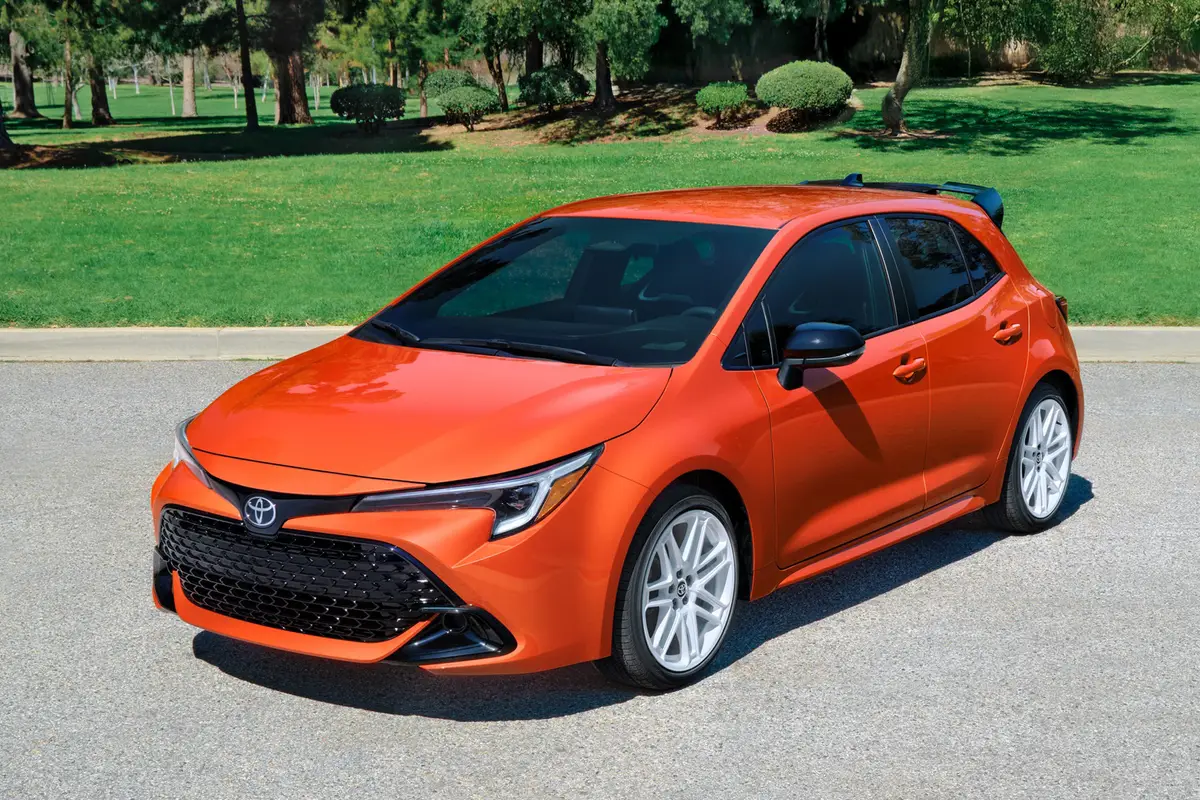
2026 Toyota Corolla Hatchback FX Edition: A Cabin That Feels Less Like a Box
The 2026 Toyota Corolla Hatchback in FX Edition trim leans into a familiar comfort philosophy while still courting the playful side hatchback fans love. Tall drivers tend to appreciate cabins that don’t punish them with awkward angles. This is where the Corolla’s layout can work in your favor: visibility is generally friendly, and the driver’s seating area tends to feel cohesive rather than piecemeal.
During the headroom test, focus on how the roof feels after the seat is set. Many cars can look fine at first glance, then close in when you adjust for your true posture. The FX Edition’s cabin styling typically helps maintain a natural line of sight and a sense of separation between your head and the greenhouse.
Look for these tall-driver wins:
Seat height adjustability: the ability to lower yourself without compromising thigh support.
Steering wheel relationship: whether your shoulders remain relaxed at a normal reach.
Roofline forgiveness: the sensation that your head isn’t “locked” into a single spot.
And here’s the deeper fascination: people love hatchbacks because they’re compact without feeling like compromises. They’re the automotive equivalent of a well-designed studio apartment—tight, yes, but cleverly arranged so your life doesn’t feel squeezed.
Headroom Isn’t Only About Vertical Space—It’s About the Entire Triangle
Tall drivers often discover an uncomfortable truth: headroom and knee room form a triangle. If headroom is decent but knee room is cramped, you’ll sit with a compensating posture. That compensation can move your torso upward, causing your head clearance to shrink in practical reality.
So when evaluating 2026 hatchbacks, test:
Seatback angle: too upright can push your ribcage upward.
Pedal spacing: whether your left foot naturally rests without reaching.
Center console intrusion: some cars make the midline feel narrower than it is on paper.
Short sentences matter here because the takeaway is simple: the best hatchbacks for tall drivers don’t just have a number. They protect the whole seating geometry.
Design Details Tall Drivers Can Spot in 30 Seconds
Before you even sit down, you can predict much of the cabin experience. Tall drivers should scan the door opening, roofline taper, and the shape of the A-pillars. A-pillars that intrude sharply can force a more upright head position. That upright position crowds your clearance.
Inside, check:
Seat shape: high bolsters can press your hips and shift your torso upward.
Headliner cut: some cars have a “high comfort dome” that feels generous even when it isn’t literally taller.
Sun visor travel: if it hits your view angle or interferes with your head position, that’s a quiet warning.
Uncommon but real: hatchback cabins sometimes feel like they “float” because the window frames and headliner patterns create an illusion of vertical extension. It’s not magic. It’s visual ergonomics.
The Deeper Reasons People Fall for Hatchbacks
Yes, hatchbacks can be practical. But fascination comes from character. Hatchbacks often deliver a sensation of immediacy. You feel connected to the car, not separated by a long dashboard. That intimacy can be addictive—especially for drivers who want their vehicle to feel responsive in everyday scenarios like merging, quick turns, and city parking.
For tall drivers, the fascination can be even stronger. When a hatchback accommodates you comfortably, it flips a stereotype. The car becomes not just “usable,” but surprisingly right. That emotional congruence matters. It’s the moment you stop thinking about adjustments and start thinking about momentum.
Best Practices: Getting Comfortable in Any 2026 Hatchback
Even the best headroom test can fail if the setup is wrong. Here’s a tall-driver-friendly routine:
1) Lower the seat until your shoulders feel relaxed, then fine-tune upward just enough to maintain sightline clarity.
2) Position the steering wheel so your elbows have a soft bend at full control reach—no shoulder hike.
3) Set the pedal distance by adjusting seating fore-aft. Don’t chase knee room by hunching your back.
4) Do a quick “head turn test.” Look over your shoulder like you’ll actually drive, not like you’re posing.
This routine is fast. It’s also brutally effective.
Choosing the Right Hatchback: What to Prioritize
When tall drivers shop, it’s tempting to fixate on headline clearance. But the smartest approach is layered prioritization:
1) Seat adjustability range (especially downward movement).
2) Cabin openness around the A-pillars (visibility and head angle).
3) Knee and foot room balance (so posture doesn’t become a compromise).
4) Roofliner shape (how it feels when you shift your head during driving).
With these priorities, the right 2026 hatchback stops being a gamble. It becomes a confident choice.
Final Word: Tall Drivers Deserve Hatchbacks That Feel Like Home
The common observation that hatchbacks are cramped often stems from real experiences—but it doesn’t tell the full story. The best 2026 hatchbacks for tall drivers don’t merely “fit.” They respect your posture, protect your sightlines, and maintain a cabin atmosphere that doesn’t feel like it’s closing in on you.
When headroom, seat geometry, and visibility align, the hatchback becomes more than a category. It becomes a daily companion—compact, lively, and surprisingly accommodating. And once you’ve found that sweet spot, you’ll understand why hatchbacks earn devotion in the first place: they make even routine drives feel a little more alive.