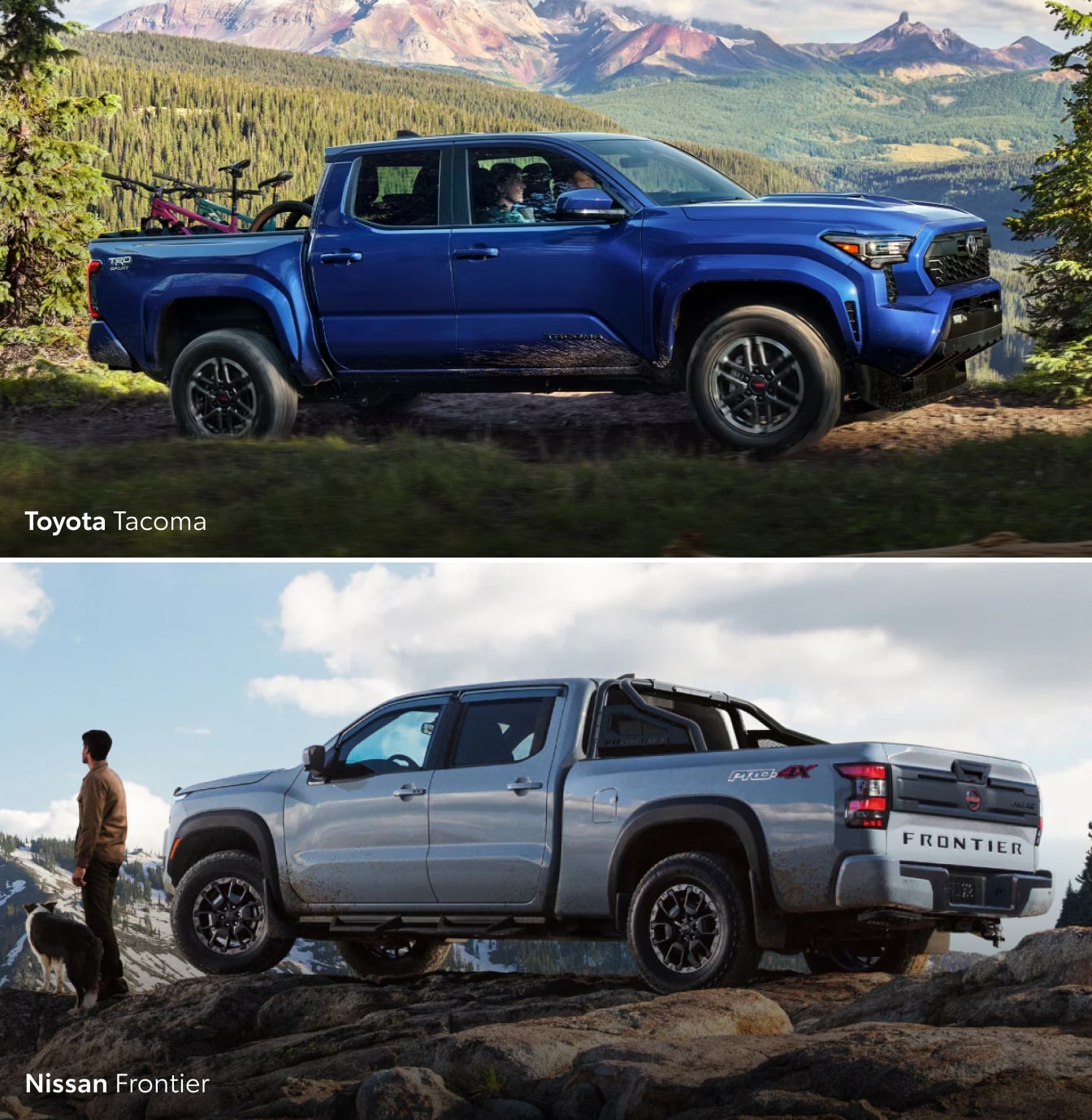
In the rugged world of midsize trucks, two titans stand poised to redefine the battlefield for 2026. The Toyota Tacoma and Nissan Frontier aren’t just vehicles—they’re promises wrapped in steel, each vying to outlast the other in a duel of endurance and practicality. But this isn’t just about brute strength or towing prowess. It’s about the value you extract from every mile, every gallon of gas, and every twist of the wrench. Which one delivers more than just a truck? Which one shifts the paradigm of what a midsize pickup should be? Buckle up. The road ahead is unforgiving—and the stakes couldn’t be higher.
Reliability: The Silent War Beneath the Hood
When the asphalt heats up and the engine hums under duress, reliability isn’t just a feature—it’s a lifeline. Toyota has long wielded its reputation like a shield, and the 2026 Tacoma is no exception. With a powertrain refined over decades of off-road trials and urban commutes alike, Toyota’s twin-turbocharged V6 engine delivers a symphony of torque without the crescendo of catastrophic failures. The brand’s legendary durability isn’t folklore; it’s a testament etched into every bolt and bearing. Toyota’s hybrid variant, rumored to debut in 2026, could further cement its dominance, offering a whisper-quiet efficiency that belies its rugged exterior.
Enter the Nissan Frontier, a phoenix rising from the ashes of its predecessor’s lackluster reliability. Nissan’s engineers have poured their blood into a revamped platform, swapping out the old V6 for a turbocharged 3.8L V6 that promises both power and longevity. Early whispers suggest improved cooling systems and reinforced drivetrain components—critical upgrades in a segment where overheating and transmission woes have historically nipped at buyers’ heels. But can Nissan’s fresh start outlast Toyota’s entrenched fortress? The answer lies not in brochures, but in the long shadows of real-world use.

Consider this: Toyota’s resale values remain untouchable, a silent endorsement of its reliability. Nissan’s challenge isn’t just to match that trust—it’s to make drivers forget the Frontier’s past missteps. The 2026 model’s warranty, rumored to stretch to 5 years/60,000 miles, is a bold overture. But in the reliability arena, promises are only as strong as the vehicles that uphold them.
Value Proposition: More Than Just a Price Tag
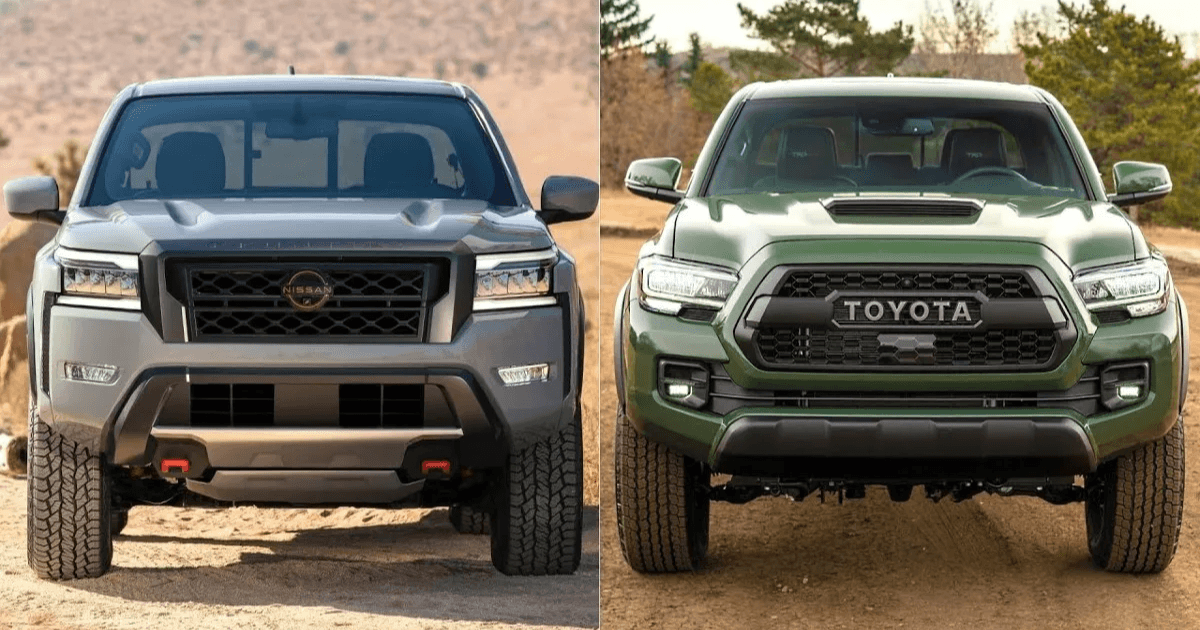
Value isn’t measured in dollars alone—it’s the alchemy of cost, capability, and convenience. The 2026 Tacoma’s starting price hovers around $35,000, a premium justified by its bulletproof reputation and a suite of advanced tech that feels decades ahead of its rivals. Toyota Safety Sense 3.0, available on higher trims, turns the cabin into a cocoon of collision avoidance and adaptive cruise control. But premium comes at a price, and for budget-conscious buyers, the Tacoma’s value equation might tilt toward the abstract.
The Frontier, on the other hand, enters the fray with a starting price closer to $30,000, a gap that widens when comparing mid-tier trims. Nissan’s strategy is clear: undercut the competition while packing in features like a standard 8-inch touchscreen and available ProPilot Assist, a semi-autonomous driving aid that’s rare in this segment. The Frontier’s value proposition hinges on its ability to deliver Toyota-level capability at a discount—no small feat when the Tacoma’s resale value is a silent siren call for long-term owners.
Yet value extends beyond the showroom. Factor in fuel economy: the Tacoma’s hybrid variant could achieve up to 28 MPG combined, while the Frontier’s turbocharged V6 sips fuel at a respectable 22 MPG combined. Over five years, that difference could save hundreds—perhaps thousands—of dollars. But value isn’t just about savings; it’s about the intangibles. The Tacoma’s brand cachet might justify its higher upfront cost for some, while the Frontier’s affordability could lure those who prioritize immediate gratification over legacy.
Off-Road Prowess: Where Rubber Meets the Road (and Dirt)
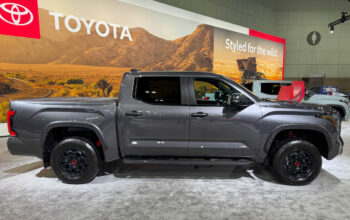
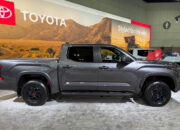
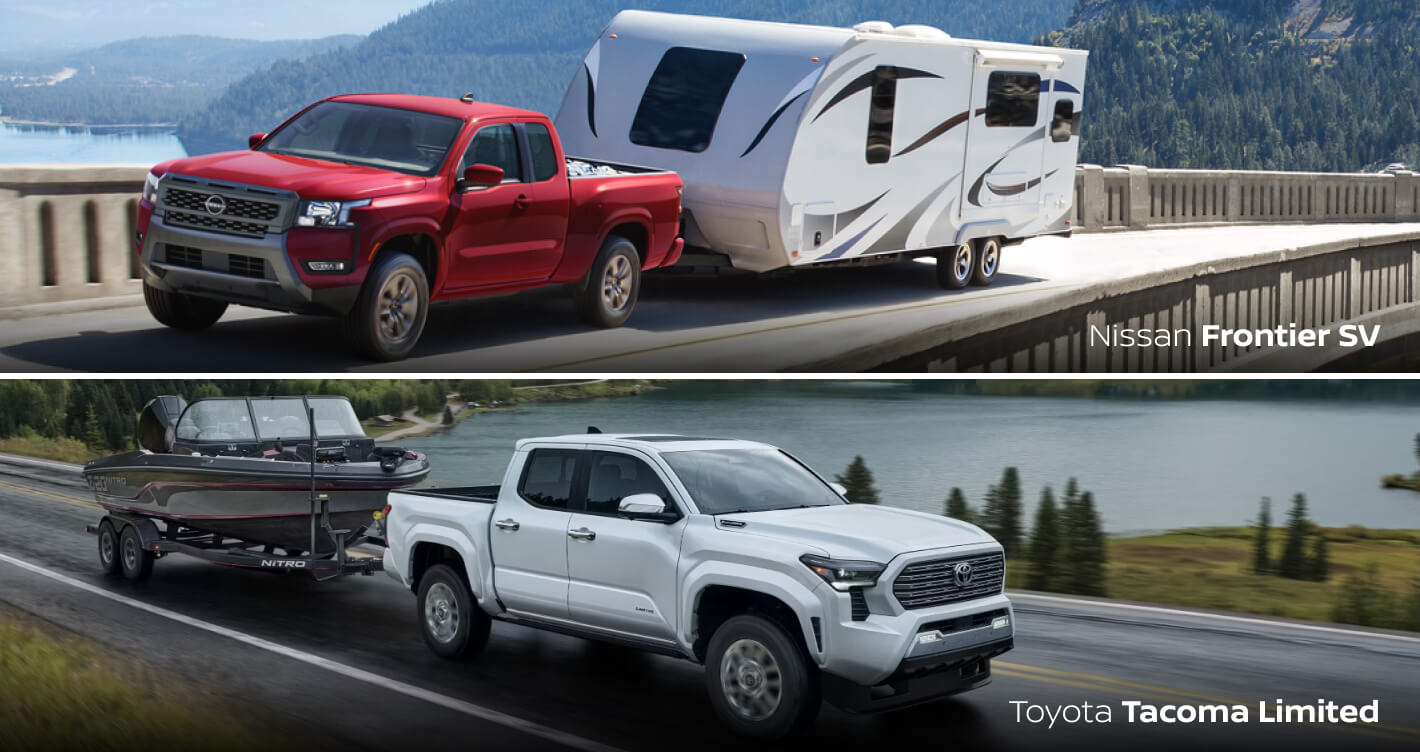
Midsize trucks aren’t just commuters—they’re gateways to the wild. The 2026 Tacoma’s TRD Off-Road and TRD Pro trims are engineered for the untamed, with multi-terrain select modes and adaptive dampers that chew through rocks and ruts alike. Toyota’s heritage in off-road dominance is evident in every dial and switch, from the locking rear differential to the crawl control that turns treacherous trails into Sunday drives. The Tacoma’s ground clearance and approach/departure angles are class-leading, a silent nod to its desert-ready DNA.
The Frontier counters with its own off-road pedigree, borrowing from Nissan’s experience in Baja and Dakar rallies. The 2026 model’s 9-inch ground clearance and available electronic locking rear differential (a first in its class) suggest a newfound seriousness. Nissan’s Desert or Rock Creek trims come equipped with skid plates, all-terrain tires, and a terrain management system that rivals Toyota’s. But here’s the rub: while the Tacoma’s off-road chops are battle-tested, the Frontier’s are unproven. The real test will come when the pavement ends—and the mud begins.
Off-road value isn’t just about hardware; it’s about aftermarket support. Toyota’s ecosystem of accessories—winches, roof racks, and lighting—is unparalleled. Nissan’s offerings are catching up, but the Tacoma’s head start could make it the darling of overlanding enthusiasts. For those who see their truck as a tool for exploration, the choice isn’t just about capability—it’s about community.
Technology and Comfort: The Modern Truck Experience
The 2026 Tacoma’s cabin is a study in minimalist sophistication, with a 12.3-inch touchscreen that floats above the dashboard like a spaceship’s control panel. Wireless Apple CarPlay and Android Auto integration ensure your digital life remains uninterrupted, while available ventilated seats and a panoramic moonroof transform the cabin into a sanctuary. Toyota’s infotainment system, though lagging behind some rivals in responsiveness, is intuitive enough to avoid frustration. The Tacoma’s interior materials—soft-touch plastics and aluminum accents—feel premium, a far cry from the utilitarian cabins of yesteryear.
The Frontier’s interior is a revelation, a stark departure from the utilitarian boxes of its predecessors. Nissan’s designers have embraced a more car-like aesthetic, with a 9-inch touchscreen that responds with the precision of a Swiss watch. Available features like a 12-speaker Bose audio system and a 360-degree camera system elevate the driving experience, making the Frontier feel less like a workhorse and more like a daily driver. The seats, bolstered and supportive, cradle occupants during long hauls, while the cabin’s acoustic insulation hushes road noise to a murmur.
But technology isn’t just about screens and speakers—it’s about integration. Toyota’s hybrid system promises a seamless blend of electric and gas power, while Nissan’s turbocharged V6 delivers a linear powerband that’s as predictable as it is potent. The real question is whether these advancements enhance the driving experience or merely distract from it. For some, the Tacoma’s tech will feel like a natural evolution. For others, the Frontier’s simplicity might be its greatest strength.
The 2026 Toyota Tacoma and Nissan Frontier aren’t just trucks—they’re manifestos. One promises the unshakable reliability of a brand that’s weathered storms and emerged unscathed. The other offers a fresh start, a chance to rewrite the rules of what a midsize pickup can be. Reliability vs. value. Legacy vs. innovation. The choice isn’t just about which truck to buy—it’s about which philosophy aligns with your vision of the road ahead.
One thing is certain: the midsize truck wars have never been more exhilarating. And for buyers, the real victory lies in the miles they’ll rack up—and the stories they’ll tell along the way.