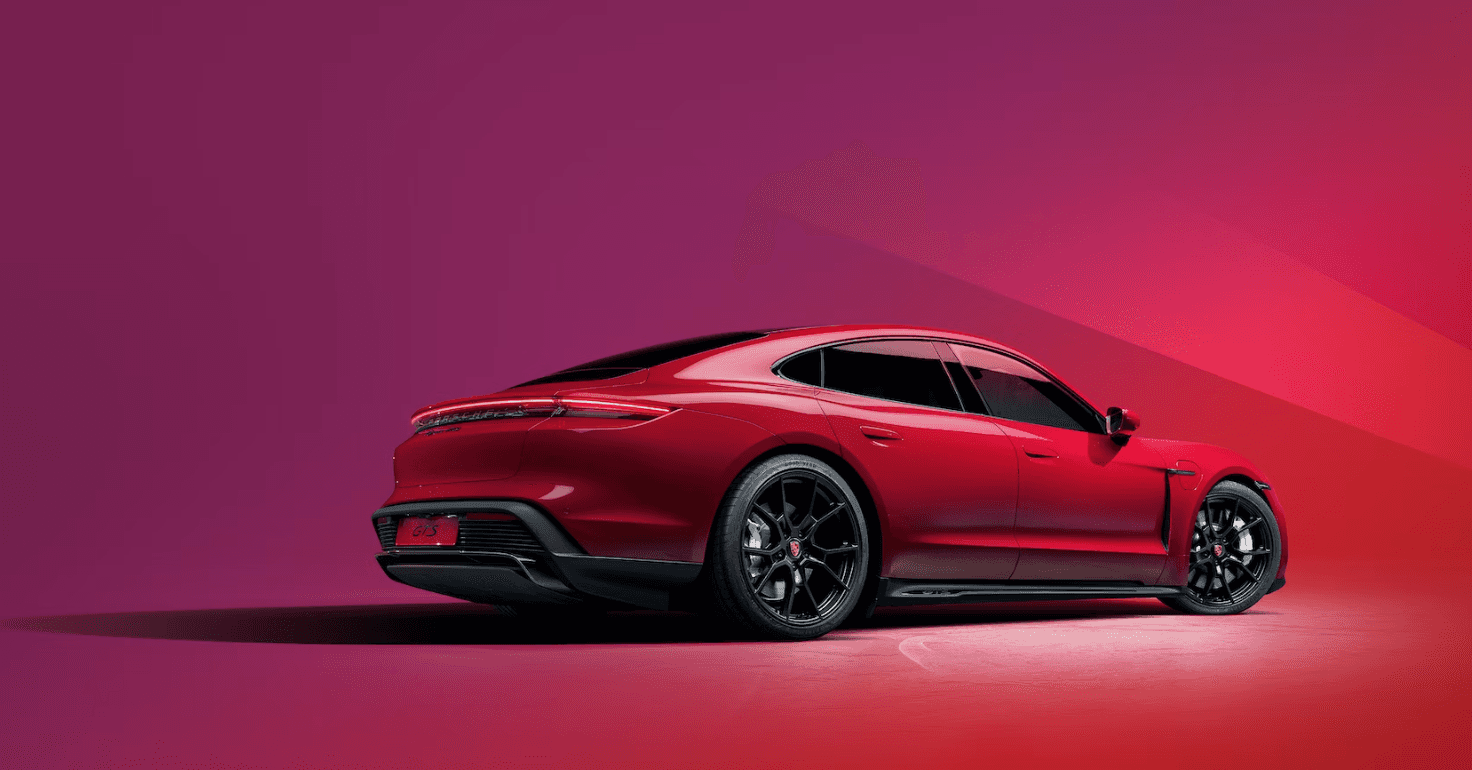
What happens when two EV titans—one forged in Stuttgart precision, the other engineered for Silicon Valley velocity—both arrive at the same starting line in 2026? The answer isn’t a simple scoreboard. It’s a conversation between philosophies. It’s a question that practically dares you to choose: Are you the driver who craves poise, or the one who chases effortless punch?
Before you even reach the pedals, a friendly challenge waits in the background: pick a lane—performance, luxury, range, charging, tech—and then try to ignore how the other car quietly steals the spotlight. Because in the ultimate EV showdown between the 2026 Porsche Taycan and the Tesla Model S, the “winner” shifts depending on what you value most on a given day. And that makes it fun. Or maddening. Or both.
First impressions: the emotional design handshake
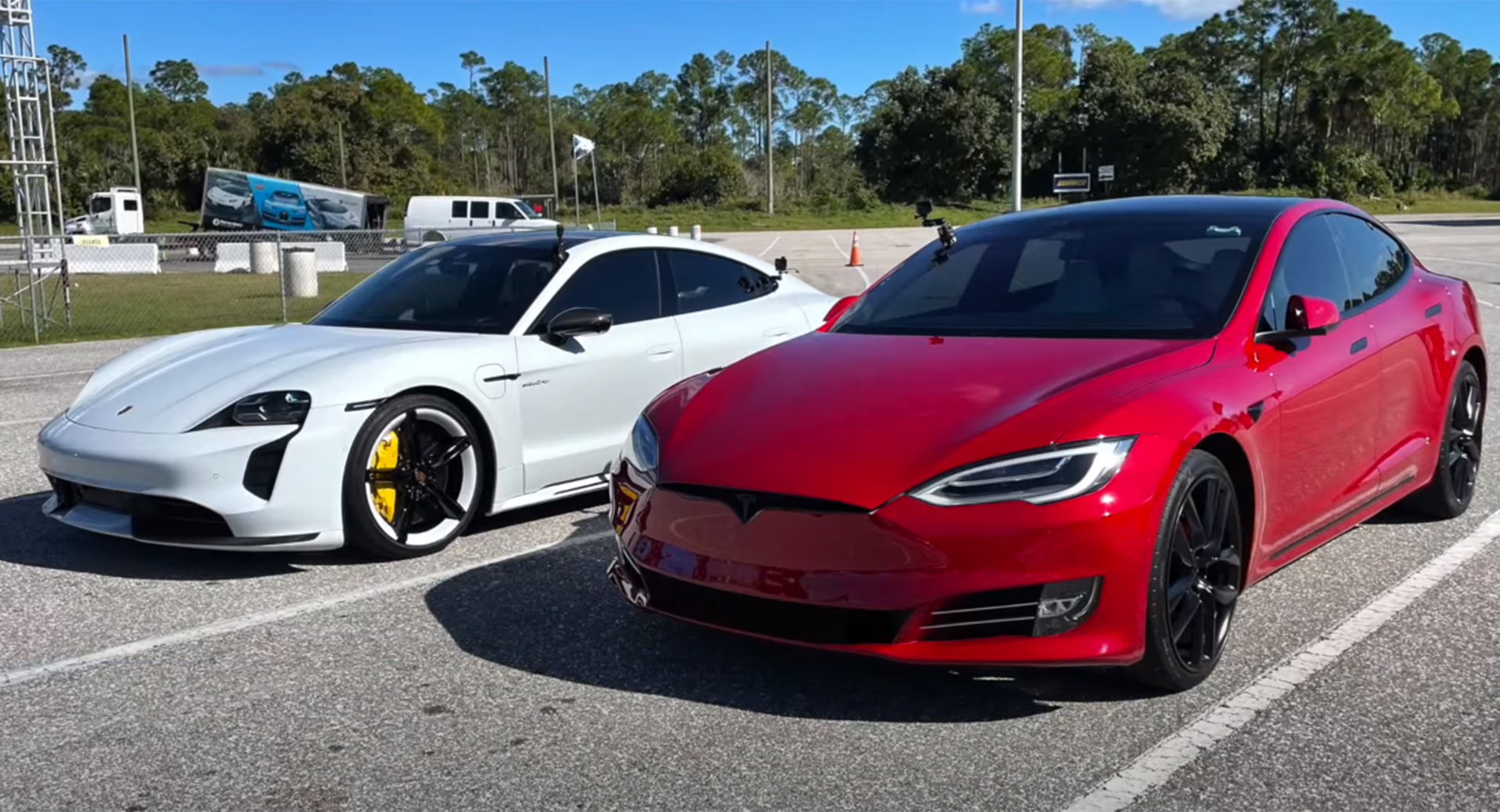
The Taycan greets you with sculpted tension. Lines look engineered rather than merely styled. It feels like a machine that knows where it’s going—even when parked. Open the door and the cabin leans into driver-centric confidence: materials, ergonomics, and the subtle suggestion that you’re about to do something spirited.
The Model S, meanwhile, feels like a rolling command center. Its presence is calm, almost minimalist in spirit, with a tech-forward atmosphere that makes you look at the center screen the way you’d stare at a cockpit display. It’s not just about aesthetics; it’s about a worldview. One car says “precision.” The other says “platform.”
Here’s the playful twist: try to stay impartial while driving. In one corner, you’ll want to feel the steering’s character. In the other, you’ll want to explore every interface response like a touchscreen virtuoso.
Performance: who actually launches harder?
Both vehicles are performance contenders, but they deliver that thrill differently. The Taycan often aims for a sense of connectedness—traction that feels mapped to your intent. The acceleration can be ferocious, yet the experience tends to feel more deliberate, more “choreographed.”
The Model S typically emphasizes brute force with a surgical sense of immediacy. Step on the pedal and the car responds with almost eerie directness. It’s less about drama in the steering and more about instant momentum—like the world folds forward beneath you.
Now the challenge: take a mental note of how your body reacts at full throttle. Does your stomach enjoy the precision of the Taycan’s surge? Or do you prefer the Model S’s blunt, physics-on-your-side shove? Either way, both are fast enough to make normal traffic feel like it’s moving in slow motion.
Handling and dynamics: the road becomes a debate
The Taycan is famously interested in how the tires speak. It tends to invite a more involved driving style. You’ll likely notice confident balance through corners, and the chassis communicates readiness rather than nervousness. Even when the road gets messy, the car often feels composed—like it’s negotiating with the pavement instead of fighting it.
The Model S can be surprisingly capable dynamically, but it often plays a different game. Many drivers report a feeling of stability first, then competence. It’s not always about “flickability” in the same way a dedicated sports-oriented EV might be. Instead, it leans toward smooth authority, especially at speed.
So, if you’re the type who likes the steering wheel to narrate the road, the Taycan might feel like a better match. If you prefer effortless confidence—less conversation, more command—the Model S can feel like the cleaner answer.
Range and everyday usability: the calendar matters
Range is the practical reality check. On paper, both cars offer competitive figures, but real-world conditions—temperature, driving style, speed, and route profile—turn range into a personalized variable. The 2026 era has improved efficiency across the EV landscape, and both models benefit from that ongoing refinement.
The Taycan often feels efficient when driven with purpose. Its aerodynamic design and power delivery can help maintain a sense of flow—especially when you avoid needless sprinting. The Model S, with its typical emphasis on efficiency and software tuning, often shines during highway cruising and steady-speed scenarios.
Here’s where the challenge becomes personal: plan the same trip in your head twice—once in a “spirited but not reckless” mode, once in a “settle in and let it roll” mode. Which mindset fits your lifestyle more naturally?
Charging experience: time is the true horsepower
Charging isn’t just about peak capability. It’s about how the experience feels—how predictable it is, how quickly you can return to the road, and how well the car guides you through the logistics.
The Model S has long been associated with a robust charging ecosystem and a straightforward way of planning routes around fast-charging stops. In practice, that can mean fewer surprises and a more seamless “next waypoint” rhythm.
The Taycan also brings its own charging competence, often pairing strong fast-charge performance with intelligent navigation and energy planning. It tends to feel like an integrated system—less a collection of components, more a unified process.
Try this fun test: imagine you’re halfway through a long journey and you need to decide quickly. Which vehicle feels more calming in that moment? The one that reduces uncertainty, or the one that maintains a sense of control? Both can work. Only one will match your temperament.
Technology and software: cockpit philosophies collide
In the 2026 Model S, software is a living environment. Updates can reshape functions over time, and the interface is designed to make daily interactions feel fluid. It’s intuitive, modern, and often feels like the car is learning the user—at least in the way it presents options and automates routines.
The Taycan’s tech approach is more driver-forward. It may feel less like a smartphone evolution and more like a precision instrument panel. Controls and displays are arranged to keep you oriented, and the overall impression is that Porsche wants you to be aware, not overwhelmed.
Which one do you want? A constantly evolving digital ecosystem, or a cockpit that prioritizes clarity and tactile confidence. The question is playful, but the answer is serious—because it shapes your daily experience more than spec sheets ever will.
Comfort and cabin atmosphere: quiet luxury vs. futuristic calm
Both cabins aim for premium comfort, but they lean into different moods. The Taycan often feels tightly tailored—like comfort engineered with a stylist’s eye. Sound insulation, seat support, and subtle material choices can create a cocoon that still feels athletic.
The Model S tends toward an airy, tech-smooth serenity. Depending on configuration, it can feel like a lounge with motion. The seats, visibility, and overall layout encourage a relaxed posture—particularly on long highway stretches.
Short trip or long haul? This is one of those debates where the answer surprises people. Some drivers fall for the Taycan’s sporty comfort immediately. Others discover that the Model S’s quiet confidence turns commuting into a low-effort ritual.
Safety and driver assistance: trust built through systems
EVs aren’t just about speed anymore. They’re about how comfortably you can delegate parts of the drive while staying in control. Both vehicles include advanced driver assistance features that can enhance situational awareness—helping with lane centering, adaptive guidance, and collision mitigation protocols.
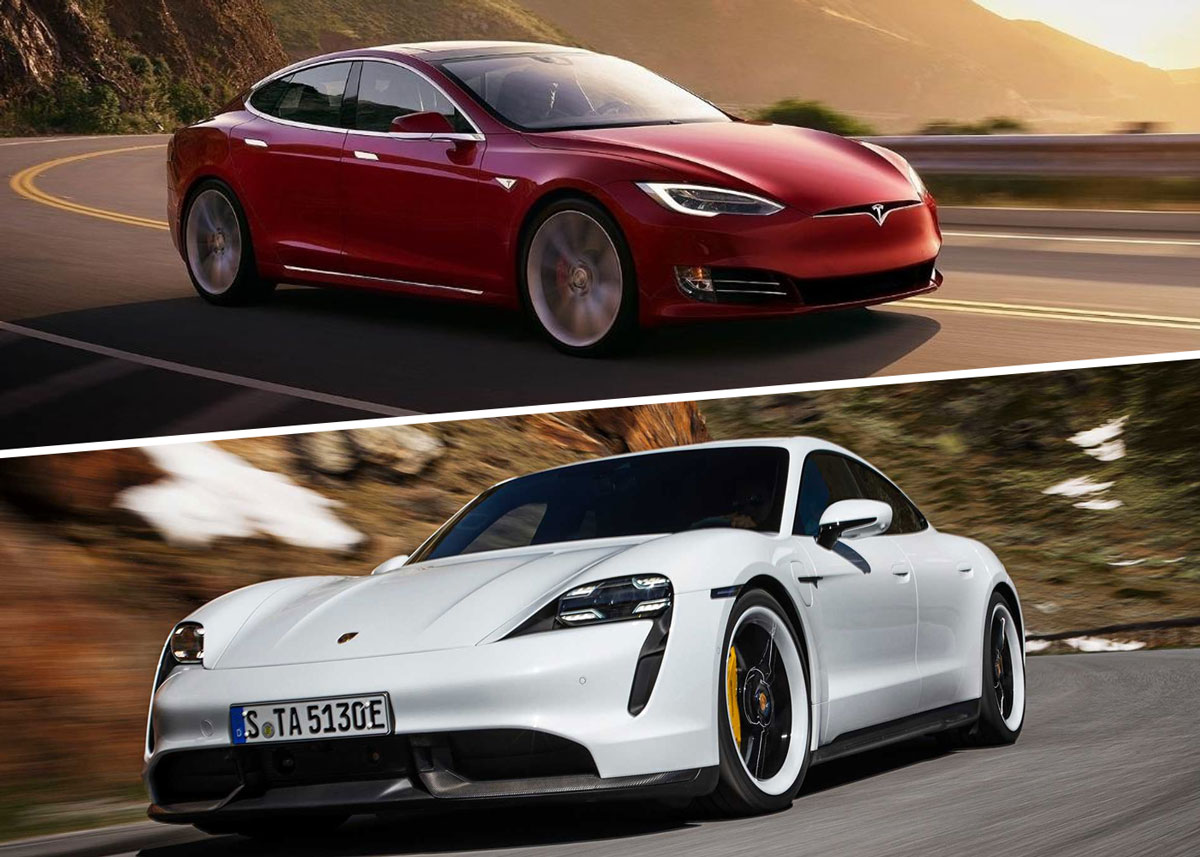
The practical difference often lies in how each system communicates its confidence. The Taycan may feel more “analog in spirit,” emphasizing driver involvement. The Tesla may feel more “software-native,” presenting assistance as a digital layer over driving.
Here’s the challenge: in your mind, test a rainy commute. Do you want the car to nudge you gently toward calm, or to make the drive feel more automated? Pick the one that matches your sense of comfort.
Ownership experience: maintenance mindset and longevity
Electric ownership changes the routine. Instead of oil changes and frequent mechanical visits, you’re dealing with tire wear, brake feel (often less frequent pad replacement thanks to regen), and periodic checks for batteries and software.
Porsche typically sells the idea of a more traditional enthusiast ownership experience—premium service, brand-specific care, and a feel that the car is part of a curated performance lifestyle. Tesla often frames ownership as a technology partnership—frequent software improvements and a service approach built around minimizing downtime.
Ultimately, ownership is a fit question. Your answer depends on whether you want dealership-style assurance or a more tech-centric, app-guided relationship with your vehicle.
So… which one is the ultimate EV champion?
If you want the car to feel like an extension of your hands, with chassis confidence and a driver-focused aura, the 2026 Porsche Taycan can feel like the more intoxicating choice. It’s the EV you pick when you want performance to feel personal, not merely fast.
If you want a high-performance EV that feels streamlined, connected, and constantly ready to update its own intelligence, the 2026 Tesla Model S is a formidable contender. It’s the EV you pick when you want speed to feel effortless and technology to feel in charge.
Now the playful challenge returns, final form: choose the one you’d miss first if it were gone from your garage. That instinct—more than range tables or quarter-mile debates—often reveals the true winner for your life.
Because in the end, the ultimate EV showdown isn’t about declaring one car universally superior. It’s about matching a personality to a machine. And both of these cars, in their own ways, are ready to impress.