The 2026 Mercedes-AMG C63 arrives with an audacity that feels almost intentional: a high-performance identity traditionally anchored to combustion spectacle now wrapped in electrified clothing. The headline claim—4-cylinder PHEV performance—sounds like a compromise to some. Yet that assumption misses the more intriguing story unfolding beneath the sheet metal. This is not merely an attempt to modernize. It’s a recalibration of how AMG wants power to behave: quicker to respond, easier to meter, and strangely more theatrical in the ways that matter on real roads.
Of course, the common observation follows immediately. “Where’s the drama?” People remember the old C63 as a symphony of displacement. A four-cylinder hybrid, they think, will be too polite. But the fascination persists anyway, because performance engineering rarely changes only the engine—it changes the entire relationship between driver intent and mechanical reaction. And when that reaction tightens, the car begins to feel less like a machine that delivers speed and more like an instrument that plays it.
Design Intent: Familiar Shape, Rewritten Meanings
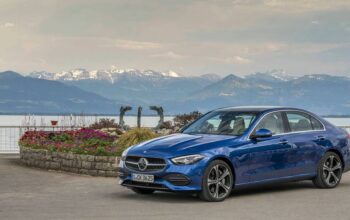
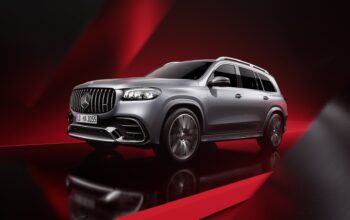
The 2026 C63 retains the C-Class silhouette, yet its emotional vocabulary has evolved. AMG’s visual cues—sharper aero edges, darker accents, and the purposeful stance—don’t just advertise speed; they suggest a vehicle calibrated for immediate communication. The front end reads as urgent, almost predatory. The rear architecture feels planted, as if it’s learned how to resist motion rather than simply endure it.
Underneath the familiar packaging, the PHEV architecture brings new packaging priorities. Components need space, thermal management demands attention, and weight distribution becomes a deliberate balancing act. That’s the first deeper reason fascination begins: you’re not seeing a simple downsize. You’re witnessing a re-engineering of the entire performance ecosystem.

4-Cylinder PHEV Powertrain: The Numbers Aren’t the Whole Plot
The 2026 Mercedes-AMG C63’s most discussed feature is also the most misunderstood: a four-cylinder paired with plug-in hybrid capability. On paper, downsizing can look like a retreat. In practice, hybrid systems add a second set of strengths—especially torque delivery and transient response.
Electric assist doesn’t merely add horsepower. It changes the character of acceleration. Traditional turbocharged engines still need a moment to spool, and combustion revs still chase efficiency through throttle and airflow. The electric motor, by contrast, starts delivering thrust the instant the driver asks for it. The result is a sensation that feels like the car anticipates your intention rather than waits for it.
That’s why the PHEV concept can feel more potent than expected. The key isn’t just peak output—it’s the shape of power across time. The earlier you feel the surge, the more “fast” the car becomes in your mind, even when top-speed or headline acceleration figures aren’t the entire point.
Performance Tuning: How the Car Fights for Cohesion
Hybrid systems are complex, and complexity can either dull sensation or sharpen it. AMG’s challenge is orchestration: synchronizing combustion, electric torque, transmission behavior, and traction control into one coherent actuation. When the system is well tuned, the car feels like it has one brain, not multiple calculators bickering for dominance.
In daily driving, that translates to smoothness that still carries edge. The powertrain can glide in electric mode when conditions allow, yet it doesn’t feel inert. When you request urgency, the transition is engineered to avoid the “split personality” that many electrified performance cars suffer.
There’s a deeper fascination here as well: modern performance often hides its intelligence. The most remarkable trick is invisibility. You don’t want to notice the switchgear. You want to notice the consequence.
Driving Dynamics: Steering Feel, Braking Authority, and Traction Discipline
Fast power is only meaningful if the chassis can translate it into forward movement without squandering grip. In the 2026 C63, the dynamic package leans into balance: the suspension calibration aims to maintain composure while allowing the car to react crisply to steering changes.
Braking behavior matters too. Regenerative braking in hybrids can feel either seamless or intrusive. The best setups blend regeneration with friction braking so the driver senses a unified deceleration pedal. The C63’s goal appears to be confidence under repeated stops—late braking into corners, short sprints between traffic lights, and the everyday sort of aggression that tests consistency more than bragging rights.
Traction control is another cornerstone. With electric torque available immediately, the car must meter grip with precision, particularly during low-speed launches. The deeper reason enthusiasts keep watching isn’t simply that the car is quick. It’s that the performance is stably fast—repeatable, controllable, and responsive without becoming nervous.
Ride Quality and Comfort: Where “Performance” Learns to Breathe
Some fear that electrification will make the ride harsher or more insulated, more appliance-like. Instead, the 2026 C63 tries to maintain an AMG-style tension: firm enough to communicate road texture, refined enough to avoid fatigue.
Part of this is tuning philosophy. Hybrid drivetrains can introduce vibration patterns and shift weight distribution. The suspension and mounts must compensate so the cabin remains calm while the drivetrain stays eager. The result is a ride that can feel both purposeful and livable—an increasingly rare combination in the performance segment.

Sound and Character: The Myth of Substitution
No topic around the C63 is complete without the question of sound. A four-cylinder can’t recreate the same visceral roar by displacement alone. Yet AMG’s approach has never been about nostalgia; it’s about crafting character. In many modern performance cars, the “voice” is engineered through speaker simulation, exhaust tuning, and powertrain event timing.
Here, the fascination deepens. The thrill shifts from pure mechanical noise to a multi-layered sensory experience: induction tones, electric whirr, and combustion events that can be triggered with intent. The result can feel less like a replacement and more like a remix.
Some drivers will miss the old harmonics. Others will find a new kind of excitement—one where the car’s personality responds dynamically to throttle mapping and mode selection. Either way, the soundscape becomes part of the performance feedback loop.
Modes, Charging, and Real-World Logic
A PHEV isn’t just a performance badge—it’s a usage strategy. The 2026 C63 invites owners to think about charge state and electric range in a way that a traditional muscle sedan never did. In practice, this can be effortless. Short errands, morning commutes, and urban drives become opportunities for electric propulsion, reducing fuel consumption while preserving the performance readiness of the hybrid system.
When the battery is depleted, the car doesn’t lose ambition; it reallocates power. The combustion engine resumes its role, and the electric system continues to support torque delivery and driveline efficiency. The deeper point is empowerment through flexibility. The C63 can adapt to constraints without abandoning the fantasy of speed.
Ownership Appeal: Why Enthusiasts Stay Intrigued
The debate about a four-cylinder C63 will continue. But fascination is rarely driven by agreement; it’s driven by curiosity. The 2026 model is compelling because it challenges assumptions about what “AMG performance” must look like.
It suggests a future where performance is measured not only in engine size, but in control bandwidth: how quickly power appears, how intelligently it’s distributed, and how coherently the car communicates with the driver. The four-cylinder PHEV formula isn’t just about meeting standards. It’s about discovering new ways to make speed feel immediate.
And that immediacy—combined with AMG’s attention to chassis behavior and driving feel—creates an emotional contradiction. The car seems smaller on paper, yet it can feel expansive in motion. That contradiction is the seed of obsession.
Conclusion: A C63 Reimagined, Not Replaced
The 2026 Mercedes-AMG C63 review could have focused solely on the shock of electrification and the headline about a four-cylinder. But the more compelling story is what happens when technology is tuned to preserve sensation. The PHEV system doesn’t simply add efficiency; it rewrites the timing of thrust, refines traction management, and creates a performance character that can feel sharper than the old formula in certain moments.
Yes, there will be skeptics. A four-cylinder will always draw debate. But the C63 has never been a vehicle that survives by tradition alone. It survives because it turns engineering into emotion. In this new era, the fascination isn’t that the car has changed—it’s that it can still make you look again, even when you think you already know what to expect.