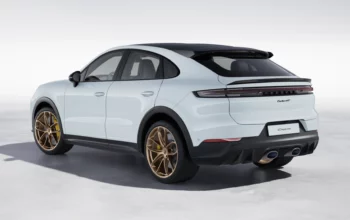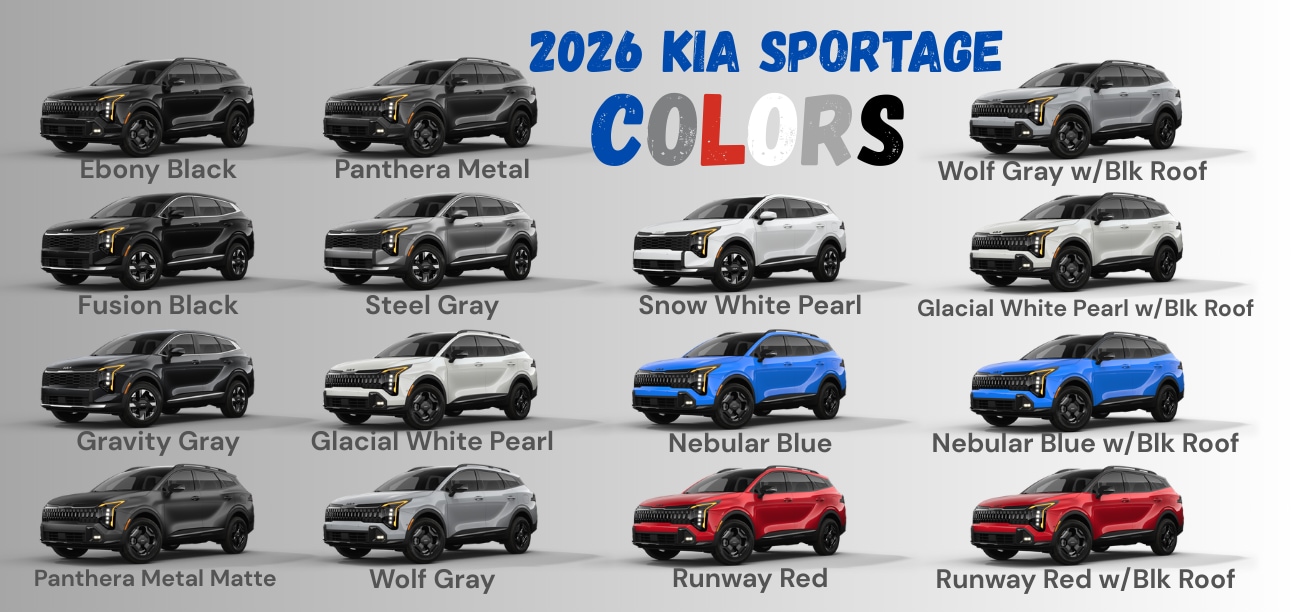
Walk past any dealership lot or glide through a modern car gallery online, and a familiar observation repeats itself: the new paint chips look almost unreal. The colors don’t simply “appear” on the bodywork—they seem to vibrate under light. This year’s 2026 luxury-car palette has a certain magnetism, and it’s not only about looking good in photographs. The fascination runs deeper, rooted in how today’s luxury buyers perceive identity, craft, and even emotion. Color has become a language—subtle, expressive, and sometimes quietly audacious.
In 2026, luxury paint is moving beyond the old binaries of black versus silver. Instead, manufacturers are leaning into luminous finishes, nuanced undertones, and specialty effects that reward attention. A paint job now behaves more like a material than a coating: it catches sunbeams, reshapes highlights, and changes personality from dawn to dusk. Let’s step into the hottest options this year—and uncover why they’ve become so compelling.
Why 2026 Luxury Colors Feel More “Alive” Than Before
For years, car colors were treated like a final cosmetic layer. In 2026, they’re increasingly designed like a visual system. Multi-layer pigments and advanced clearcoats create a sense of depth that resembles mineral geology. You’ll notice it when you stand still. At first glance, the color looks straightforward. Then the angle shifts—light slides across the surface—and the finish reveals a second story.
Another reason this year’s colors feel vivid is the way modern lighting technology interacts with paint. LED headlamps, laser-like signature lights, and ever-changing ambient cabin illumination create a choreography of reflections. A color that looked restrained under overcast sky can glow under crisp daylight. This isn’t random; it’s engineered behavior.
“Lightning-Look” Metallics: High-Energy Silvers and Electric Greys
There’s a recurring theme among the sport-luxury crowd: metallics that feel charged. Think silver tones with an almost conductive shimmer—greys that don’t look flat, but rather appear to hold a current just under the surface. These shades tend to look especially striking on sculpted bodywork, where creases and aerodynamic lines can “harvest” highlights.
The fascination here is psychological. People are drawn to colors that imply motion—even when the car is standing still. Lightning-look metallics suggest acceleration, precision, and a modern edge. They also photograph well without appearing overly flashy. The result is a tasteful kind of drama: energetic, but not chaotic.
Many of these finishes use carefully calibrated metallic flake sizes and alignment to minimize blotchiness. They also incorporate clears that enhance gloss while preserving depth. The paint doesn’t just reflect light; it organizes it.

Midnight Undertones: Black That Isn’t Always Black
“Black” used to mean uniform darkness. In 2026, many black luxury options come with hidden undertones—subtle hints of blue, green, or charcoal that surface when the car is angled toward light. From a distance, the car reads as classic and confident. Up close, it becomes enigmatic.
That duality is part of the appeal. Midnight undertones let owners choose their mood. In a neutral environment, the car is sleek and formal. In bright sun, the color wakes up and reveals a more complex personality. This is less about rebellion and more about sophistication: a color that rewards proximity and attention.
Technically, such finishes often rely on specialty pigments and depth-building clearcoats that keep the surface crisp. The goal is a black that doesn’t appear oily or lifeless. Instead, it should look like a polished material—deep, structured, and intentional.
Warm Neutrals With Character: Champagne, Sand, and Soft Copper
Not every luxury color wants to feel theatrical. Some want to feel welcoming. In 2026, warm neutrals are thriving: champagne tones that flirt with gold, sand shades with silky softness, and gentle coppers that stay refined rather than loud.
These colors work brilliantly on larger vehicles because they flatter shape. They also pair elegantly with modern wheel designs—especially when the wheels have darker finishes or satin edges. The paint and hardware create a coherent visual “temperature,” making the entire vehicle look curated rather than assembled.
There’s also a deeper reason warm neutrals are returning. In a world saturated with hyper-contrast content, many buyers seek calm. Warm paint options create a sense of comfort and continuity. They feel less like a statement and more like a signature.
Vivid Without Being Loud: Electric Blues and Regal Violets
Some colors refuse the compromise between attention and elegance. Electric blues and regal violets deliver vibrancy while still reading as luxury. The key is balance: the pigments are intense, but the finish is tuned for depth and clarity.
Blue has long been associated with trust and intelligence. In 2026, certain blue shades take on a cooler luminescence, almost glassy. Regal violets, meanwhile, add a cinematic quality. They can appear blackish in shadow, then bloom with color under direct light.
These shades tend to look best with clean, high-contrast design lines. If your car has sculpted surfaces, these colors can make the bodywork look more dynamic. The paint acts like a lens, accentuating motion cues even when the vehicle is stationary.
Thermal-Shift and Color-Shift Finishes: When Paint Becomes a Mood Ring
The most intriguing category for 2026 is color-shift paint—finishes that change appearance depending on angle and lighting. Sometimes they shift between two tones; other times they flow through a spectrum. The effect can be subtle, like a whisper of one hue beneath another. It can also be dramatic, resembling a controlled optical illusion.
Why are people drawn to these finishes? Because they mirror how modern life feels: everything is dynamic, context-dependent, and constantly reinterpreted. A color-shift finish externalizes that philosophy. It tells the viewer, “This isn’t one thing. It adapts.”
Color-shift technology requires careful formulation. Pigment flakes must be oriented precisely, and clearcoat layers must be engineered to preserve clarity. Done well, the result is stunning but not gimmicky—a sophisticated effect that feels earned.
Performance-Themed Palette Trends: Where Speed and Design Meet
Even beyond pure aesthetics, many 2026 luxury colors are shaped by a performance mindset. High-saturation shades, metallic intensities, and track-inspired tones find their way into the mainstream. That doesn’t mean every luxury buyer wants overt motorsport vibes. Instead, they want the emotional residue of speed—the sensation of capability.
When a color evokes performance, it also changes perception of the vehicle’s engineering. Drivers subconsciously attribute sharper handling and greater precision to paint that signals intensity. This is a cognitive shortcut, but it’s real. Color influences how people read the car.
That’s why “sport-lux” shades often look crisp around edges and creases. The paint is designed to highlight architecture. It’s about making the vehicle appear sculpted rather than merely painted.
Choosing the Right 2026 Color: Skin, Environment, and Ownership Reality
Selecting a color is not only a taste decision; it’s a compatibility decision. Think about where the car will live most of the time. Garage parking keeps finishes pristine and reduces exposure to harsh sunlight. Daily street parking introduces more variables: UV intensity, weather cycles, road grime, and frequent wash schedules.
Some finishes show dust and swirl marks more readily than others. Dark undertones can look incredible, but they often demand more careful care. Metallics may hide minor imperfections better, while certain luminous shades can highlight surface texture if the clearcoat isn’t maintained.
Then consider personal identity. A warm champagne may feel like restraint and refinement. A lightning-look grey may feel like energy and clarity. A color-shift finish may feel like experimentation without apology. The “hottest” color is the one that aligns with how you want the car to feel in your life—not just how it looks in a single lighting moment.
Maintenance and Longevity: Keeping the Luster That Makes 2026 Colors Worth It
Modern luxury paints are more sophisticated, but sophistication still benefits from protection. Clearcoats can deliver long-term gloss, yet they’re not invincible. The best approach is to treat paint as a surface worth engineering around.
Regular washing with pH-balanced products helps preserve finish integrity. For many owners, ceramic coatings or high-quality sealants create a sacrificial layer that reduces contaminants bonding to the clearcoat. In practice, this means less time scrubbing and more time admiring how the color “moves” under sunlight.
Also, pay attention to drying methods. Microfiber towels and gentle drying reduce the risk of marring. The goal is simple: keep the surface smooth so light can behave the way the paint was designed to behave.
Final Word: The Real Reason 2026 Colors Capture the Imagination
In the end, the hottest 2026 luxury car colors aren’t just trending—they’re communicating. They reflect new technologies in pigment formulation, advanced clearcoat engineering, and an attention to how light and design interact. But the fascination also comes from emotion. Color becomes a personal artifact: a portable, daily reminder of taste, aspiration, and even temperament.
Whether you’re drawn to charged metallic silvers, midnight undertones with hidden complexity, warm neutrals that feel grounded, or daring color-shifts that make the car seem alive, the choice carries meaning. In 2026, paint has moved from “finish” to experience. And once you start noticing how it changes with the world around it, it’s hard to go back.
Choose a hue that fits your life—and let it surprise you every time the light hits.