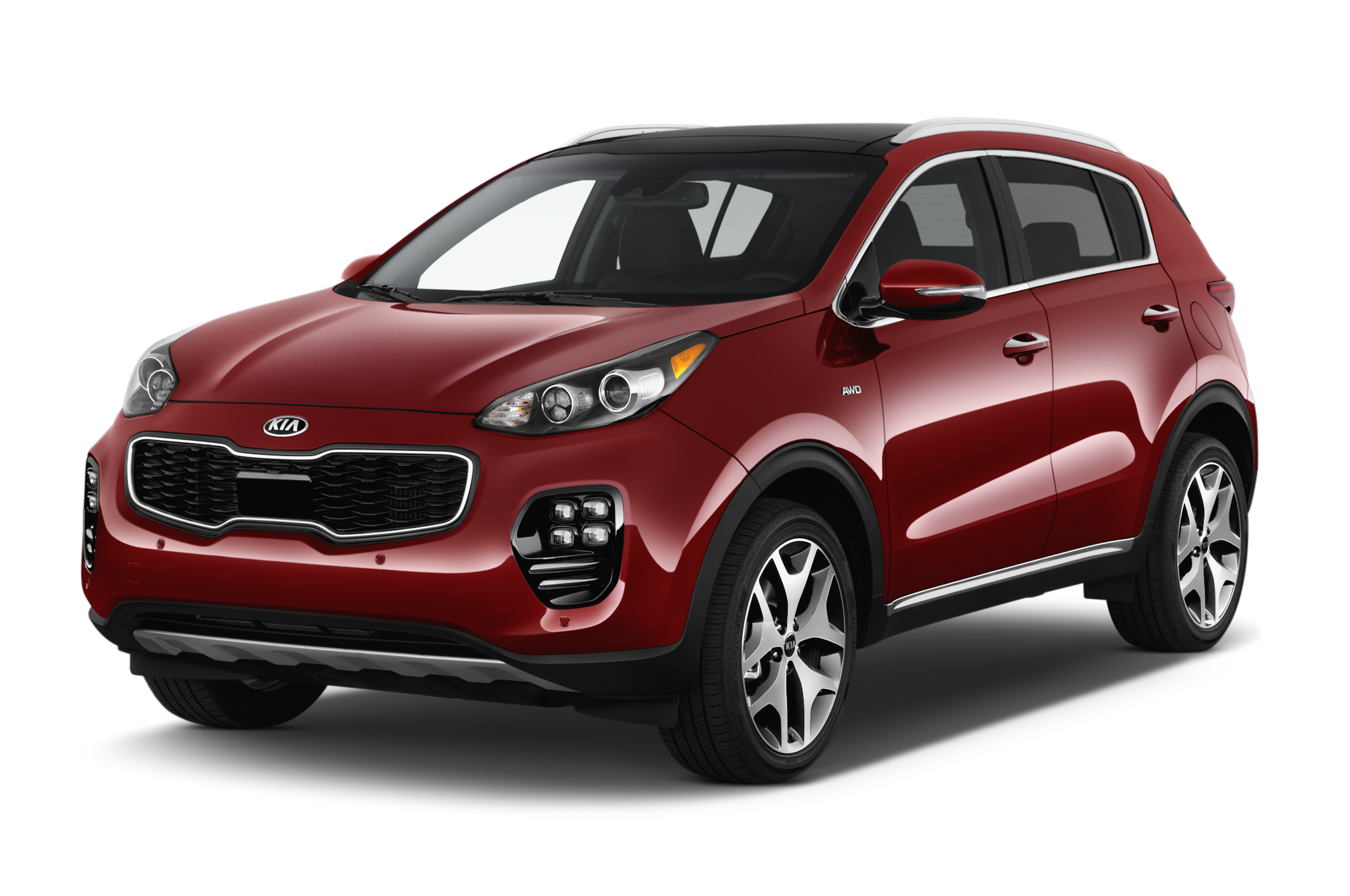
Ever planned a long road trip with a full battery in mind—only to have the charging plan behave like an unruly GPS? That’s the peculiar tension many drivers encounter when the destination feels certain, yet the charging infrastructure feels… improvisational. The Kia EV9 is designed to make electric travel feel natural, even scenic and unhurried. But on the open road, the electric journey is never just about the vehicle. It’s about the grid-side reality: connectors, stations, firmware, app permissions, pricing quirks, and the occasional silent stall that turns “minutes to charge” into “why is this not starting?”
So here’s a playful question to set the tone: What happens when your EV9 is ready, your route is mapped, and the DC fast charger acts like it has stage fright? Let’s explore the DC fast charging network issues that can surface during a Kia EV9 road trip—especially when you’re traveling across regions where station reliability varies, networks overlap, and real-time status can feel like folklore.
The EV9 Promise vs. the Charging Reality
The Kia EV9 carries the confidence of a modern electric SUV: efficient power delivery, a comfortable cabin, and a charging experience that can be remarkably smooth when conditions align. Yet DC fast charging isn’t a single monolith. It’s an ecosystem. Your EV9 communicates with a station controller, negotiates the connector type and handshake protocol, and then draws power according to both battery conditions and the station’s output limits.

Even if the charger is “compatible,” the experience can wobble due to factors you can’t see at a glance. The station may be online but throttled. It may have multiple ports, with one behaving like the star performer and another acting like the understudy. And sometimes the charger is operational, but the authentication system is in a mood. That’s why what looks like a straightforward stop can turn into a troubleshooting interlude.
DC Fast Charging: The Many Ways a “Quick Stop” Can Go Sideways
DC fast charging issues usually fall into a few recurring categories. Consider this the anatomy of a charging hiccup—because understanding the patterns makes the road feel less unpredictable.
1) “Station Available” but Not Actually Ready
A charger can show as available in an app or on a map while still being unavailable in practice. Sometimes the power module is down. Sometimes one connector is offline while another is active. Sometimes the station is online but refusing sessions due to internal errors.
2) Authentication and Access Problems
Some networks require account verification, payment methods, or app-based session initiation. If your phone signal falters, the session can fail after you’ve already arrived with quiet optimism.
3) Connector and Cable Mismatch
Even with standardization efforts, stations can vary. An unexpected connector condition—like a damaged latch, a worn cable end, or a port that won’t seat firmly—can prevent a handshake. The EV9 may be fine; the connector may not.
4) Output Throttling and Rate Limitation
DC fast chargers frequently share power across multiple stalls. If another vehicle is drawing heavily, your EV9 might not reach the advertised kilowatt range. The charge still progresses, but it can take longer than your mental model predicted.
5) Battery State and Thermal Conditioning Constraints
Fast charging is easiest when the battery is warmed and ready. If you arrive with a cold pack—especially after a long highway stretch followed by a cooler period—the charging curve can start more conservatively. The EV9’s thermal management helps, but timing matters.
Real-World Station Status: Apps, Filters, and the Mirage of Certainty
Road-trippers often rely on charging apps and live maps. That’s sensible. But live status data can lag behind reality, and “last updated” timestamps are sometimes less reassuring than they appear. A station may appear operational, then hit a transient fault. Or it may be temporarily offline, then return to service with a different operational condition than before.
Try approaching the map like a weather forecast for charging infrastructure—useful, but never holy. A robust plan includes secondary options. If the first charger is busy or failing, the backup should be close enough to remain practical, not merely “theoretically available.”
Route Planning for Peace of Mind: The Art of Buffering
In a Kia EV9 road trip, the biggest favor you can do for your future self is adding charging buffers. Not just buffer time, but buffer capacity in your battery strategy. Instead of chasing the fastest charger at the lowest distance, consider a chain of stops that behave like stepping stones rather than leaps.
Think in ranges and contingencies. If your EV9 estimates a comfortable arrival at one station, it’s still wise to plan for arrival at the next, too. A small change in traffic can alter your energy consumption. Headwinds, elevation, and weather can make efficiency wander. And if a station’s session begins slowly—due to warm-up policies or negotiating limits—you’ll want that extra cushion.
On-Site Troubleshooting: Calm Actions for Loud Situations
When a DC fast charger refuses to start, frustration can arrive quickly. But there’s a practical sequence that keeps your options open.
First, verify that you’re at the correct port and that the connector is seated properly. A loose latch can prevent the station from recognizing the session.
Second, check for visible indicator lights or station prompts. Some units display error codes; others simply cycle through “idle” states while waiting for authorization.
Third, confirm your account status with the network. If the app is struggling with connectivity, restarting the session flow can help. If the payment method is expired or blocked, the station may deny sessions silently—until you notice.
Fourth, if one stall fails, attempt another if the site offers multiple. Power-sharing systems can mean one connector is healthy while its neighbor is in a sagging mood.
Finally, use the “backup plan” stop as a mental waypoint. Waiting too long at a failing station can compound delays. Better to pivot, even if it feels slightly awkward.
Payment, Pricing, and the Subtle Shock of “Why Is It Taking Longer?”
Charging costs can vary across networks and sessions. Some stations bill by kilowatt-hour; others incorporate time-based components or demand-based surcharges. A longer-than-expected session can therefore create a “surprise arithmetic” moment.
Also, pricing sometimes reflects dynamic factors: peak demand, limited output, or participation fees from the station operator. If your EV9 draws less power than expected due to throttling or shared capacity, the session duration may increase. That combination can feel like the charger is moving in slow motion, even though it’s functioning.
Before a road trip, it’s wise to understand the network you’ll use most. Keep receipts, note session start and stop times, and watch the live charging rate if the app provides it. That small attentiveness turns financial confusion into manageable data.
Preparing the EV9 and the Driver: The Human Side of Power
Charging network issues are technical, but your response can be emotional. The best road-trip posture is readiness with a touch of humor. Pack a charger-savvy mindset: keep your phone charged, maintain app access, and store station contact numbers if the network provides them.
On the vehicle side, pay attention to battery preconditioning. If your EV9 supports route-based charging or preconditioning triggers, using them can help align battery temperature with DC fast charging demands. Even when stations underperform, a better battery condition tends to smooth the start of charging.
And don’t overlook the simplest tactic: arrive with a plan and adequate state of charge. Electric travel rewards patience; it also rewards discipline.
When Reliability Matters Most: Choosing Stations Like a Pro
Not all DC fast chargers are created equal. Some are maintained carefully, with consistent uptime and clear user interfaces. Others can be harder to trust—especially when they’re frequently overloaded. Instead of selecting the station closest to your route like it’s destiny, consider station history indicators when available. Look for signs of frequent usage: smooth logistics, functional kiosks, clean signage, and multiple operational stalls.
If you’re traveling through regions where networks differ, mix your strategy. Use one network as your default, but keep a credible second network ready. The goal isn’t complexity—it’s resilience. A road trip should feel like a story you control, not a puzzle you endure.
Closing Thought: The Road Trip Still Wins
So, will a Kia EV9 road trip be perfect? Probably not. But it can be satisfying, even when DC fast charging doesn’t cooperate immediately. The trick is to treat charging networks as living systems: sometimes they run flawlessly, sometimes they glitch, and sometimes they require a calm pivot.
When your next fast-charge stop arrives and the station behaves like it’s testing your patience, remember: you’re not powerless. You have backups, preparation, and a method. The open road is still there—beckoning with its wide angles and unpredictable weather. And even if one charger hesitates, the journey continues, one negotiated handshake at a time.