Picture this: a compact car that feels more like a tidy manifesto than a mere appliance. The 2026 Honda Fit—if it returns—has that kind of potential. It’s the sort of vehicle people don’t just buy; they keep talking about. “Why is there so much room?” they ask, as if the cabin is playing a magic trick. And yet the fascination runs deeper than clever packaging. There’s a particular emotional resonance in a small hatchback that refuses to be “small” in the way others are small.
Yes, a common observation is that the Fit is endlessly practical. But practicality is only the headline. Underneath it sits a quieter allure: the Fit’s knack for turning everyday constraints into opportunities. It doesn’t simply move you from point A to point B. It rearranges your day—making errands feel less like chores and more like a series of solvable puzzles.
A compact shape with an oversized sense of possibility
The Fit has always played with proportions. It’s compact outside, but inside it feels like there’s extra air—extra intention. That feeling matters. Short commutes become manageable. Trips to the store stop feeling like logistics. Even rainy-day errands can feel oddly hopeful when the cargo space seems to cooperate.
So what do we hope for in 2026? First, the return of that distinctive spatial genius. If the Fit comes back, it shouldn’t abandon the character that made it beloved: flexible seating, smart storage, and a cabin that encourages you to live more dynamically. Imagine a layout that’s even more responsive—like the car is in conversation with you. Small changes in how space is staged can make the difference between “it fits” and “it actually works.”
The heart of the matter: efficiency without dullness
There’s a reason the Fit inspires devotion among drivers who value thrift. Fuel economy isn’t just an economic figure; it’s peace of mind. It’s the knowledge that a full tank lasts longer than expected, that your wallet doesn’t get nervous every time you pull into a gas station.
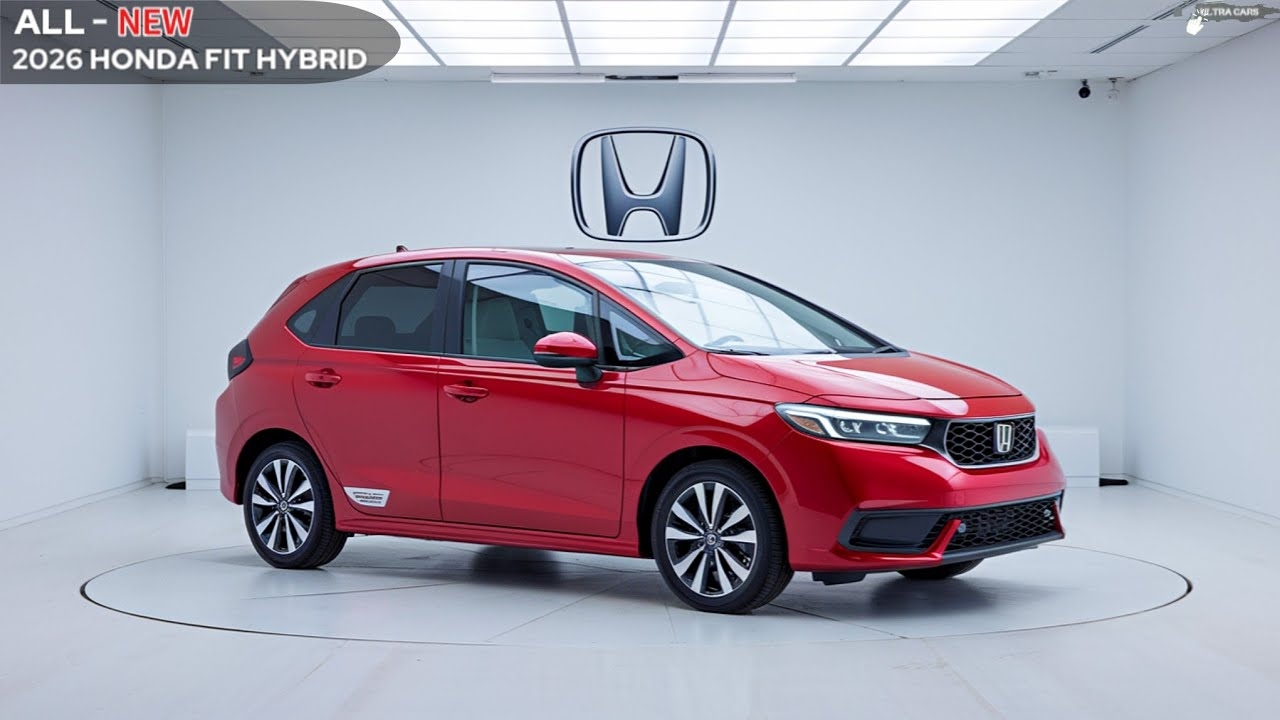
In 2026, we hope for a drivetrain that keeps that reputation intact—possibly even refined. If a hybrid version returns, it should feel effortless rather than compromised. The trick with efficiency is that it can easily become monotonous. The Fit must avoid that fate. It should remain light on its feet, immediate in response, and calm at the same time.
Even better would be the promise of real-world savings—measured not only under ideal testing conditions, but during typical stop-and-go life. A hybrid that shines only in a brochure is a disappointment. The fascination, after all, comes from trust: the car should perform in the messy middle of daily routines.
Design that looks ready for the future, not just the present
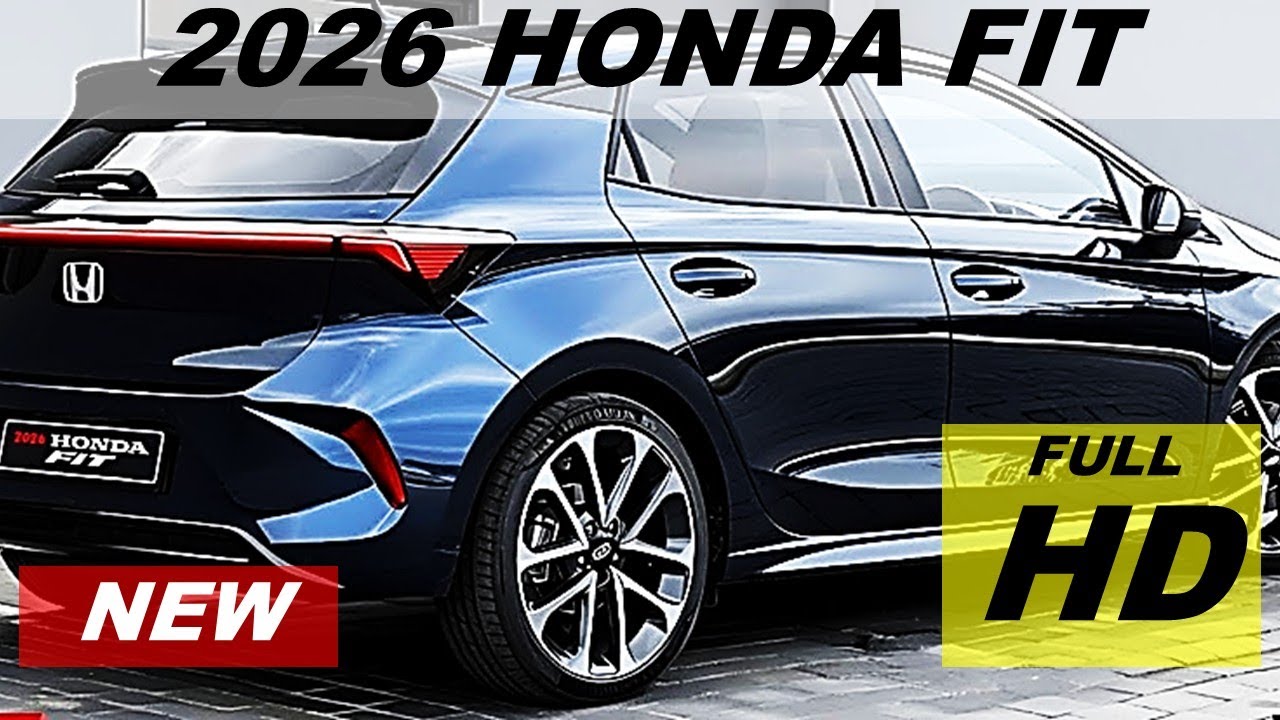
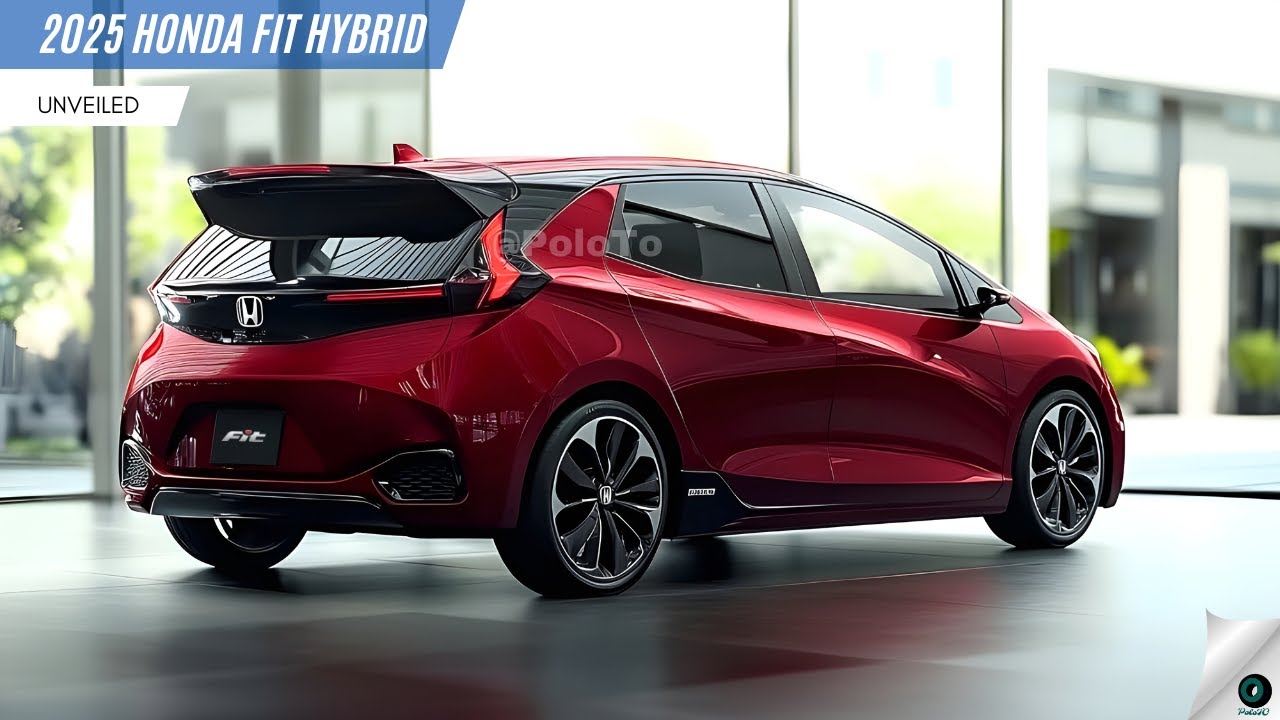
The Fit’s charm historically includes its slightly playful, approachable styling. It doesn’t look like it’s trying too hard. Yet the best designs evolve. For 2026, the hope is for a look that stays friendly while gaining modern aerodynamics and a cleaner visual rhythm.
We want details that feel purposeful: improved lighting signatures, tighter body lines, and a stance that hints at confidence. The deeper reason people remember the Fit is that it always felt like it belonged to a lifestyle—one that values practicality but refuses to feel bland. When design is aligned with function, it stops being superficial and becomes a form of trust.
Interior comfort: fewer concessions, more delight
Space is great, but comfort is what keeps you there. The Fit’s interior magic is that it tends to be livable. You don’t feel cramped. You feel arranged. That subtle distinction matters over time.
In a potential 2026 return, we hope for a cockpit that feels more premium without losing the car’s approachable simplicity. Better sound insulation would be a welcome improvement. A steering wheel that feels satisfyingly weighted. Upholstery that looks good and wears well. And crucially—controls that remain intuitive. Nobody wants a small car turned into a complicated gadget.
Technology should feel like an assistant, not a distraction. Navigation that understands intent. Smartphone integration that’s quick to connect. A responsive interface that doesn’t make drivers wait. These may sound like minor points, but they shape how often you enjoy driving versus merely tolerating it.
Safety and driver-assist: modern confidence for busy streets
City traffic is a choreography of surprises. The Fit’s audience—often urban commuters, busy families, and practical enthusiasts—needs reassurance, not just performance. In 2026, driver-assist features should be robust and well-calibrated. Lane-keeping that feels smooth instead of twitchy. Adaptive cruise that maintains composure. Collision mitigation that intervenes with good judgment.
We also hope for visibility improvements: better mirror performance, perhaps refined window geometry, and lighting that helps in dusk and rain. When a small car feels secure, it encourages broader usage. You stop treating it like a second option and start viewing it as a primary vehicle.
Infotainment and connectivity: the quiet utility of good UX
Here’s an observation people make almost automatically: the Fit is easy to use. It feels uncomplicated. But there’s a deeper fascination hidden inside that ease. A car that’s straightforward reduces cognitive load. That means less mental friction during commutes—fewer moments of “Why is it doing that?”
In 2026, the best move would be to enhance the user experience with faster boot times, clearer displays, and intuitive menus. Voice controls could reduce distraction. Wireless updates would keep the system current without turning the car into a project.
Navigation should offer routes that make sense for real drivers—accounting for traffic patterns, typical turn preferences, and urban constraints. Connectivity should be reliable enough that the driver doesn’t develop a relationship with the phrase “try again.”
Space magic revisited: the Fit should evolve, not merely repeat
The Fit’s reputation is built on clever packaging. But repetition alone would be a missed chance. The 2026 Fit—if returned—should refine how that packaging works. Seats should fold with satisfying simplicity. Cargo areas should be protected with thoughtful materials. Optional accessories could add versatility without clutter.
Think of day-to-day flexibility. A weekend trip should be as effortless as a quick store run. A stroller should fit without awkward rearranging. A toolbox should fit without “cargo math.” The most fascinating thing about the Fit has always been how it respects ordinary life. It doesn’t demand a special lifestyle to be useful.
Driving feel: light steering, stable confidence
Compact cars live and die by their driving personality. The Fit should maintain its quick, friendly manner—light steering that helps in tight corners and parking spaces, paired with stability on faster roads.
We hope the suspension tuning becomes more composed without becoming harsh. The ride should handle broken pavement with poise, not irritation. And braking should feel predictable. In a car known for practicality, predictability becomes part of the emotional appeal.
Trim strategy and pricing: accessibility is part of the appeal
One reason the Fit inspires loyalty is that it doesn’t demand luxury status to be worth loving. It offers value that feels earned. For 2026, the trim lineup should reflect broad accessibility—without turning the base model into a stripped compromise.
We hope for sensible feature distribution: essentials on entry trims, convenience and safety depth in higher trims, and a hybrid proposition that feels rational rather than gimmicky. Pricing matters because the Fit’s fandom often includes people who shop carefully. Accessibility becomes part of the vehicle’s personality.
So why is the Fit so fascinating, really?
It’s tempting to reduce the Fit’s charm to “space efficiency.” But the fascination is also psychological. A small hatchback that makes room for your real life reduces friction. It suggests a philosophy: be resourceful, stay flexible, and don’t confuse “compact” with “limited.”
The Fit meets people where they are. It respects limited time, limited parking, and busy schedules. It turns the everyday into something slightly more manageable. That’s why enthusiasts remember it fondly and why newcomers get curious when they first climb inside.
What would make 2026 feel like a true return?
If the 2026 Honda Fit returns, the ideal version would combine the brand’s evolving tech with the original spirit: compact agility, clever packaging, confident safety, and efficiency that doesn’t sacrifice fun. It should feel updated, not reinvented beyond recognition.
Ultimately, the best outcome would be a Fit that keeps the promise it always made—space where you thought there shouldn’t be space, calm where you expected stress, and usability where other cars ask you to adapt to them.
Because the most compelling compact cars aren’t simply efficient. They’re generous. They make daily life easier, and in doing so, they earn a kind of long-term affection. If the 2026 Honda Fit arrives with that same generosity—maybe even sharper, more refined—drivers will notice immediately. And they’ll keep noticing long after the keys are turned off.