Some cars feel like speed demons. Others feel like expensive hobbies. But the best “everyday” hatchbacks—those wallet-friendly wonders—feel more like a well-tailored jacket: comfortable, discreetly stylish, and surprisingly durable against life’s little surprises. In 2026, the hatchback category is more vibrant than ever, and for many drivers, the real deciding factor isn’t horsepower on paper. It’s how much the insurance company thinks your daily commute costs to protect. That number can be a gatekeeper, a traffic light, or a silent anchor. So let’s lift the anchor and explore the 2026 hatchbacks with the lowest insurance costs—ranked, explained, and served with a sense of wonder.
Insurance pricing is not magic. It’s an ecosystem of risk signals: safety technology, repair complexity, theft likelihood, regional factors, and even how often vehicles are involved in claims. Yet, when a hatchback comes in with a lower premium, it often means something broader than just “cheaper coverage.” It hints at engineering choices, build characteristics, and market dynamics that lean toward predictability. And predictability, in the automotive world, is a rare treasure.
Below, you’ll find a ranking framework that spotlights how these 2026 hatchbacks tend to distinguish themselves for insurance affordability. Actual rates vary by driver profile and location, but the theme is consistent: these models often carry a more favorable risk profile than their peers. Think of it as a kind of financial aerodynamics—less drag on your monthly budget.

How “Lowest Insurance Cost” Really Gets Determined
Before we start ranking, it’s worth decoding the process—because insurance is a forecast, not a verdict. Insurers look at historical loss data, then blend it with factors like vehicle safety ratings, claim frequency, and severity. A hatchback that’s equipped with advanced driver-assistance features may reduce crash likelihood. A model with readily available parts and straightforward repairs can lower claim expenses. Meanwhile, high theft rates can shove premiums upward like a heavy fog rolling in.
There’s also the matter of build and complexity. Certain engines and trim packages can raise replacement costs, especially when rare components require specialized labor. Conversely, a model with common parts and broad service familiarity often earns better marks. Region matters, too—urban environments can increase theft and accident density, while suburban areas may produce steadier outcomes.
So, when we talk about the “lowest insurance costs,” we’re talking about hatchbacks that generally land on the safer, more predictable side of these variables. Not perfect. Not identical for everyone. But consistently promising.
Ranked Overview: The 2026 Hatchbacks That Tend to Cost Less to Insure
Now for the fun part. Picture each hatchback as a character in a story. Some characters arrive with flair and drama. Others arrive quietly with practical charm, and—crucially—an easier-to-manage insurance narrative. Here are the most compelling 2026 hatchback candidates often associated with lower insurance premiums, presented as a ranked lineup by likelihood of affordability.
Note: Insurance pricing varies widely by driver, zip code, coverage level, and deductibles. Treat this as a ranking of tendencies—a compass for shopping smarter.
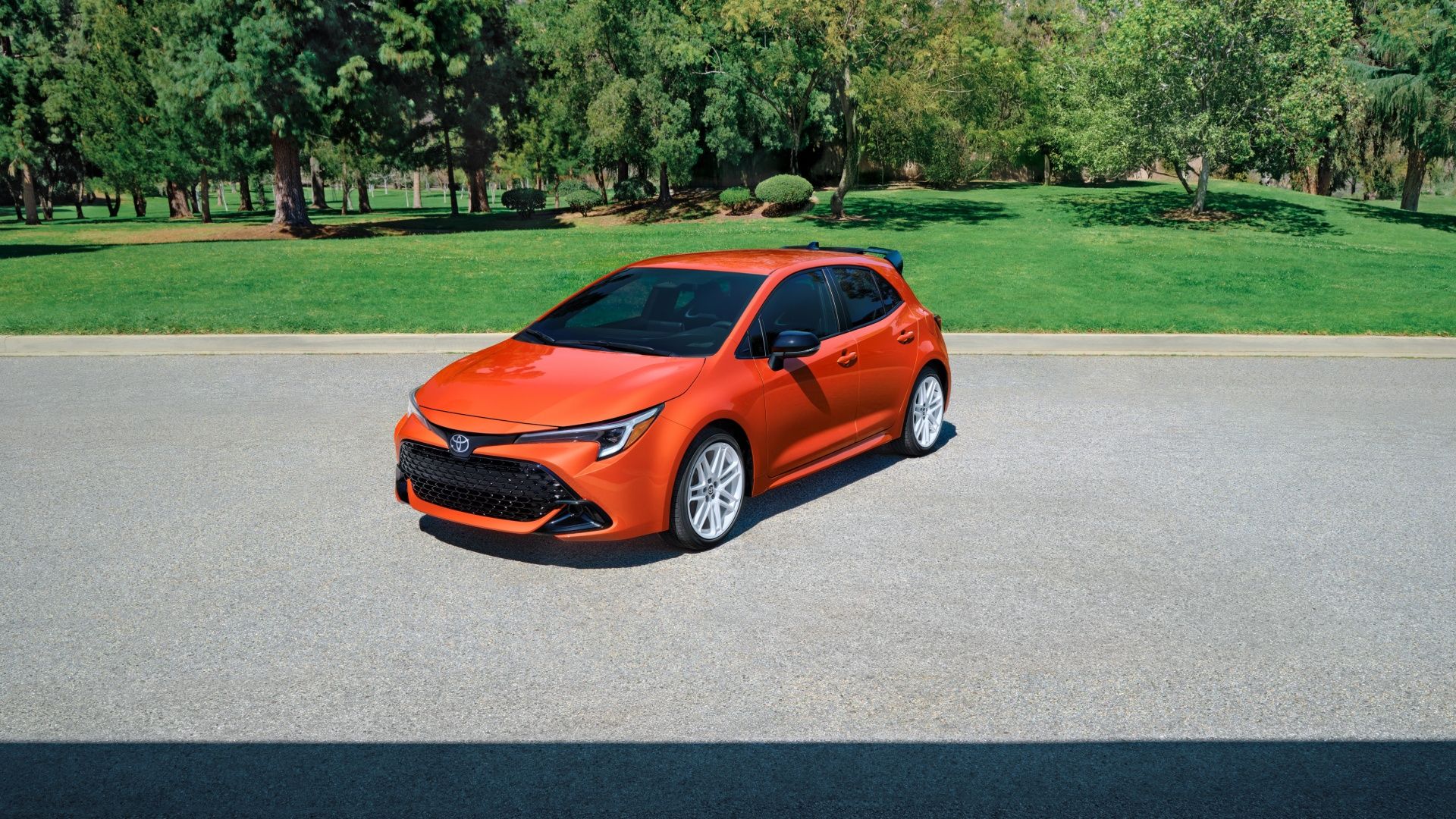
1) 2026 Corolla Hatchback — The Budget-Friendly Protector
There’s a reason the Corolla name has become shorthand for “steady.” It’s the automotive equivalent of a dependable friend who shows up on time, remembers your favorite coffee, and somehow keeps calm during chaos. The 2026 Corolla Hatchback carries that same practical charisma into a more expressive silhouette. For many drivers, its insurance appeal often traces to a balance of common parts, strong safety ecosystem offerings, and a reputation that insurers can model confidently.
Hatchbacks often face a special challenge: they’re compact enough to be nimble, yet versatile enough to attract different types of drivers. Still, the Corolla’s mainstream presence can work in its favor. Repairs are typically easier to source and standardize. That matters when claims happen.
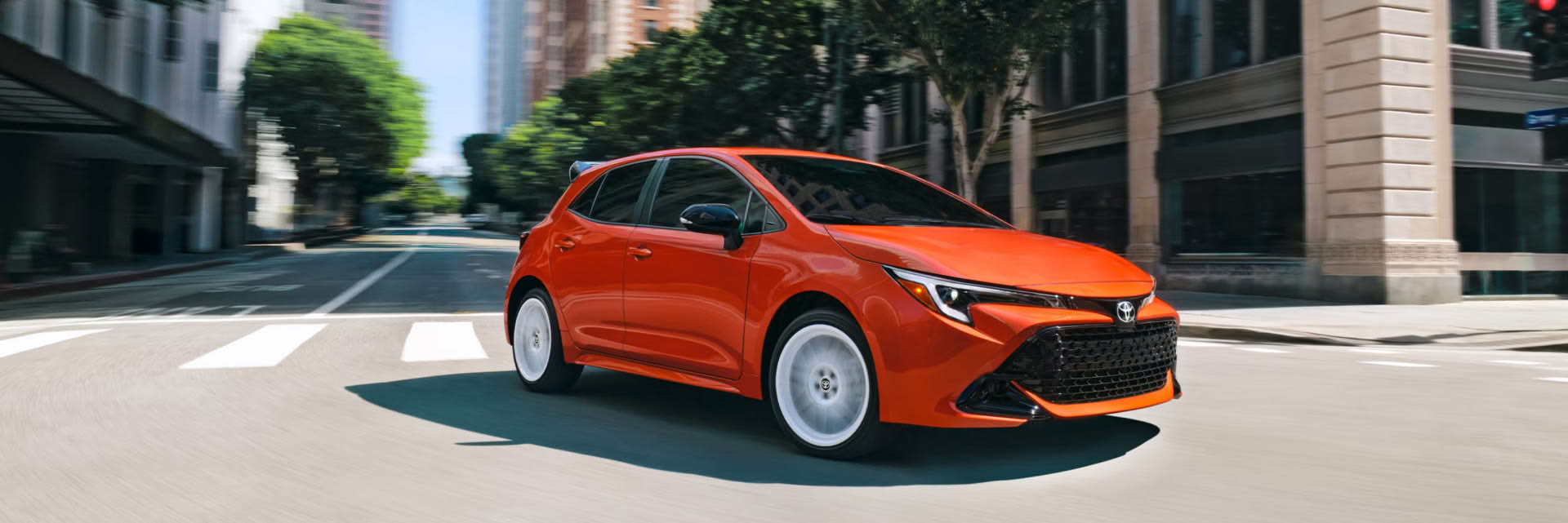
Unique appeal: It doesn’t just aim for affordability—it cultivates reliability as a lifestyle. In insurance terms, that often translates into a cleaner risk profile.
2) 2026 Compact Hatchbacks with Advanced Safety Suites — The “Low-Drama” Choice
Some 2026 hatchbacks aren’t “cheap” because they’re stripped down. They’re cheaper to insure because they’re engineered to prevent the kind of chaos that creates expensive claims. Features like adaptive cruise control, lane-keeping assistance, automatic emergency braking, and blind-spot monitoring can reduce accident risk and severity.
Think of these systems as tiny, tireless guardians. They don’t replace good driving. They simply act like extra eyes in the corners of your day. When a vehicle behaves more predictably in critical moments, insurers tend to respond with more favorable underwriting.
How to shop strategically: Compare similar trim levels across models. A higher trim with more safety tech can sometimes be insured at a surprisingly reasonable rate—especially when it doesn’t introduce costly specialty components.
3) 2026 Hatchbacks Known for Lower Repair Complexity
Insurance costs often follow the trail of repair bills. Even if two cars experience the same crash, the one with simpler components usually rebounds faster—and with fewer surprises. Hatchbacks that use widely available parts, common body panels, and straightforward mechanical layouts often become insurance “favorites” behind the scenes.
Repair complexity can be influenced by design choices: unusual interior materials, hard-to-source exterior trim, or rare drivetrain configurations. The most affordable insurance candidates usually avoid extravagant complexity. They’re not boring—they’re elegantly practical.
Pro tip: When comparing options, check how frequently a model appears in insurer repair networks. Wider availability often correlates with smoother claim processing.
4) 2026 Models with Favorable Theft and Loss Statistics
Theft risk is like weather for premiums—it changes the forecast. If a hatchback is frequently targeted, insurers price that reality into your monthly payment. In contrast, cars with lower theft rates can receive a quieter, more stable underwriting profile.
For 2026 hatchbacks, look for strong anti-theft measures: immobilizers, vehicle tracking options, enhanced access security, and widely used hardware that doesn’t tempt criminals with easy paths. These features are less about fear and more about friction. The more barriers a would-be thief faces, the less likely a claim becomes.
Metaphor time: Theft-prevention tech acts like a lock inside a lock—layers of resistance that make opportunism less profitable.
5) 2026 Hatchbacks That Are Popular, Predictable, and Easy to Claim
Popularity can be misunderstood. In insurance circles, popularity often means better coverage data and more standardized repair approaches. When a car sells in higher volumes, insurers gather more loss information and repair shops become more familiar with the vehicle. That combination can reduce uncertainty—an enemy of affordable pricing.
Hatchbacks, in particular, are frequently chosen as practical daily drivers. That means they tend to have broader market representation across demographics. When underwriting sees predictable patterns of use, it can price risk more precisely.
What to watch: A model’s trend trajectory matters. If a hatchback is new, data may be limited early on. As claims history accumulates, premiums can settle into more stable patterns.
Beyond the Car: The Driver and Coverage Choices That Shape Your Premium
Even the lowest-cost hatchback won’t guarantee low insurance if your coverage strategy pushes the price upward. Deductibles, liability limits, comprehensive/additional coverage, and even how you bundle policies can significantly affect your bill.
Consider how insurers interpret your profile: driving history, annual mileage, credit-based insurance scores (where permitted), age, and whether you park in a garage. A hatchback with strong safety attributes can still become expensive if you drive frequently in high-traffic corridors.
So, the best approach is both elegant and tactical: choose a hatchback with a favorable risk profile, then refine coverage to match your comfort level. The goal isn’t minimal coverage—it’s aligned coverage. Your premium should feel like it’s protecting the life you actually live.
Quick Checklist: How to Lock In a Lower Insurance Outcome
Before signing paperwork, use this checklist like a compass in a storm:
1) Ask for quotes on the exact trim and package you want.
2) Compare deductibles and see how they shift total cost.
3) Verify safety tech and anti-theft features are present on your chosen configuration.
4) Check availability of parts and local repair network familiarity.
5) Test different coverage levels to find the sweet spot.
Small adjustments can feel like hidden levers. Pull the right one, and your premium may drop without sacrificing confidence.
Final Thoughts: The Hatchback Advantage in 2026
Choosing a 2026 hatchback with low insurance costs isn’t just a budgeting exercise. It’s a commitment to smart ownership—owning a vehicle that fits your daily rhythm without turning your wallet into a casualty. When a model like the 2026 Corolla Hatchback emerges as a frequent affordability standout, it’s often because predictability and practical engineering meet real-world underwriting logic.
Ultimately, the lowest insurance-cost hatchbacks share a common spirit: they don’t demand drama. They offer versatility, everyday usability, and a calmer insurance story—one you can drive with confidence, rain or shine. Pick your hatchback carefully, request quotes thoughtfully, and let the numbers work in your favor. Your next commute should feel like freedom, not negotiation.