The automotive warranty landscape in 2026 is more competitive than ever, with manufacturers vying to outshine rivals through extended coverage, innovative perks, and rock-solid reliability promises. Nissan, Toyota, and Honda—three titans of the Japanese automotive industry—each bring distinct philosophies to the table when it comes to protecting your investment. Whether you’re a meticulous planner buying new or a savvy buyer hunting for a certified pre-owned gem, understanding the nuances of their warranty programs could save you thousands and spare you sleepless nights. This isn’t just about bumper-to-bumper terms or roadside assistance—it’s about long-term peace of mind, resale value, and the hidden clauses that could make or break your ownership experience. Let’s dive into a granular comparison of Nissan’s 2026 warranty offerings against the industry benchmarks set by Toyota and Honda, and uncover which brand truly delivers the most comprehensive shield for your ride.
The Pillars of Protection: Core Warranty Structures Compared
In the realm of factory-backed warranties, the foundational trio—basic, powertrain, and corrosion coverage—serves as the bedrock of consumer trust. Nissan’s 2026 lineup continues to champion a 3-year/36,000-mile basic warranty paired with a 5-year/60,000-mile powertrain warranty, a structure that has remained largely unchanged for years. While adequate, this places it in the mid-tier of mainstream Japanese automakers. Toyota, on the other hand, stretches the envelope with a 3-year/36,000-mile basic warranty and a 5-year/60,000-mile powertrain warranty—identical in duration but bolstered by ToyotaCare, a no-cost maintenance plan that includes two years of complimentary scheduled service visits. Honda counters with a 3-year/36,000-mile basic warranty and a 5-year/60,000-mile powertrain warranty, but introduces the Honda 360 Loyalty Program, offering certified pre-owned buyers extended coverage under certain conditions. What sets these brands apart isn’t just the mileage or years, but the psychological reassurance of knowing that even minor drivetrain hiccups won’t drain your wallet prematurely.
Rust Never Sleeps: Corrosion Coverage That Outlasts the Storm
Corrosion is the silent assassin of automotive longevity, creeping into wheel wells and undercarriages with relentless patience. Nissan’s 5-year/60,000-mile corrosion warranty stands tall here, offering one of the most generous protections in the segment. Toyota matches this with a 5-year/unlimited-mile corrosion warranty, a nod to its trucks and SUVs that brave salted roads and coastal humidity. Honda, however, takes a more conservative approach with a 3-year/36,000-mile corrosion warranty, a potential red flag for buyers in snowy climates or near saltwater. If your driveway resembles a winter wonderland or your commute skirts the ocean, Nissan’s extended corrosion shield could be the deciding factor—preventing premature body panel replacement and preserving resale value like a well-maintained vintage wine.
Beyond the Basics: Unpacking the Fine Print and Hidden Perks
Warranties aren’t just about what’s covered; they’re about what’s not excluded. Nissan’s 2026 lineup introduces subtle but meaningful tweaks to its warranty terms, including expanded hybrid battery coverage under the powertrain umbrella for select models, a response to the growing EV and hybrid adoption. Toyota’s ToyotaCare Plus program, available for purchase, extends roadside assistance to 7 years/70,000 miles, a boon for long-distance commuters and adventure seekers. Honda’s Honda 360 Loyalty Program includes a 7-year/100,000-mile powertrain warranty for certified pre-owned vehicles purchased from Honda dealerships, a lifeline for budget-conscious buyers seeking near-new reliability. Meanwhile, Nissan’s Nissan Roadside Assistance remains a standard 24/7 benefit for the first 3 years, with optional extensions—a pragmatic choice for those prioritizing flexibility over long-term commitments.

Electric Evolution: Warranty Implications for EVs and Hybrids
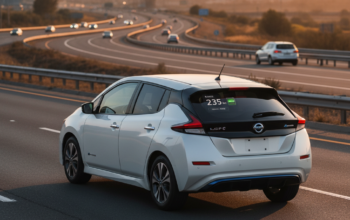
The rise of electrified powertrains has forced automakers to rethink warranty strategies, particularly for high-voltage battery systems. Nissan’s Leaf and Ariya EVs come with a 8-year/100,000-mile battery warranty, a competitive edge over Toyota’s 10-year/150,000-mile hybrid battery coverage (applicable to models like the Prius and RAV4 Hybrid). Honda, lagging slightly in this arena, offers a 8-year/100,000-mile battery warranty on its CR-V Hybrid and Accord Hybrid, but with stricter eligibility tied to certified service intervals. The disparity here reflects each brand’s commitment to electrification: Toyota’s aggressive push into hybrids and hydrogen (Mirai) demands longer battery warranties, while Nissan’s focus on pure EVs prioritizes immediate battery health. For eco-conscious buyers, this segment demands close scrutiny—after all, a battery replacement can cost as much as a used car.
Resale Value Resilience: How Warranties Influence Depreciation
A warranty isn’t just a safety net; it’s a depreciation deterrent. Vehicles with robust, transferable warranties tend to retain value better than those with limited coverage. Toyota’s reputation for bulletproof reliability and long-term warranty consistency has cemented its status as a blue-chip in the used car market, with certified pre-owned models often commanding premiums of 10–15% over competitors. Honda’s resale strength lies in its brand loyalty and the Honda 360 Loyalty Program, which appeals to buyers seeking extended protection without the sticker shock of luxury brands. Nissan, while improving, still grapples with a perception of budget-friendly reliability, though its corrosion warranty and hybrid battery terms are slowly shifting this narrative. If you’re planning to sell or trade in within 5 years, a Toyota or Honda warranty could be a silent profit multiplier.
Real-World Reliability: Warranty Claims and Customer Experiences
Numbers on paper are one thing; real-world experiences paint a clearer picture. Consumer advocacy groups and warranty claim data suggest that Toyota and Honda consistently rank in the top tier for lowest frequency of warranty repairs, a testament to their engineering and quality control. Nissan, while improving, still reports higher-than-average claims for electrical systems and infotainment glitches in certain models. However, Nissan’s corrosion warranty has earned praise from owners in harsh climates, with many citing seamless claims processes for rusted undercarriages. Toyota’s ToyotaCare Plus program has also garnered accolades for its responsive roadside support, particularly in rural areas where AAA or third-party services may be scarce. When evaluating warranties, consider not just the terms, but the reputation of the claims department—because a warranty is only as good as the company standing behind it.
Making the Choice: Which Warranty Fits Your Lifestyle?
Deciding between Nissan, Toyota, and Honda warranties hinges on your driving habits, budget, and long-term plans. Opt for Nissan if you prioritize corrosion protection and hybrid battery coverage without the premium price tag of Toyota. Choose Toyota if you value maintenance perks, resale value, and a seamless claims experience, especially for hybrid or high-mileage drivers. Select Honda if you’re in the market for a certified pre-owned vehicle and want a powertrain warranty that extends beyond the original purchase. For urban commuters logging high miles, Toyota’s roadside assistance and maintenance plans may justify the slight premium. For coastal dwellers or winter warriors, Nissan’s corrosion warranty could be a game-changer. And for hybrid enthusiasts, Toyota’s extended battery coverage offers unparalleled security.
The warranty you choose is more than a contract—it’s a financial safeguard, a resale catalyst, and a vote of confidence in the brand’s engineering. In 2026, Nissan, Toyota, and Honda each offer compelling reasons to buy, but the best coverage aligns with your priorities, not just the fine print. Whether you’re chasing the open road or safeguarding your family’s next vehicle, let the warranty be your co-pilot, guiding you through the miles with unwavering support.