In the ever-evolving landscape of compact SUVs, the 2026 Nissan Rogue and the 2026 Honda CR-V stand as titans of their segment, each vying for dominance in a market hungry for innovation, efficiency, and driving pleasure. The choice between these two formidable contenders isn’t merely a matter of preference—it’s a decision that could redefine your daily commutes, weekend adventures, and long-term automotive satisfaction. Whether you’re a meticulous planner, an adrenaline-seeking explorer, or a pragmatic family-oriented driver, understanding the nuances of these vehicles will illuminate the path to your perfect match. Buckle up, because the journey through their features, quirks, and hidden charms promises to be as exhilarating as the drives they’re designed to deliver.
The Aesthetic Divide: Where Form Meets Function
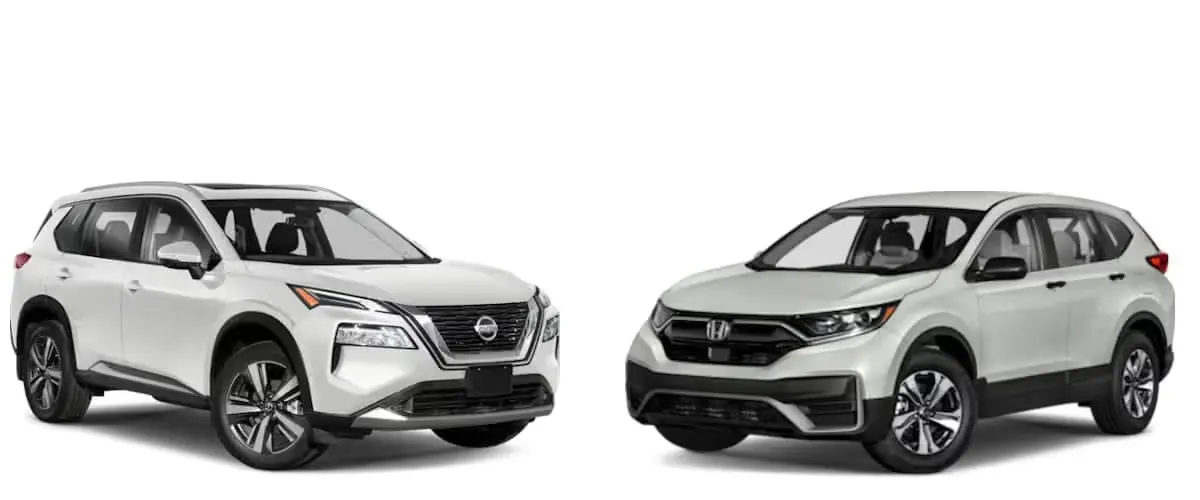
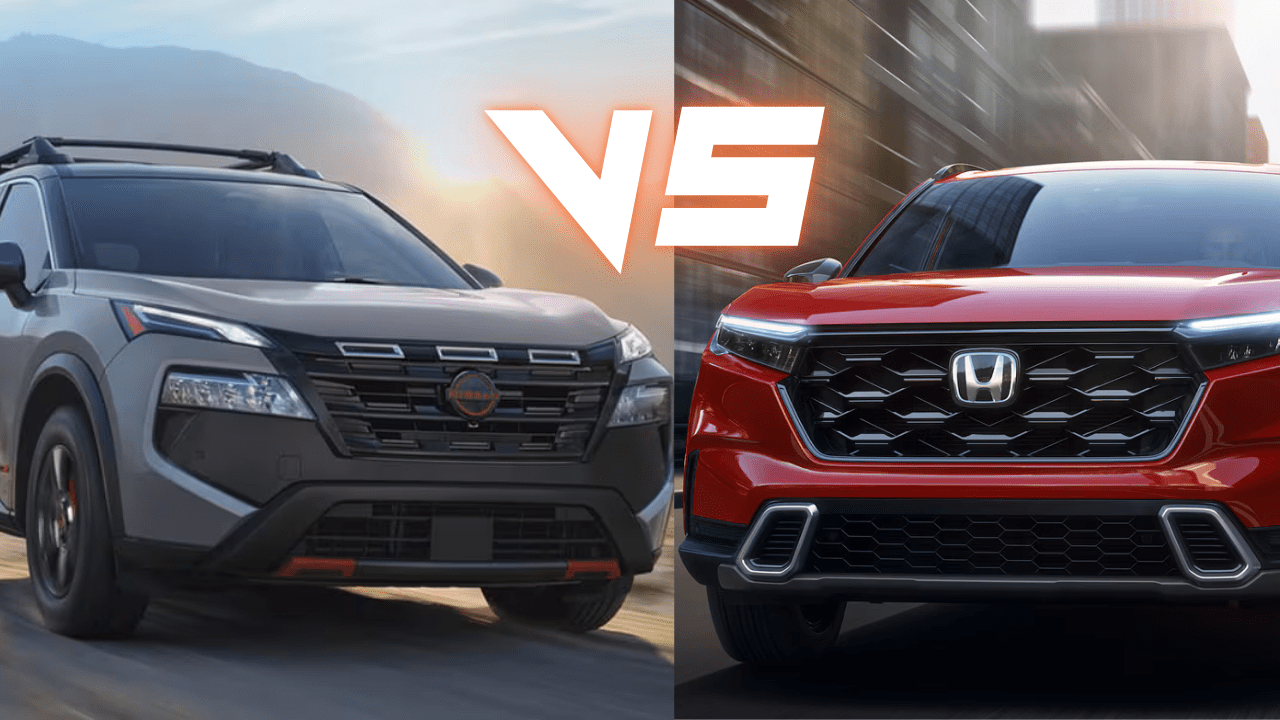
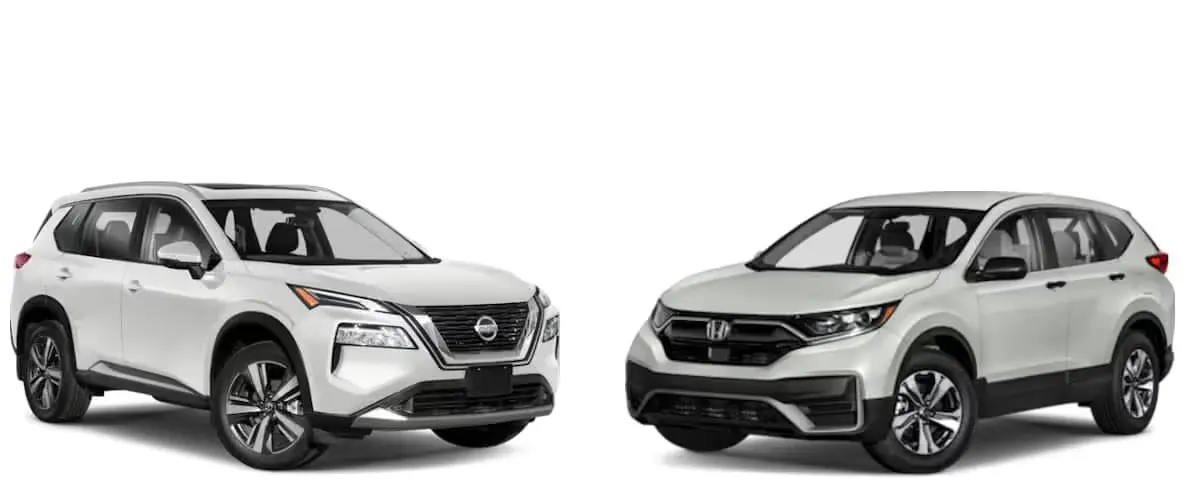
The first impression is everything, and both the 2026 Nissan Rogue and Honda CR-V wield their design languages like masterful storytellers. The Rogue, with its bold, angular grille and sleek LED headlamps, exudes a futuristic edge, reminiscent of a stealth fighter’s precision. Its sculpted body lines create an illusion of motion even when stationary, a trait that appeals to those who crave visual dynamism. The CR-V, on the other hand, adopts a more organic approach—soft, flowing curves that whisper of efficiency and understated elegance. Its front fascia, dominated by Honda’s signature “H” grille, radiates a sense of reliability and timeless sophistication.
But design isn’t just about looks; it’s about aerodynamics, too. The Rogue’s aggressive stance cuts through the air with minimal resistance, while the CR-V’s wind-cheating silhouette ensures that every journey is as silent as it is smooth. For urbanites who navigate tight parking garages and bustling city streets, the Rogue’s compact footprint might feel like a breath of fresh air. Meanwhile, the CR-V’s slightly roomier dimensions cater to those who prioritize interior space without sacrificing maneuverability. The choice here hinges on whether you’re drawn to the avant-garde or the tried-and-true.
Under the Hood: Power, Efficiency, and the Thrill of the Drive
Peel back the hood—or in this case, the liftgate—and you’ll uncover the beating hearts of these SUVs. The 2026 Nissan Rogue is expected to wield a turbocharged 1.5-liter inline-four engine, churning out a spirited 201 horsepower. Paired with a continuously variable transmission (CVT), it promises a seamless acceleration curve that feels both responsive and refined. The Rogue’s engine bay is a testament to Nissan’s commitment to downsizing without downsizing power, a feat that translates to brisk highway merges and effortless overtaking.
The Honda CR-V, however, takes a different tack. Its turbocharged 1.5-liter engine, though similar in displacement, is tuned to deliver 190 horsepower with a focus on low-end torque. This configuration ensures that the CR-V excels in real-world driving scenarios, where quick off-the-line acceleration and effortless towing capabilities are paramount. The CR-V’s engine is paired with a 10-speed automatic transmission, a gearbox that shifts with the precision of a Swiss watch, offering a tactile feedback that enthusiasts will appreciate. If raw power is your muse, the Rogue’s peppier output might tempt you. But if you value a balance of power and refinement, the CR-V’s approach could be your ideal match.
Interior Sanctuaries: Craftsmanship, Tech, and the Art of Comfort
Step inside, and you’ll find two distinctly different philosophies on display. The 2026 Nissan Rogue’s cabin is a symphony of modern minimalism, with a floating center console that houses a dual-screen infotainment setup. The materials are a mix of soft-touch plastics and metallic accents, creating an ambiance that feels both futuristic and inviting. The seats, upholstered in premium fabric or optional leather, cradle occupants in ergonomic perfection, while the panoramic sunroof bathes the interior in natural light, making even the longest drives feel like a retreat.
The Honda CR-V, meanwhile, embraces a more traditional yet meticulously crafted interior. The dashboard, with its woodgrain trim and intuitive layout, exudes a sense of warmth and familiarity. The infotainment system, housed in a sleek touchscreen, is complemented by physical buttons and knobs that hark back to an era of tactile control. The seats, available in ventilated leather, offer adjustable lumbar support and heating, ensuring that comfort is never compromised. For those who prioritize a harmonious blend of technology and tradition, the CR-V’s cabin is a sanctuary of serenity.
Tech and Connectivity: The Digital Revolution on Wheels
In an age where connectivity is king, both the Rogue and the CR-V rise to the occasion with cutting-edge tech that keeps you plugged in and in control. The Rogue’s dual-screen setup, featuring a 12.3-inch digital instrument cluster and a 9-inch infotainment display, offers a customizable interface that adapts to your driving mood. Apple CarPlay and Android Auto are standard, ensuring seamless smartphone integration, while Nissan’s proprietary software adds a layer of personalization that feels almost prescient.
The CR-V counters with Honda’s acclaimed infotainment system, which boasts a 9-inch touchscreen paired with a 10.2-inch digital instrument cluster. Honda’s software is renowned for its intuitive navigation and voice control, making it a breeze to access your favorite playlists or adjust climate settings without taking your eyes off the road. Both vehicles offer advanced driver-assistance systems (ADAS), including adaptive cruise control, lane-keeping assist, and blind-spot monitoring, but the CR-V’s Honda Sensing suite is particularly noteworthy for its predictive capabilities, which anticipate hazards before they become obstacles.
Safety: The Invisible Shield of Modern Mobility
Safety isn’t just a feature—it’s a promise. The 2026 Nissan Rogue comes equipped with Nissan Safety Shield 360, a suite of advanced safety technologies that includes automatic emergency braking, rear cross-traffic alert, and high-beam assist. The Rogue’s structure is reinforced with high-strength steel, creating a cocoon of protection that absorbs and deflects impact forces with surgical precision. For families, the Rogue’s available ProPILOT Assist semi-autonomous driving system offers a reassuring hand on the wheel during highway cruising, reducing driver fatigue on long trips.
The Honda CR-V’s Honda Sensing suite is equally impressive, with features like traffic jam assist and road departure mitigation system. The CR-V’s body structure is engineered with Honda’s Advanced Compatibility Engineering (ACE) body design, which disperses collision energy away from the cabin, safeguarding occupants in the event of a crash. Both vehicles earn top safety ratings, but the CR-V’s proactive approach to hazard detection gives it a slight edge for those who prioritize peace of mind above all else.
Practicality and Cargo: The Unsung Heroes of SUV Utility
Beyond the flashy tech and head-turning designs, the true test of an SUV lies in its practicality. The 2026 Nissan Rogue offers up to 39.3 cubic feet of cargo space behind its rear seats, expandable to 74.1 cubic feet with the seats folded. The rear seats split 60/40, allowing for versatile configurations to accommodate everything from groceries to sporting equipment. The Rogue’s low load floor and wide-opening liftgate make loading and unloading a breeze, a detail that won’t go unnoticed by busy parents or DIY enthusiasts.
The Honda CR-V, however, takes practicality to another level with up to 39.3 cubic feet of cargo space behind its rear seats, expanding to a cavernous 75.8 cubic feet when the seats are folded. The CR-V’s rear seats also split 60/40, but their recline function adds an extra layer of comfort for passengers on road trips. The liftgate’s wide opening and hands-free operation (available on higher trims) make it a standout for those who value convenience. If you’re the type who lives out of their trunk, the CR-V’s slightly larger cargo capacity might just tip the scales in its favor.
Driving Dynamics: The Soul of the Machine
The way a vehicle feels on the road is where the rubber truly meets the road. The 2026 Nissan Rogue is tuned for a ride that’s both composed and engaging. Its suspension system, calibrated for a balance of comfort and agility, absorbs road imperfections with ease while maintaining a firm connection to the tarmac. The Rogue’s steering is precise and communicative, offering just the right amount of feedback to make winding roads feel like a dance. For those who crave a touch of sportiness without sacrificing comfort, the Rogue delivers.
The Honda CR-V, on the other hand, prioritizes a smooth, almost cloud-like ride that soothes the soul. Its suspension is tuned for comfort, with a focus on isolating passengers from the jolts and vibrations of everyday driving. The steering is light and effortless, making city navigation a breeze, but it lacks the tactile feedback that enthusiasts might crave. That said, the CR-V’s ride quality is unparalleled for long-distance comfort, making it the ideal choice for road warriors who log thousands of miles each year.
The Bottom Line: Which SUV Steals Your Heart?
Choosing between the 2026 Nissan Rogue and the 2026 Honda CR-V isn’t about declaring a winner—it’s about identifying which vehicle aligns with your lifestyle, values, and driving aspirations. If you’re drawn to a futuristic design, a peppy engine, and a cabin that feels like a spaceship, the Rogue might be your perfect match. Its tech-forward approach and engaging driving dynamics make it a standout for those who crave innovation and excitement.
But if you prefer a timeless design, a refined engine, and a cabin that balances technology with tradition, the CR-V could be your ideal companion. Its comfort, safety, and practicality make it a workhorse for families, road trippers, and anyone who values reliability above all else. Ultimately, the choice comes down to what you prioritize most: the thrill of the new or the comfort of the familiar.
Whichever path you choose, one thing is certain—both the 2026 Nissan Rogue and the 2026 Honda CR-V are more than just vehicles. They’re partners in your journey, ready to elevate every mile, every moment, and every memory. The road ahead is yours to conquer. Where will it lead you?