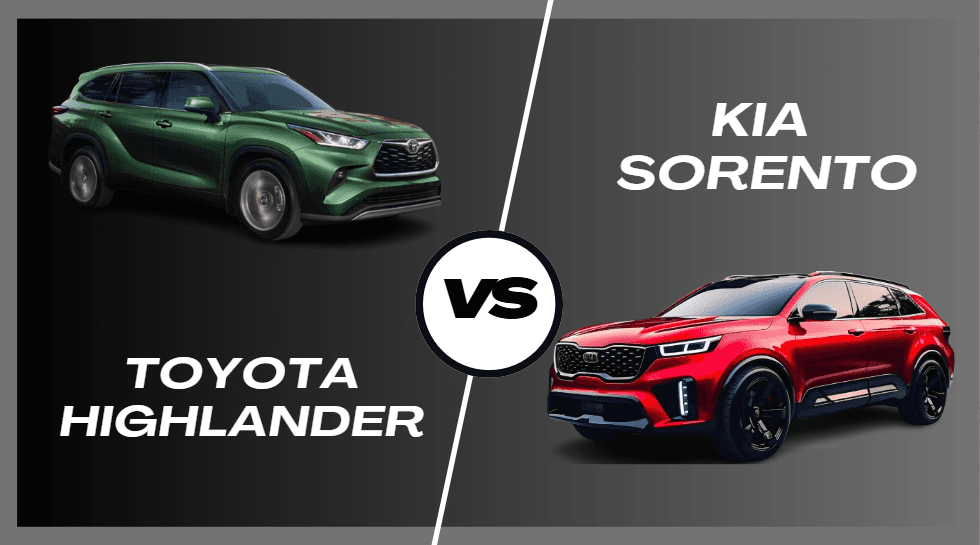
The battle for dominance in the 3-row hybrid SUV segment has reached a fever pitch. On one side, the Kia Sorento Hybrid strides forward with bold promises of efficiency and versatility. On the other, the Toyota Highlander Hybrid stands as a seasoned veteran, its reputation for reliability etched into the automotive landscape. But this isn’t just another fuel-efficient face-off—it’s a clash of philosophies, a duel where every watt of power and every drop of gasoline matters. Which one emerges victorious in this high-stakes showdown? The answer may surprise you.
The Engineered Contrasts: Powerplants That Defy Convention
At the heart of this rivalry lies a fundamental divergence in engineering philosophy. The Toyota Highlander Hybrid wields a 2.5-liter inline-four paired with an electric motor, churning out a combined 243 horsepower. It’s a system that has been refined over years, a testament to Toyota’s mastery of hybrid synergy. The Kia Sorento Hybrid, however, takes a different route—its 1.6-liter turbocharged four-cylinder, coupled with a 44.2 kW electric motor, generates 261 horsepower. This isn’t just a numbers game; it’s a statement. Kia’s approach prioritizes responsiveness and outright power, while Toyota’s leans into understated efficiency.
The real intrigue emerges when you consider the transmission. Toyota’s e-CVT is a smooth operator, seamlessly blending electric and gas power. Kia, however, employs a six-speed automatic—a rarity in the hybrid segment. This choice speaks volumes about Kia’s ambition to blend hybrid technology with a more traditional driving experience. The result? A Sorento Hybrid that feels more like a conventional SUV when the throttle is pressed, while the Highlander Hybrid remains a paragon of silent, effortless cruising.
Fuel Efficiency: The Silent War of Miles Per Gallon
In a world where every gallon counts, the numbers don’t lie. The Toyota Highlander Hybrid sips fuel with the discipline of a monk, achieving an EPA-estimated 36 mpg in the city and 35 mpg on the highway. The Kia Sorento Hybrid, while no slouch, settles for 37 mpg combined—though its real-world efficiency can dip lower under heavy loads or spirited driving. Yet, here’s where the narrative takes a twist: the Sorento’s turbocharged engine means it can cover ground faster when needed, trading some efficiency for performance.
The Highlander Hybrid, meanwhile, thrives in stop-and-go traffic, its hybrid system recapturing energy with surgical precision. It’s the SUV for those who measure fuel economy in fractions of a mile, while the Sorento Hybrid appeals to drivers who refuse to sacrifice speed for thrift. Which side of the efficiency spectrum resonates with you?
Cabin Comfort and Tech: Where Luxury Meets Practicality
Step inside either SUV, and the differences become immediately apparent. The Toyota Highlander Hybrid exudes a quiet sophistication, its cabin a sanctuary of muted tones and ergonomic design. The seats? Plush, supportive, and wrapped in high-quality materials. The tech? A 9-inch touchscreen infotainment system that’s intuitive and responsive, though some argue it lacks the flair of competitors.
The Kia Sorento Hybrid, on the other hand, is a masterclass in modern design. Its cabin is awash in soft-touch surfaces, ambient lighting, and a panoramic sunroof that bathes the interior in natural light. The tech stack is equally impressive—a 12.3-inch touchscreen, wireless Apple CarPlay and Android Auto, and a digital gauge cluster that’s as customizable as it is crisp. But where Toyota prioritizes tranquility, Kia embraces a more dynamic, almost theatrical ambiance.
Towing and Hauling: The Unseen Muscle of 3-Row Hybrids
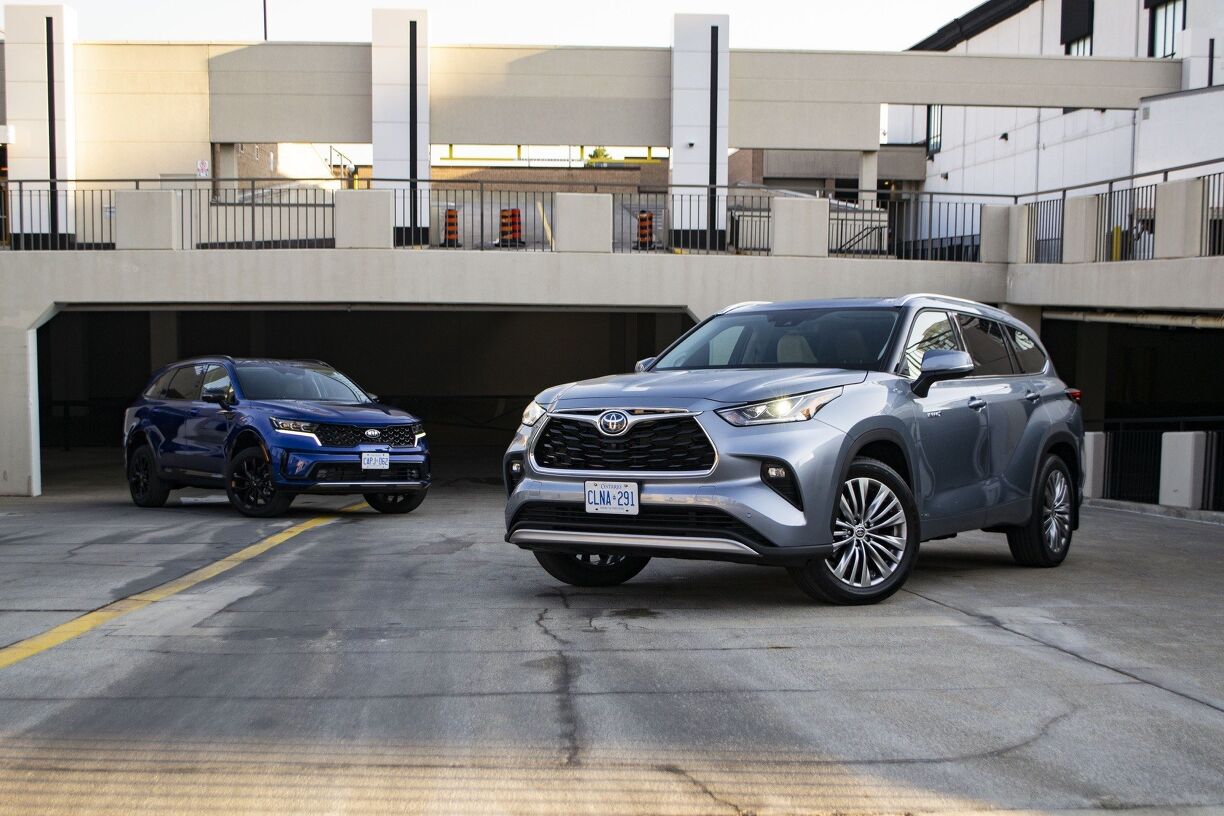
Hybrids aren’t typically known for their brawn, but both the Sorento and Highlander defy expectations. The Toyota Highlander Hybrid can tow up to 3,500 pounds when properly equipped, a feat that speaks to its hybrid system’s torque reserves. The Kia Sorento Hybrid, however, ups the ante with a maximum towing capacity of 3,500 pounds as well—though its turbocharged engine gives it an edge in low-end grunt.
Yet, the real story lies in payload capacity. The Highlander Hybrid can haul up to 1,650 pounds in its cargo area, while the Sorento Hybrid manages 1,400 pounds. For families hauling gear for weekend getaways or outdoor adventures, this is where the rubber meets the road. Which SUV better suits your lifestyle—one that prioritizes raw capability or one that balances power with poise?
Driving Dynamics: The Road Less Traveled
Driving a hybrid SUV isn’t just about getting from point A to point B—it’s about how it makes you feel along the way. The Toyota Highlander Hybrid glides over imperfections with the composure of a luxury sedan, its suspension tuned for comfort rather than sport. The steering is light, the ride is plush, and the hybrid system’s seamless power delivery makes every journey feel effortless.
The Kia Sorento Hybrid, by contrast, injects a dose of excitement into the equation. Its turbocharged engine roars to life when needed, and its six-speed automatic transmission delivers crisper shifts than Toyota’s e-CVT. The steering is more communicative, the body roll is better controlled, and the overall driving experience feels more engaging. It’s a hybrid that refuses to be boring.
The Price of Progress: Value in a Crowded Market
Budget is always a deciding factor, and both SUVs offer compelling value propositions. The Toyota Highlander Hybrid starts at around $38,000, a price that reflects its pedigree and reliability. The Kia Sorento Hybrid, meanwhile, enters the fray at approximately $36,000, undercutting its rival while packing in more standard features. Kia’s warranty—10 years/100,000 miles on the hybrid components—adds another layer of appeal.
But value isn’t just about the sticker price. It’s about the total cost of ownership. Toyota’s resale value remains legendary, while Kia’s aggressive pricing and warranty could sway budget-conscious buyers. Which approach aligns with your financial philosophy—long-term savings or immediate gratification?
The Verdict: Which Hybrid 3-Row SUV Deserves Your Attention?
The choice between the Kia Sorento Hybrid and the Toyota Highlander Hybrid isn’t just about specs—it’s about what you value most in a vehicle. If you crave a refined, efficient, and reliable SUV that excels in everyday driving, the Highlander Hybrid is a safe bet. Its hybrid system is battle-tested, its cabin is serene, and its reputation precedes it.
But if you’re drawn to a more dynamic, tech-laden, and performance-oriented hybrid, the Sorento Hybrid beckons. Its turbocharged engine, engaging driving dynamics, and bold design make it a standout in a segment often defined by conformity. It’s a hybrid that doesn’t just sip fuel—it savors the drive.
Ultimately, this duel isn’t about declaring a single winner. It’s about recognizing that the best hybrid SUV is the one that aligns with your priorities. Whether you’re a pragmatist chasing efficiency or an enthusiast demanding more from your hybrid, one thing is certain: the future of 3-row SUVs is here, and it’s electrifying.