What’s the right heart for a 2026 Chevrolet Silverado 1500—an efficient 2.7L turbo, the dependable muscle of a 5.3L V8, or the punchier presence of a 6.2L V8? It sounds like a simple choice, but the moment you start imagining weekend hauling, weekday commuting, and those “just one more run” errands, the decision turns into a small, delicious dilemma. The challenge is this: pick the engine that fits your life and your temperament, not just your spreadsheet.
In this guide, the Silverado 1500’s three headline engines are treated like characters in the same story. Each brings a distinct rhythm—how it accelerates, how it tows, how it sips fuel, and how it behaves when the road gets rude. And just to keep things interesting, consider this playful thought experiment: you’re handed the keys to all three. Which one feels like it vanishes the moment you step on the throttle, and which one feels like it’s quietly doing the heavy lifting while you enjoy the scenery?
First, set the stage: what the 2.7L Turbo is really trying to do
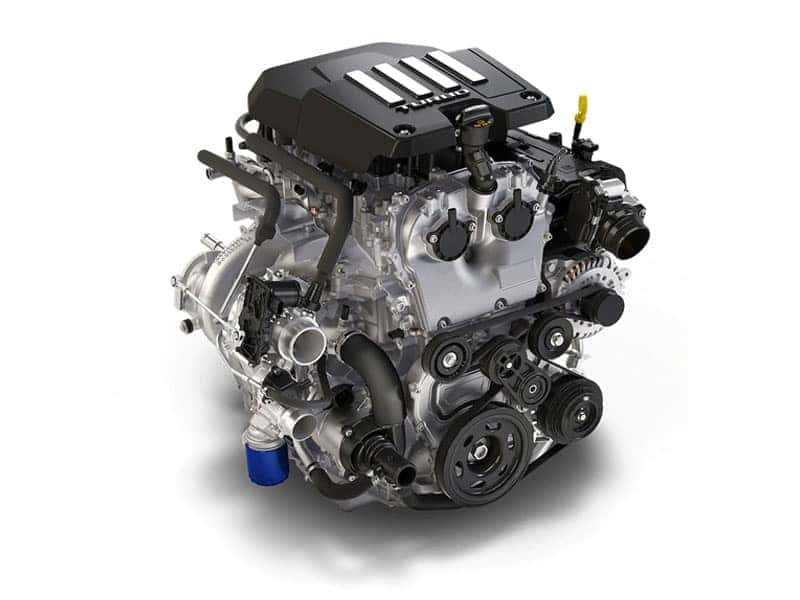
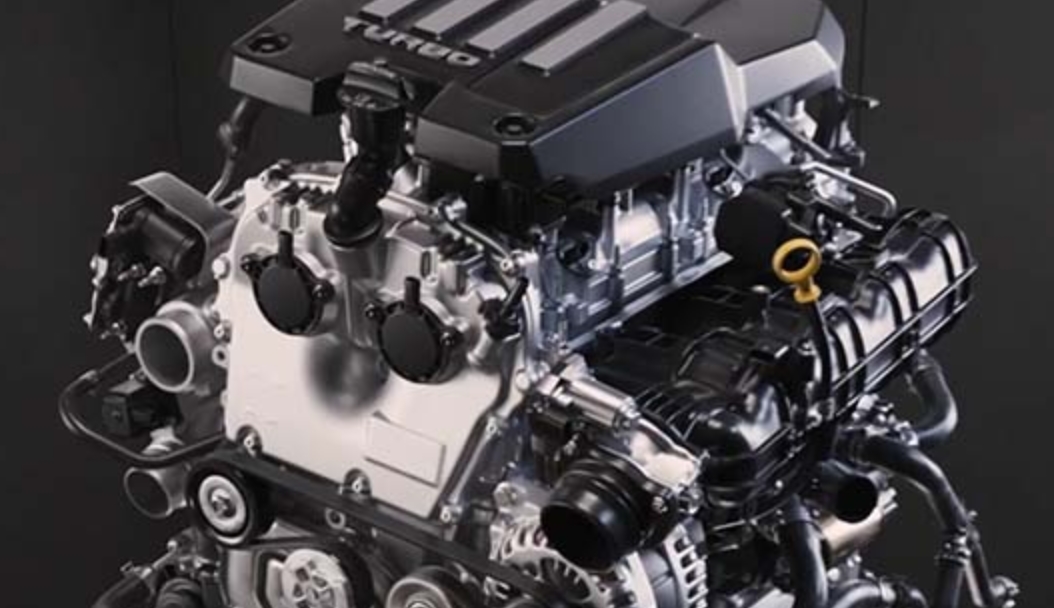
The 2.7L Turbo is essentially the Silverado 1500’s efficiency-minded trickster. It doesn’t rely on brute displacement; it relies on induction drama. A turbocharger compresses the air, helping the engine deliver useful torque without demanding a larger appetite. The result is often a smooth, eager response—especially at lower-to-mid engine speeds where many drivers actually spend their time.
Short sentence, long impact: if you mostly commute, run errands, and occasionally dabble in light towing, this engine can feel like the “clean and clever” option. It’s designed to make the truck feel responsive without turning every drive into a fuel-cost séance.
That said, every trick has a catch. When you ask for sustained heavy output—long highway grades with a loaded trailer, or repeated towing cycles—the 2.7L’s efficiency advantage doesn’t magically replace the physics of horsepower and torque. It can still perform admirably, but it may require more deliberate driving to keep performance in the “comfortable” zone.
The driving personality of the 5.3L V8: the dependable middle path
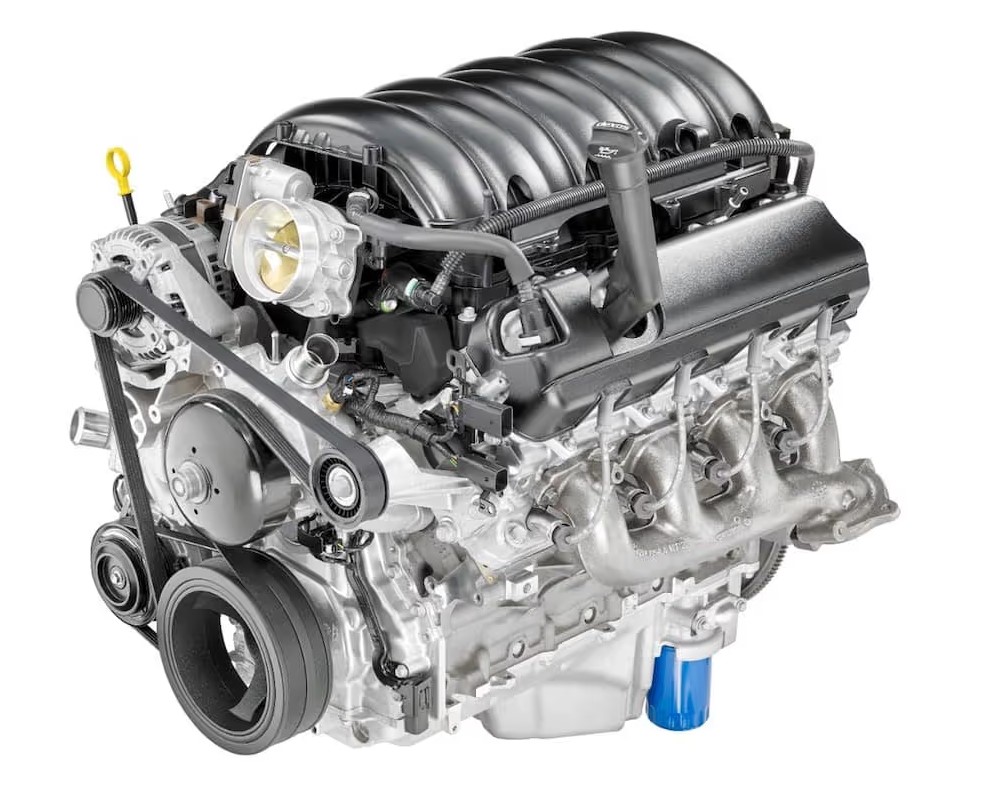
Now we step into the Silverado 1500’s most widely relatable temperament: the 5.3L V8. This engine tends to be the “do-everything” character—capable, balanced, and forgiving when your schedule becomes chaotic. It’s not trying to win a fuel-economy contest against the smallest engine, and it’s not trying to flex like a grand finale either. Instead, it aims for a broad zone of usefulness: towing when needed, hauling when required, and cruising without demanding constant attention.
In many households, the 5.3L V8 is the engine that turns “Maybe we’ll tow this weekend” into “Let’s go.” It delivers a sense of confidence when merging, climbing, and accelerating under load. The power delivery often feels progressive—less like a sudden lurch and more like a steady build, which can be especially comforting for drivers who prefer calm authority over theatrical acceleration.
If the 2.7L turbo is the efficient sprinter and the 6.2L is the thunderous performer, the 5.3L is the reliable middle distance runner. It may not always be the most dramatic choice, but it rarely feels like the wrong one.
Where the 6.2L V8 shines: torque for the moments that matter
The 6.2L V8 enters like a headline act. Where the smaller engine leans on forced induction and the 5.3L on proven balance, the 6.2L leans into displacement and a more forceful character. The result is often a more urgent response when you demand acceleration, particularly when the truck is carrying weight—people, cargo, or the gravitational weight of a trailer.
This engine is for drivers who want the Silverado 1500 to feel like it’s eager for whatever comes next. Short bursts for passing feel satisfying, and under-load driving—where many engines either strain or become noticeably less relaxed—tends to feel more composed. Think of it as reducing the need for “anticipatory driving.” You brake a little less, accelerate with more certainty, and let the engine shoulder more of the chore.
But here’s the playful challenge: are you truly going to use the engine’s full potential often enough to justify the tradeoffs? The 6.2L can be a thrill, yet its advantages become most tangible when your life regularly asks for them—frequent towing, heavier loads, or spirited driving that doesn’t politely ask permission.
Fuel economy vs. performance: the real trade study
Engine choice is rarely only about horsepower. It’s about how often you’ll live in the performance band. The 2.7L Turbo generally has the cleanest fuel-sipping reputation, especially for daily driving and lighter-duty tasks. It’s engineered to move smartly rather than loudly.
The 5.3L V8 typically offers a “good enough to be peaceful” compromise. It can deliver satisfying output without turning every tank into a pricey event. For many owners, this is the sweet spot where fuel economy and capability don’t feel like they’re constantly negotiating.
The 6.2L V8 usually prioritizes output. That doesn’t mean it’s wasteful by default, but it tends to consume more fuel during the moments you actually use its strengths—strong acceleration, towing under load, and higher-demand driving conditions.
So the decision becomes a question of habit. Do you drive mostly light and steady, or do you constantly ask for more? Your answer is your fuel-economy story.
Towing and hauling: match the engine to the workload
Towing is where engine personalities stop being abstract and become tangible. The 2.7L Turbo can be a competent choice for lighter trailers and occasional towing. It’s best when towing duties are intermittent and you’re comfortable planning your passes and grades with a little forethought.
The 5.3L V8 generally fits the towing lifestyle of many Silverado owners—regular weekend projects, worksite runs, and moderate hauling. It offers a satisfying balance of torque and overall confidence, often making it feel like the truck is ready rather than reacting.
The 6.2L V8 is the choice for drivers who want towing to feel less like a task and more like a routine. When weight increases, engine torque and responsiveness matter. This engine tends to maintain composure during demanding stretches, which can reduce the fatigue that builds when a truck feels strained.
Playful reminder: towing isn’t just about maximum capability; it’s about how relaxed the truck feels while doing the job.
Daily comfort and refinement: how each engine feels in the real world
Even when specs say similar things, the lived experience differs. The 2.7L Turbo may feel lively and efficient, often with a smoothness that fits city driving. Short accelerations can feel crisp, and the truck can feel eager without unnecessary complexity.
The 5.3L V8 often provides a comforting sense of “no drama.” The power delivery can feel steady, which makes it easy to match with traffic flow and everyday driving rhythms.
The 6.2L V8 can feel more exuberant, with a richer, more confident response. It’s the engine that makes you want to take the scenic route—because the truck feels like it’s performing even when you’re not asking it to.
Reliability and ownership mindset: choose the one you’ll use most
Engine reliability is also about your usage pattern. An engine that’s frequently asked to work near its limits will accumulate more stress than one used at comfortable demand levels. That doesn’t mean any option is automatically fragile; it means your driving habits influence your ownership experience.
If you primarily drive light duty, the 2.7L Turbo’s design intent aligns with your reality. If your routine includes meaningful hauling, the 5.3L V8 can be your “frequent use” partner. If you regularly tow heavy or you simply crave strong response, the 6.2L V8 is built for that energy.
Here’s the key: the best engine is the one that matches your frequency of need. Not your fantasy once a year.
Quick decision framework: which engine is right for you?
Choose the 2.7L Turbo if you want:
• Efficient daily driving and crisp low-to-mid responsiveness
• Occasional light towing
• A truck that feels nimble rather than needy
Choose the 5.3L V8 if you want:
• A balanced setup for mixed driving and moderate towing
• Confidence for merges, grades, and weekend hauling
• A compromise that stays comfortable for most owners
Choose the 6.2L V8 if you want:
• Strong performance when towing or carrying weight
• Less stress under demand and more immediate response
• A truck that feels eager even when the workload climbs
Outro: the playful verdict
So, what’s the right choice for the 2026 Chevrolet Silverado 1500—2.7L Turbo, 5.3L V8, or 6.2L V8? The answer isn’t simply about who has the bigger numbers. It’s about where your truck spends its time: in the calm lanes of daily life, or in the loud, purposeful world of hauling.
Here’s the final challenge, delivered with a grin: if you had to live with your choice for two years, which engine would you feel proud of every single week—because it matched your reality, not your occasional urge? Pick the Silverado that makes your normal drives feel effortless, and your demanding days feel like they were expected.