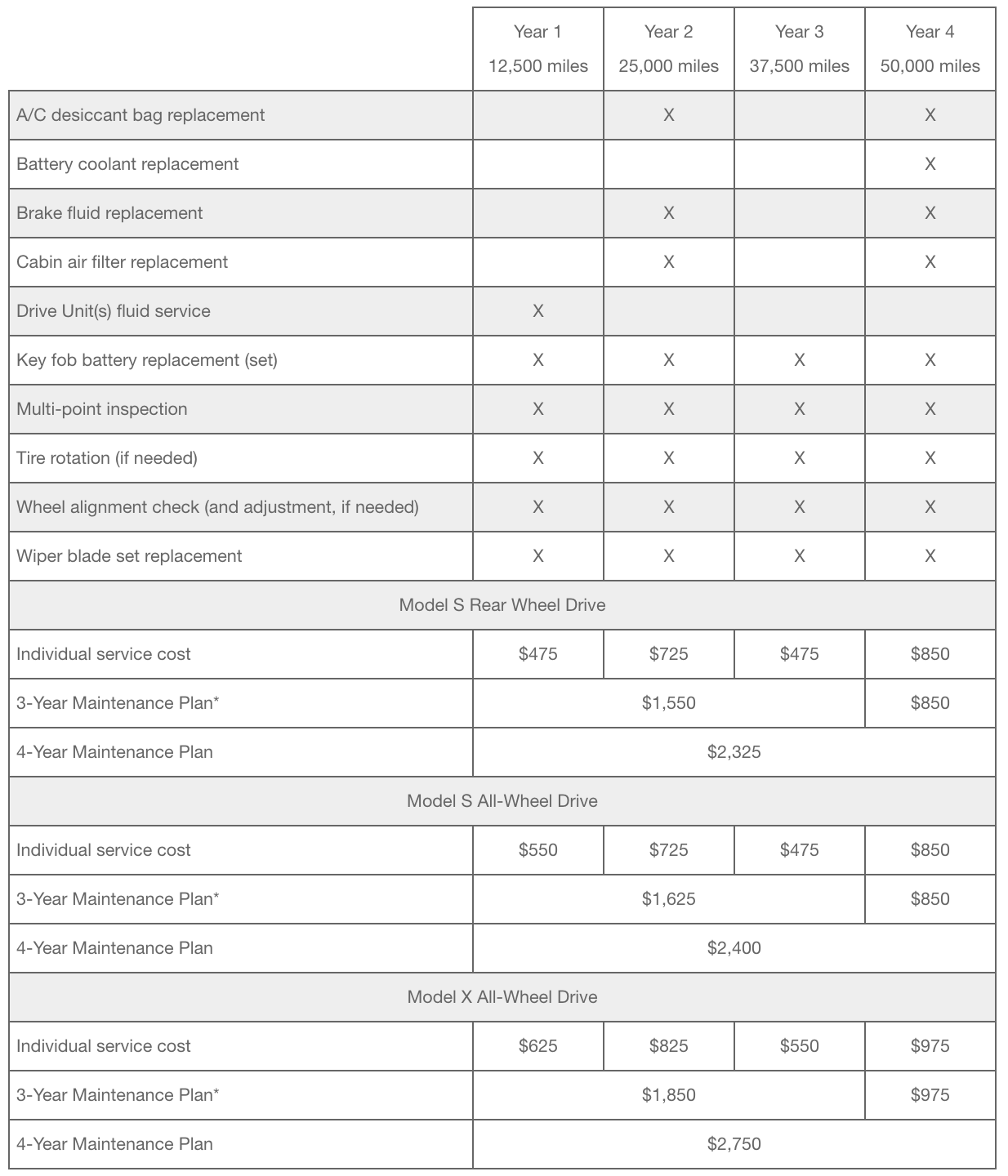
Have you ever wondered what it truly costs to keep a Tesla humming along the open road for the first 50,000 miles? Beyond the sticker price and the allure of zero tailpipe emissions lies a landscape of maintenance expenses that often catches new owners off guard. Unlike their gasoline-guzzling counterparts, Teslas boast fewer moving parts, but that doesn’t mean they’re maintenance-free. So, what should you really expect when it comes to Tesla maintenance costs over the first 50,000 miles? Buckle up—we’re about to dive into the nitty-gritty of keeping your electric steed in tip-top shape.
The Myth of Zero Maintenance: Debunking the EV Illusion
It’s easy to fall for the seductive promise of an electric vehicle requiring no maintenance at all. After all, no oil changes, no spark plugs, and no transmission fluid replacements sound like a dream. But here’s the catch: Teslas, like all vehicles, aren’t immune to wear and tear. While they eliminate many traditional maintenance chores, they introduce a new set of considerations. Tires, brakes, suspension components, and even the battery itself demand attention. The absence of an internal combustion engine doesn’t mean the absence of maintenance—it just means the maintenance is different.
Consider this: Teslas are heavy. Really heavy. The weight of the battery pack alone shifts the dynamics of how tires and brakes degrade. A Tesla Model S, for instance, tips the scales at over 4,000 pounds. That’s a lot of mass to slow down and keep rolling. So, while you might not be scheduling oil changes every 5,000 miles, you’ll still need to monitor tire tread depth, brake pad wear, and suspension health. Ignoring these areas could lead to premature replacements—or worse, compromised safety.
Tires: The Unsung Heroes of Tesla Performance
Teslas are known for their blistering acceleration and razor-sharp handling, but those capabilities come at a cost—literally. High-performance electric vehicles demand high-performance tires, and those tires don’t come cheap. The first 50,000 miles often see tire replacements due to uneven wear, punctures, or simply the natural degradation of rubber. Unlike conventional cars, Teslas use regenerative braking, which reduces wear on brake pads but increases wear on tires. The constant torque delivery and instant power delivery put additional strain on the rubber.
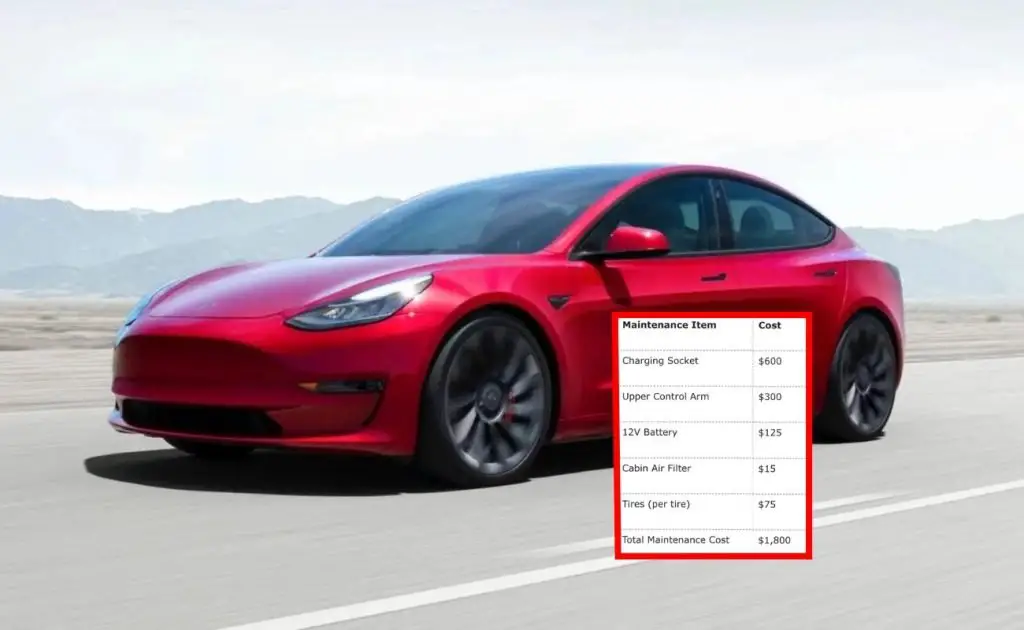
Expect to replace tires every 30,000 to 50,000 miles, depending on your driving habits. Premium brands like Michelin, Pirelli, or Continental are common choices, with sets costing anywhere from $1,200 to $2,500. Factor in alignment checks and rotations, which should occur every 10,000 miles or so. Skipping these can lead to uneven wear, reducing tire lifespan and compromising handling. And let’s not forget the impact of road conditions—potholes, debris, and extreme temperatures can all take a toll.

Brakes: The Quiet Revolution of Regenerative Braking
One of Tesla’s most celebrated features is regenerative braking, which recaptures energy during deceleration and feeds it back into the battery. This innovation drastically reduces wear on brake pads and rotors, a welcome relief for traditional maintenance budgets. However, it’s not a complete free pass. Over the first 50,000 miles, you’ll still need to inspect brake components periodically. While pad replacements are less frequent, rotors can wear down due to the increased reliance on regenerative braking, especially in stop-and-go traffic.
Most Tesla owners report brake pad replacements between 50,000 and 100,000 miles, a significant improvement over gasoline cars. Rotors, on the other hand, may last longer but should be checked for warping or thinning. The cost of brake service varies, with pad replacements ranging from $300 to $600 and rotor replacements adding another $200 to $400. The key takeaway? Regenerative braking is a game-changer, but it doesn’t eliminate the need for vigilance.
Battery Health: The Heart of Your Tesla’s Longevity
The battery pack is the beating heart of any Tesla, and its health is paramount to both performance and longevity. Over the first 50,000 miles, you’ll likely notice minimal degradation—typically less than 5% capacity loss if you follow best practices. Teslas are designed with thermal management systems to regulate battery temperature, but extreme heat or cold can still impact performance. Charging habits play a crucial role here. Frequent fast charging, especially at high temperatures, can accelerate wear. Similarly, consistently charging to 100% or depleting the battery to near-zero can stress the cells.
Tesla recommends keeping the battery between 20% and 80% for daily driving to maximize lifespan. While this might seem restrictive, it’s a small price to pay for long-term health. Most owners find that adhering to this range results in negligible degradation over the first 50,000 miles. Software updates from Tesla also include optimizations to battery management, further enhancing longevity. If you’re concerned about battery health, Tesla’s built-in diagnostics can provide insights into your pack’s condition.
Suspension and Alignment: The Overlooked Maintenance Items
Teslas may glide effortlessly over rough roads, but their suspension systems aren’t impervious to wear. The first 50,000 miles often reveal issues with shocks, struts, and bushings, especially if you frequently encounter potholes or uneven surfaces. Unlike traditional cars, Teslas use air suspension in some models, which adds another layer of complexity. Air suspension components can degrade over time, leading to leaks or loss of ride height. Regular inspections are essential to catch these issues early.
Alignment is another critical factor. The instant torque delivery and precise handling of a Tesla mean that even minor misalignments can affect performance and tire wear. Alignment checks should be part of your routine maintenance, ideally every 10,000 miles or after hitting a significant pothole. Misalignment can lead to uneven tire wear, reduced efficiency, and a less enjoyable driving experience. Don’t underestimate the importance of keeping your Tesla’s suspension in top condition—it’s the foundation of a smooth ride.
Software and Firmware: The Invisible Maintenance
In the world of Teslas, software is just as important as hardware. Regular over-the-air updates from Tesla introduce new features, performance improvements, and bug fixes. While these updates don’t come with a direct cost, they require your attention. Ignoring updates can leave your Tesla vulnerable to security risks or missing out on optimizations that enhance efficiency and driving dynamics. Additionally, some updates may recalibrate systems like Autopilot or battery management, which can indirectly affect maintenance needs.
It’s also worth noting that third-party modifications or unauthorized software tweaks can void warranties and potentially cause issues. Tesla’s ecosystem is designed to work seamlessly with its own software, so it’s best to let the updates roll in naturally. Keeping your Tesla’s software up to date ensures that you’re always benefiting from the latest advancements and safeguards.
Warranty Coverage: A Safety Net for Unexpected Costs
One of the most reassuring aspects of owning a Tesla is its comprehensive warranty coverage. The standard warranty includes an 8-year or 100,000-mile battery and drive unit warranty, whichever comes first. This means that for the first 50,000 miles, you’re largely protected against major battery or drivetrain failures. Additionally, Tesla offers a 4-year or 50,000-mile bumper-to-bumper warranty, covering most other components. This warranty can be a lifesaver if you encounter unexpected issues like sensor malfunctions or software glitches.
However, warranties don’t cover everything. Wear-and-tear items like tires, brake pads, and windshield wipers are your responsibility. It’s essential to review the warranty details carefully to understand what’s included and what’s not. If you lease your Tesla, the warranty terms may differ, so be sure to clarify with Tesla or your leasing provider. Leveraging warranty coverage can significantly reduce out-of-pocket expenses, making it a critical consideration in your maintenance planning.
As you cruise past the 50,000-mile mark in your Tesla, you’ll likely look back with a mix of pride and relief. The first half-decade of ownership is a journey of discovery, where the absence of traditional maintenance chores is balanced by the need for vigilance in new areas. Tires, brakes, suspension, and battery health become your new focal points, but the payoff is a vehicle that’s not only eco-friendly but also remarkably low-maintenance compared to its gasoline counterparts.
Tesla ownership isn’t just about saving on fuel costs or reducing emissions—it’s about embracing a different kind of automotive experience. One where the road ahead is smoother, the driving more exhilarating, and the maintenance more predictable. So, the next time someone asks about Tesla maintenance, you can confidently say: it’s not about avoiding costs, but about understanding them. And with the right approach, those costs can be as manageable as the silent hum of an electric motor.