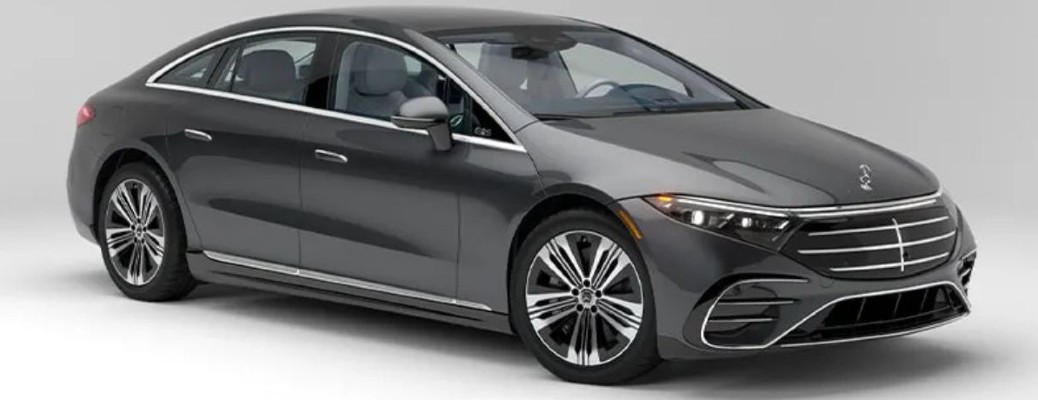
Winter has a way of sorting out priorities. It sharpens every assumption about range, grip, comfort, and confidence. The 2026 Mercedes-Benz EQS is engineered for that scrutiny—an electric flagship that doesn’t merely tolerate cold weather, but is designed to perform through it. From battery thermal management to cabin preconditioning, the EQS approach is less about “getting through” winter and more about arriving prepared. And for drivers planning longer routes, the question is no longer whether the cold will matter—it will. The real question is how the EQS responds when the thermometer drops.
In the sections that follow, you’ll find a winter-focused tour of what to expect: the practical realities of range variability, the technologies shaping efficiency, the nuances of charging in low temperatures, and the everyday techniques that convert theory into mile coverage. Consider this a winter readiness guide wrapped in a narrative—equal parts engineering and experience.
Cold Weather Range: What Changes When the Air Turns Iron-Blue
Cold-weather range loss is not a myth; it’s a material consequence of physics. When temperatures fall, the battery’s ability to deliver power can temporarily decrease. At the same time, the vehicle’s energy consumption rises due to heating demands—especially if the cabin must play catch-up from a cold soak.
With the 2026 EQS, the goal is to manage those demands with discipline. The vehicle’s thermal management strategy attempts to keep key systems in their optimal operating windows rather than letting everything drift toward inefficiency. That distinction matters. Instead of simply burning energy to compensate, the EQS aims to maintain performance by stabilizing temperatures—battery, power electronics, and cabin—so they don’t spiral into avoidable losses.
Expect a range that may be reduced compared with mild days, but also expect the reduction to be more predictable. In winter driving, predictability can be as valuable as absolute numbers. Plan for variation, and you’ll drive with clarity rather than constant recalculation.

Battery Thermal Management: Keeping the Heart Warm Without Wasting Energy
Electric vehicle range in winter hinges on one principle: battery temperature influences performance. Too cold, and the battery may not release power as effectively. Too hot, and efficiency and longevity can be impacted. The 2026 EQS targets a measured middle, using advanced thermal control to maintain battery usability.
Think of it as a thermostat with a mission. The system coordinates heating and circulation so that the battery doesn’t just survive low temperatures—it enters the drive ready to deliver. This can reduce the “first miles penalty,” the period after starting when the coldest components require extra energy.
In colder climates, that advantage becomes tangible. You may notice smoother acceleration behavior early in the drive. You may also experience more consistent efficiency as the vehicle moves from initial warmth-building into steady operation. Winter is a sequence, and thermal management is the score.
Preconditioning and Route Planning: The Quiet Advantage Before You Even Roll
One of the most effective winter strategies is arriving at departure with the vehicle already prepared. Preconditioning uses energy to warm the cabin and battery (depending on conditions and settings) before you begin driving. It’s an elegant shift—from reactive heating during the drive to proactive preparation at the start.
When the EQS is paired with charging while plugged in, preconditioning can often be optimized to reduce the energy the battery must supply from scratch. This makes a meaningful difference for daily routines: morning commutes, school drop-offs, and short errands that repeat the “cold start” cycle.
For longer trips, route planning and timing matter. If you can synchronize departure with heating needs—especially on days with sub-zero temperatures—you’ll generally preserve more usable range. Short sentences can be ruthless in winter: arrive warm, depart efficient.
Cabin Comfort in Sub-Freezing Conditions: Warmth That Doesn’t Feel Reckless
Winter comfort isn’t only about temperature; it’s about how quickly comfort arrives and how steadily it holds. Heating systems in electric vehicles require electricity, and the EQS must balance comfort with energy stewardship. The result should be warmth that feels immediate and coherent, without turning your range into a shrinking ledger.
Drivers often notice two things: how quickly the cabin reaches a stable temperature and how well the system manages defogging. In winter, visibility is non-negotiable. The EQS heating and ventilation approach is designed to maintain clear windows while still respecting energy efficiency.
Where some vehicles treat comfort as a constant drain, the EQS aims for strategic heating. That can translate into a more composed cabin experience—less “burst heat then slow fade,” more consistent temperature governance.
Charging in the Cold: Batteries, Chargers, and the Art of Timing
Charging behavior in winter can be as important as driving behavior. Cold battery temperatures can slow charging, particularly at higher power levels, because the system may need to warm the battery pack before it can accept maximum current. The EQS addresses this with thermal control that can condition the battery to improve charging performance.
Practical takeaway: if you plan to charge on a winter road trip, consider whether preconditioning is available and appropriate. When the battery warms ahead of the session, charging can be more efficient and less erratic. If you ignore temperature entirely, charging may feel sluggish—then suddenly accelerate once the pack reaches a more favorable operating state.
Another winter factor is charger availability and local grid behavior. In extremely cold regions, some charging stations may limit output. Your charging plan benefits from flexibility: build buffer time and keep backup stations on your map. Winter rewards drivers who treat charging as a process rather than a single event.
Traction and Stability: Power Management Meets Slippery Surfaces
Range and comfort are only half the winter equation. The other half is traction. Electric torque is instantaneous, which is excellent for smooth acceleration—until the road turns to glassy ice. The EQS is engineered to modulate drive torque and traction dynamics so that power delivery remains composed.
In real-world terms, that means you should feel confidence during careful takeoffs, especially on snow-dusted intersections. The car’s stability systems work behind the scenes—restricting wheel slip and smoothing transitions between grip levels.
Winter driving is also about steering feel and braking predictability. A well-managed electric drivetrain contributes to that predictability, and the EQS’s broader stability engineering is designed to support controlled behavior across changing surfaces.
Wind, Tires, and Aerodynamics: Efficiency Isn’t Only Temperature
Cold weather doesn’t arrive alone. Winter roads bring headwinds, snow cover, and often lower tire pressures. Tires—especially the tread compound and pressure—strongly influence rolling resistance, which can impact range.
If you use winter tires, you may gain traction and braking confidence, but you may also see range changes depending on tire selection and conditions. The EQS can compensate through its efficiency management, yet the driver still plays a decisive role.
Keep tire pressures properly calibrated for current conditions, and remember that pressure can drop as temperatures fall. Also, pay attention to airflow impacts: snow and road grime can affect how your car moves through the air, and even small aerodynamic changes can matter at highway speeds.
Efficiency in winter is a tapestry. Temperature provides the thread, but tires and wind determine the pattern.
Regenerative Braking in Snow: How Deceleration Feels When Grip Is Variable
Regenerative braking is often misunderstood in winter. On dry roads, regen can feel like a steady, confident deceleration. On snow or ice, available traction changes constantly. The EQS’s regen behavior must therefore adapt, balancing energy recovery with stability.
You may notice that regen feels different in low-grip conditions—sometimes reduced, sometimes more nuanced—because the vehicle prioritizes control over maximum recovery. This is a sensible trade. The winter goal is to stay safe and predictable, even if it means sacrificing some efficiency.
In stop-and-go traffic, this adaptive regen can still contribute to a smoother pedal strategy, reducing the need for friction braking. The key is to remain attentive and drive as though the surface is always one degree away from changing.
What Readers Can Expect: Content Tailored for Real Winter Life
Winter preparedness often depends on the kind of information you want. Some readers want numbers; others need workflow. The EQS winter story can be approached from several angles:
1) Range-focused guidance. Expect discussions that connect temperature effects to practical departure planning, preconditioning, and realistic trip buffers. Winter range isn’t a single figure—it’s a range of outcomes.
2) Technology walkthroughs. Readers who enjoy engineering detail will appreciate explanations of thermal management, energy consumption drivers, and how conditioning changes the energy equation.
3) Driving-technique narratives. For everyday users, the emphasis shifts to habits: how to reduce unnecessary heating spikes, when to charge, and how to make regen and traction systems work with your throttle inputs.
4) Safety-and-comfort storytelling. Winter isn’t only about reaching the destination—it’s about arriving with clear visibility, stable handling, and a cabin that feels protective rather than oppressive.
This mix of content helps readers translate the EQS winter capability into lived experience, not just marketing claims.
Winter Confidence: The EQS Mindset Behind the Wheel
On a cold morning, every car feels different. The 2026 Mercedes-Benz EQS is designed to feel intentional—less like it’s waking up to the day, and more like it’s already negotiated with the weather. That negotiation happens through thermal control, preconditioning strategies, traction management, and cabin comfort systems that cooperate rather than compete.
In winter, the most valuable performance metric is often peace of mind. It’s the ability to step into traffic without fear of unpredictable efficiency dips, to charge without panic, and to drive with clarity on roads that refuse consistency.
Final Thoughts: Winter Performance That Refuses to Be a Compromise
The 2026 EQS approaches winter as an environmental condition to be managed, not a limitation to accept. Battery thermal management helps preserve usability, preconditioning supports departure efficiency, and traction systems help maintain control when surfaces become treacherous. Charging strategies can also improve when the battery arrives warm and ready.
Cold weather will always influence an electric vehicle’s behavior. Yet the EQS is built to meet that influence with engineering rigor and driver-centered design. Winter doesn’t have to shrink your horizons—it can sharpen them, and the EQS is prepared to help you keep moving.