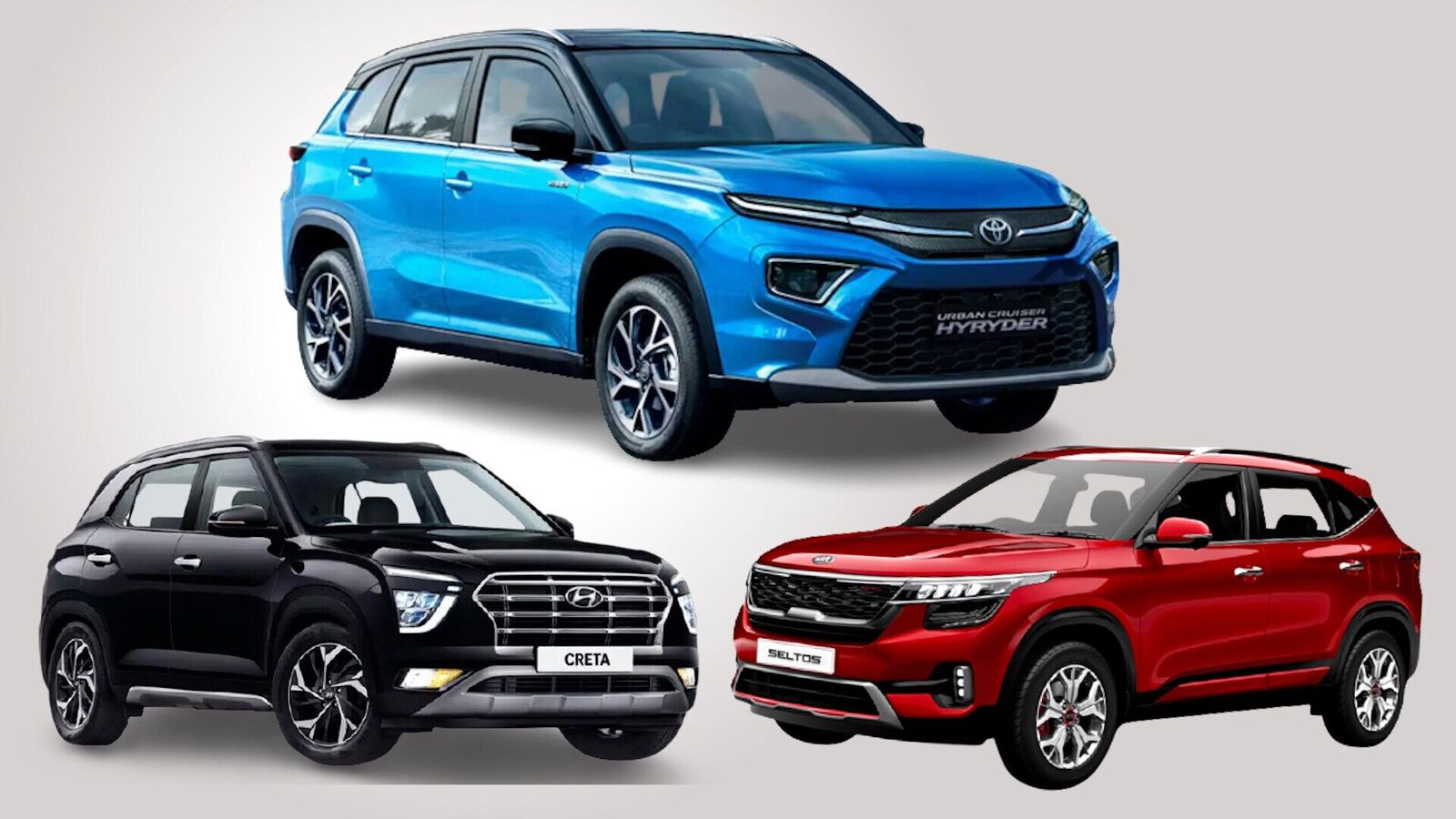
The automotive world is a gladiatorial arena where brands clash not just in horsepower or design, but in the silent, yet fiercely contested battle of warranties. Imagine these warranties as invisible shields, protecting your investment from the arrows of mechanical failure and the storms of unexpected repair costs. As we peer into the horizon of 2026, three titans stand atop the podium: Kia, Hyundai, and Toyota. Each brand wields its warranty like a master swordsman, promising different levels of protection, longevity, and peace of mind. But which one truly offers the best coverage? Let’s embark on a journey through the labyrinth of warranties, dissecting their strengths, quirks, and hidden gems to uncover who truly wears the crown of reliability.
The Grand Tapestry of Warranties: Understanding the Basics
Before diving into the specifics, it’s essential to grasp the foundational threads that weave together the warranty fabric of these automotive giants. A warranty is more than a piece of paper; it’s a promise, a covenant between manufacturer and owner, a vow that the machine will not betray you prematurely. At its core, a warranty is divided into several key components: the bumper-to-bumper coverage, the powertrain warranty, and the roadside assistance. Each serves a distinct purpose, like the layers of an onion, protecting different facets of your vehicle’s soul.
The bumper-to-bumper warranty is the knight in shining armor, covering nearly every component of the vehicle from the front bumper to the rear. It’s the first line of defense against manufacturing defects, a safety net for the unexpected. The powertrain warranty, on the other hand, is the fortress wall, safeguarding the engine, transmission, and drivetrain—the very heart and soul of your vehicle. Lastly, roadside assistance is the loyal steed, ready to gallop to your rescue at a moment’s notice, whether you’re stranded on a deserted highway or in the grip of a blizzard.
Kia 2026: The Titan of Tenacity
Kia has long been the dark horse of the automotive world, but in the realm of warranties, it has emerged as a titan, a colossus that casts a long shadow over its competitors. The 2026 Kia warranty package is nothing short of audacious, a declaration of confidence that borders on arrogance. With a 10-year/100,000-mile powertrain warranty and a 5-year/60,000-mile bumper-to-bumper warranty, Kia is essentially daring the fates to challenge its vehicles. This isn’t just a warranty; it’s a dare, a gauntlet thrown down to the universe of mechanical failures.
What sets Kia apart is not just the length of its warranty, but the sheer audacity of its coverage. The powertrain warranty, in particular, is a masterstroke of marketing and engineering bravado. It’s as if Kia is whispering to potential buyers, “Take me home, drive me into the ground, and if I break, it’s on us.” This level of confidence is unparalleled in the industry, a testament to Kia’s engineering prowess and its willingness to stand behind its products. But is it too good to be true? Only time will tell, but for now, Kia’s warranty is a beacon of hope for those who fear the specter of repair costs.

Hyundai 2026: The Silent Overachiever
While Kia steals the spotlight with its boisterous warranty claims, Hyundai operates in the shadows, a silent overachiever that consistently delivers more than it promises. The 2026 Hyundai warranty is a symphony of generosity, a harmonious blend of coverage and longevity that rivals even Kia’s boldest claims. With a 10-year/100,000-mile powertrain warranty and a 5-year/60,000-mile bumper-to-bumper warranty, Hyundai matches Kia stride for stride. But where Hyundai truly shines is in its additional perks, the subtle nuances that elevate its warranty from great to extraordinary.
Hyundai’s warranty is like a Swiss Army knife—compact, yet brimming with tools for every occasion. The inclusion of 24-hour roadside assistance for the entire duration of the warranty is a lifeline for those who find themselves in the throes of automotive despair. Whether it’s a flat tire at 3 AM or a dead battery in the middle of nowhere, Hyundai’s roadside assistance is the guardian angel you never knew you needed. Additionally, Hyundai’s warranty extends to corrosion coverage for 7 years/100,000 miles, a feature often overlooked but invaluable in the battle against rust and decay. These details may seem minor, but they are the threads that weave together a warranty of unparalleled value.
Toyota 2026: The Unyielding Fortress of Tradition
Toyota, the venerable sage of the automotive world, approaches warranties with the stoic resolve of a samurai. Its 2026 warranty offerings are a reflection of its philosophy: reliability is not a promise, but a guarantee. With a 5-year/60,000-mile bumper-to-bumper warranty and a 5-year/60,000-mile powertrain warranty, Toyota’s coverage is solid, if not spectacular. It’s the warranty equivalent of a well-constructed brick wall—unassuming, yet impenetrable. Toyota doesn’t engage in the theatrics of longer warranties; instead, it relies on the bedrock of its engineering to ensure that its vehicles rarely falter.
What Toyota lacks in length, it makes up for in trust. The brand’s reputation for longevity is not built on flashy promises, but on decades of proving its mettle. Toyota’s warranty is a testament to its commitment to quality, a silent vow that its vehicles will stand the test of time. However, this approach may not resonate with those who crave the reassurance of extended coverage. For the pragmatic buyer, Toyota’s warranty is a safe harbor, a place of refuge in the stormy seas of automotive uncertainty. But for the adventurous spirit who seeks the thrill of extended protection, Toyota’s warranty may feel like a cage of tradition.

The Fine Print: Exclusions, Loopholes, and the Devil’s Details
No warranty is an island, untouched by the tides of fine print and exclusions. Beneath the gleaming surface of these warranty promises lie the shadows of conditions, limitations, and loopholes that can turn a knight into a frog. The most common exclusions include wear-and-tear items like brake pads and tires, as well as damage resulting from accidents, misuse, or unauthorized modifications. These exclusions are the Achilles’ heel of any warranty, the cracks in the armor that savvy buyers must navigate with care.
Another critical factor is the transferability of the warranty. A warranty that dies with the original owner is like a ship without a rudder—useless once it leaves port. Both Kia and Hyundai offer transferable warranties, a feature that can significantly boost the resale value of a vehicle. Toyota’s warranty, while not inherently non-transferable, is subject to the discretion of the new owner, a subtle but important distinction. The transferability of a warranty is like a golden ticket, a passport to higher resale value and greater peace of mind for future owners.
Additionally, the location of service matters. Some warranties are void if the vehicle is serviced outside of authorized dealerships, a restriction that can be a logistical nightmare for those who travel frequently or live in remote areas. Buyers must weigh the convenience of extended coverage against the rigidity of service requirements, ensuring that their warranty is not a chain but a lifeline.
The Ultimate Showdown: Who Wears the Crown?
The battle for warranty supremacy is a clash of philosophies, a duel between audacity and tradition, between generosity and pragmatism. Kia’s warranty is a bold declaration of confidence, a dare to the fates that few can match. Hyundai’s warranty is a masterclass in value, a Swiss Army knife of coverage that adapts to every need. Toyota’s warranty is a fortress of reliability, a bastion of trust built on decades of engineering excellence.
For the thrill-seeker, the risk-taker, the one who craves the adrenaline of extended coverage, Kia’s warranty is the ultimate adrenaline rush. It’s a gamble, but one backed by the boldest promise in the industry. For the pragmatic buyer, the one who values every ounce of value, Hyundai’s warranty is the clear winner, a symphony of generosity that leaves no stone unturned. And for the traditionalist, the one who seeks the unyielding strength of a proven brand, Toyota’s warranty is the safe harbor in the storm, a testament to the power of reliability.
Ultimately, the choice is not just about numbers on a page, but about the peace of mind that comes with knowing your investment is protected. Whether you’re drawn to the audacity of Kia, the generosity of Hyundai, or the tradition of Toyota, one thing is certain: the warranty is not just a piece of paper, but a shield, a lifeline, and a promise that your journey will be as smooth as the ride itself.
The road ahead is long, and the choices we make today will echo through the years. Choose wisely, for your warranty is not just a contract—it’s a covenant with the future.