The Honda CR-V has been hovering near the top of the family-SUV conversation for so long that it can start to feel inevitable. One might even assume its magic has run out—that the segment has evolved, styling has sharpened, and rivals have learned to speak the language of practicality. Yet the question persists, asked with a mix of skepticism and genuine curiosity: is the CR-V still the benchmark?
What’s fascinating is how the observation often goes two ways at once. Drivers notice the CR-V’s familiar competence almost immediately, and that can be mistaken for sameness. But step closer. The reason for the CR-V’s lingering fascination isn’t merely that it’s “good.” It’s that it’s good in a particular way—precise where it needs to be, calm where others get theatrical, and relentlessly coherent from the first turn of the key to the last grocery run of the week.
A Common Observation: “It’s Just Another CR-V”
There’s a recurring line in CR-V discussions: it doesn’t reinvent itself every year. Instead, it refines. That attitude can sound conservative, even cautious. But in the world of mid-size crossovers, caution is often a form of maturity. People don’t just buy cars; they buy routines. Commutes, school pickup loops, weekend detours—these create a kind of gravitational pull. A vehicle that disrupts that rhythm too often becomes exhausting.
The CR-V’s reputation for stability is therefore more than brand mythology. It has an uncanny ability to feel “ready” without demanding attention. That’s why some drivers dismiss it as familiar. They haven’t noticed the quiet scaffolding underneath the impression: the integration of packaging, driving comfort, and long-term usability that has been iteratively engineered over time.
When the CR-V looks and feels like itself, it’s not because it lacks ambition. It’s because it understands a fundamental truth about family vehicles: consistency is a feature. The deeper enchantment is that the design remains approachable while the underlying practicality keeps sharpening.
Design That Doesn’t Shout—and Still Commands Attention
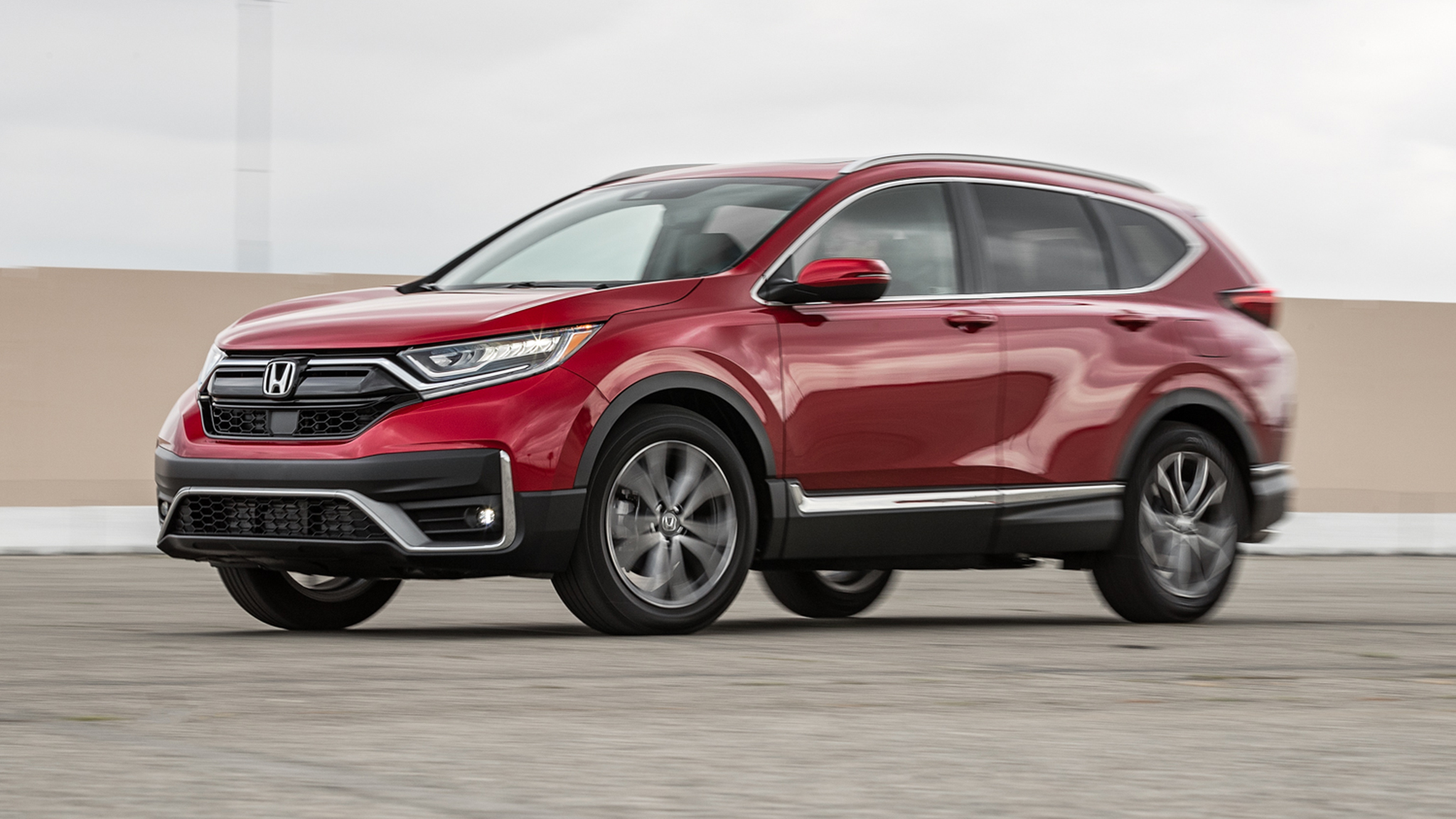
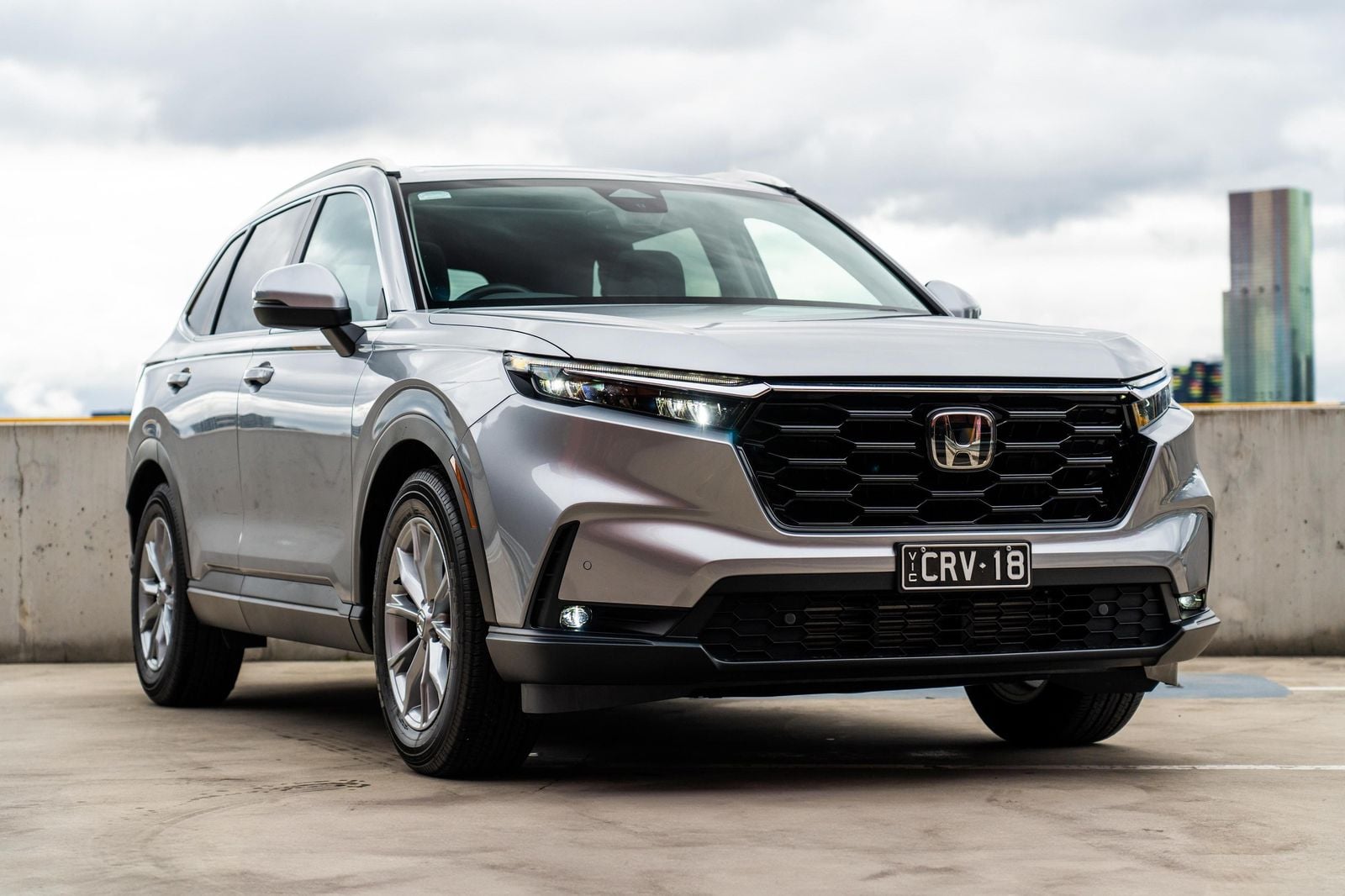
Styling is often treated like a personality test. The CR-V, however, has always played a subtler game. Its proportions aim for confident balance rather than emotional provocation. The front-end presence is purposeful, but it doesn’t attempt to overwhelm. In motion, its silhouette reads cleanly, and the overall stance feels grounded—an important psychological detail when you’re thinking about confidence on highways and in tight parking bays.
Even when the CR-V’s design appears familiar at first glance, the refinement is visible in the way light moves across surfaces, and in how the cabin architecture frames the driver’s view. This kind of design discipline is easy to miss because it doesn’t rely on gimmicks.
Space: The Real Luxury Is How Life Fits Inside
Most SUVs advertise space, but the CR-V delivers usability. That difference matters. A large vehicle that’s awkward to load becomes a daily irritation. The CR-V, by contrast, tends to feel intuitive: doors open where you expect them to, seat positions are naturally reachable, and the cargo area is shaped to handle both bulky parcels and everyday clutter.
There’s an almost domestic logic to how the interior accommodates real life. A stroller folds without drama. A weekly shop doesn’t turn into a jigsaw puzzle. Even small details—like where you can stow items without losing them—suggest a design team that watches how people actually live.
This is a deeper reason behind the CR-V’s benchmark status. Competitors may offer bigger numbers on paper, but fewer manage to convert numbers into daily calm. The CR-V’s fascination comes from friction reduction. It’s a car that tries to make your day smoother, not merely bigger.
Driving Character: Comfortable, Controlled, and Unfussy
On the road, the CR-V’s personality is best described as controlled. The steering communicates enough to keep you engaged, yet it never demands constant corrections. The ride is tuned for the kinds of surfaces most families encounter—rough patches, expansion joints, and the occasional urban irregularity.
Short sentences come easily here because the driving experience is straightforward: it stays composed. That composure isn’t dull; it’s confidence. Drivers get a sense that the car won’t suddenly change its temperament when the road tilts or traffic thickens.
There’s also an important psychological layer. Many SUVs feel busy under load, especially when overtaking or merging. The CR-V’s response aims for smoothness and predictability. It doesn’t try to impress you with dramatic surges. Instead, it makes you trust the car—an undervalued trait when you’re hauling kids, gear, and time constraints.
Hybrid and Efficiency: The Benchmark’s New Incentive
Efficiency is no longer a niche consideration. It’s a practical decision that influences every week of driving. The CR-V’s hybrid appeal has helped keep interest elevated, particularly among those who want lower running costs without sacrificing the convenience of an everyday SUV.
Hybrid systems also tend to change the tone of driving. At low speeds and in stop-start traffic, the experience can feel smoother, quieter, and more relaxed. That matters in suburban life, where the “driving” is often really waiting, inching, and navigating.

Still, the fascination isn’t only about consumption figures. It’s about how the powertrain philosophy aligns with real use. The CR-V hybrid approach tries to make energy management feel seamless—like it’s quietly doing its job in the background while you focus on the road.
Efficiency becomes an emotional benefit when it reduces the mental overhead. Fewer fuel stops mean fewer interruptions. The car feels more like a tool and less like a chore.
Technology and Safety: Competence You Can Feel
Modern SUVs drown in features, but not all features add genuine value. The CR-V tends to prioritize clarity. The driver assistance suite aims to reduce workload rather than add layers of complexity. The best systems feel like an extra set of eyes, not a source of distraction.
Infotainment interfaces and connectivity tools often decide whether a cabin feels current or dated. The CR-V’s approach generally aims for usability: quick access, logical placement, and a layout that doesn’t require a tutorial to operate safely while moving.
Safety systems matter most when they’re subtle. When collision mitigation, lane assistance, and adaptive elements work with the vehicle rather than against it, confidence rises naturally. The benchmark is not only the presence of safety tech, but the quality of its integration into daily driving.
Comfort, Noise, and the Art of Everyday Quiet
Cabin comfort is where the CR-V quietly earns loyalty. Quietness doesn’t mean isolation from the world. It means the car doesn’t turn every road surface into a conversation you have to listen to. Road noise control and overall refinement contribute to a calmer atmosphere.
Long trips feel less fatiguing. City driving feels less stressful. That’s the trick: the CR-V doesn’t just aim to reduce noise. It aims to reduce fatigue.
Even the climate experience plays a role. Efficient ventilation, thoughtful airflow management, and cabin steadiness help occupants settle quickly—especially important for families with mixed schedules and unpredictable temperatures.
Why the CR-V Continues to Captivate: Coherence Over Flash
To understand the CR-V’s enduring allure, it helps to think beyond specs. The vehicle’s fascination lies in coherence. Everything works together: packaging supports daily life, driving behavior supports confidence, and technology supports focus.
Some cars win admiration through novelty. Others win through harmony. The CR-V belongs to the latter category. It doesn’t demand that you fall in love instantly. It invites a slower appreciation, built from repeated positive experiences.
That’s also why the benchmark question refuses a simple yes or no. The CR-V isn’t the most aggressive option on the grid. It’s the most reliably useful. And in a market crowded with clever ideas, reliable usefulness becomes a form of charisma.
Is It Still the Benchmark? A Balanced Verdict
If the benchmark is defined as “the car that makes the most sense for the most people,” the CR-V still earns that title. It balances practicality with refinement, offers flexibility for families, and increasingly reflects the market’s shift toward efficiency and hybrid thinking.
At the same time, some buyers want more drama—more individuality, more sporty character, more visual fireworks. For them, the CR-V may feel too composed. But for those prioritizing consistency, comfort, and seamless day-to-day operation, it remains difficult to dethrone.
The final answer, then, depends on what you expect from a car. The CR-V’s fascination is that it rarely tries to be everything to everyone. Instead, it tries to be excellent at the things that matter repeatedly. That’s why it keeps returning to the top of the list, year after year.
In a segment where trends rise and fade quickly, the Honda CR-V’s endurance reads like a quiet achievement. It remains a benchmark not because it refuses change, but because it calibrates change into something you can live with. Familiar on the surface, deeply considerate underneath—that’s the real reason it continues to capture attention.