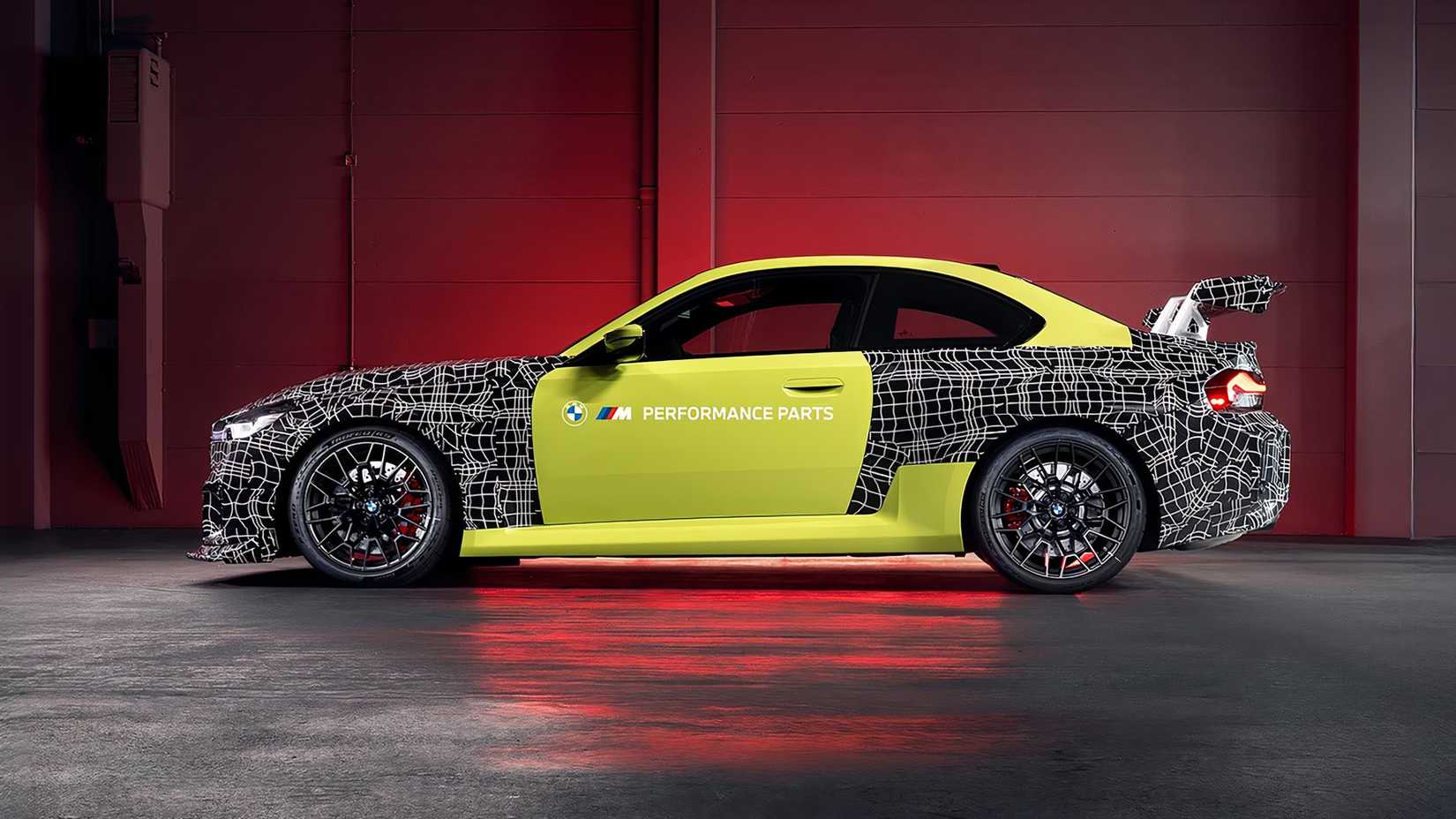
You know the type of car that makes you grinning before you even find the mirror for the lane change? That’s the emotional temperature the BMW M2 tends to bring. It’s compact, it’s purposeful, and it has a talent for turning ordinary errands into mini expeditions. But here’s the playful question: what happens when you take that same daily-driver-ready character and ask it to chase real lap time—not just a marketing simulation, but the Nürburgring kind of reality?
Now let’s sharpen the challenge. Imagine this: one weekend for track training—nothing excessive, just confident braking points and tidy exits. Then, Monday morning, it needs to blend back into traffic with the restraint of a well-mannered guest. The BMW M2 has always flirted with that dual identity, and this review is about whether it can keep the flirtation going without losing its nerve.


From Garage to Grid: First Impressions That Matter
The M2 doesn’t arrive like a heavyweight. It enters like a lightweight with a heavyweight’s intention. Its posture feels planted, hips slightly cocked, as though it’s already thinking about the next corner. Even before you touch anything, you can sense the car’s priorities: turn-in response, traction discipline, and a steering feel that refuses to go numb.
In everyday life, that means a cabin that doesn’t demand ceremony. Controls generally land where your hands expect them. The ergonomics support quick inputs—twist the steering, set your intent, and move. Short sentences help here: it’s quick to understand, quick to react, and quick to make you forget you’re in traffic.
Longer drives tell a different story. The M2’s athleticism can feel like it has a slightly “wired” character—especially when the road surface gets coarse. But that’s also part of its charm. It communicates. It chatters. It keeps you engaged rather than insulating you from reality.
Track Lap Time: Chasing Consistency Instead of Just Speed
Lap time isn’t one thing; it’s a chain of small decisions. Braking depth, tire temperature, throttle modulation, and the timing of weight transfer are all players in the same drama. A skilled driver can extract pace, yes—but the more revealing question is whether the BMW M2 makes it repeatable.
On track, the M2’s chassis philosophy feels balanced between immediacy and control. Turn-in isn’t merely fast; it’s legible. You can feel where the front axle wants to bite, and you can modulate accordingly. That legibility is the difference between “wow, it worked once” and “I can build a rhythm.”
Gear selection and traction management become your metronome. When you nail the upshift timing and keep the drivetrain from becoming a distraction, the car starts to feel like it’s accelerating with authority rather than scrambling for grip. The best lap feels smooth even when it’s brutally quick. That’s the magic trick: speed wrapped in composure.
And yes, lap-time pressure has a way of exposing flaws. Tires wear differently when you chase consistency. Braking zones creep in confidence, then they fade if you ignore heat management. The M2 rewards a driver who thinks two corners ahead. That’s the real challenge.
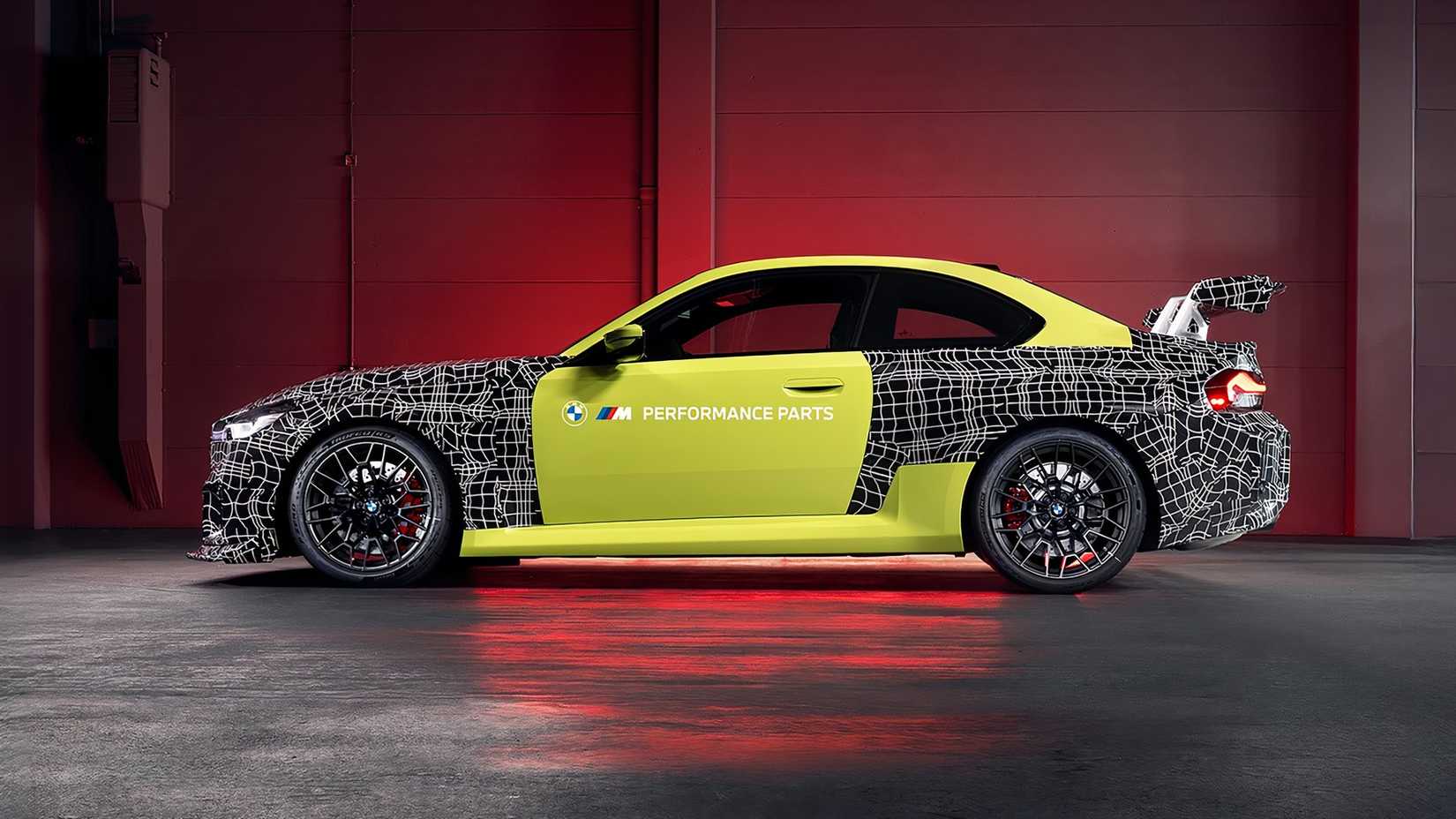
Daily Driving: Comfort Isn’t Soft—It’s Selective
Daily driving is where many “track-minded” cars either become theatrically uncomfortable or suddenly turn into bureaucratic appliances. The M2 attempts a middle path: compliant enough for errands, attentive enough to remain interesting. It doesn’t try to impersonate a luxury barge, and that honesty is refreshing.
Commuting with the M2 is a study in contrast. Short trips feel energetic and bright. Longer routes begin to reveal the car’s true balance: it can still be composed over repeated imperfections, but it will never erase all road texture. That’s not a defect. It’s a feature with a personality.
Traffic also tests throttle finesse. The M2’s response is quick, which means you occasionally have to practice restraint. But with a little finesse, it becomes smooth—almost stealthy in the way it glides past potholes and speed bumps without drama. The car’s character encourages better habits.
Steering, Brakes, and the Feedback Loop
There’s a reason drivers develop a relationship with steering. It’s the interface between intention and reality. The BMW M2’s steering tends to offer a satisfying feedback loop: you input, the car answers, and you don’t have to guess what happened. On track, that clarity helps you set the car up for corner exits rather than merely survive corners.
Braking is where confidence is either earned or evaporates. Repeated hard stops require thermal composure. If you come in too hot too often, the pedal will eventually remind you of physics. But in normal driving, the brakes feel appropriately firm, with progression that makes modulation feel natural.
One of the overlooked aspects of track performance is how the car behaves while you’re still learning. A good lap car doesn’t punish experimentation. It allows you to test, adjust, and improve. The M2’s communication style helps you evolve faster than you would in a car that hides its intentions behind vague controls.
The “M2 Mindset” on Track: Who It Suits
This is where the playful challenge becomes personal. Are you the driver who wants peak numbers, or the driver who wants a car that trains you into better consistency? The BMW M2 suits both, but it particularly rewards the second type.
If you’re new to track days, the car gives you a foundation: predictable responses, strong traction behavior when driven with respect, and a sensation of control that keeps your hands steady. If you’re experienced, the M2 invites you to refine. You can experiment with line choice, braking thresholds, and throttle timing without feeling like you’re wrestling an unpredictable animal.
In other words: it’s the kind of machine that can grow with your skill rather than just overwhelm it.
Track Package Thinking: Preparing for the Weekend
Track-ready isn’t only about the lap. It’s about preparation. Heat management, tire choice, and aerodynamic stability all matter, even if you never touch a stopwatch. Performance parts don’t magically create time; they create the conditions where time becomes attainable.
When you plan a weekend, the smartest approach is practical. Inspect tires, align pressures to your session goals, and accept that lap time is a byproduct of stable behavior. The M2 responds best when it’s allowed to stay in its comfort zone—on track, that means temperatures in the right window and inputs that don’t fluctuate wildly.
Then, when the track day ends, the daily-life test returns: can it be clean, quiet, and usable again? The M2 generally comes back from the brink with less drama than you might expect. That dual-purpose capability is the real headline for many owners.
Final Verdict: Daily Driver First, Lap-Time Aspirant Second—Or Vice Versa?
So, can the BMW M2 deliver track lap time while remaining a daily-driving companion? The answer is yes, with a caveat that’s almost philosophical: the car works best when you treat it as a partner rather than a tool. On track, it rewards skill and consistency. In traffic, it rewards calmness and selective enthusiasm.
And here’s the challenge, stated plainly. Next time you drive one, don’t just ask how fast it is. Ask how well it transitions. Can you enjoy the chase on a spirited drive, then return to normal life without the car feeling like a costume?
If the answer is yes—if it stays coherent, engaging, and satisfying in both worlds—then the BMW M2 doesn’t just earn its reputation. It earns your continued attention. That’s the kind of performance that lasts longer than a single lap.