You’re standing in a bright showroom aisle, two shadows stretching across the floor: the BMW M3 and the BMW M4. Same lineage, same M-sport heartbeat, and yet they wear their purpose differently. So here’s the playful question that refuses to behave like a normal question: if both cars are engineered to ignite a grin, which one actually makes you feel like the conductor of the symphony—when the road turns, when the track beckons, or when the commute demands civility?
Now comes the potential challenge. Imagine you have exactly one weekend—one. You can only pick one car for every mood: city errands, highway confidence runs, late-night backroads, and a Saturday sprint with the kind of confidence that borders on arrogance. Which of these two becomes your daily accomplice, and which one feels like a dramatic friend who’s always ready to cause a scene?
Sedan vs Coupe: The Shape of the Personality
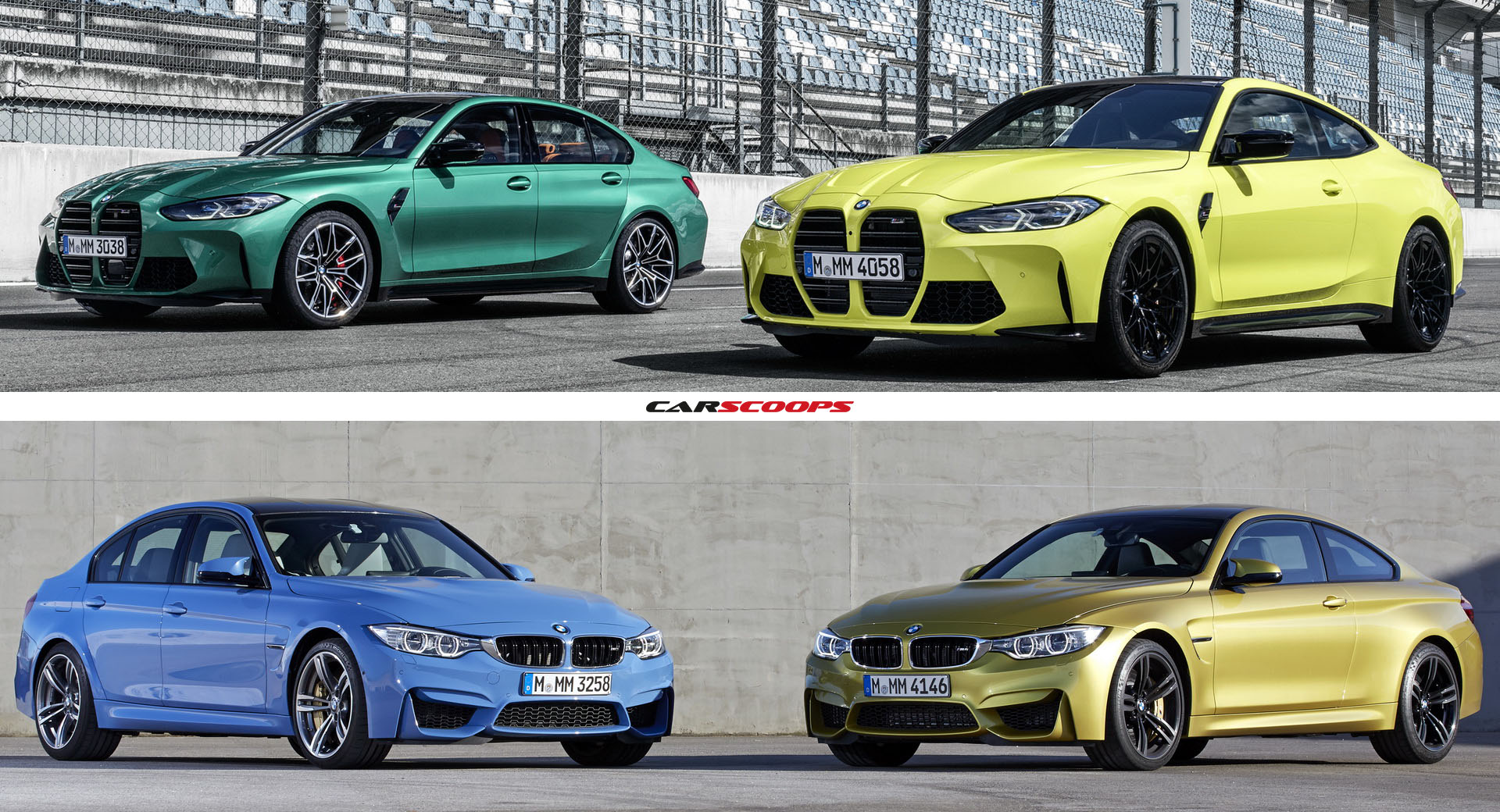
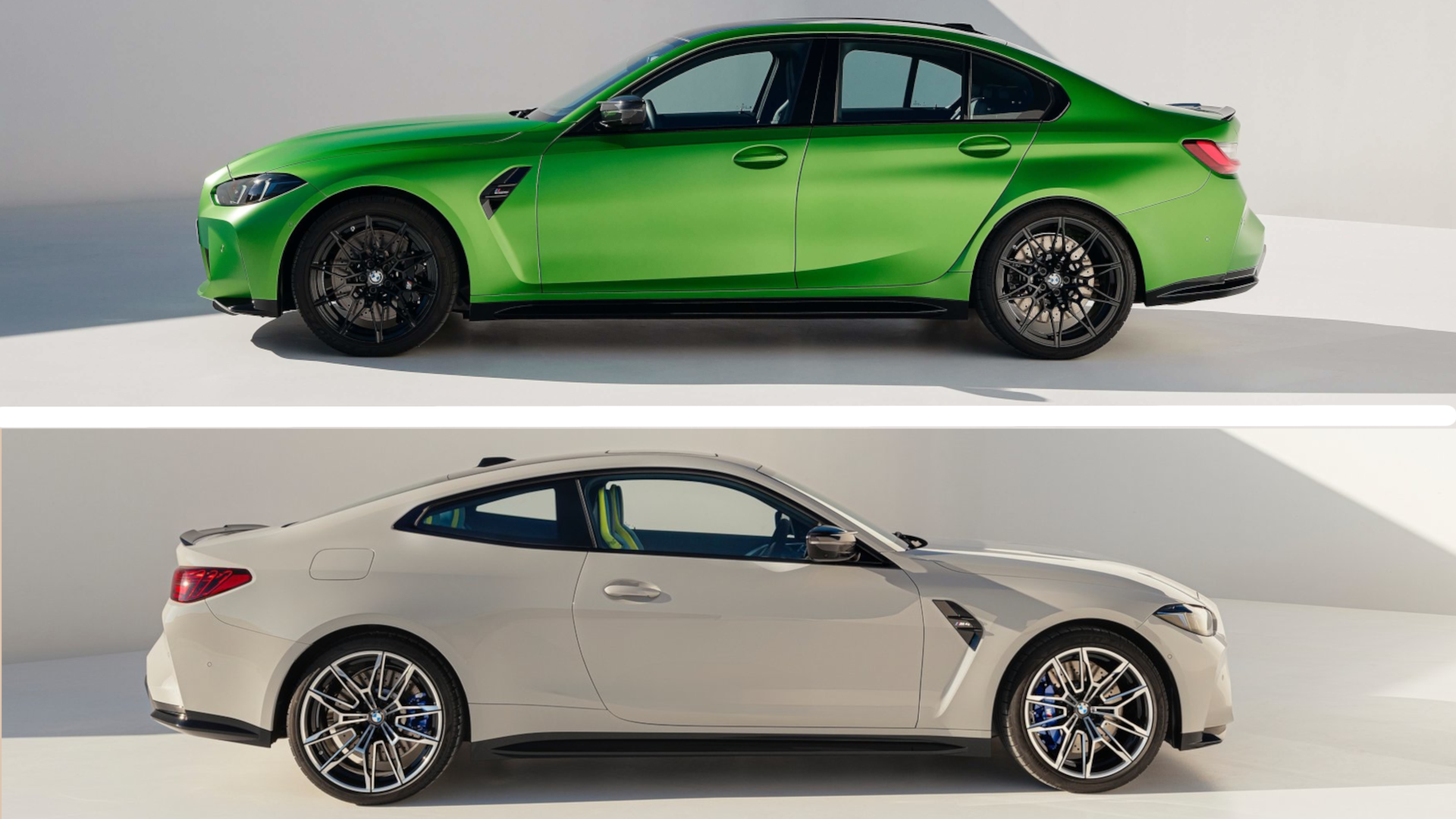
The BMW M3 is the sedan—four doors, a slightly more utilitarian posture, and a sense of grounded practicality. It doesn’t just look purposeful; it feels legible, as if the car communicates its intentions with fewer theatrics and more clarity. The rear seating space and trunk usefulness can be a quiet advantage that becomes loud when life gets messy: groceries, passengers, luggage, or the extra bag you “definitely” don’t need until you do.
The BMW M4 is the coupe—sleeker, more sculpted, and more aerodynamically focused in character. It’s the sort of car that seems to lean forward emotionally. The shorter roofline and compact cabin framing contribute to an experience that feels more cinematic. Even at a standstill, it has that “tap the throttle and I’ll answer” vibe. If your weekends are where you chase atmosphere, the coupe’s silhouette is a built-in invitation.
One obvious detail is the way each body style affects the driving sensation. With the M3, the presence of the sedan layout can make the car feel a touch more composed for mixed use. With the M4, that couched, curvier profile often translates into a more immediate sense of dynamism.
Performance DNA: Where the M Magic Really Shows Up
Under the skin, both cars share the core ethos: BMW’s M division tuning, a willingness to rev with theatrical authority, and a focus on traction and throttle response. The central question isn’t whether either car can be fast—it’s whether they deliver speed in the manner you prefer.
In spirited driving, the M3 tends to feel like it’s tracking the road with a measured intensity. That’s not a lack of enthusiasm; it’s more like restraint turned into precision. The sedan format can also influence how you perceive weight transfer during quick transitions, often making the balance feel slightly more “neutral” in everyday driving contexts.
The M4 often feels more aggressive in presentation. The coupe’s compact visual mass and coupe-like stance can heighten your sense of speed. When you turn in, the car may feel like it responds with fewer delays—like it’s reading your inputs and translating them instantly into motion. The result is a more direct emotional connection, especially when you’re carving.
Either way, both cars are built to exploit grip, not just chase numbers. The real performance difference, for most drivers, emerges in how the car invites participation: does it encourage calm mastery, or does it tempt you into faster, riskier decisions?
Handling and Chassis Feel: Precision vs. Predatory Grace
Handling is where the debate gets delicious. The M3’s sedan packaging can subtly affect weight distribution and overall front-to-rear balance feel. That can make the car feel more tolerant when the road gets uneven—when the lane markings vanish and the surface looks like it has opinions. It’s often the kind of confidence you notice when you’re not trying too hard.
The M4’s coupe configuration, conversely, tends to amplify the “one-motion” quality of driving. Turn-in can feel especially immediate, and the car’s stance often communicates sportiness before you even reach the steering angle. When you’re approaching a corner with momentum, the M4 frequently feels like it wants to complete the arc with flourish.
Think of it like this: the M3 can feel like a sharp tool that’s reliable in every task. The M4 can feel like a signature instrument—beautiful, expressive, and more likely to make you play louder.
Ride Comfort: The Unsexy Part That Becomes Everything
Here’s where daily life crashes into your fantasy. Comfort isn’t only about softness; it’s about how the car filters the world. The M3’s extra practicality often pairs well with a driving setup that feels comfortable during errands and less punishing over broken pavement. A sedan’s relationship with rear-seat access also matters—especially if you ever carry passengers who don’t share your enthusiasm for tight ingress.
The M4, while still capable of being civilized, can feel a bit more focused on the driver’s viewpoint and sport cadence. That doesn’t automatically mean harsher; it often means the car emphasizes feedback and engagement. If you want a car that makes even mundane miles feel like a small event, the coupe tends to deliver that emotional seasoning.
So ask yourself: do you want the day to feel effortless, or do you want every commute to feel like rehearsal for something greater?
Interior and Usability: Space, Seating, and the Drama of Everyday Life
The BMW M3 benefits from the sedan layout. Rear seat access is more straightforward, and the cabin can feel more accommodating for real-world cargo. It’s a car that can handle family logistics without forcing you to compromise your enthusiasm. The trunk and rear pass-through practicality can reduce friction in daily life—an underrated form of performance.
The BMW M4’s interior is typically more coupe-forward. It offers a sportier visual rhythm and a cabin that feels more intimate. For drivers who prioritize front-row intimacy, it can be deeply satisfying. Passengers, however, may notice that the coupe’s silhouette comes with the usual compromises—less space and more careful entry.
If your life includes people and things, the M3 may feel like the smoother operator. If your life includes solitude and the occasional passenger who’s cool with dramatic styling, the M4 becomes the more romantic choice.
Exterior Presence: Street Cred vs Track Cred
Both cars are unmistakably BMW M. But their visual language differs. The M3 often projects “athlete with balance”—a performance sedan that looks ready for quick sprints and long-haul confidence. It can look aggressive without constantly shouting for attention.
The M4 tends to shout a little more. Its coupe profile is a magnet for attention, and it often looks the part even when it’s parked. This isn’t just vanity; it influences how you feel in the car. A car with stronger visual intimidation can make you drive with more conviction—sometimes dangerously so.
Pick the car whose presence matches your mood: do you want stealth power, or do you want a rolling exclamation point?
Technology and Driver Experience: The Subtle Art of Control
Modern BMW M interiors are designed around driver engagement: responsive interfaces, performance-oriented displays, and integration that feels purposeful. Regardless of body style, the experience is about keeping you informed and in command—so you can focus on the road rather than wrestling controls.
The M3’s usability can make its tech feel more practical: family-compatible ergonomics, easier access to rear seating, and a general sense that the car is willing to be part of normal life. The M4’s experience often feels more performance-centric, with a cockpit vibe that encourages driver-centric focus.
In both cases, the real trick is how quickly the car turns your intent into action. If it feels like the car is listening, you’ll drive better. If it feels like the car requires negotiation, you’ll drive less often or less boldly.
Which Should You Choose? A Weekend Thought Experiment
Let’s revisit that one weekend challenge. Suppose Friday is a long workday, Saturday is a spirited route, and Sunday is a casual hang with passengers. In that scenario, the M3 often wins for versatility: it’s easier to live with, easier to use, and more accommodating when life doesn’t behave like a track brochure.
But if your weekend is mostly about driver satisfaction—late-night roads, scenic detours, and the kind of driving where you forget to check your watch—the M4 may feel more compelling. The coupe silhouette and the more immediate emotional tone can turn every push into a memory.
Your best choice depends on what you actually do, not what you intend to do.
Outro: The Final Verdict Is Your Mood
BMW M3 vs M4 is less about winning and more about matching. The M3 offers a balanced performance identity wrapped in sedan practicality. The M4 offers a sportier, more expressive coupe character that seems to thrive on enthusiasm.
So here’s the closing question, playful but honest: when the key turns and the world opens up, do you want your car to feel like a dependable partner—or like a dramatic muse?