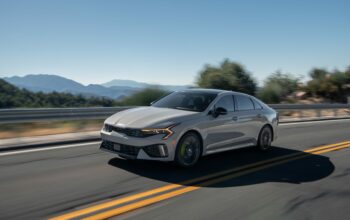
The BMW M5 has always lived at a rare intersection of theater and engineering. One moment it’s a sleek suit on a city street; the next, it’s a finely tuned locomotive of performance, all thrust and intent. Now the idea of that legend has been revised with a new character: the plug-in hybrid. The result isn’t a compromise dressed up in marketing language. It’s more like adding a second pulse to an already living organism—an extra rhythm that changes how the super sedan feels, sounds in your head, and ultimately, how it moves.
In this review, the M5 plug-in hybrid isn’t treated as a technical spec sheet. It’s treated as a driving philosophy. Because the most intriguing part of the concept isn’t simply power; it’s the way the car allocates it. The new M5 behaves like a conductor coordinating multiple instruments, ensuring the tempo stays urgent whether you’re crawling through traffic or asking for full-bore dynamism on open road.
Design and Presence: A Midsummer Night of Subtle Aggression
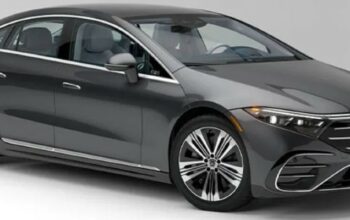
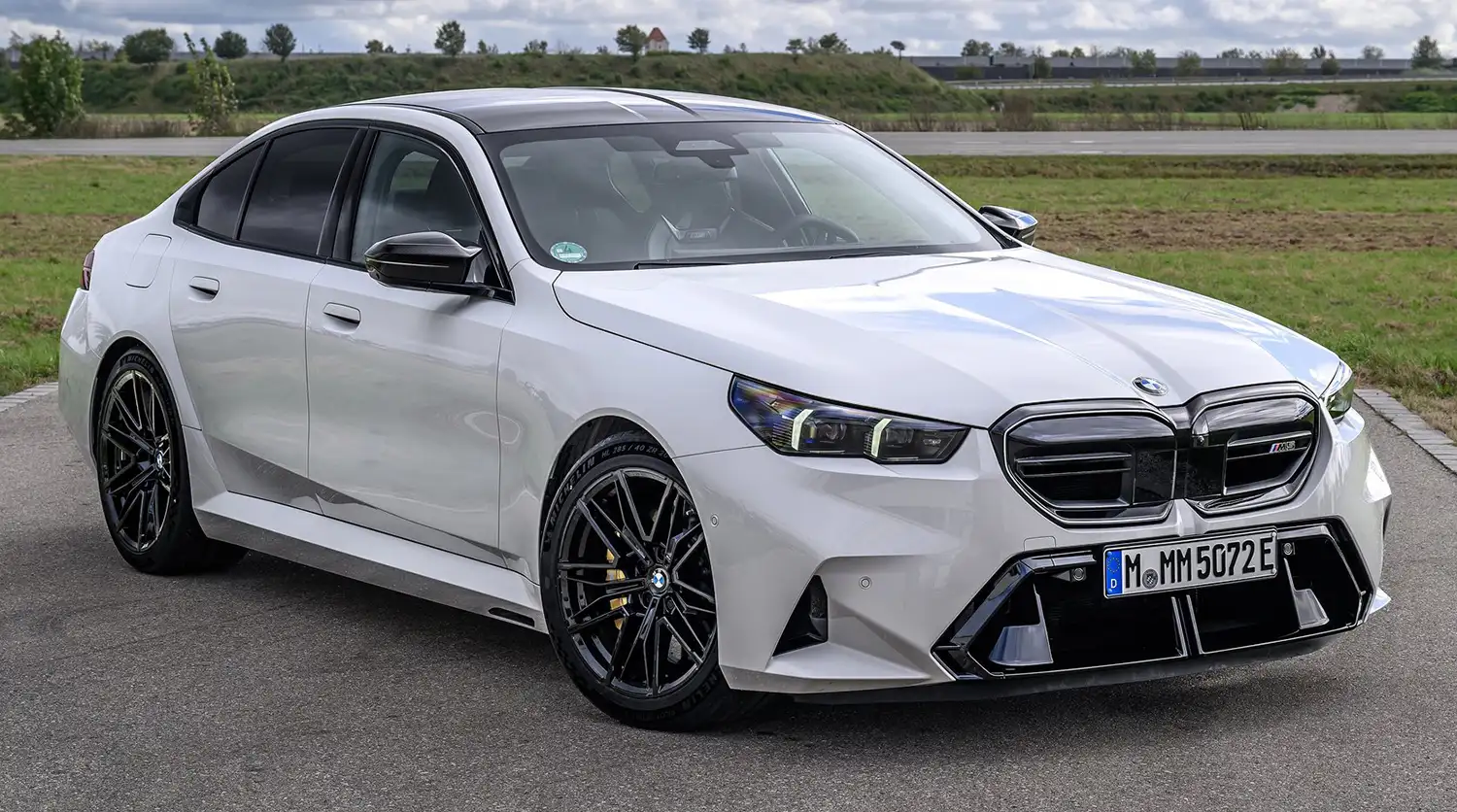
There’s a particular kind of visual tension in an M car—lines that look ready to sprint even while standing still. The plug-in hybrid M5 keeps that familiar stance, but it feels slightly more deliberate, as if the designers leaned in closer to the details that matter at speed. The front end remains assertive without shouting. The surfaces are sculpted to catch light like a blade catching sun.
The grille and air intakes don’t just look functional; they read like declarations. Even when you’re not flooring the accelerator, the car seems to anticipate it. From the side profile, proportions suggest both athletic restraint and purposeful mass. The rear design carries the same credibility: it looks planted, not merely fast.
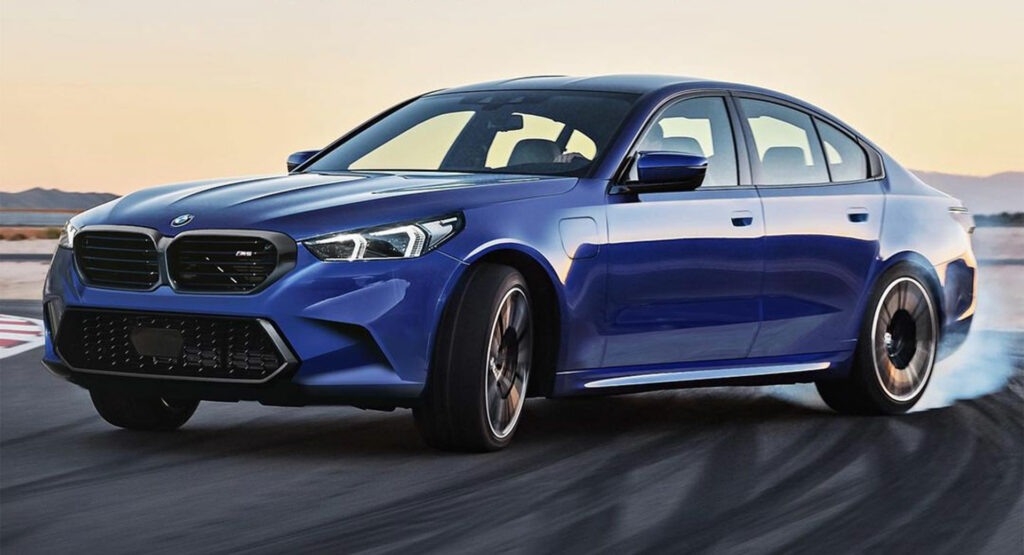
And then there’s the quiet charisma of a car that can do two jobs at once—commuting comfort and high-performance theatrics. That duality is the theme running under every panel, every crevice, every badge.
Powertrain Philosophy: The Hybrid as a Second Heartbeat
At the core of the new M5’s appeal is the plug-in hybrid system. It’s not simply “engine plus battery.” It’s a calibrated interplay designed to smooth the transition between effortless propulsion and full adrenaline. In practice, that means the car can respond quickly at low speeds, with electric torque filling the gaps where traditional drivetrains might feel less immediate.
Imagine pressing the throttle and receiving a response that arrives like a thought rather than an event. That’s the sensation many drivers seek: immediacy without drama. Yet the drama arrives when you demand it. Under harder acceleration, the combustion engine and electric assistance work in tandem, stacking authority in a way that feels orchestrated.
What makes it compelling is not only the total output, but the distribution of effort. The hybrid system can reduce reliance on the engine during certain conditions, translating into cleaner, calmer behavior around town. Then, when performance is requested, the car doesn’t feel like it’s “joining” the party. It feels like it has been waiting, fully prepared.
Transmission and Dynamics: Where Smoothness Becomes Speed
The M5 has never been about twitchiness. It’s about traction, control, and speed that feels authored. In a plug-in hybrid, that philosophy becomes even more interesting, because the power delivery can be shaped across multiple modes. The transition from electric drive to hybrid drive can be engineered to feel seamless, keeping the car’s balance intact.
On winding roads, the advantage of this approach emerges through consistency. Short bursts of acceleration don’t feel like separate episodes; they become a continuous storyline. The car maintains composure through corners, and when the rear starts to invite the driver in, the hybrid’s torque management helps keep things predictable—sometimes almost disarmingly so.
Longer straights highlight the other side of the equation. The M5 can accelerate with a relentless rhythm, where power doesn’t fade into a noisy blur. Instead, it stretches forward like a pulled curtain revealing more stagecraft. Speed accumulates, then repeats, then escalates.
Electric-Mode Usability: Performance That Can Act Like a Daily Driver
One of the most underrated traits of a plug-in hybrid is the way it changes your routine. The electric range isn’t just a number—it’s a permission slip. Short errands become calmer. Parking-lot maneuvers become whisper-quiet. The car can glide through neighborhoods with minimal fuss, letting the driver focus on traffic flow rather than engine temperature and refinement.
In stop-and-go conditions, the M5 can feel almost deceptively civilized. That civility is not a personality flaw; it’s a strategy. When the system can satisfy propulsion needs electrically, the combustion engine can be kept calmer, and the result can be smoother, less busy driving.
Then, when you’re ready—when the road opens, the sun drops lower, or the urge to move becomes undeniable—hybrid capability turns into a switchblade of acceleration. The car doesn’t merely add power. It changes the character of the drive.
Cabin Experience: A Luxurious Command Center
Step inside and the M5’s interior feels like a cockpit built for both focus and comfort. Materials and textures aim for a sense of permanence. The seating position supports an engaged posture without sacrificing long-distance ease.
The controls and displays create an environment that encourages the driver to stay connected. Short interactions feel deliberate; long drives feel supported. The hybrid system adds another layer to this—information about energy usage, charging status, and driving modes can shape how you drive, prompting you to think ahead.
And that’s where the metaphor becomes practical: the M5 feels like a machine that listens. It’s always tracking your intentions and responding with tailored behavior, adjusting how it uses stored energy and mechanical power to match the moment.
Charging and Energy Management: The Art of Thinking Ahead
A plug-in hybrid introduces a new kind of choreography—charging habits, range planning, and the choice between “use now” and “save for later.” While this may sound like an administrative task, the M5 makes it feel more like strategy than burden.
When charged regularly, the car’s electric-mode advantages become a daily reality rather than a theoretical feature. The driver can treat the battery like a reservoir of instant torque, especially valuable in stoplights and city sprints.
Energy management also influences performance. The car’s ability to blend electric assistance with engine power depends on the availability of charge and the demand you place on it. The best driving emerges when you treat it like a partnership: throttle requests, mode selection, and regenerative behavior combine into a more nuanced form of acceleration.
Ride, Handling, and Brake Feel: Confidence at Every Deceleration
The M5’s foundation is designed to handle speed with composure, not just brute force. With a hybrid system, the brake experience can feel subtly different, especially where regenerative braking participates. Instead of viewing regen as a gimmick, think of it as a gentle sculptor of momentum—helping the car slow with precision while recovering energy.
On dynamic roads, the suspension’s balancing act is crucial. The M5 needs to remain composed under load shifts, where torque application can alter weight distribution. The hybrid’s torque management supports the overall chassis harmony, allowing the driver to feel a stable platform even during energetic transitions.
It’s a reassuring sensation: the car may be moving fast, but it doesn’t feel frantic. It feels controlled, as though the engineers designed not just horsepower, but also emotional stability.
Noise, Character, and the Myth of the “Real” M Car
Every era of performance cars invites debate about authenticity. Some purists want sound above all else, the raw theater of internal combustion. Yet the plug-in hybrid doesn’t destroy the myth—it reframes it. Electric drive can be near-silent at low speeds, but the engine’s character returns decisively when the moment demands it.
The soundscape becomes more layered rather than less. Instead of one monolithic note, you get an ensemble. When the engine engages, it does so with a sense of purpose, not reluctance. And as power builds, the overall effect feels like an evolving crescendo.
In other words, the M5 doesn’t abandon its identity. It broadens it, turning performance into a more sophisticated narrative.
Who It’s For: The Driver Who Wants Two Kinds of Thrill
The plug-in hybrid BMW M5 is for drivers who refuse to choose. It suits people who want a super sedan that can behave like a refined instrument during daily life, yet still feel like a rocket when weekends arrive.
If your lifestyle includes short commutes, regular home charging, or frequent urban driving, the electric advantages become more than a technical feature. They become a daily pleasure. But if you’re chasing outright performance, the hybrid system’s torque and seamless power delivery can intensify the sensation of speed rather than dull it.
The M5 plug-in hybrid is a rare proposition: a performance flagship that treats practicality as part of the performance equation.
Final Verdict: A Super Sedan With a New Rhythm
The BMW M5 has always been a study in controlled intensity. With plug-in hybrid technology, that intensity gains an extra layer—an electric pulse that sharpens response, smooths daily behavior, and adds an intriguing sense of orchestration to performance.
It’s not only faster; it’s more adaptable. It’s not only powerful; it’s more intelligent about when power is needed. And perhaps that’s the most compelling highlight of all: the M5 feels like it has learned a new tempo. The result is a super sedan that doesn’t just move you from point A to point B—it changes how the road feels inside your hands.