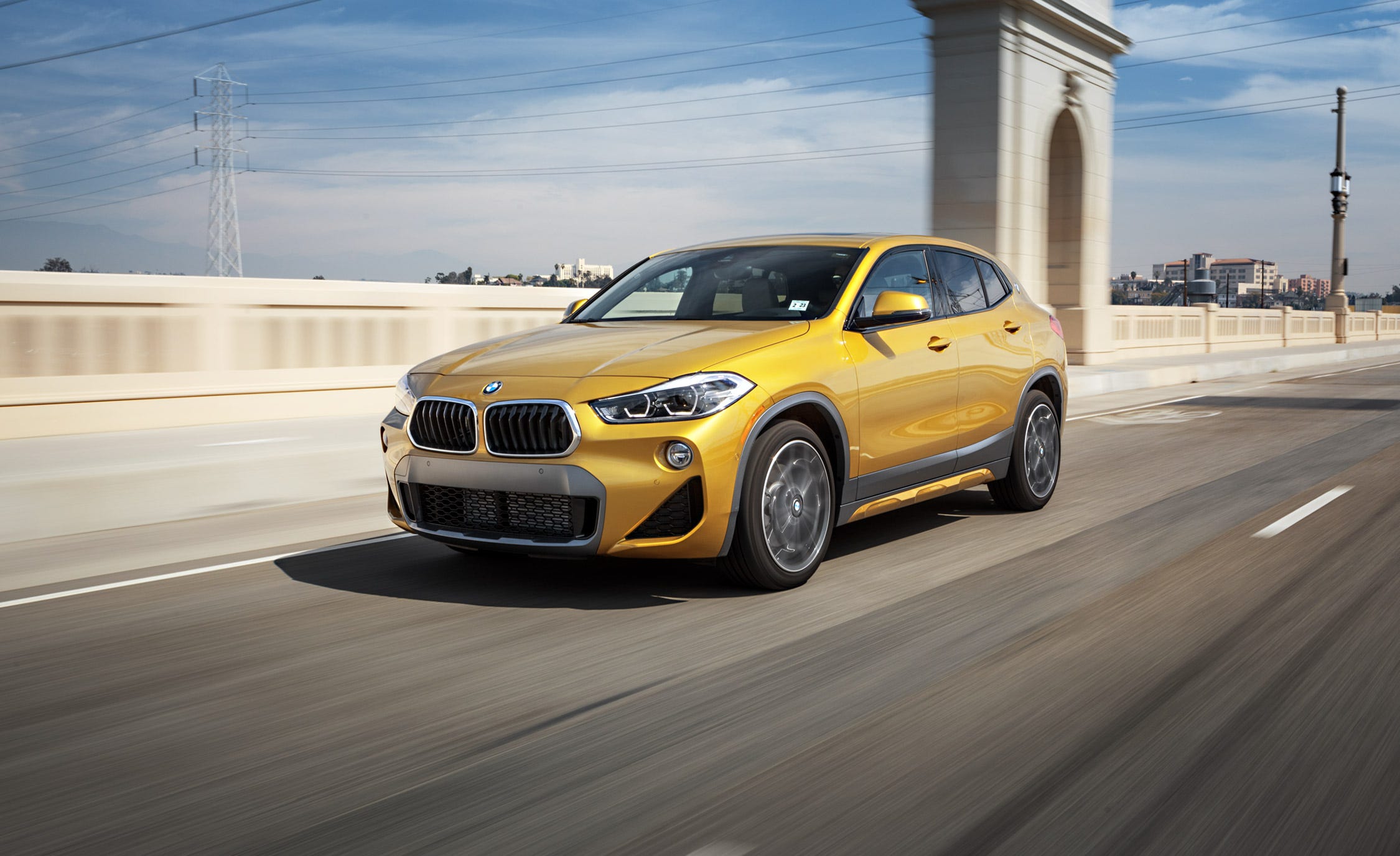
The BMW X2 has always felt like a thought experiment that somehow became real. It takes the practicality-conscious DNA of a subcompact crossover and wraps it in the visual grammar of a coupe—long hood, steep roofline, and that unmistakable Bavarian confidence. The result is a vehicle that doesn’t simply transport people; it stages the daily commute like a cinematic sequence. Yet beneath the styling flourish lies a more complicated story: the X2 must balance agility with utility, character with comfort, and aspiration with the quiet compromises required by its segment.
In this review of the BMW X2, expect an examination that goes beyond the obvious. This article is designed to prepare you for the full ownership experience, not just the first impression. You’ll find guidance on what makes the X2 compelling, where it can feel restrictive, and how it stacks up for drivers who want something distinctive without giving up everyday usability.
Design Philosophy: A Crossover That Dresses Like a Coupe
The most immediate impression arrives before the engine ever speaks. BMW’s approach to the X2 is deliberate: a compact stance with a coupe silhouette, where the roofline falls more aggressively than in conventional crossovers. This isn’t mere aesthetics—it changes how the vehicle occupies space, how it frames the road, and how passengers perceive the cabin atmosphere.
Up front, the signature BMW face reads bold and low, while the side profile emphasizes muscular shoulder lines. Out back, the tail design adds a sense of continuity, visually stretching the car even at subcompact dimensions. Wheels play a supporting role too; proportion matters here, and the X2 typically wears its stance with purpose.
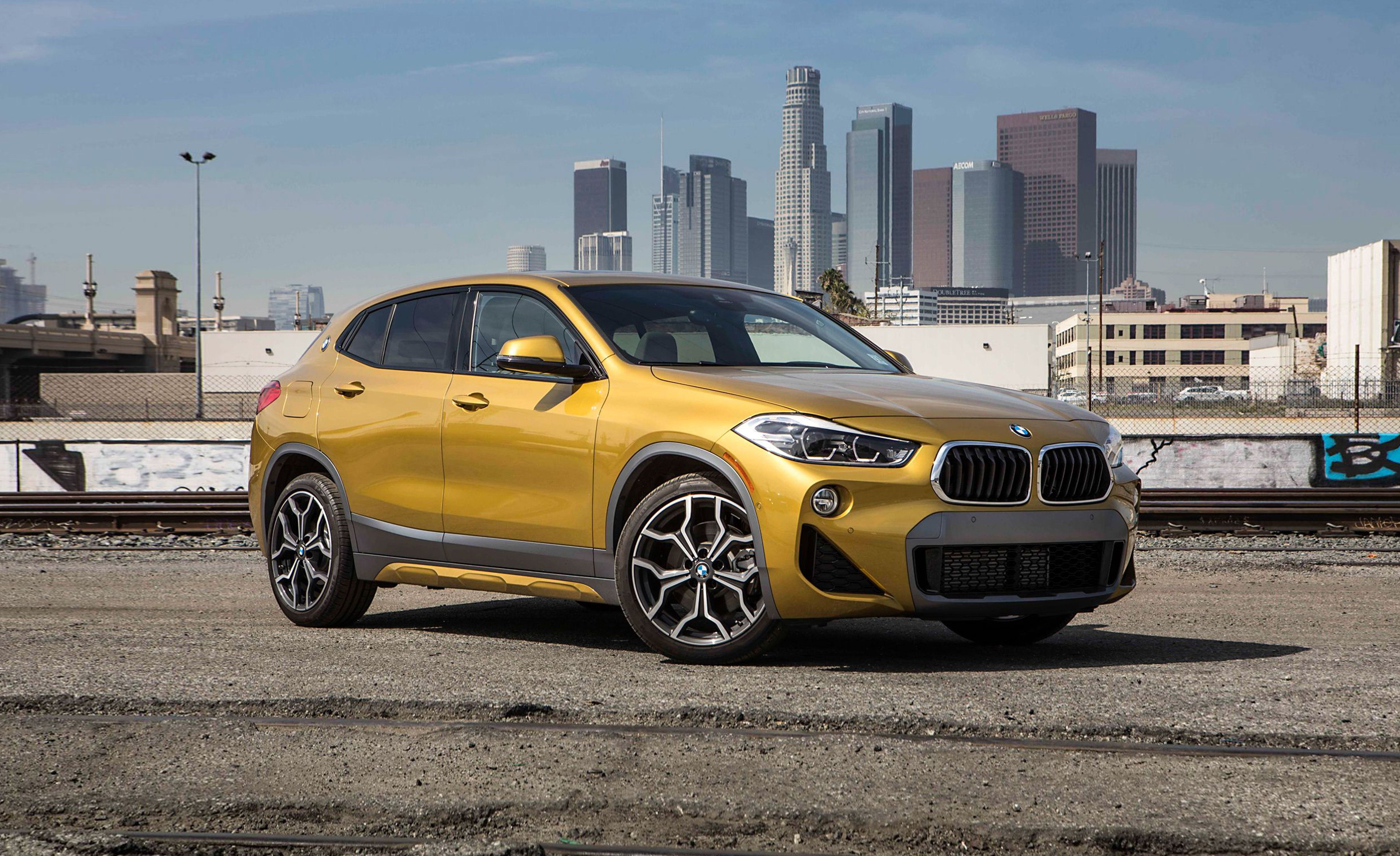
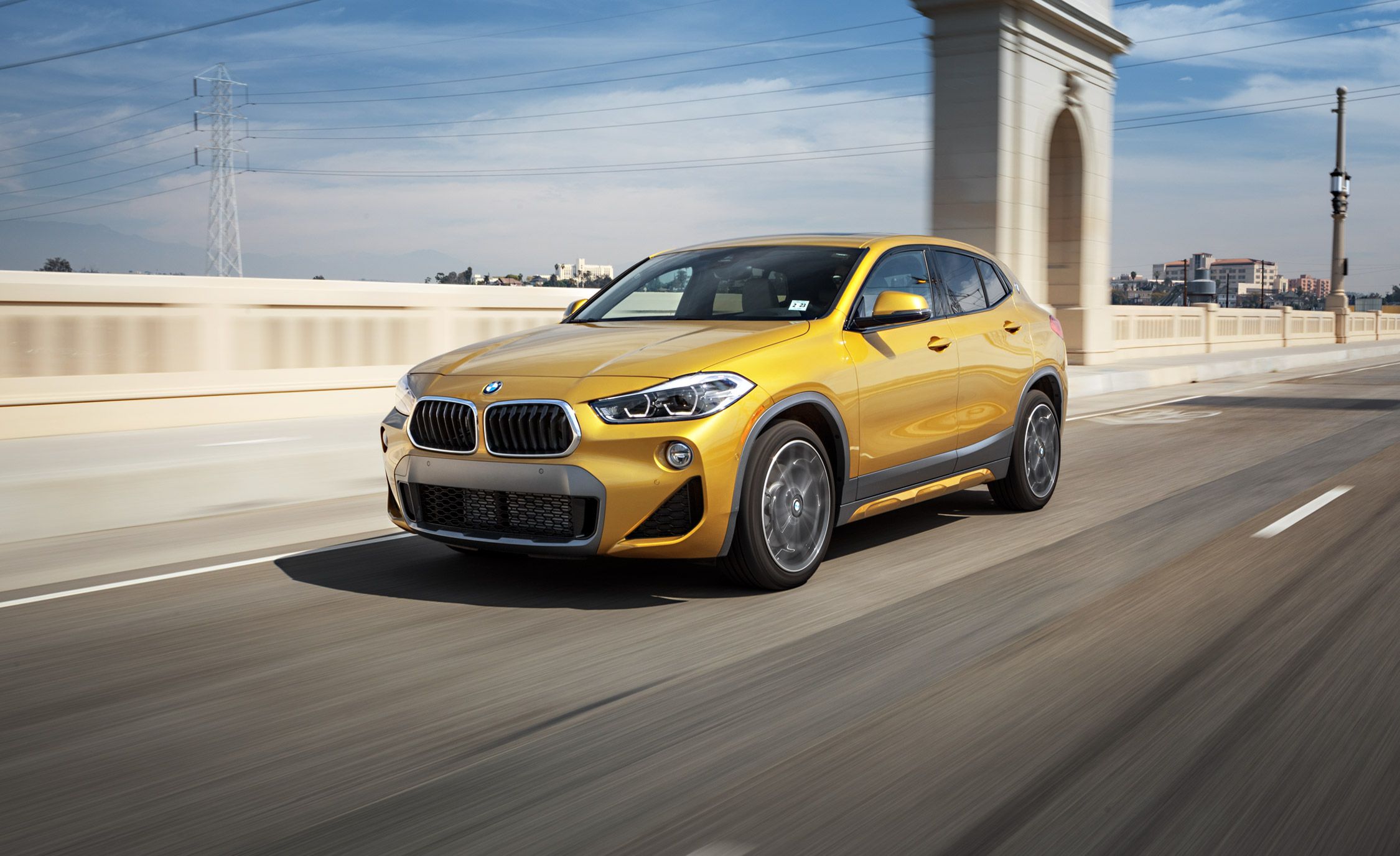
The design language also affects visibility. The slightly more rakish roof and compact rear proportions can make the X2 feel narrower in the rearward sightline. Drivers who frequently navigate tight urban streets may learn to rely on mirrors and camera views more than they would in taller crossovers.
Cabin Atmosphere: Sporty Trim Meets Daily Life
Step inside and the X2’s character becomes more tactile. The cockpit is arranged with driver focus in mind, with controls that feel purposeful rather than theatrical. Materials and finishing choices aim for a premium tone, though the extent of “luxury” depends on trim and options.
The seat design typically encourages an engaged posture, helping you settle in quickly for spirited drives. Yet the real test of a compact crossover is still practicality. The X2 strives to provide a comfortable daily environment while maintaining a sporty seating geometry. Some occupants may find the sportier stance slightly snug for long trips, particularly if they’re accustomed to the generous headroom of taller SUVs.
Storage is another practical axis. While you won’t be hauling lumber like a full-size utility vehicle, the X2 tends to cover the essentials: a reasonable glovebox, sensible door bins, and a cargo area suited to groceries, weekend bags, and the detritus of modern life.
Driving Experience: Subcompact Agility with BMW Precision
The X2’s driving personality is one of its strongest arguments. The steering has a well-calibrated sense of feedback—enough communication to feel confident on winding roads, but not so heavy that it becomes tiresome in traffic. The suspension tuning often aims for a balanced rhythm, so the vehicle feels composed over broken pavement without becoming floaty.
Acceleration character matters in this segment, and the X2 generally leans into responsive, eagerly rotating performance rather than lazy momentum. The driving experience can feel lightly theatrical: quick transitions, confident grip, and a sense that the car wants to be driven rather than merely moved.
All-wheel drive availability further broadens its appeal. In climates where traction is a seasonal negotiation, that capability can reduce the drama of wet roads and early winter precipitation. Even so, the X2 is still a subcompact crossover, not an off-road machine. Think of it as a road-oriented partner that handles weather with competence rather than brute force.
Performance & Powertrain: What to Expect Under the Hood
Depending on model year and configuration, the X2 may offer engines designed to deliver a blend of daily usability and enthusiast-friendly behavior. Power delivery tends to feel immediate, with a progressive surge that helps with merging and overtaking.
Transmission behavior is equally important. When tuned well, shifts should feel seamless—satisfying without being intrusive. The goal is to keep the vehicle’s momentum coherent, so you can focus on the road rather than the mechanics of gear changes.
Fuel economy is often the silent deciding factor. The X2’s efficiency profile can be respectable for its class, but it will always reflect real-world driving patterns: city stop-and-go usage typically reduces range predictability, while highway cruising can improve it significantly.
Cargo Space & Practicality: Where Coupe Styling Involves Trade-Offs
Coupe-styled vehicles have a habit of sacrificing a little verticality, and the X2 follows that logic. The cargo area can be perfectly fine for routine life—luggage for a short trip, a week of groceries, or sports gear packed with care. Folding rear seats expands capability and helps transform the X2 from passenger-first to cargo-friendly when needed.
However, loading tall items may require a bit more technique. The opening and rear roofline can reduce the “effortless” factor you might enjoy in boxier crossovers. It’s not a dealbreaker; it’s just a reminder that styling choices influence geometry.
Passenger space is similar. Front seating generally offers comfort and supportive ergonomics. Rear seat comfort depends on occupant height and seating posture. Adults can manage for short to medium distances, but taller passengers may notice reduced headroom, a common outcome of the X2’s roofline philosophy.
Technology & Connectivity: Infotainment That Should Feel Instant
Modern BMWs emphasize driver interface and connectivity, and the X2 continues that tradition. Expect an infotainment layout that prioritizes usability—menus that shouldn’t feel labyrinthine and controls designed to reduce distraction while driving.
Integration with smartphones is typically a major selling point, especially for commuters. Features like navigation guidance, media streaming, and voice interaction aim to keep the experience fluid. The best outcomes occur when the system responds quickly, with minimal lag and intuitive grouping of functions.
Driver-assistance technology can also be part of the equation, depending on configuration. While not every feature is standard, the presence of modern safety systems can raise confidence in everyday scenarios: lane management, adaptive cruise behavior, and collision-warning systems can soften the stress of busy roads.
Comfort & Ride Quality: Sportiness Without Constant Punishment
Ride quality is where the X2 must prove that it’s more than a pretty silhouette. A good tuning strategy keeps the cabin calm over rough asphalt, reduces harsh impacts, and prevents the suspension from feeling overly brittle.
Noise insulation also matters. Wind and road noise are rarely “all or nothing”; they’re gradients shaped by tire choice, speed, and surface texture. When the X2 is set up well, the cabin tends to remain composed enough for comfortable conversation and relaxed listening.
Climate control should work promptly. In practice, a responsive HVAC system can turn the X2 from stylish commuter into season-ready vehicle—especially if you frequently drive in cold mornings or humid afternoons.
Ownership Costs & Reliability Considerations
Owning a BMW is a long-term relationship, not a short affair. Costs depend on maintenance schedules, tire selection, brake wear, and how the vehicle is driven. Sportier driving habits can increase consumable wear, while gentle commuting can preserve components.
Reliability tends to be best evaluated through service history, recall awareness, and parts availability. A well-maintained X2—serviced on time, using quality components—can deliver dependable daily operation. It’s also wise to consider warranty coverage and the typical ownership cadence for the model year you’re evaluating.
Tip for buyers: A pre-purchase inspection can reveal alignment issues, brake condition, and whether all electronics and drivetrain features behave as expected.
Who the BMW X2 Is For (and Who Should Look Elsewhere)
The X2 is for drivers who want a compact crossover with personality. It suits people who prioritize styling, an engaging road feel, and a premium cabin tone. It’s also a good fit for urban environments, where compact dimensions and maneuverability matter.
Conversely, if your top priority is maximum rear-seat space, towering cargo capacity, or easy access for large items, a more conventional crossover may better match your daily requirements. The X2’s coupe posture is a commitment—it looks good, but it changes the usability envelope.
Final Verdict: A Subcompact Crossover with Coupe Swagger
The BMW X2 is not a compromise disguised as a compromise. It’s a purposeful design that trades a bit of conventional practicality for something more emotionally resonant. The driving experience typically feels agile and confident, the cabin aims for a premium rhythm, and the styling makes the car unmistakable from a distance.
If you’re seeking a subcompact crossover that feels individual—one that doesn’t blend into the parking lot crowd—the X2 delivers. It’s a vehicle for those who want their commute to carry a pulse, their errands to feel less routine, and their everyday driving to look as good as it feels.