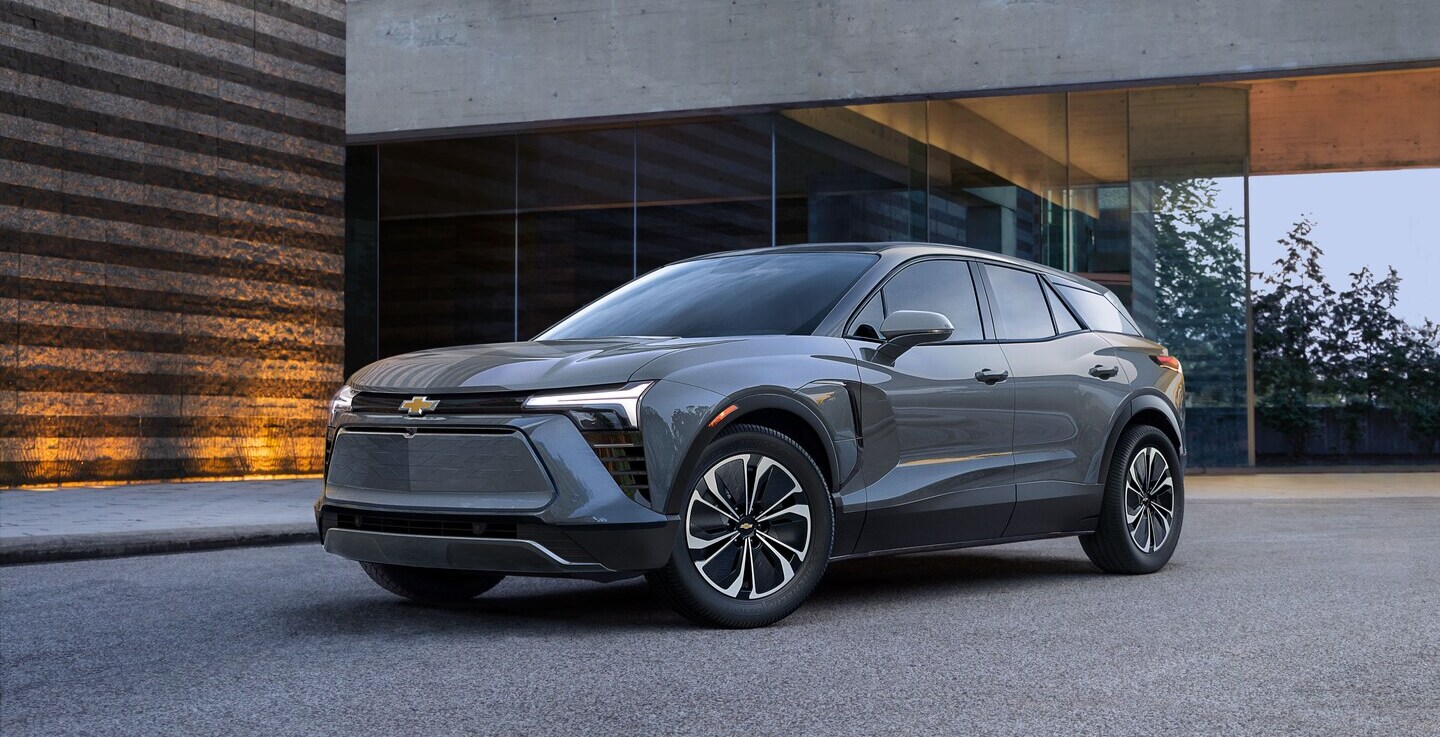
The question “How long will it last?” is really a question about character. A vehicle that reaches 200,000 miles doesn’t merely accumulate distance—it compiles stories: the grooved texture of highways, the patient hum of commuting, the quiet competence of routine maintenance. In the Chevrolet lineup heading into 2026, reliability isn’t treated like a checkbox. It’s treated like a craft. Some models, by nature and engineering philosophy, seem predisposed to long arcs. Others may require more vigilance. Still, the common thread is unmistakable: when the right configuration meets disciplined care, 200k becomes less a gamble and more a horizon.
Think of reliability like a well-built bridge. You can cross it daily, but the real test comes when time piles on. For many drivers, 200k miles is that moment—when wear, weather, and mechanical fatigue all stop being theoretical and start being real. Below, the road map unfolds: which 2026 Chevrolet models have the greatest likelihood of earning the coveted “200k badge,” why those badges happen, and what unique appeal each model brings to the table.
The 200,000-Mile Standard: Why “Reliability” Means More Than Longevity
Longevity is the headline, but reliability is the subtext. Reliability includes predictable behavior—starts in winter, shifts cleanly, doesn’t develop mysterious symptoms at random. A car can survive 200k and still frustrate its owner with frequent nuisance repairs. That’s not the type of success most drivers want.
In practical terms, long-lived vehicles tend to share several traits: durable powertrains, cooling systems that don’t lose their composure, electrical architectures designed to tolerate everyday chaos, and drivetrains that handle thermal cycles without drama. Long-mileage champions also tend to benefit from sensible design margins—parts that aren’t operating constantly at the edge of tolerance.
Think of it as fatigue resistance. When components are built with robustness in mind, they degrade more gracefully. They don’t fail abruptly; they simply age. And when aging is predictable, maintenance becomes proactive instead of reactive.
2026 Chevrolet Reliability: The Engineering Patterns That Tend to Last
Chevrolet’s approach in recent years leans into a few recurring themes. First is thermal discipline—maintaining stable temperatures to protect engines and transmissions. Second is lubrication confidence, meaning oil flow paths and service intervals that keep internals healthy. Third is drivetrain coherence: smoother torque delivery reduces stress spikes that can accelerate wear.
Another often-overlooked factor is serviceability. A vehicle that’s easy to inspect and maintain tends to live longer in the real world. It’s not just what’s under the hood; it’s how quickly you can access it, how routinely you can check it, and how clearly the vehicle communicates health issues before they snowball.
Finally, there’s driver behavior. A 200k-mile outcome is never purely mechanical. It’s a collaboration between the vehicle and the owner—fuel quality, tire rotation, brake habits, and whether maintenance is treated as a calendar event or a last-minute patch.
Which 2026 Models Are Most Likely to Go 200k Miles?
While no vehicle is immune to the unpredictability of life, some 2026 Chevy models fit the long-distance profile more naturally. Reliability “fit” usually correlates with proven architectures, straightforward drivetrains, and components with strong track records.
Here are the models most commonly aligned with 200k-mile expectations, and why.
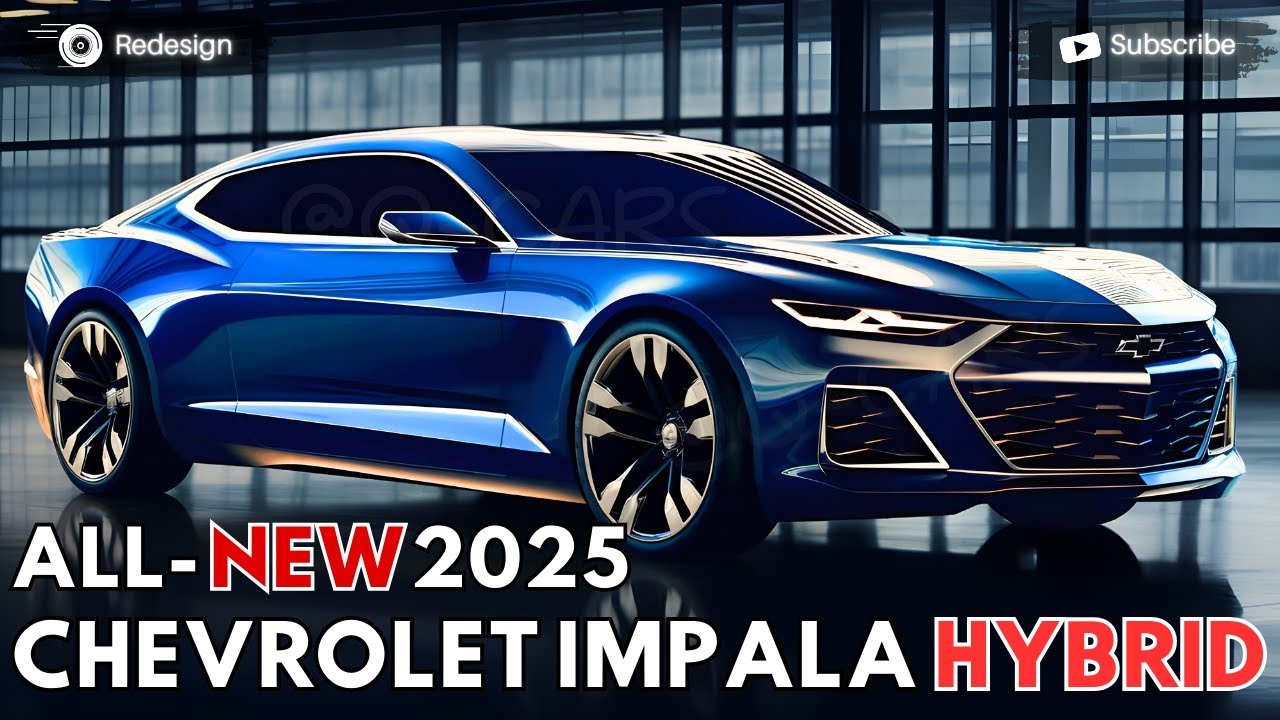
The 2026 Chevrolet Impala: Revival Energy With a Long-Run Mindset
The 2026 Impala returns with a sense of nostalgia, but the appeal doesn’t stop at styling. For long-mile drivers, the best thing an icon can offer is steady composure. A reliable platform—especially one designed for everyday circulation—can become a dependable partner for years of errands, road trips, and routine travel.
Hybrid or powertrain complexity doesn’t automatically reduce reliability. In fact, modern hybrid systems can be exceptionally efficient at managing wear by distributing work more evenly. The long-mile question becomes: how well does the system maintain its health over time, and how effectively does it protect components from harsh thermal cycling? When designed with thoughtful cooling, monitoring, and conservative calibrations, the result can be surprisingly enduring.
Impala’s unique charm is its balance: it feels like a full-bodied sedan that’s willing to do the slow, repetitive work day after day. That kind of consistency is where 200k miles often begins—quietly, almost unnoticed.
The 2026 Chevrolet Silverado: Workhorse Reliability Built for Repetition
If reliability had a mascot, it might look like a Silverado. Trucks earn their reputations through exposure: they haul, tow, climb, idle, and endure. That constant use can be a stress test, but it also makes the platform’s strengths obvious. When a drivetrain is robust enough to handle demanding duty cycles, it often transitions smoothly into long-term ownership.
Silverado’s 200k potential is commonly associated with sturdy engine/transmission pairing, proven cooling strategies, and a design that anticipates heavy load realities. Over time, trucks that are cared for—oil changes done on schedule, transmission fluid monitored where applicable, tires kept properly inflated—tend to age well. Their components may wear, but they don’t typically collapse under normal maintenance.
The unique appeal here is confidence. A truck that stays dependable turns every task into momentum. At 200k, that confidence is not nostalgia—it’s lived experience.
The 2026 Chevrolet Equinox & Trail Path: Crossover Endurance Through Practical Design
Crossover reliability often hinges on how effectively a vehicle manages frequent stop-and-go cycles. The 2026 Equinox is built for that reality. Daily commutes, city traffic, and frequent short trips can be harder on engines and drivetrains than open highways, but properly engineered powertrains handle these conditions with smoother calibration and thermal control.
Where long-mile success tends to cluster is in the consistent maintenance rhythm: fluids, filters, brakes, and correct transmission servicing. Many drivers reach 200k by avoiding neglect and by treating minor symptoms—vibrations, sluggish response, warning lights—as early signals rather than eventual mysteries.
The Equinox’s intriguing appeal is its adaptability. It’s the kind of vehicle that can be both routine transportation and a weekend escape machine. That dual nature often correlates with higher mileage ownership patterns, meaning it’s exactly the kind of car that owners push into the 200k realm.
The 2026 Chevrolet Traverse: Family-Grade Durability and Cabin Calm
Reliability in a family vehicle is more than mechanical survival; it’s also about consistency in the daily experience. At 200k miles, a vehicle should still feel stable—control systems should remain responsive, infotainment should behave predictably, and ride quality should not devolve into constant annoyance.
The 2026 Traverse leans into comfort and practicality, which matters because family vehicles are often maintained diligently. When owners routinely check tires, keep up with service, and care for the vehicle’s condition, miles accumulate without turning into chaos.
The metaphor is simple: a Traverse at 200k should feel like a familiar room. The hum might change over time, and the upholstery might tell stories, but the core experience remains intact.
How to Improve Your Odds of Reaching 200k
Even the most promising model can fall behind if care becomes sporadic. If 200k is the goal, the strategy should be deliberate.
Prioritize scheduled maintenance. Oil changes, filter replacements, and inspections should be treated like preventive medicine. Short intervals create long-term peace.
Use quality fluids and correct specifications. Transmission health depends on correct service procedures. Cooling system integrity affects both engine and longevity.
Address issues early. A minor leak today can become a bigger problem tomorrow. Pay attention to warning lights, odd noises, and shifting behavior.
Match driving to the vehicle’s strengths. Heavy towing and frequent extremes can accelerate wear. Proper towing practices, correct payload habits, and gentle starts can reduce stress.
Keep tires and brakes healthy. Uneven tire wear strains components. Worn brakes can overheat rotors and create cascading effects on the vehicle’s overall condition.
Long-Term Ownership: The Hidden Rewards of Reliability
When a vehicle reaches 200k, it doesn’t only represent endurance—it represents value. The savings are obvious at the financial level, but there’s an emotional dividend too. Reliability reduces decision fatigue. Instead of planning around breakdowns, owners plan around life.
At 200k, many drivers discover that their vehicle has become a tool they trust—almost an extension of routine. That’s the unique appeal of truly dependable Chevrolet models: they don’t demand constant attention. They earn it through steadiness.
Final Thoughts: Which 2026 Chevrolet Models Earn the 200k Miles?
In the 2026 Chevrolet landscape, the models best positioned for 200k miles typically share a pattern: robust drivetrain architecture, thoughtful thermal management, and an ownership experience that rewards consistent care. The 2026 Impala stands out for its revived identity and potential hybrid-minded durability. The Silverado aligns with the long-haul work ethic of repetitive duty. The Equinox and Traverse bring practical crossover and family utility, often making regular maintenance more likely—and regular maintenance is where longevity is built.
Ultimately, 200k miles is not a lucky finish. It’s a long journey shaped by engineering plus stewardship. Choose a model that fits the way you live, maintain it with discipline, and let the miles write the story you hoped for all along.