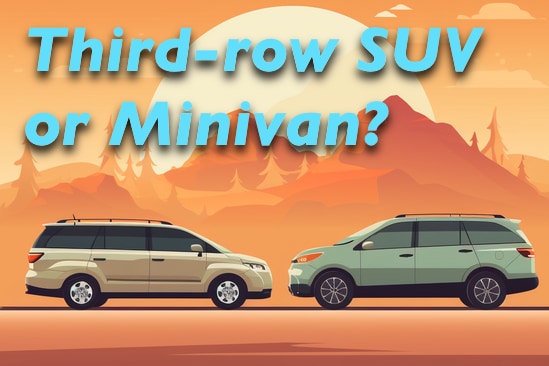
The minivan and the three-row SUV—two titans of family transportation—often find themselves locked in a silent battle for supremacy in garages across suburban America. Parents of four or more kids face a pivotal choice: the cavernous embrace of a minivan or the rugged, commanding presence of a three-row SUV? This isn’t just about cargo space or fuel efficiency—it’s about how these vehicles shape the rhythm of family life, the emotional resonance of daily commutes, and even the subtle messages sent to the outside world. Beneath the surface of cup holders and cargo capacity lies a deeper narrative: one of practicality versus prestige, of space versus status, and ultimately, of what kind of parent we aspire to be.
Consider the minivan. It’s the unsung hero of the school run, the unassuming vessel that swallows backpacks, sports equipment, and the occasional forgotten lunchbox without complaint. Yet, it carries a stigma—one that whispers of compromise, of settling for less. The three-row SUV, on the other hand, stands tall, its elevated stance and bold grille exuding an air of authority. It’s the choice of those who want to be seen as both capable and aspirational. But which one truly serves a family of four or more children best? The answer isn’t as simple as checking a spec sheet. It demands a closer look at how these vehicles integrate into the chaos and beauty of family life.
The Myth of the Minivan’s Mediocrity
For decades, the minivan has been the workhorse of the family fleet, a utilitarian marvel designed to ferry children, groceries, and the occasional stray soccer ball. But its reputation has suffered from an unfair bias. The minivan isn’t just a vehicle—it’s a sanctuary on wheels, a rolling extension of the home where the chaos of childhood can unfold without the constraints of cramped quarters. Its sliding doors eliminate the elbow-jostling ballet of strapping in car seats, and its low floor makes it easier for little ones to climb in and out, especially when weighed down by winter coats and backpacks.
Yet, the minivan’s greatest strength—its spaciousness—is also its most overlooked virtue. With seating for seven or eight passengers, it’s the only vehicle that can truly accommodate a full house without resorting to the indignity of a third-row seat so tight it feels like a medieval torture device. The minivan’s interior is a blank canvas, ready to be transformed by removable seats, fold-flat configurations, and clever storage solutions. It’s the ideal vessel for the family that values flexibility over flash, where the journey matters more than the destination’s aesthetic.
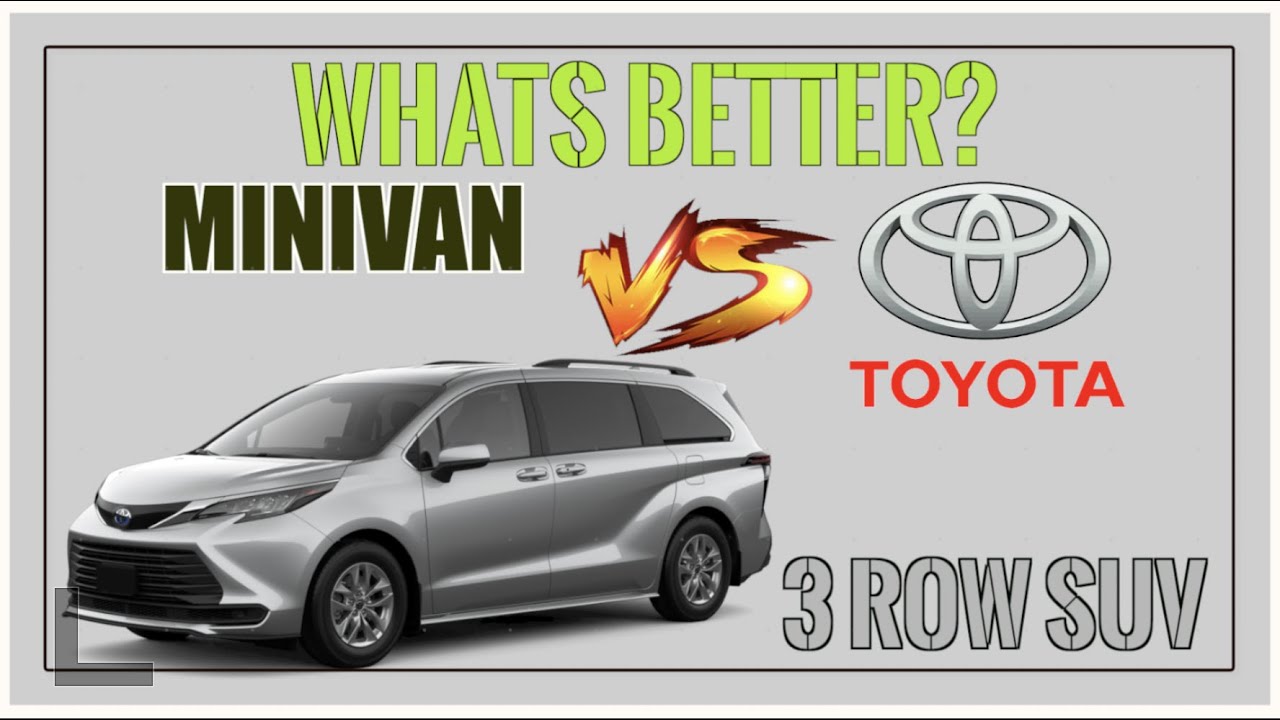
But here’s the twist: the minivan’s design has evolved. Modern models like the Toyota Sienna and the Chrysler Pacifica boast hybrid powertrains, all-wheel-drive options, and even Starlink connectivity. They’re no longer the boxy, beige relics of yesteryear. They’re sleek, tech-laden, and surprisingly stylish—if you know where to look. The minivan’s stigma isn’t a reflection of its capabilities; it’s a reflection of societal expectations, where practicality is often dismissed as pedestrian.

The Three-Row SUV’s Commanding Presence
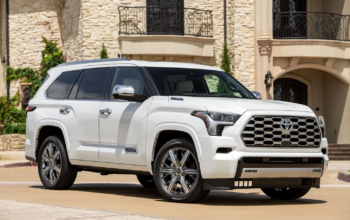
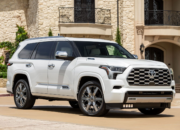
The three-row SUV, meanwhile, commands attention. Its high-riding silhouette, aggressive front fascia, and imposing dimensions make it impossible to ignore. It’s the vehicle of choice for parents who want to project an image of strength and capability—whether that’s navigating snowy driveways or hauling a week’s worth of camping gear. The SUV’s elevated seating position offers a commanding view of the road, a psychological boost that can make even the most mundane errand feel like an adventure.
But the SUV’s strengths come with trade-offs. Its third row, while spacious enough for older children or occasional passengers, is often a compromise in comfort. Legroom is tight, headroom is limited, and ingress and egress can feel like a contortionist’s act, especially in models with low-slung rooflines. The SUV’s cargo space, though ample when the third row is folded, pales in comparison to the minivan’s cavernous hold when all seats are in use. And let’s not forget the fuel economy—those extra pounds and wind resistance take a toll at the pump.
Yet, the SUV’s allure isn’t purely practical. It’s symbolic. Driving a three-row SUV signals to the world that you’re prepared for anything—whether that’s a cross-country road trip or a sudden downpour during the soccer game. It’s the vehicle of choice for families who want to be seen as adventurous, as people who embrace the outdoors and the open road. The SUV’s rugged aesthetic, with its bold lines and imposing stance, taps into a primal desire for dominance and control—a desire that resonates deeply in a world where unpredictability is the only constant.
The Unspoken Battle: Space vs. Status
The choice between a minivan and a three-row SUV isn’t just about numbers on a spec sheet. It’s about the kind of parent you want to be. Do you prioritize space and practicality, or do you lean into the commanding presence of an SUV? The minivan offers a sense of freedom—freedom from the constraints of cramped seating, freedom from the hassle of folding seats, and freedom from the judgment of neighbors who still cling to outdated stereotypes. The SUV, on the other hand, offers a sense of security—a feeling that you’re ready for whatever life throws at you, whether that’s a spontaneous camping trip or a sudden snowstorm.
But there’s a deeper layer to this decision. It’s about how these vehicles shape the family dynamic. The minivan’s spacious interior fosters a sense of togetherness. There’s room for everyone to spread out, to claim their own space, and to enjoy the journey as much as the destination. The SUV, with its compartmentalized seating, can feel more like a series of isolated pods, where each passenger is cocooned in their own world. The minivan encourages conversation, laughter, and shared experiences. The SUV, while capable of transporting a large family, can sometimes feel like a rolling fortress, where the outside world is kept at arm’s length.
Then there’s the matter of resale value. The SUV, with its broader appeal and perceived status, often holds its value better than the minivan. But is that worth the compromise in comfort and fuel efficiency? For a family with four or more kids, the minivan’s ability to swallow strollers, groceries, and sports equipment without breaking a sweat is a priceless advantage. The SUV’s third row might be a selling point for resale, but it’s a feature that’s rarely used to its full potential in a family of six or more.
The Hidden Costs of the Family Fleet
Beyond the sticker price, there are other costs to consider. The minivan’s fuel efficiency, especially in hybrid models, can save hundreds—or even thousands—over the life of the vehicle. The SUV’s thirstier engine, combined with its higher center of gravity, can lead to increased maintenance costs, from tire wear to suspension repairs. And let’s not forget the psychological cost of driving a vehicle that’s harder to park, harder to maneuver, and harder to live with on a daily basis.
But perhaps the most overlooked cost is the emotional one. The minivan’s unassuming design means it’s less likely to be stolen or vandalized—a fact that might seem trivial until you consider the peace of mind it brings. The SUV’s high profile, on the other hand, can make it a target for thieves or simply draw unwanted attention in certain neighborhoods. There’s also the matter of how these vehicles make you feel. The minivan’s spaciousness and ease of use can reduce the stress of daily life, while the SUV’s commanding presence might amplify it, especially in tight parking lots or during inclement weather.
For families with four or more kids, the minivan’s ability to adapt to changing needs is unparalleled. Need to haul a week’s worth of groceries? No problem. Forgotten a child’s booster seat at home? The minivan’s ample storage can accommodate a spare. The SUV, while capable, often requires more planning and packing discipline to make the most of its space. The minivan, by contrast, is forgiving. It’s the vehicle that bends to the family’s will, rather than the other way around.
The Final Verdict: Which Wins the Family Fleet Showdown?
So, which vehicle deserves a spot in your driveway? The answer depends on what you value most. If you prioritize space, practicality, and a sense of togetherness, the minivan is the clear winner. It’s the vehicle that grows with your family, adapting to new challenges and changing needs without skipping a beat. It’s the choice of parents who understand that the best family vehicle isn’t the one that turns heads, but the one that keeps the family moving forward—no matter what life throws at them.
The three-row SUV, meanwhile, is the choice of parents who want to project an image of strength and capability. It’s the vehicle for those who see the road as an adventure and the family as a team ready to conquer it. But be warned: the SUV’s charms come with compromises. Its third row is a compromise in comfort, its fuel economy is a compromise in efficiency, and its commanding presence is a compromise in humility.
Ultimately, the choice between a minivan and a three-row SUV isn’t just about transportation. It’s about identity. It’s about how you want to be seen by the world and how you want to experience the world with your family. The minivan offers a sense of freedom, of space, and of togetherness. The SUV offers a sense of adventure, of capability, and of prestige. One is not better than the other—they’re simply different paths to the same destination: a family that’s well-equipped for whatever comes next.
So, which will you choose? The vehicle that blends into the background, or the one that stands out in the crowd? The answer lies not in the specs, but in the heart of your family.