Imagine a world where your car doesn’t just get you from point A to point B—but does so with such effortless grace that you barely notice the dent in your wallet. A world where the hum of the engine is the only sound that disrupts the rhythm of your routine, not the jarring clatter of repair bills piling up in your inbox. This isn’t some utopian fantasy reserved for the elite few with bottomless bank accounts. It’s the reality for those who choose the right wagon.
The station wagon, often dismissed as the unsung hero of the automotive world, is making a quiet comeback. Once the darling of suburban families and road-trippers, it was unfairly relegated to the sidelines by the rise of SUVs and crossovers. But here’s the twist: beneath its unassuming exterior lies a treasure trove of practicality, space, and—most importantly—frugality. If you’ve ever felt the sting of a repair invoice that could fund a small vacation, it’s time to reconsider what you thought you knew about wagons. The ones that fly under the radar aren’t just cheap to buy; they’re champions of low maintenance costs, turning the chore of ownership into a seamless, almost invisible experience.
So, buckle up. We’re about to embark on a journey through the most underrated wagons on the market, ranked not by horsepower or zero-to-sixty times, but by the one metric that truly matters: the cost to keep them running. From the whisper-quiet efficiency of Japanese engineering to the rugged reliability of European stalwarts, these are the wagons that promise to redefine your relationship with your car—and your bank account.
The Unsung Heroes: Why Wagons Deserve a Second Look
In an era where automotive trends are dictated by Instagram-worthy SUVs and flashy electric crossovers, the station wagon has been unfairly cast as the stodgy, uncool cousin. But this couldn’t be further from the truth. Wagons are the Swiss Army knives of the automotive world—versatile, efficient, and built to endure. Their elongated rooflines aren’t just for show; they translate to real-world benefits that SUVs and sedans can only dream of.
Consider the cargo space. A wagon’s extended rear doesn’t just swallow groceries or luggage with ease; it does so without the fuel-sapping bulk of an SUV. The aerodynamics are sleeker, the center of gravity lower, and the overall design more cohesive. But the real magic lies in their maintenance costs. Wagons, particularly those from brands with a reputation for longevity, often require fewer repairs than their taller counterparts. Why? Because they’re built with simplicity in mind. Fewer complex systems mean fewer things to go wrong. It’s a philosophy that’s as refreshing as it is rare in today’s automotive landscape.
Then there’s the matter of depreciation. Wagons, especially those that fly under the radar, tend to hold their value better than flashy SUVs that flood the used market the moment a new model hits the showroom. A well-maintained wagon can be a financial asset, not a liability. And in a world where every dollar counts, that’s a game-changer.
The Japanese Paradox: Reliability Meets Rugged Practicality
When it comes to low maintenance costs, few automakers have mastered the art quite like the Japanese. Brands like Toyota, Honda, and Subaru have long been the gold standard for reliability, and their wagons are no exception. These aren’t the wagons of yesteryear, either. Today’s offerings blend cutting-edge technology with the kind of build quality that makes mechanics weep with envy—or frustration, depending on their business model.
Take the 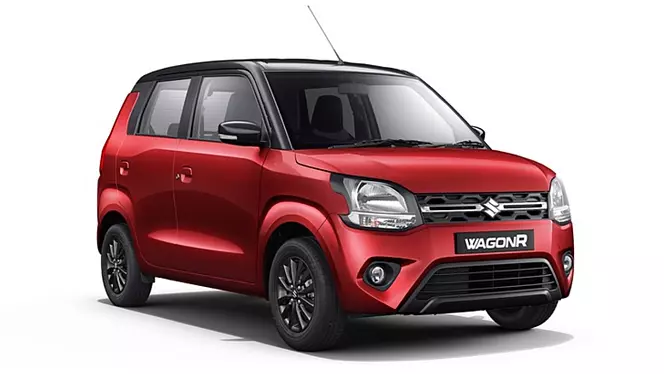 Suzuki Wagon R, for instance. It’s a compact powerhouse that punches well above its weight class. With a reputation for being nearly bulletproof, the Wagon R’s maintenance costs are so low they’re almost laughable. Parts are ubiquitous, labor rates are reasonable, and the car’s simplicity means there’s little that can go wrong. It’s the kind of vehicle that makes you question why anyone would bother with a pricier alternative.
But the Japanese aren’t resting on their laurels. The Toyota Corolla Touring Sports is another standout, offering the kind of refinement and durability that Toyota is famous for. Under the hood, you’ll find engines that sip fuel like a fine wine while delivering enough power to keep highway merges stress-free. The Touring Sports’ maintenance schedule is so forgiving that even the most mechanically challenged owner can keep it running smoothly with minimal effort. And when repairs are needed? They’re often straightforward, with parts available at every corner garage.
Subaru, meanwhile, has carved out a niche for itself with the Outback—a wagon that’s as at home on a dirt road as it is in a shopping center parking lot. Subaru’s symetrical all-wheel-drive system is legendary, but it’s the brand’s commitment to longevity that truly sets it apart. Subaru wagons are built to last, with engines and transmissions that can easily surpass 200,000 miles with proper care. The maintenance costs? Surprisingly affordable, especially when you consider the peace of mind that comes with knowing your car can handle anything the road throws at it.
The European Enigma: Luxury Without the Crippling Bills
If you associate European engineering with exorbitant repair costs, it’s time to think again. The wagons coming out of Germany, Sweden, and other automotive powerhouses are redefining what it means to own a premium vehicle without breaking the bank. These aren’t your grandfather’s wagons, either. Today’s European offerings are packed with technology, safety features, and driving dynamics that put many sedans and SUVs to shame—but they do so without the crippling maintenance bills.
The Volkswagen Golf Variant is a prime example. It’s a car that manages to be both practical and fun to drive, with a level of refinement that’s rare in its class. Volkswagen’s MQB platform ensures that parts are shared across a wide range of models, which means replacements are both affordable and easy to source. The Golf Variant’s maintenance schedule is also less demanding than many of its rivals, with long service intervals that keep visits to the mechanic few and far between.
Then there’s the Volvo V60, a wagon that blends Scandinavian minimalism with a level of safety and comfort that’s hard to match. Volvo’s reputation for building cars that last is well-earned, and the V60 is no exception. The maintenance costs are higher than a Toyota, sure, but they’re still far lower than you’d expect from a car of this caliber. Volvo’s focus on longevity means that even as the miles pile up, the V60 remains a reliable companion. And with a cabin that’s as quiet as a library, it’s the kind of car that makes every drive feel like an escape.
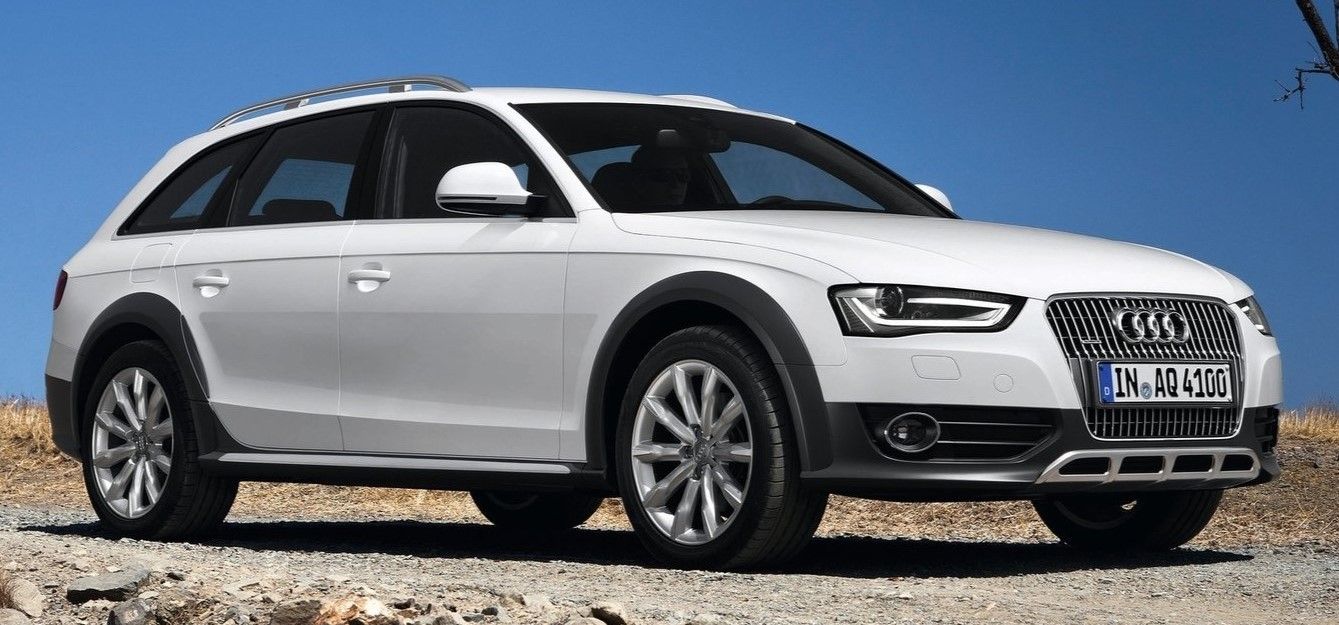
The Audi A4 Allroad is another European gem, offering the kind of versatility that’s perfect for those who crave adventure without the hassle of an SUV. Its raised suspension and all-wheel-drive system make it a natural for rough roads, but it’s the car’s build quality that truly shines. Audi’s attention to detail means that even after years of use, the A4 Allroad feels as solid as the day it rolled off the assembly line. Maintenance costs are higher than a Japanese wagon, but they’re still reasonable when you consider the level of luxury on offer.
The Wildcards: Unconventional Choices That Defy Expectations
Not all wagons fit neatly into the traditional categories. Some are the result of automotive alchemy, blending unexpected features with a focus on practicality and affordability. These are the wagons that defy expectations, proving that the best rides aren’t always the ones with the biggest price tags.
The Kia Niro is one such wildcard. It’s a crossover-wagon hybrid that offers the best of both worlds: the space and efficiency of a wagon, with the ruggedness of an SUV. But here’s the kicker—it’s also one of the most affordable wagons on the market, with maintenance costs that are almost laughably low. Kia’s warranty is legendary, and the Niro’s simple, straightforward design means that even major repairs won’t break the bank. It’s the kind of car that makes you wonder why anyone would bother with a pricier alternative.
Then there’s the Genesis G70 Shooting Brake, a sleek, stylish wagon that’s as much about making a statement as it is about practicality. Genesis has made a name for itself by offering luxury at a fraction of the price of its European rivals, and the G70 Shooting Brake is no exception. The maintenance costs are higher than a Japanese wagon, but they’re still far lower than you’d expect from a car of this caliber. And with a warranty that’s as comprehensive as it is long-lasting, the G70 Shooting Brake is a risk-free investment in both style and substance.
The Subaru Legacy, meanwhile, is a wagon that’s often overlooked in favor of its more rugged sibling, the Outback. But the Legacy is a masterclass in understated elegance, with a level of refinement and comfort that’s hard to match. Subaru’s symetrical all-wheel-drive system ensures that it’s as capable as it is comfortable, and the maintenance costs are surprisingly affordable. It’s the kind of car that makes you question why anyone would bother with a sedan when a wagon offers so much more.
The Bottom Line: Wagons Aren’t Just Practical—they’re Smart
In a world where automotive trends come and go like the seasons, the station wagon has quietly endured. It’s a testament to the fact that sometimes, the best choices aren’t the loudest or the most flashy—but the ones that quietly get the job done. Wagons offer a blend of practicality, efficiency, and affordability that’s hard to match, and the ones on this list prove that you don’t have to sacrifice reliability for space or style.
So, if you’ve been holding out for an SUV or a sedan, it’s time to reconsider. The wagons on this list aren’t just alternatives; they’re the future of practical, low-maintenance driving. They’re the cars that promise to make ownership a breeze, not a burden. And in a world where every dollar counts, that’s a promise worth taking seriously.
It’s time to trade in the noise for the hum of an engine that just works. It’s time to embrace the wagon revolution.