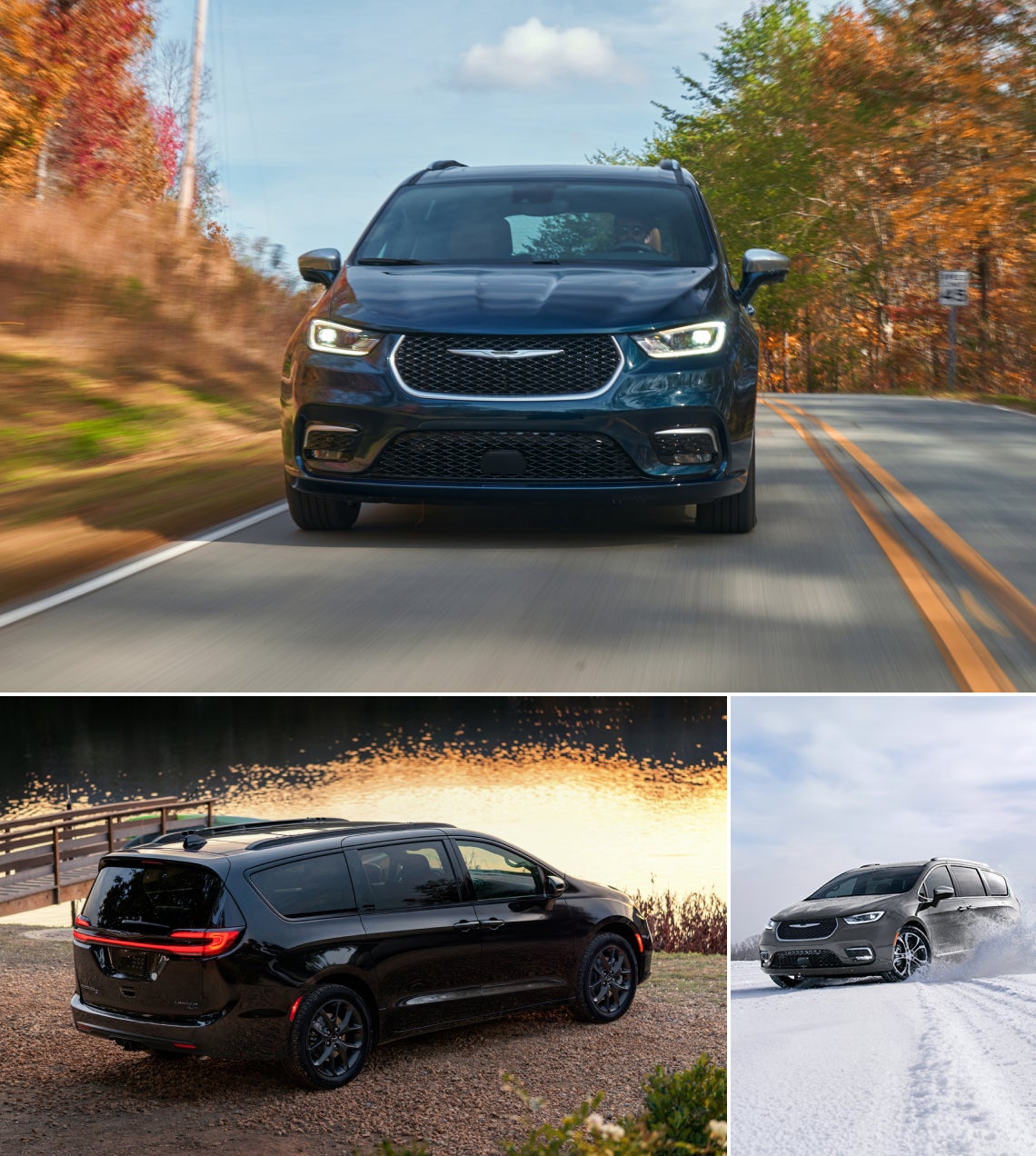
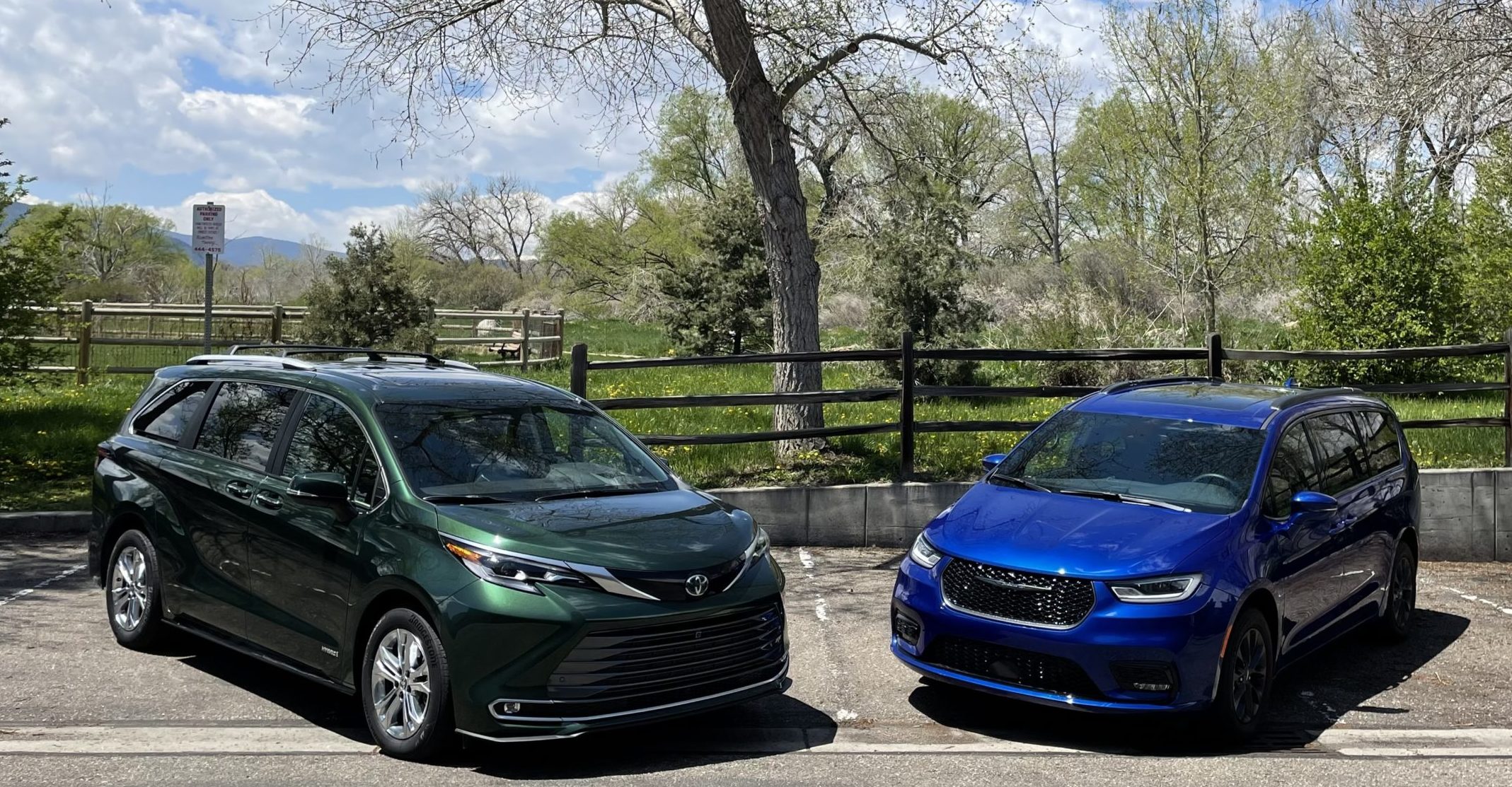
The first snowflakes of winter descend with a whisper, blanketing driveways and roads in a hushed silence. For families who refuse to let winter dictate their mobility, the choice between the Toyota Sienna AWD and the Chrysler Pacifica AWD becomes a pivotal decision. Both minivans promise all-weather confidence, but beneath their sleek exteriors lies a labyrinth of engineering choices, driving dynamics, and real-world performance that can make or break a snowy commute. Whether you’re navigating city streets slick with slush or ascending a snow-laden mountain pass, understanding how these two titans handle winter’s unpredictable challenges is essential. This isn’t just about traction—it’s about control, comfort, and peace of mind when the weather turns treacherous.

The Powertrain Tango: How All-Wheel Drive Systems Shape Winter Driving
At the heart of any winter-ready vehicle lies its all-wheel drive (AWD) system, a symphony of sensors, clutches, and differentials working in unison to distribute power where it’s needed most. The Toyota Sienna AWD employs a torque-vectoring AWD system, a sophisticated setup that can send up to 50% of engine torque to the rear wheels under normal conditions, with the ability to dynamically adjust distribution based on traction loss. This system uses an electric motor-driven coupling to seamlessly transfer power, ensuring minimal lag and a near-instantaneous response when wheels begin to slip.
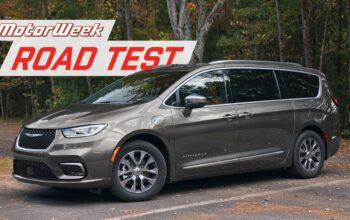
In contrast, the Chrysler Pacifica AWD relies on a more traditional on-demand AWD system, which primarily operates in front-wheel drive (FWD) mode to maximize fuel efficiency. When slippage is detected, a multi-plate clutch pack engages, sending power to the rear axle. While this system is robust and proven, it lacks the Sienna’s ability to preemptively adjust torque distribution. The Pacifica’s approach is reactive rather than predictive, which can lead to slight delays in power transfer during sudden traction losses. For the average driver, this difference may seem subtle, but in high-stakes winter scenarios—like merging onto an icy highway—the Sienna’s proactive torque management can be a game-changer.
Traction in the Trenches: Real-World Snow and Ice Performance
Winter driving isn’t a controlled environment; it’s a battleground of unpredictable conditions where even the most advanced AWD systems can be tested. On packed snow, both the Sienna and Pacifica demonstrate commendable grip, but their behaviors diverge when the going gets tough. The Sienna’s AWD system, with its ability to send power to all four wheels independently, excels in maintaining forward momentum on steep inclines or through deep snow drifts. Its multi-terrain select mode further enhances off-road winter capability, allowing drivers to tailor throttle response and traction control for snowy trails or icy patches.
The Pacifica, while no slouch in the snow, tends to prioritize comfort and refinement over raw capability. Its AWD system is tuned for smooth engagement, which can sometimes result in a slight hesitation when accelerating from a standstill on ice. However, the Pacifica’s brake-based traction control system works in tandem with the AWD to minimize wheel spin, providing a stable and predictable ride. For drivers who prioritize a composed, almost serene winter experience, the Pacifica’s approach may feel more reassuring. Yet, those who frequently encounter unplowed roads or steep hills might find the Sienna’s more aggressive torque distribution to be the safer bet.
Braking and Stability: The Unsung Heroes of Winter Safety
Stopping power in winter conditions is often the difference between a near-miss and a collision. Both the Sienna and Pacifica are equipped with advanced stability control systems, but their braking philosophies reveal distinct priorities. The Sienna features Toyota’s Vehicle Dynamics Integrated Management (VDIM), a system that integrates braking, steering, and throttle inputs to maintain stability during emergency maneuvers. Its brake force distribution is finely tuned to prevent wheel lockup, even on slippery surfaces, and its anti-lock braking system (ABS) pulses rapidly to maintain directional control.
The Pacifica counters with Chrysler’s Electronic Stability Control (ESC) system, which includes a brake assist feature that can apply maximum braking force in critical situations. While both systems are highly effective, the Pacifica’s approach leans toward a more forgiving, user-friendly experience. It’s designed to correct understeer and oversteer with minimal driver input, making it ideal for those who prefer a hands-off winter driving experience. The Sienna, on the other hand, offers a more engaged driving feel, where the driver can feel the system’s interventions through the steering wheel and pedals. This transparency can be invaluable for experienced winter drivers who want to understand how their vehicle is responding to the road.
Interior Comfort and Tech: The Luxury of Winter Escapes
Winter driving isn’t just about getting from point A to point B; it’s about arriving in comfort and style, especially when the journey is shared with family. The Toyota Sienna’s interior is a masterclass in ergonomic design, with seating that cradles passengers in thermally insulated, ventilated front seats and a cabin that’s nearly silent even at highway speeds. Its available 28-speaker JBL audio system turns a snowy commute into a concert hall, while the tri-zone automatic climate control ensures that every passenger remains cozy, regardless of the weather outside.
The Chrysler Pacifica counters with a more opulent, SUV-inspired interior. Its Uconnect 5 infotainment system is one of the most intuitive in the segment, featuring a massive touchscreen and voice command capabilities that make navigating winter weather apps or adjusting seat heaters effortless. The Pacifica’s seating is plush and supportive, with available massaging seats and rear-seat entertainment systems that transform the minivan into a rolling lounge. For families who prioritize luxury and entertainment during long winter trips, the Pacifica’s cabin is a compelling choice. However, the Sienna’s more utilitarian yet refined interior may appeal to those who value practicality without sacrificing comfort.
Fuel Efficiency and Cost of Ownership: The Long-Term Winter Investment
Owning a winter-ready minivan isn’t just about upfront costs; it’s about the long-term expenses of fuel, maintenance, and depreciation. The Toyota Sienna AWD, with its hybrid powertrain, offers impressive fuel efficiency for a vehicle of its size. Its combined EPA rating of 36 mpg is a testament to Toyota’s commitment to efficiency, even in all-wheel-drive configurations. The Pacifica, while not a hybrid, still delivers respectable numbers with a combined rating of 23 mpg, thanks to its turbocharged engine and advanced transmission tuning.
Maintenance costs are another critical factor. Toyota’s reputation for reliability means that the Sienna’s AWD system is built to last, with fewer components prone to wear and tear. The Pacifica’s AWD system, while robust, may require more frequent fluid changes and clutch inspections, especially in harsh winter conditions. Depreciation is also a consideration: the Sienna’s hybrid powertrain and Toyota’s brand strength help it retain value better than the Pacifica over time. For budget-conscious buyers, the Sienna’s lower long-term ownership costs may tip the scales in its favor.

Final Verdict: Which Minivan Conquers Winter’s Challenges?
The choice between the Toyota Sienna AWD and the Chrysler Pacifica AWD ultimately hinges on what you value most in a winter companion. If you prioritize proactive traction management, off-road winter capability, and long-term reliability, the Sienna emerges as the clear winner. Its torque-vectoring AWD system, hybrid efficiency, and Toyota’s reputation for durability make it a formidable ally against snow and ice. It’s the minivan for those who refuse to let winter dictate their plans.
On the other hand, if you seek a luxurious, tech-forward winter cruiser with a focus on comfort and refinement, the Pacifica is a compelling alternative. Its AWD system may be reactive rather than predictive, but its smooth engagement and upscale interior create an almost effortless winter driving experience. It’s the choice for families who want to arrive at their destination relaxed and entertained, even when the roads are treacherous.
In the end, both minivans are more than capable of handling winter’s challenges—but only one will feel like the perfect match for your driving style and priorities. Whether you’re a snowbound commuter or a weekend adventurer, the right choice will ensure that every journey is as smooth as the freshly fallen snow.