The Nissan Z isn’t just a car—it’s a statement. A bold, unapologetic declaration that performance and heritage can coexist without compromise. When the latest iteration rolled into our hands, we weren’t just testing a machine; we were stepping into a time machine that also happened to be a precision instrument. The base Sport trim, often dismissed as the “entry-level” option, is where the magic begins. It’s the perfect storm of raw capability, tactile feedback, and unfiltered driving pleasure—all wrapped in a package that dares you to slow down. This is the Nissan Z as it was meant to be: visceral, unpretentious, and utterly intoxicating.
The Exterior: A Symphony of Angles and Attitude
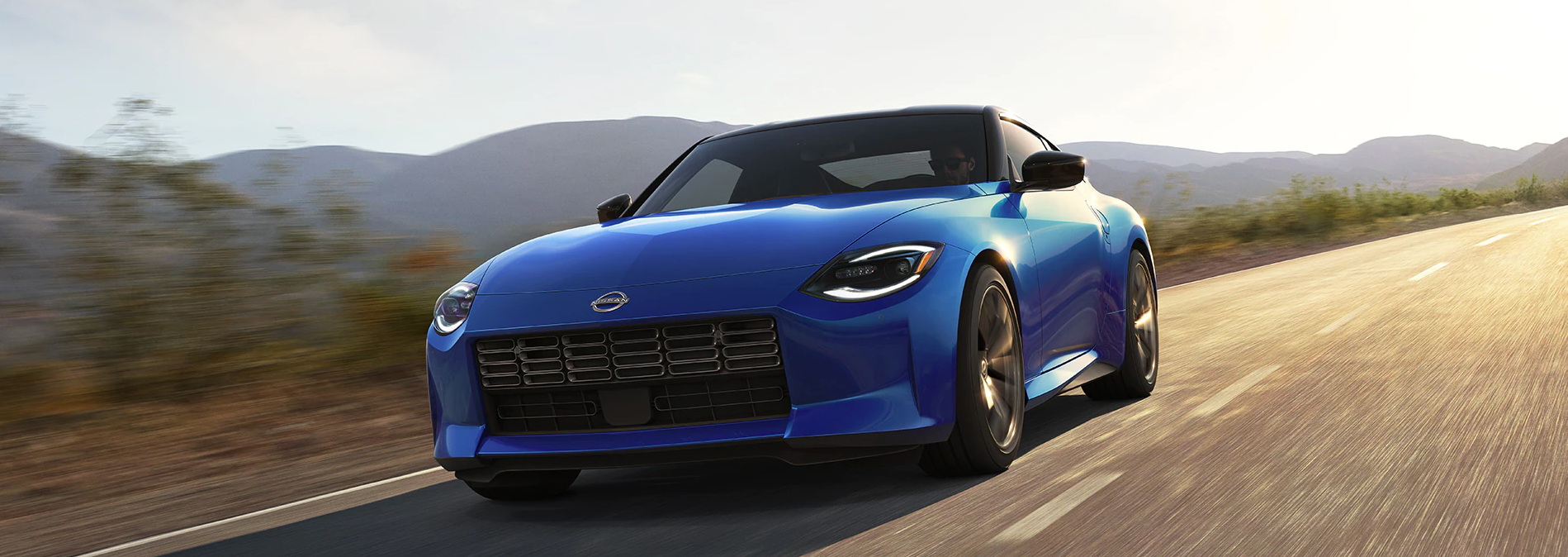
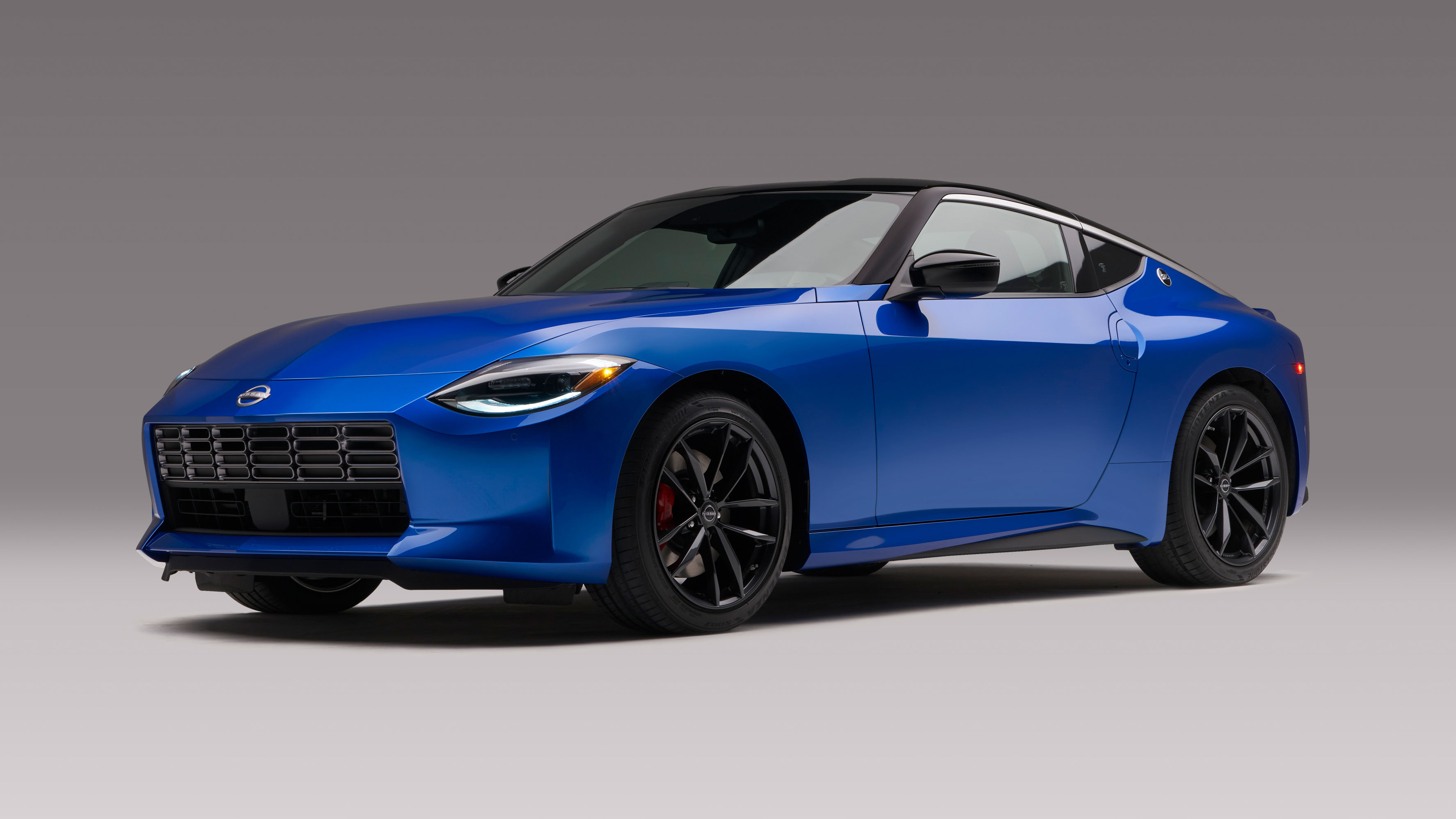
The Z’s design isn’t just about aesthetics—it’s a masterclass in functional artistry. Every crease, every vent, every sculpted line serves a purpose beyond mere visual appeal. The long hood, truncated rear deck, and sweeping roofline aren’t just throwbacks to the original 290Z; they’re a deliberate nod to aerodynamics and weight distribution. The Sport trim’s glossy black grille, LED headlights with adaptive high beams, and those iconic “Z” badges on the C-pillars aren’t just decorative—they’re a rallying cry for enthusiasts who recognize that form and function are inseparable.
The bodywork isn’t just sleek; it’s a study in tension. The flared wheel arches hint at the performance lurking beneath, while the sculpted haunches over the rear wheels suggest a center of gravity that’s been meticulously optimized. Even the side skirts aren’t just for show—they channel airflow to reduce lift at high speeds, ensuring the Z stays planted when the tachometer needle climbs into the red. And let’s not forget the dual exhausts, their polished tips not just gleaming but also serving as a visual cue to the symphony of sound waiting to be unleashed.
The Interior: Where Minimalism Meets Mechanical Poetry
Slide into the cabin, and you’re greeted by an environment that’s as driver-focused as it is devoid of superfluous distractions. The Sport trim’s interior is a masterclass in tactile engagement, where every surface, every switch, and every stitch feels like an extension of the machine itself. The Alcantara-wrapped steering wheel, with its flat-bottom design and perforated grips, isn’t just a nod to the Z’s racing pedigree—it’s an invitation to wrestle with the car, to feel the weight of the wheel in your hands as you carve through a twisty backroad.
The seats, upholstered in a mix of Alcantara and leather, cradle you with a firmness that borders on aggressive. There’s no soft padding here, no plush overstuffing—just a supportive shell that keeps you locked in place during hard cornering. The dashboard, with its retro-inspired analog gauges nestled behind a modern digital display, bridges the gap between nostalgia and innovation. The center console, with its tactile climate controls and a gear shifter that’s as precise as a Swiss timepiece, ensures that every interaction is deliberate, every adjustment intentional.
But the real star of the show is the digital gauge cluster behind the wheel. It’s not just a display; it’s a canvas that adapts to your driving style, shifting between classic analog faces and modern data overlays at the touch of a button. The 8-inch infotainment screen, while not as flashy as some of its competitors, is responsive and intuitive, with crisp graphics that make navigating menus a pleasure rather than a chore.
The Powertrain: A Twin-Turbo Heart That Throbs with Potential
Beneath the hood lies the beating heart of the Z: a 3.0-liter twin-turbocharged V6 engine that’s as eager as it is efficient. With 400 horsepower and 350 lb-ft of torque on tap, the base Sport trim doesn’t just punch above its weight—it obliterates expectations. The engine’s character is a study in contrasts: smooth and linear at low revs, explosive and raucous as it climbs toward the 6,800 rpm redline. The twin-scroll turbochargers spool with alacrity, delivering a surge of power that’s as linear as it is exhilarating, with none of the lag that plagues lesser forced-induction engines.
The transmission choices are where things get interesting. The standard six-speed manual gearbox is a revelation—a throwback to a time when driving was about engagement, not just speed. The throw is short, the gates are precise, and the clutch pedal has just the right amount of resistance to make heel-toeing a tactile delight. The nine-speed automatic, while not as engaging as the manual, is lightning-fast with its shifts, its adaptive programming ensuring that it’s always in the right gear for maximum performance or efficiency, depending on your mood.
But the real magic happens when you mash the throttle and let the V6 sing. The exhaust note is a symphony of mechanical cacophony, a deep, resonant growl that’s punctuated by the occasional backfire on overrun—a deliberate design choice that turns every gearshift into a performance. The acceleration is brutal in its immediacy, with the Z lunging forward with a ferocity that belies its size. The torque curve is so flat that you can pull from as low as 2,000 rpm in sixth gear and still feel the surge of power, making the Z as comfortable on the highway as it is on a racetrack.
The Chassis and Handling: A Dance of Precision and Playfulness
The Z’s chassis is a marvel of engineering, a blend of old-school analog feel and modern digital sophistication. The double-wishbone front suspension and multi-link rear setup are tuned for agility, with a focus on minimizing body roll and maximizing feedback. The steering, with its hydraulic assist, is a revelation—weighted just enough to feel planted at speed, yet light enough to flick through corners with surgical precision. There’s a sense of communication here that’s rare in modern performance cars, a direct line between the driver’s hands and the road beneath.
The Sport trim’s suspension tuning is firm but not punishing, striking a balance between comfort and performance. The dampers are calibrated to absorb road imperfections without sacrificing composure, while the limited-slip differential ensures that power is distributed to the wheels with ruthless efficiency. The result is a car that feels alive, a machine that responds to every input with a sense of purpose. Whether you’re threading through a series of esses or attacking a sweeping corner, the Z feels like it’s an extension of your body, a partner in crime that’s always one step ahead.
And let’s talk about the brakes. The standard four-piston front calipers and single-piston rears are more than capable of hauling the Z down from triple digits in a hurry. The pedal feel is progressive, the bite point is reassuringly firm, and the discs—ventilated up front and solid in the rear—provide fade-free stopping power even under repeated hard braking. It’s the kind of braking performance that makes you want to push the limits, to see just how quickly you can scrub off speed without losing composure.
The Driving Experience: A Masterclass in Engagement
Driving the Nissan Z isn’t just about getting from point A to point B—it’s about savoring the journey. The car’s character shifts with every twist of the wheel, every press of the throttle, every blip of the rev limiter. It’s a car that rewards aggression but also indulges subtlety, a machine that can be docile in traffic yet feral on a backroad.
The manual transmission, in particular, elevates the experience to something akin to a religious experience. There’s a purity to rowing through the gears, a connection to the machine that’s lost in an era of paddle shifters and automated manuals. The clutch pedal’s resistance, the mechanical whine of the gearbox, the way the tachometer needle climbs with each upshift—it’s all part of a symphony that’s designed to be played by the driver, not just observed.
But even the automatic transmission, with its lightning-fast shifts and adaptive programming, isn’t just a lazy alternative. It’s a tool that can be wielded with precision, its shift points tailored to your driving style. Want to keep the revs high for maximum drama? The Z will oblige. Prefer a smooth, effortless cruise? It’s just as happy to comply. The key is that the car never feels like it’s fighting you—it’s always in sync with your intentions, a willing participant in whatever driving fantasy you care to indulge.
The Verdict: A Modern Icon in the Making
The Nissan Z, in its base Sport trim, isn’t just a car—it’s a manifesto. It’s a declaration that performance doesn’t have to come at the expense of practicality, that heritage can be honored without sacrificing innovation, and that driving can still be an emotional experience in an age of autonomous vehicles and digital distractions.
It’s a car that punches above its weight, delivering a level of engagement and excitement that’s rare in today’s automotive landscape. The V6 engine is a marvel of engineering, the chassis is a masterclass in balance, and the interior is a sanctuary for those who value tactile feedback over touchscreens. The Z isn’t perfect—no car is—but its flaws are minor, the kind of quirks that only serve to endear it further to those who understand its charms.
If you’re looking for a car that’s as much about the journey as it is about the destination, the Nissan Z is a revelation. It’s a car that demands your attention, rewards your effort, and leaves you craving more. It’s not just a base trim—it’s the heart of the Z, a machine that proves that sometimes, the simplest package can deliver the most extraordinary experience.
The road ahead is yours. The Nissan Z is waiting. Are you ready to answer its call?