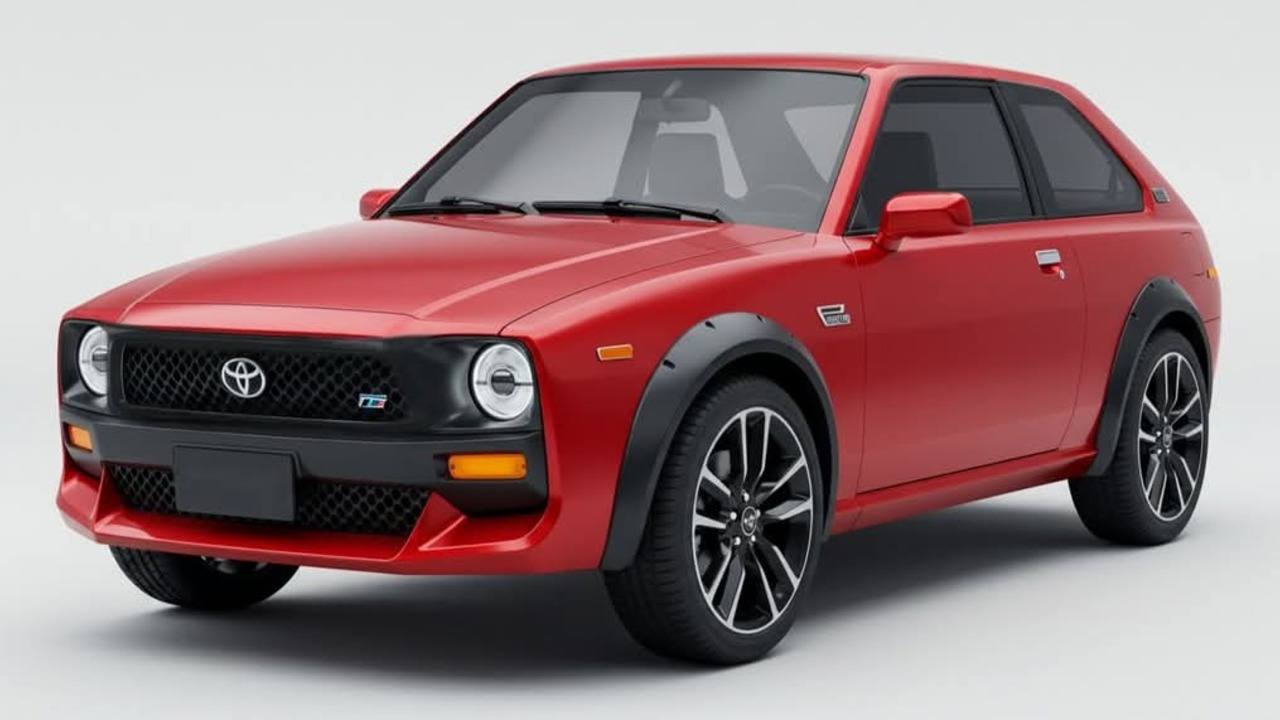
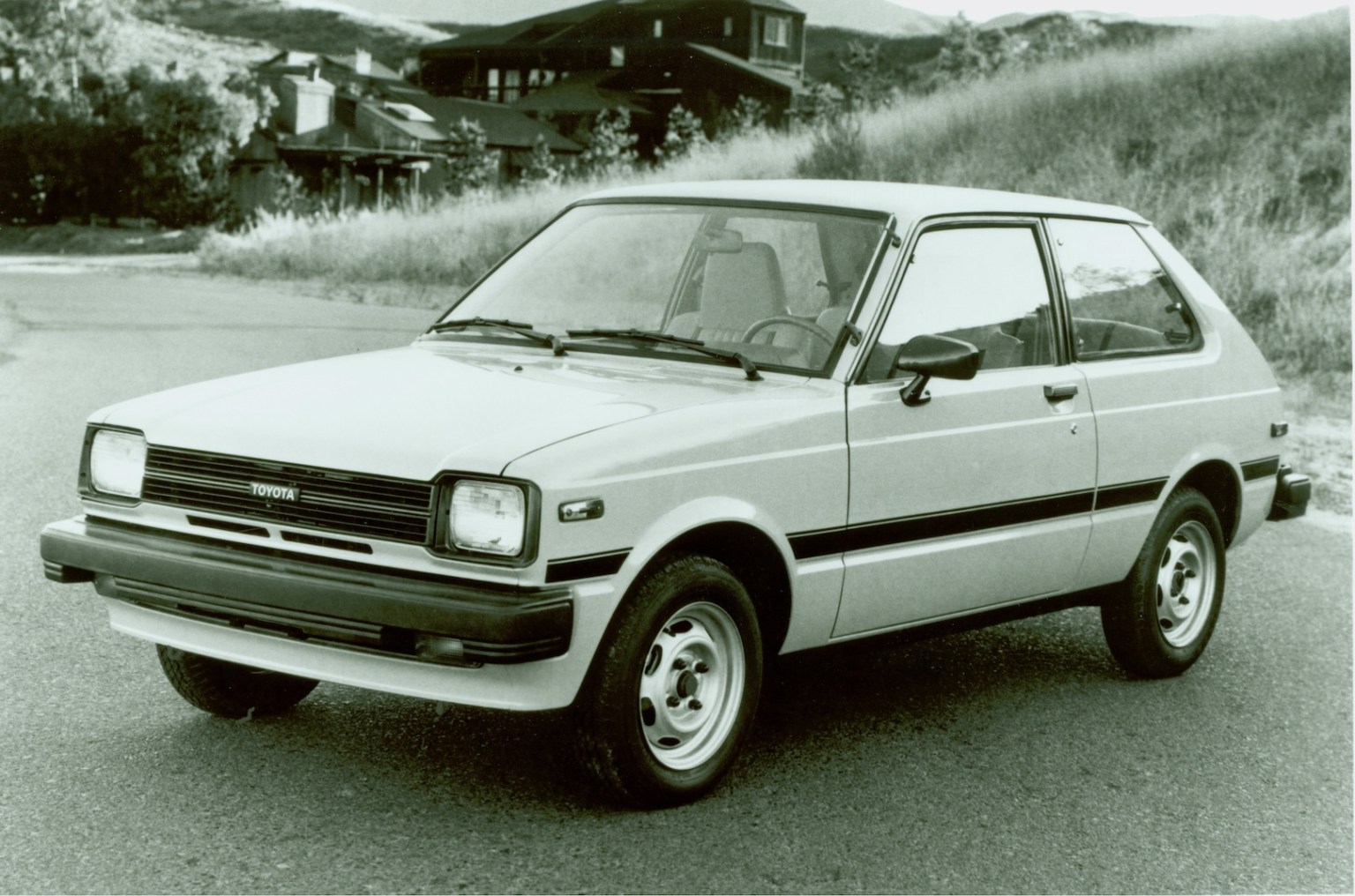
The idea of a Toyota Starlet landing in the United States feels like finding a tiny match in a drawer full of fireworks—small, almost mischievous, yet oddly capable of starting something impressive. The Starlet has long lived in the realm of subcompact hatchback lore: light on its feet, quick to pivot through traffic, and—most importantly—built for the kind of everyday adventure that doesn’t need a press kit or a postcode. But the question lingering in the background is simple and tantalizing: could a Toyota Starlet really be a subcompact hatch offered to US drivers?
Let’s chase that possibility through the thicket of market math, customer psychology, and the romantic pull of a lesser-known nameplate. Because sometimes the most compelling cars aren’t the biggest. Sometimes they’re the ones that behave like instruments—tuned for responsiveness rather than bulk.
A Starlet Is a Tiny Chassis With a Big Personality
A subcompact hatch is often dismissed as “just transportation.” Yet the Starlet’s appeal has never been merely functional. It carries the aura of an underdog: compact dimensions that make parking feel like a practiced sleight of hand, and a driving character that invites you to drive rather than simply arrive. In the best examples, the Starlet doesn’t just move—it communicates.
Think of it as a pocket telescope. You don’t buy it because it can outshine the observatory. You buy it because it reveals details the larger scopes miss—subtle shifts in balance, the crispness of steering feedback, the way a short wheelbase turns “boring roads” into small stages.
Why the US Would Even Consider a Subcompact Hatch
To understand whether a Starlet could come to the US, you have to look at the country’s shifting appetite. The American market has leaned heavily toward crossovers and larger vehicles—appliances that promise comfort, cargo volume, and a sense of scale. But trends are never one-way streets. They ripple, then rebound.
There’s a growing population of drivers who want agility more than abundance. The city crowd wants something nimble. The budget-conscious buyer wants something efficient without feeling cheap. Enthusiasts want a platform that can be lived with daily—then quietly modified when the urge strikes.
In that context, a Starlet is a persuasive argument. It’s a compact problem-solver. It can slide into tight spaces, dodge urban gridlock, and reduce the daily financial bleed of fuel and tires. A subcompact hatch is the automotive equivalent of a well-written sentence: concise, purposeful, and satisfying in the way it gets to the point.
The Nameplate Advantage: Familiar in Spirit, Fresh in Reality
Even if many US drivers don’t know the Starlet by name, they recognize the role it plays. The Starlet belongs to that celebrated lineage of small Toyotas that feel sturdy without feeling heavy, and playful without being fragile. It’s the kind of car that enthusiasts talk about with reverence because it often delivered more character per dollar than expected.
A modern revival—whether as a conventional commuter or a performance-leaning hatch—could function like a well-chosen callback in a novel. The plot is new, but the voice is recognizable. That’s how nameplates thrive: not by nostalgia alone, but by carrying forward a recognizable philosophy.
Performance Potential: The Rally-Ready Dream, Reimagined
Part of the Starlet’s mystique comes from its rally-ready reputation. That doesn’t mean every prospective US version would become a track weapon. Instead, it suggests the engineering DNA is already comfortable with the idea of spirited driving—grip, balance, and steering precision.
Imagine a Starlet that keeps its small size but adds modern traction management and driver-assistance technology. The result would likely feel like turning a key in an old lock: the shape is familiar, but the mechanism is refined. Even a modest performance version could become a favorite among drivers who dislike feeling detached from the road.
There’s also a deeper psychological angle. A hatch with a wink toward rally culture feels more interesting than an appliance. It makes the commute feel less like routine and more like a brief chapter.

Design and Packaging: Compact Doesn’t Mean Compromised
The magic of a subcompact hatch is packaging—the art of making every inch do double duty. A well-designed Starlet would likely emphasize visibility, easy ingress and egress, and a cabin layout that feels logically arranged rather than cramped. That’s where the difference between “small” and “comfortable” shows up.
In the best cases, small cars feel lighter not only in weight but in effort. You move with less fatigue. You make quick decisions—turns, lane changes, parking maneuvers—without wrestling the vehicle. A Starlet could feel like a confident dance partner: responsive, predictable, and eager to follow.
Technology and the Modern Driver’s Reality Check
Today’s drivers don’t just want fun; they want reassurance. Modern safety systems, infotainment that doesn’t lag, and connectivity that feels seamless—these are no longer optional luxuries. If the Starlet were to enter the US market, it would likely need to meet those expectations.
Here’s the opportunity: technology can preserve the essence of small-car joy. Driver-assistance systems can reduce the burden of highway monotony. Smartphone integration can simplify navigation. A modern platform can sharpen ride quality and noise control so the car feels composed rather than plain.
In other words, the Starlet wouldn’t have to become something larger to become acceptable. It could simply become more civilized.
Market Positioning: Who Would Actually Buy It?
Enthusiasts, first-time buyers, and urban commuters form a natural core audience. But there’s also a broader slice of the market that craves distinctiveness. Some people don’t want a vehicle that blends into a spreadsheet of identical silhouettes. They want a car with a personality that stands out in the rearview mirror.
A Starlet, if offered in the US, would likely win fans who appreciate craft and restraint. It would appeal to those who prefer a smaller footprint in both parking lots and monthly budgets. It’s not just about being cheaper to own—it’s about being easier to live with.
The Metaphor That Fits: A Pocket Rocket for Real Life
A pocket rocket is usually imagined as something loud, flashy, and fragile. The Starlet’s charm is different. It’s more like a pocket anvil—compact, capable, and surprisingly durable in the way it tackles daily life. It’s the kind of car that can accompany you to the grocery store and then, when the sun goes down, remind you how enjoyable driving can be.
There’s also an element of rarity that matters. A small, well-made hatch isn’t common on American roads. That scarcity creates a certain magnetism. Drivers notice it. Owners feel proud. The car becomes a conversation starter, a symbol of choosing the road that’s slightly less obvious.
Could It Happen? The Practical Odds and the Romantic Certainty
Will Toyota bring a Starlet hatch to the US? The practical obstacles—emissions certification, safety regulations, production planning, and dealer strategy—are real. The market’s preference for crossovers is also entrenched. Yet markets evolve. Sometimes they’re nudged by fuel prices, sometimes by lifestyle shifts, and sometimes by the simple truth that people want to feel something when they drive.
If Toyota sees the conditions aligning—if there’s demand for a compact hatch with character—then the Starlet could become a meaningful addition rather than a novelty. It would be a car that doesn’t chase trends so much as puncture them with a grin.
Final Thoughts: The US Could Use More Small Cars With Big Hearts
A Toyota Starlet—whether reborn as a commuter-friendly hatch or reborn with a more spirited spirit—would represent more than a new model. It would represent a shift back toward simplicity, agility, and delight. In a country full of machines built for maximum space, the Starlet would offer something rarer: control.
If it ever arrives, it would likely do what the best small cars always do. It would slip into daily life like a familiar song—quiet at first, then unforgettable. And for drivers who want more than mere transportation, that’s the kind of revival that doesn’t just happen once. It sticks.