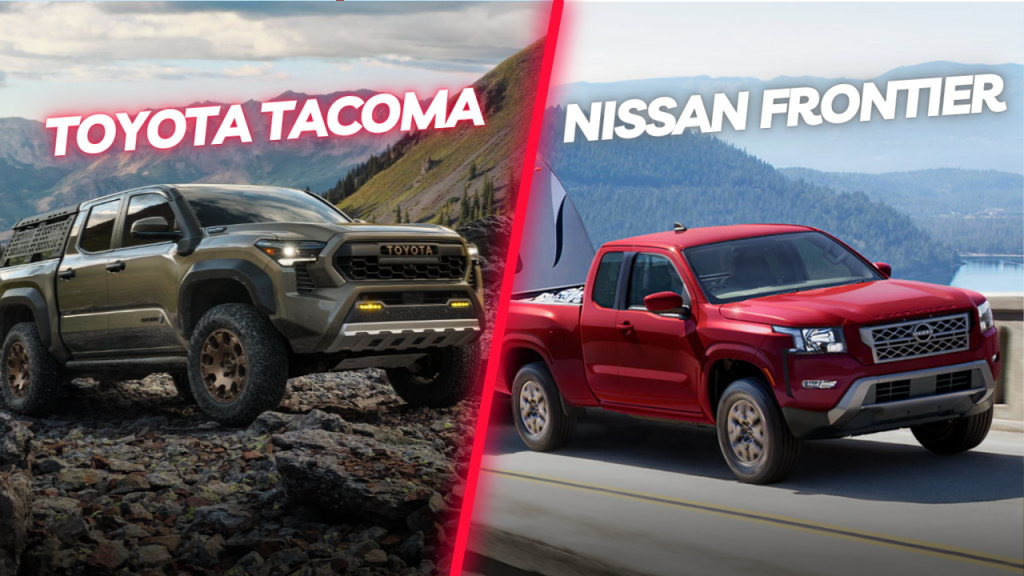
In the realm of midsize pickup trucks, two names emerge with commanding presence: the Nissan Frontier and the Toyota Tacoma. Both models have cultivated loyal followings, yet they appeal to drivers for fundamentally different reasons. At first glance, the debate often centers on a classic dichotomy—value versus reputation. However, this simplistic comparison belies a more intricate fascination etched into the very ethos of each pickup. Unpacking their differences reveals not just what each truck offers, but why they resonate so deeply with diverse segments of the driving community.
Intuitive Appeal: The Tug Between Value and Legacy
It’s no secret that the Nissan Frontier frequently appeals to those with a discerning eye for value, efficiently balancing price and utility in a way few competitors match. In contrast, the Toyota Tacoma has become almost synonymous with rugged dependability and an enviable legacy. This distinction—value versus reputation—is more than marketing rhetoric; it encapsulates the essence each truck embodies for its buyers.
The Frontier’s appeal lies primarily in its pragmatic offering. It delivers robust functionality without demanding a premium. Toyota, meanwhile, elicits an almost cult-like enthusiasm among aficionados who prioritize proven reliability and long-term durability, sometimes willing to pay a premium for the pedigree. These contrasts create a fascinating dynamic, where practicality meets prestige in a market flooded with choices but limited in true emotional engagement.
Engineering and Performance: Crafting Divergent Identities
Performance acts as the lifeblood of any pickup, and here, these two trucks diverge significantly. The Nissan Frontier’s recent revamp emphasizes a muscular V6 engine that provides satisfying power for daily work and weekend adventures alike. The engineering philosophy leans into delivering a smooth, composed ride, emphasizing comfort without sacrificing capability.
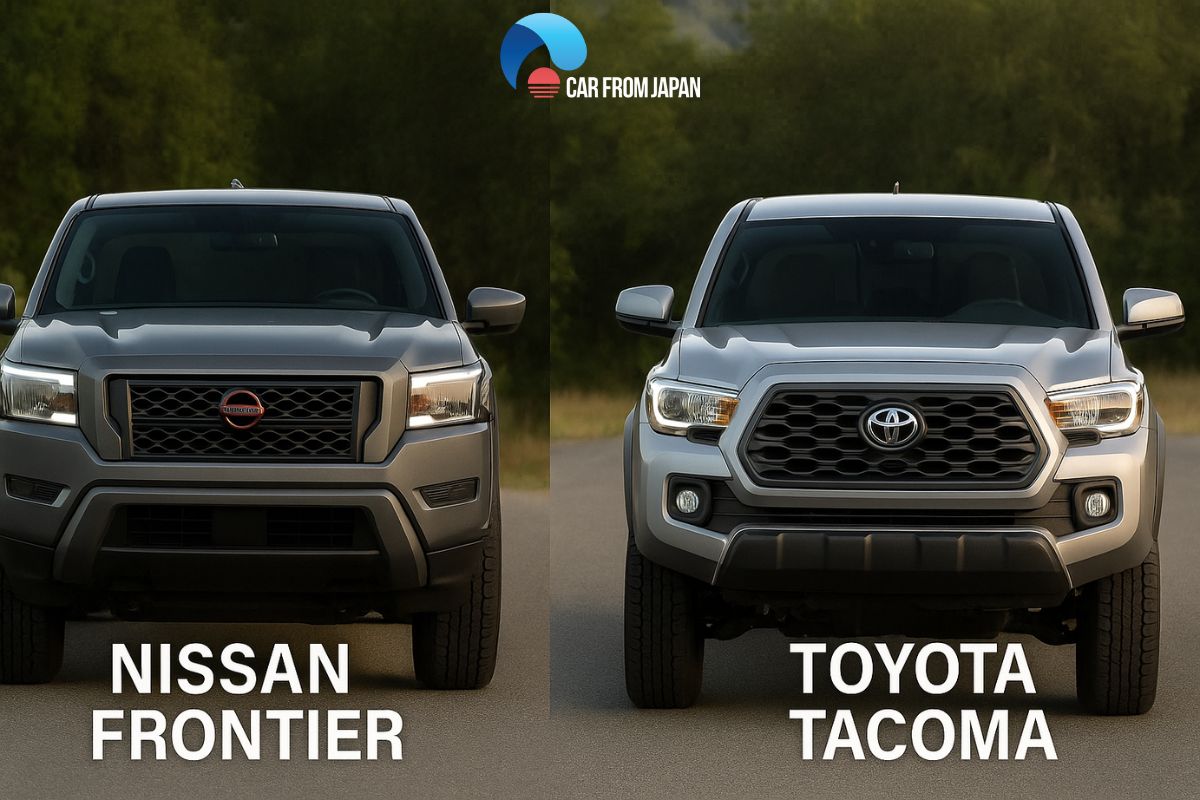
Conversely, the Tacoma doubles down on its legacy of off-road prowess. Its engineering approach favors ruggedness, often at the expense of on-road refinement. Toyota’s suite of off-road technology, including Multi-Terrain Select and Crawl Control, appeals to buyers who envision their pickup tackling the roughest trails. This aggressive focus solidifies the Tacoma’s reputation but narrows its appeal among those who seek everyday comfort alongside capability.
Interior Experience: Beyond the Surface
Inside the cabin, the Nissan Frontier surprises with a blend of modern amenities and ergonomic design. It eschews ostentation for functionality, offering intuitive controls and sufficient space for a comfortable journey. The materials used exude quality without extravagance, aligned with its value-driven positioning. Drivers who appreciate thoughtful, unpretentious design find it refreshing.
The Tacoma, by contrast, leans into its rugged personality with a more utilitarian interior. While improvements have been made, the tactile experience reflects the truck’s off-road ambitions more than luxury aspirations. Its controls and displays prioritize robustness and simplicity, anchoring its identity as a tool first and vehicle second. For some, this raw authenticity enhances the connection to the driving experience, fueling the Tacoma’s cult status even as it trades some modern conveniences.
Technological Savvy and Safety Features
Modern truck buyers demand technology that enhances safety and convenience, and here, the comparison between these two trucks unearths subtle nuances. The Frontier incorporates an impressive array of driver-assist technologies, including Nissan’s Safety Shield 360, which bundles adaptive cruise control, automatic emergency braking, and blind-spot warning. This comprehensive package reinforces its value proposition, offering competitive tech without elevating the price excessively.
The Tacoma counters with Toyota Safety Sense, a similarly broad suite of safety innovations, but often integrates these features within a package that demands trading some comfort or amenities. The emphasis remains firmly on dependable protection, consistent with Toyota’s reputation. Yet, buyers focused on high-tech luxury or seamless digital integration may find the Tacoma slightly antiquated compared to newer rivals.
Longevity and Resale: Reputation Carved in Stone
When exploring deeper motivations behind truck preference, resale value and longevity often surface as pivotal factors. The Tacoma’s reputation as a durable workhorse ensures strong resale values, driven by historical data and owner testimonials alike. This financial resilience adds an intangible quality to the Tacoma’s allure—a promise, in essence, of sustained reliability that transcends mere purchase price.
In contrast, the Frontier, while respected for its robustness, tends to depreciate more rapidly. This dynamic aligns with its accessibility and upfront cost savings but raises questions for those who weigh total cost of ownership heavily. The divergence here speaks to broader buyer philosophies: immediate affordability versus legacy-backed investment.
Community and Cultural Impact: More Than Just Machines
Both trucks inspire communities that extend beyond mere ownership. Tacoma owners often participate in enthusiast groups and off-road clubs, embracing a lifestyle that intertwines with their truck’s capabilities. This social and cultural embrace cements the Tacoma as more than just a vehicle—it becomes a symbol of rugged independence and outdoor devotion.
The Frontier cultivates a quieter, more understated following, appealing to pragmatists who value straightforward utility above spectacle. Its allure lies in reliable service rather than cultural cachet. This marks a different kind of fascination—one rooted in everyday dependability and sensible design rather than passionate allegiance.
Concluding Reflections: The Allure of Contrasting Philosophies
The Nissan Frontier and Toyota Tacoma represent two poles of the midsize pickup spectrum—value and reputation, practicality and legacy. The preference between these models often hinges less on specs and more on the intangible qualities they evoke. One champions affordability without sacrificing core utility, the other boasts a storied heritage that commands loyalty and intrigue.
Ultimately, the fascination each inspires goes beyond transactional considerations. It touches on how individuals perceive utility, reliability, and identity within the trucking universe. Whether drawn to the Frontier’s pragmatic sensibility or the Tacoma’s enduring mystique, buyers engage with more than just machines—they connect with narratives shaped by engineering, culture, and personal aspiration. This complexity ensures that the conversation surrounding these pickups will continue to flourish, as enduring and compelling as the trucks themselves.