Some cars arrive like a velvet curtain—quiet, composed, and expensive to replace. Others enter like a well-worn road map: practical, readable, and full of possibilities. If insurance costs feel like a fog bank that never lifts, the right sedan can be a lighthouse. In 2026, the most affordable sedans to insure tend to share a common trait: they’re engineered for lower-risk profiles, with parts and repair pathways that insurance actuaries can price with confidence. Think of insurance as a weather forecast for your budget. These ten sedans are the models most likely to keep the storm clouds at a manageable distance.
Below is a curated look at the top ten most affordable 2026 sedans to insure, grounded in real-world predictability—typical repair complexity, likelihood of claims, and the general economics of ownership. Prices and rates vary by driver, location, and history, but these picks consistently align with what insurers tend to reward.
How “Affordable to Insure” Is Really Measured
Insurance affordability isn’t just a number—it’s a mosaic. Rates reflect collision frequency, severity, theft likelihood, repair costs, and even how frequently a vehicle appears in claims data. A sedan that’s commonplace in body shops is often cheaper to fix than a niche model with rare panels or specialty components. Add in safety systems that prevent or mitigate harm, and the puzzle begins to make sense.

Here’s the metaphor that best captures it: insurance pricing is like seasoning. Two dishes might look similar, but the cost changes depending on what’s going into the pot. In this case, the “seasoning” is how predictable the vehicle’s risk tends to be over time.
The Selection Criteria: A Practical, Risk-Forward Lens
The sedans highlighted below are the ones that tend to earn favorable premiums. That usually means:
• Mainstream parts availability (repair shops can source components without drama.)
• Solid safety engineering (advanced driver assistance can reduce claim likelihood.)
• Lower theft attraction (some models simply don’t draw the same attention.)
• Repair simplicity (uncomplicated structures often cost less to restore.)
In other words, we’re not chasing novelty. We’re chasing stability.
1) 2026 Honda Civic
The Honda Civic is the sedan equivalent of a dependable compass. It doesn’t glitter. It doesn’t need theatrics. It just gets you where you’re going, and insurers tend to recognize that reliability. With widespread ownership across many regions, repair networks are robust—making the path from accident to restoration less circuitous.
Safety technology and a long history of claim familiarity also help. Insurers often price what they understand. The Civic, year after year, remains a predictable variable in an unpredictable world.
2) 2026 Toyota Corolla
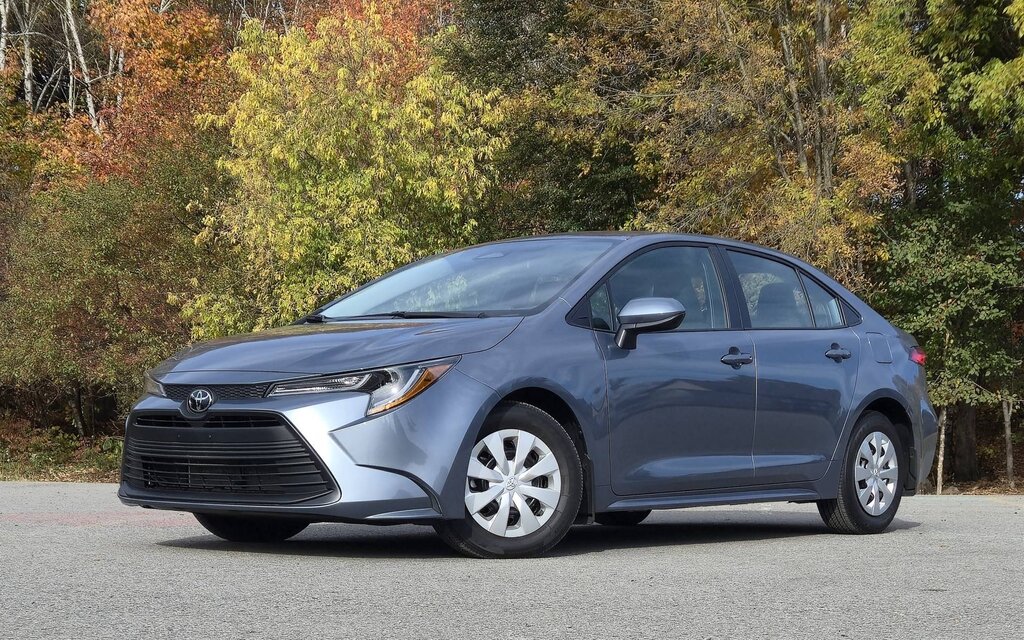
The Corolla enters like a steady metronome. Every month, it ticks along in the same tempo: ordinary maintenance rhythms, predictable parts sourcing, and a safety profile that many insurers treat as low drama. In the insurance universe, lower drama often translates to better pricing.
Because the Corolla is a mass-market staple, body shops can usually turn repairs around efficiently. That reduces uncertainty—one of the hidden costs of ownership.
3) 2026 Hyundai Elantra
Some sedans feel like they’re built with spreadsheets in mind. The Elantra often does. Insurers generally consider it a favorable candidate due to a combination of safety features, common service ecosystems, and widespread familiarity. Translation: the repair and replacement story tends to be less expensive than for rarer vehicles.
It’s a sedan that aims for harmony. Not harmony as in bland—more like the quiet kind of harmony that keeps your budget from improvising wildly.
4) 2026 Kia Forte
The Kia Forte has a particular charm: it feels compact and easy to live with, yet it brings enough modern technology to avoid becoming an insurance afterthought. Insurers often respond positively when a car’s safety stack and service availability suggest manageable repair costs.
Think of the Forte as a well-built toolkit. It may not be the flashiest instrument on the shelf, but it’s reliable enough to do the job—and insurers tend to reward tools that rarely fail.
5) 2026 Nissan Sentra
The Sentra can be surprisingly persuasive when insurance time arrives. With features designed to reduce risk and a long-running presence on roads, it benefits from predictable claim patterns. Many repair shops are equipped and experienced with Sentra components, which can moderate total repair expenditures.
In the language of underwriting, predictability is a kind of currency. The Sentra is often good at converting that currency into affordability.
6) 2026 Mazda3 Sedan
Here’s where affordability meets personality. The Mazda3 sedan balances driving appeal with a safety-and-repair profile that often doesn’t scare insurers. While not every driver imagines “insurable” when they think of Mazda, the business side frequently sees a vehicle with manageable risk indicators.
It’s a reminder that aesthetics don’t have to cost extra. Sometimes they simply arrive with a more disciplined actuarial footprint.
7) 2026 Subaru Legacy
Of course, rates still vary by region. But the Legacy often earns a reputation for being less financially volatile than one might expect from a family-friendly sedan.
8) 2026 Volkswagen Jetta
It’s like a well-labeled drawer: the hardware is where everyone expects it to be. That reduces downtime and helps manage total costs—two things insurance companies pay attention to.
9) 2026 Ford Fusion (Where Available)
Depending on market availability, certain years and trims of the Fusion can appear as surprisingly affordable options to insure. The key is alignment between trim level, safety equipment, and local repair logistics. When a vehicle is common enough, parts become easier to source and repair claims can become less severe.
Even with an older lineage, insurers may still view it as a predictable sedan. Predictable isn’t glamorous, but it’s powerful.
10) 2026 Chevrolet Malibu
The Malibu often performs well in the “insurance temperament” category. It typically offers a mainstream service footprint and safety features designed to reduce the frequency and severity of incidents. That combination can help keep premiums from climbing too quickly.
Imagine the Malibu as a broad, durable bridge. It’s built to carry everyday life—not just weekends. When insurers see a sedan designed for routine stability, premiums often follow that logic.
Trim Matters: The Difference Between “Affordable” and “Overpriced”
Even within an inexpensive-to-insure model line, trim selection can swing costs. Higher trims can mean larger wheels, more advanced lighting systems, or premium tech that becomes expensive to repair. A sedan’s insurance profile can change dramatically when the features shift from “everyday useful” to “specialized and costly.”
Choose trims that include core safety and driver-assistance features without stacking every aesthetic upgrade. In the insurance world, restraint is a strategy.
Ways to Reduce Premiums Without Losing Quality
Even after selecting an affordable sedan, you can further tilt the odds in your favor:
• Maintain a clean driving record—it’s the simplest discount, repeatedly.
• Increase deductibles thoughtfully—lower premiums can offset higher out-of-pocket costs during rare events.
• Bundle policies—home and auto discounts often reward loyalty.
• Ask about safety-score discounts—some insurers credit advanced driver-assistance features.
• Consider anti-theft upgrades—theft-reduction measures can lower risk exposure.
These steps are not flashy. They’re practical. Like tightening bolts before the road trip begins.
Final Thoughts: Buy the Sedan That Keeps Your Budget Steady
The most affordable sedans to insure aren’t necessarily the ones that look the most dramatic in a showroom. They’re the ones that behave predictably in the real world—when accidents happen, when parts need replacement, and when repairs must be completed quickly and economically.
If you want a metaphor to take with you: choose a sedan that acts like an anchor. It holds your financial footing in rougher weather, so your money can flow toward what matters—gas, groceries, and the life happening after the policy is signed.
Before committing, compare quotes for your exact ZIP code, trim, mileage estimate, and driver history. Insurance is personal. But the sedan can be your starting advantage—an everyday vehicle that helps keep the premiums from turning your budget into a roller coaster.