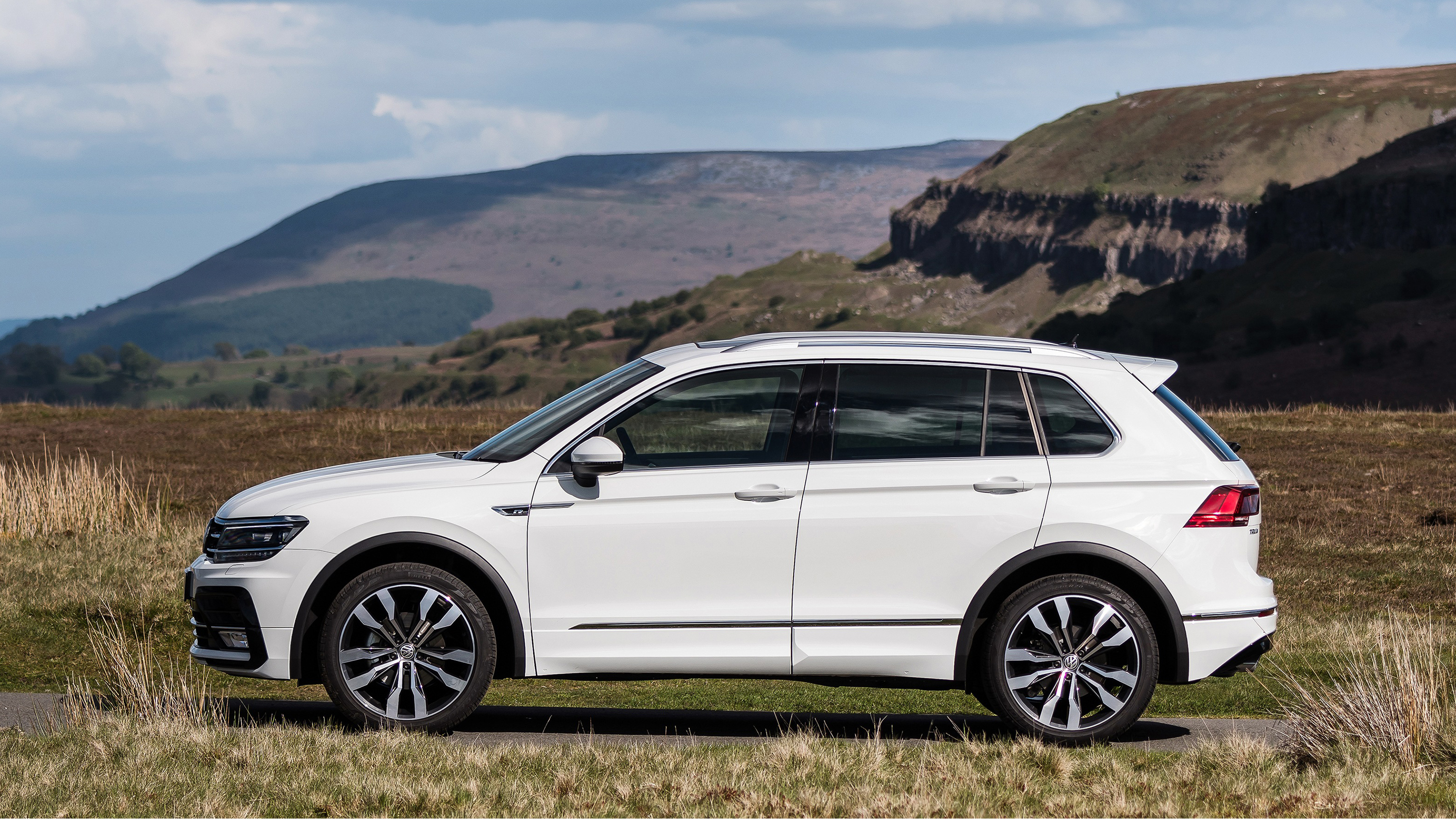
What if a compact SUV could feel less like a compromise and more like a quiet pact between practicality and pleasure? The Volkswagen Tiguan has long lived in that intriguing middle ground—big enough to carry real life, tidy enough to remain easy to live with. Yet there’s always a catch lurking in the shadows of every “roomy” claim. Is the space truly usable day after day, or does it arrive with fine-print restrictions?
Let’s take a careful, story-driven walk through the Tiguan’s strengths—then press gently on the places where buyers sometimes meet resistance. Think of it as a playful question followed by a potential challenge: will the Tiguan fit your lifestyle smoothly, or will it make you rethink how you move through the world?
Roominess That Doesn’t Feel Like a Trailer
Roominess is the headline for a reason, but the Tiguan earns it through how space is organized rather than how it’s measured. In the front, you get comfortable seating positions, supportive contours, and a sense that the dashboard doesn’t crowd you. The driver’s area tends to feel logically arranged—buttons and controls fall into place like well-mannered companions.
Step into the second row and the story changes from “compact” to “actually convenient.” The rear bench is built for regular passenger transport: commuting with friends, school runs, weekend errands, and the occasional “we should take the long way” detour. Legroom tends to be accommodating, and the seat width helps when shoulders need breathing room.
Here’s where the potential challenge appears: a Tiguan may feel generous, but cargo practicality can still hinge on habits. If you frequently haul tall items, the way the rear space opens—and how the seatbacks fold—becomes crucial. A quick test with your own grocery bags, sports gear, or travel totes will reveal whether the space is “big” or “big in the right way.”
Cargo Flexibility: The Real Measure of Utility
Space isn’t only about passenger comfort; it’s also about how easily you can rearrange life. The Tiguan’s cargo layout invites a certain kind of optimism—flat-ish loading surfaces, sensible access, and the ability to reconfigure when plans change at the last minute.
Sliding between “everyday mode” and “adventure mode” is where the Tiguan tends to shine. Fold the rear seats and the vehicle can swallow bulky items that would otherwise become a logistical puzzle. That said, there’s a nuance worth noting: cargo floors, access angles, and tie-down points determine whether loading feels effortless or mildly annoying.
Ask a playful question to yourself: how often do you load awkward things—guitars, ladders, stroller frames, or boxes that aren’t as rectangular as you wish? The Tiguan can handle plenty, but the best assessment comes from real-world trial, not showroom optimism.
Driving Character: Confident, Not Complicated
Driving impressions matter, especially in a compact SUV where daily rhythms can be relentless. The Tiguan generally delivers a calm, confident demeanor. Steering feels appropriately weighted for city navigation, yet it maintains composure when roads broaden and speeds rise.
Suspension tuning aims for a balance: it absorbs imperfections without turning every pothole into a personal event. The result is a ride that’s easy to tolerate—one of the most underrated qualities of a vehicle you’ll live with. Short trips don’t feel exhausting. Longer drives don’t feel like chores.
Still, the challenge isn’t always in comfort—it’s in expectations. If you want an overtly sporty, razor-edged response, you may find the Tiguan pleasantly restrained rather than theatrically agile. It’s engineered to be broadly capable, not aggressively thrilling.
Efficiency and Power: The Practical Sweet Spot
A roomy SUV that drinks fuel like it’s celebrating would lose its appeal immediately. The Tiguan’s powertrains (depending on configuration) are designed to keep real-world efficiency within sensible territory. That means less anxiety at the pump and more consistency in how the vehicle behaves across different driving conditions.
Acceleration is typically smooth, especially when you’re not demanding instant, sports-car-level thrust. For everyday traffic merging, overtakes, and highway cruising, the engine responses usually feel adequate. The transmission logic tends to prioritize refinement over aggression, making the car feel composed rather than restless.
But here’s where a potential obstacle hides: if your driving is frequently stop-and-go or if you carry heavy loads often, fuel use can drift from brochure mythology. The Tiguan is a practical choice—but no SUV escapes physics entirely.
Tech and Infotainment: Friendly, Sometimes Too Efficient
Modern SUVs live and die by their user interface, and the Tiguan aims for a clean, intuitive experience. Touchscreens, digital displays, and driver-assistance settings are meant to reduce friction. Menus are generally understandable, and the cabin design supports a “grab and go” mentality.
There’s also something refreshing about how technology integrates without overwhelming the driver. Physical controls and logical layouts help when you’re multitasking—think parking maneuvers, quick navigation changes, or adjusting climate settings during sudden weather shifts.
Still, a playful question returns: how quickly do you form habits? If you prefer deep customization or you dislike touchscreen-first ergonomics, the Tiguan’s approach may require a brief learning curve. The challenge is less about whether the tech works and more about whether it matches your driving rituals.
Safety and Assistance: Assurance With Guardrails
Safety systems in the Tiguan are designed to help, not dominate. Driver-assistance features—when configured—can support lane awareness, adaptive cruise functionality, and collision-avoidance behavior. The intention is to make long drives less fatiguing and commuting less exhausting.
The best safety tech feels like a quiet co-pilot. It should add confidence without turning the vehicle into an anxious robot. In the Tiguan, the goal is typically that supportive calm—messages that are clear, interventions that feel predictable, and warnings that arrive with enough time to act.
Yet it’s wise to remember the challenge behind the curtain: assistance systems require driver attention. They’re guardrails, not autopilot salvation. The Tiguan can be reassuring, but responsibility still sits with the driver.
Interior Quality and Comfort: The Soft Power of Good Materials
Compact SUVs often rely on visual gloss, but comfort is created through tactile details. In the Tiguan’s cabin, materials and finishes aim for a sense of durability and refinement. Noise insulation also plays a part; the quieter the cabin, the more “roomy” the car feels—even when you’re not expanding physical dimensions.
Seats are generally supportive for daily use, and the overall climate system tends to be practical. Wind and road noise levels are typically controlled enough that conversation remains easy, music sounds less strangled, and fatigue arrives later than it might in more tinny competitors.
There’s a final challenge to consider: comfort isn’t universal. Body shapes vary, and seat feel can be personal. A test drive that includes the seats you’ll actually use—your preferred driving position, your usual steering wheel reach—can reveal whether the Tiguan’s comfort style fits you.
Who the Tiguan Is For—and Who Might Feel Shortchanged
The Tiguan is best suited to drivers who want a compact SUV with real family utility and a grown-up sense of practicality. It suits commuters who occasionally need more cargo space than a typical hatchback. It also works for road-trippers who want room without the massive footprint of a larger SUV.
Meanwhile, buyers chasing a highly sporty personality, extreme third-row capacity, or maximum towing might find better matches elsewhere. The Tiguan’s strength lies in its balanced competence, not in being the wildest performer at every task.
If you’re deciding between several models, the smart approach is simple: compare how each one supports your most common activities—weekdays first, then weekends. The Tiguan’s “roomy compact” promise is strongest when your life resembles its typical strengths.
Final Thoughts: Roomy, Sensible, and Worth Testing
The Volkswagen Tiguan delivers a compelling blend: spacious enough to feel genuinely useful, refined enough to be relaxing, and versatile enough to handle shifting plans. It’s the kind of SUV that doesn’t beg for attention—it earns it through everyday effectiveness.
And that playful question lingers: will it fit your routine without friction? The challenge is not finding space on a brochure—it’s confirming how you load, where you sit, how you drive, and what you expect from a compact SUV. Take it for a real-world test with your cargo habits in mind, and the Tiguan’s roomy character will either click instantly or reveal what it can’t quite deliver.
In the end, the Tiguan’s best trick is its subtle confidence. It doesn’t just claim to be roomy—it tries, day after day, to make your life feel easier.